@inc_rementalist For example, if the game is resold 1000 times, the game would need to be $25,000 at launch
and since that price is out of reach of almost everyone; it further incentivizes buying from a secondary market, causing a spiral
Hmm... "Strangemood is setup to allow you to buy and sell non-transferable software licenses. It does not use NFTs, but it does issue a traditional token to a token account that's frozen upon purchase.". Is there any reason why a license wouldn't just be a NFT @strangemoodorg?
@inc_rementalist Say you buy the game at $25, the developer makes $25. Next you resell the game at $20, the developer still only has $25.
to make up for the difference, the developer has to increase the original price of the game
resale increases prices for players; the math doesn’t work
Strangemood’s goal is to take down Steam’s monopoly by making a decentralized marketplace for software licenses.
It’s not a financial product, it’s an app store.
Additionally, selling games as NFTs turns them into speculative assets that would price out most folks from playing them.
Strangemood is not a way to invest in games.
3. Why are games non-tradable?
If they were tradable, sellers would need to make their prices very high (in the thousands of dollars) to make up for the lost revenue.
Even with royalties on NFTs, the math simply doesn’t work.
2. Why are games subdividable?
if you want, Strangemood lets you buy “2” or “1.5” of any game. This is to support things like expansions or subscription business models without needing to recreate the game listing
1. Why are games fungible?
Fungibility means one license is the same as any other license. Which is already the case.
If I buy Elden Ring on my desktop, its the same Elden Ring that you bought.
19/ First place in the #Riptide#Gaming track goes to @strangemoodorg, a decentralized gaming platform and marketplace that allows users to build their own storefronts. https://t.co/GHOO1YK1lf
Metadata Formats
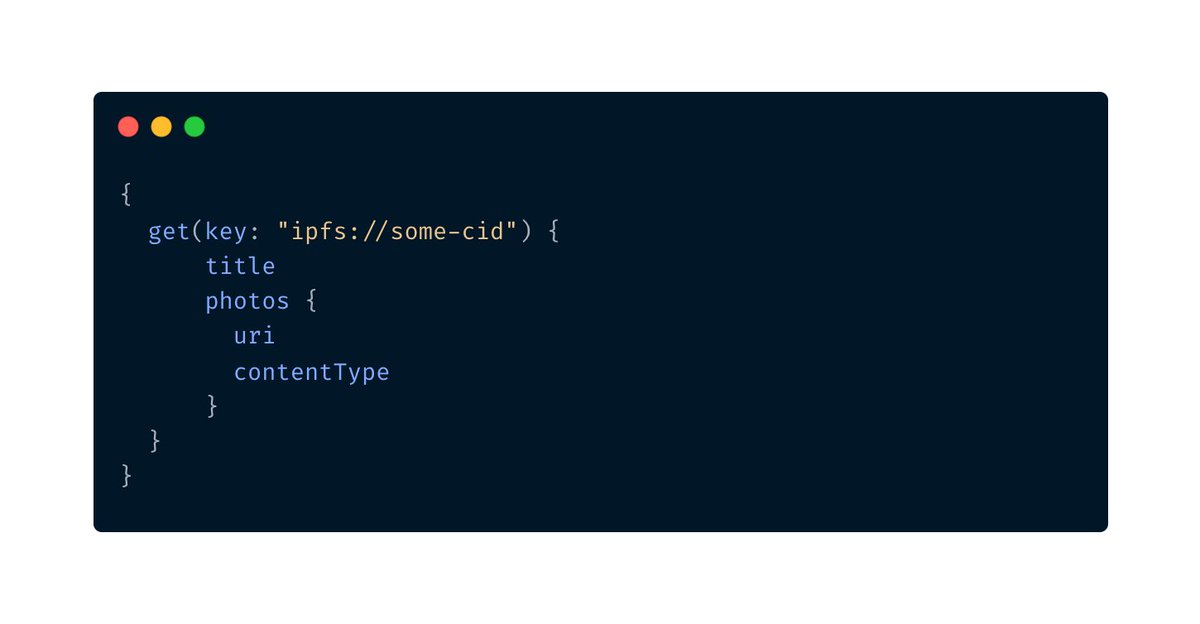
Strangemood now recommends OpenMetaGraph (https://t.co/BOACX6imDU), a typed, composable metadata format, stored on IPFS. OMG documents autogenerate their GraphQL schema: