Sustaining and Training for Resilience, Engagement and Meaning
A HRSA funded program designed to improve physician well-being. Starting with pediatricians...
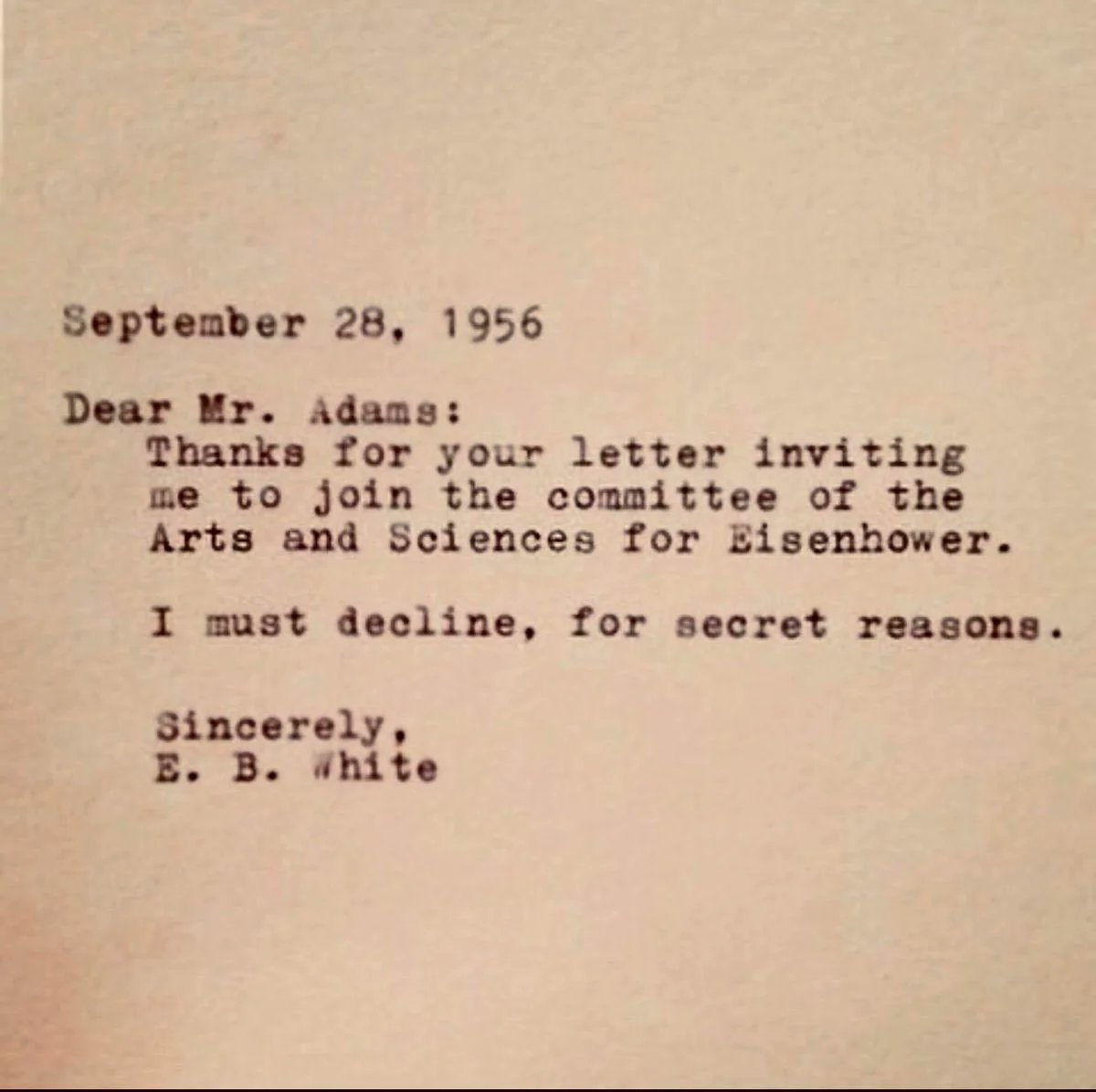
A great reminder and a small way to care of yourself. You don't have to justify a no. You just need to be gracious. #physicianwellness@MedEdMahan @sportingjim
When you turn down a request, you’re not obligated to explain why. Other people aren't entitled to know your reasons and priorities.
Being courteous is not about justifying your decision. It's about showing gratitude for the invitation.
"Honored to be asked. Sorry to miss it."
Check out this #AMAStepsForward podcast if you've been thinking about utilizing a debriefing tool or are interested in how leadership and well-being connect. #physicianwellness@MedEdMahan @sportingjim
Listen and learn as Dr. Greg Wallingford draws the connection between well-being and leadership while sharing how his team developed a rapid debriefing tool to support teams after stressful events in this #podcast from #AMAStepsForward. https://t.co/BbrT2rdPYR
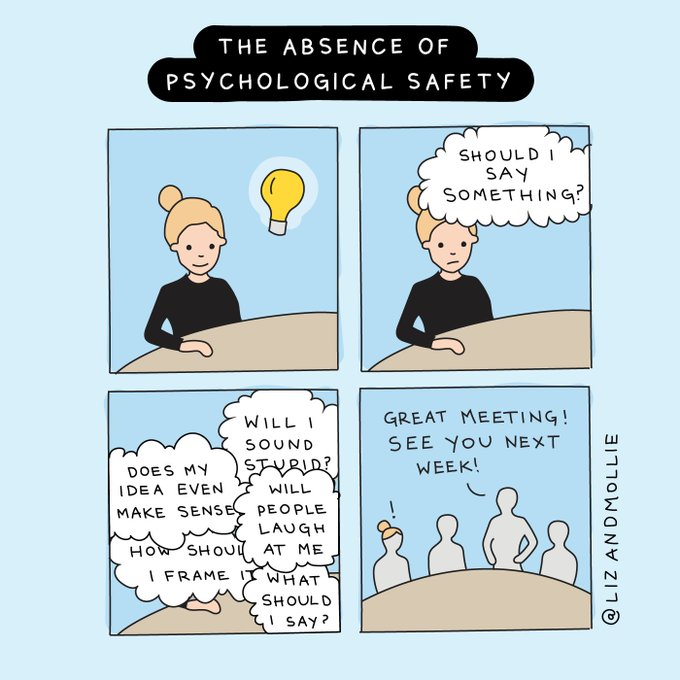
How to improve a meeting (when you’re not in charge). A recent article from @AmyCEdmondson. The tactics you use depends on the level of psychological safety:
1) The helpful workaround: works when psychological safety is low (on the team or with the person leading the meeting). You don’t explicitly name what is bothering you, but ask a question that can help resolve the feelings of frustration.
2) The solution-centric proposal: works when psychological safety is moderate. You point to the problem area by asking a question that shows how resolving the issue will increase the effectiveness of the meeting.
3) The constructive confrontation: works when psychological safety is high. You explicitly name the problem & give feedback to help create a productive solution
https://t.co/ZWtDq7hpFm. Written in partnership with @TijsBesieux. Graphic by @fosslien & @molliewest.
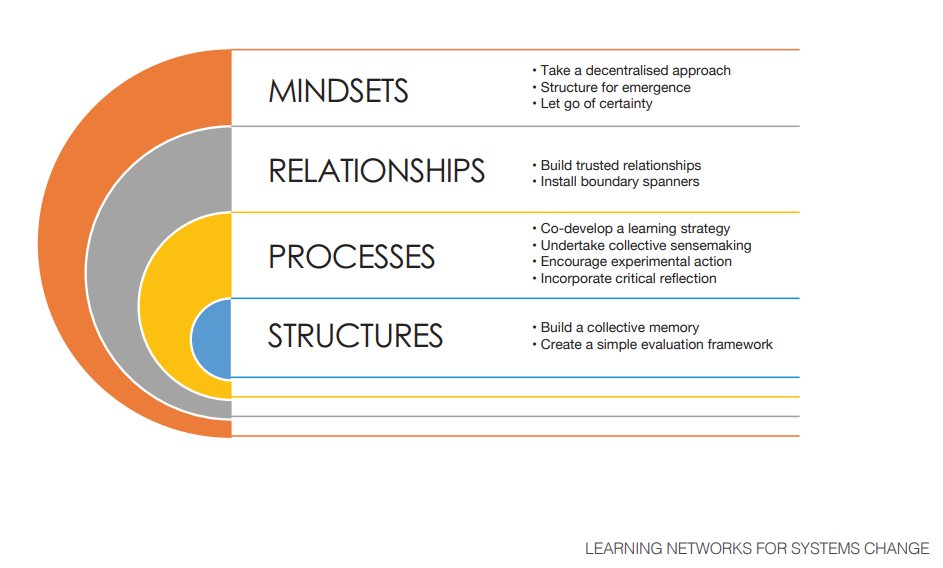
How can we build a culture of learning at scale? There's an increasing focus on ‘learning networks’ (as well as, or instead of, learning within organisations). It's built on a sense we need to support learning to occur across scales & boundaries - from the individual to system-wide. How to develop an effective learning network:
1) Take a decentralised approach: create a network of diverse experiences and voices.
2) Structure for emergence: create some "simple rules" that foster the exchange of knowledge and the emergence of new ideas, behaviours, actions & connections.
3) Let go of certainty: help network members to see learning (and unlearning) as a strength rather than a threat.
4) Build trusted relationships: create processes to foster ties & trust across the network.
5) Invite ‘boundary spanners’ (people who have connections across other networks): support those who are not ‘inside the tent’ including reframing their role in the learning process & the value they bring
6) Co-develop a learning strategy: give all members the opportunity to be part of collaborative decision-making.
7) Regard learning together (collective sensemaking) as "real work": learning should inform action in real time and be done in context, rather than abstract ‘learning time’ outside the system or the work.
8) Encourage network members to take experimental action: start with small tests.
9) Incorporate critical reflection: Develop methods of surfacing differences in how a group sees, understands, & responds to situations.
10) Build a collective memory: Define processes for capturing, distilling, applying & sharing knowledge.
11) Create a simple evaluation framework: e.g., how people work together, new behaviours & practices, confidence & capability to engage with difference & unlearn.
https://t.co/hK3AY74BFd. By @theasnow. See also https://t.co/C6i08msBnq by @orangecompassAU
"When we know how to suffer, we suffer much, much less." Thích Nhất Hạnh
Turning towards our struggles and stress isn't always easy. But it is worthwhile.
#physicianwellness@MedEdMahan @sportingjim
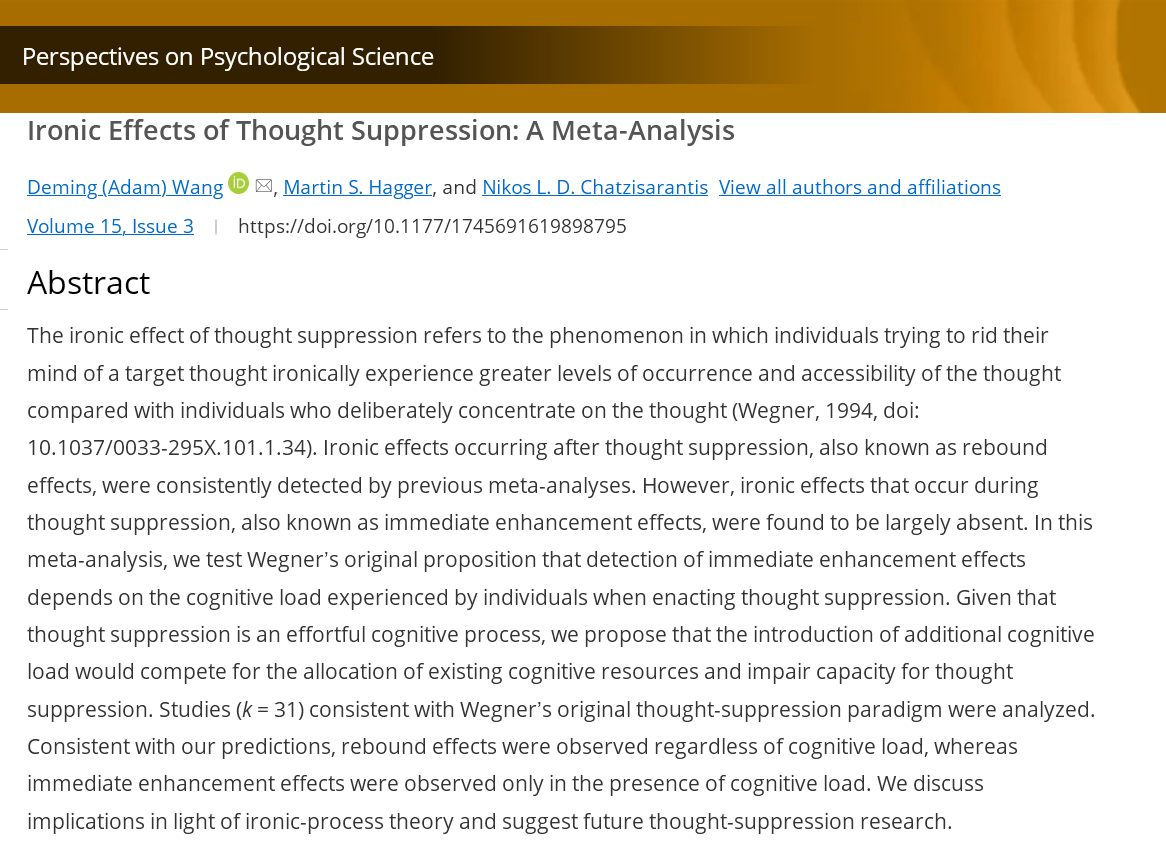
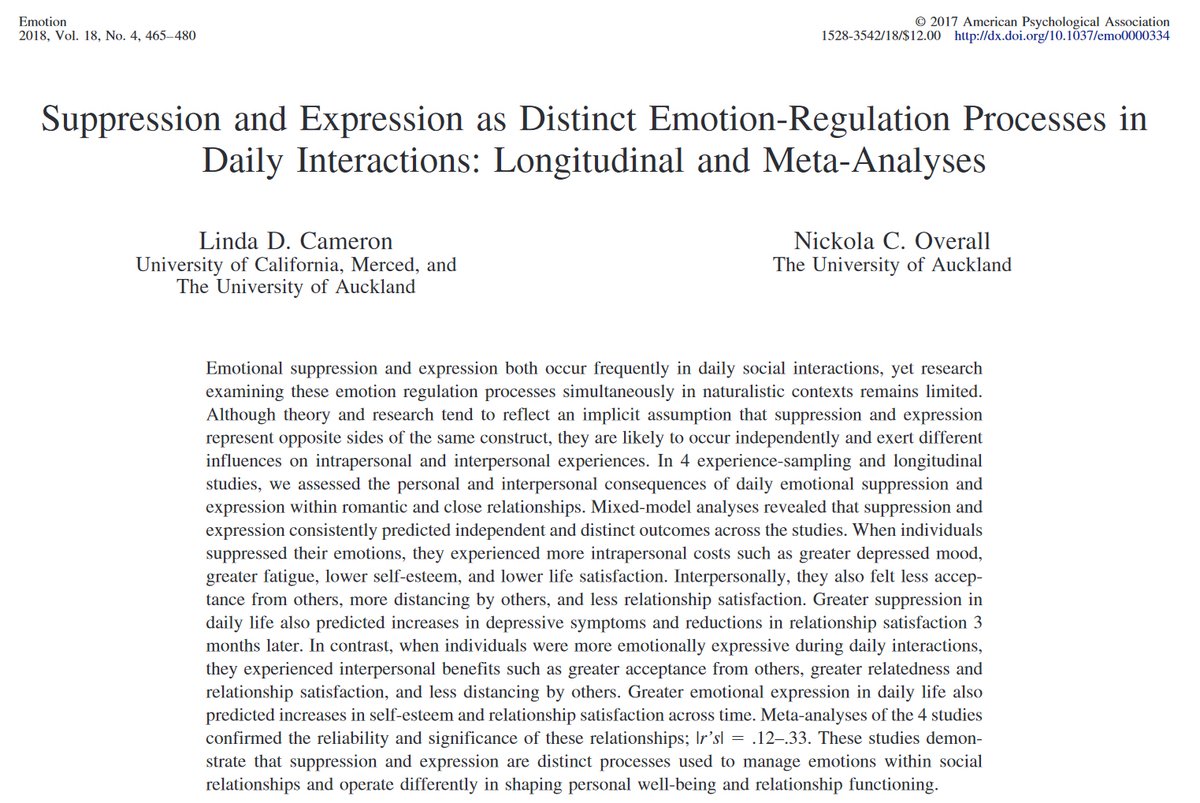
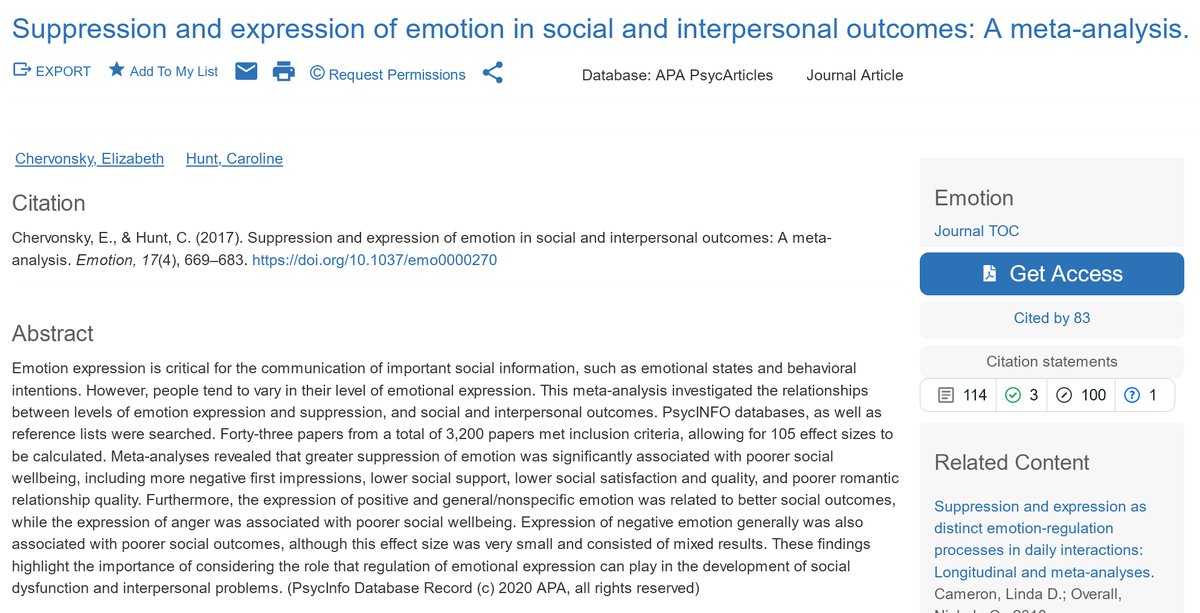
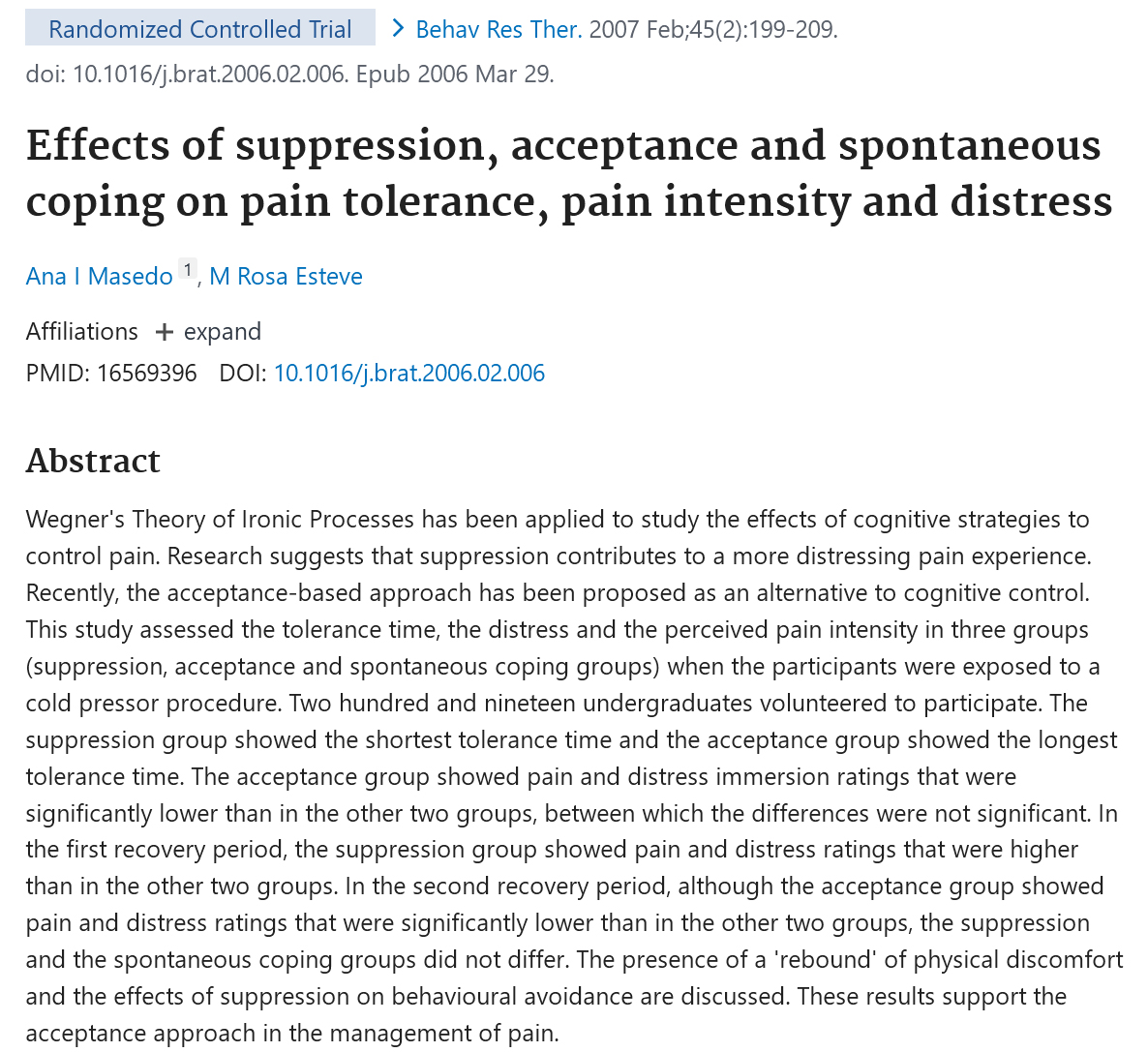
Suppressing stressful experiences doesn’t build resilience. It drains resolve.
Stifling unpleasant thoughts and emotions saps energy, limits support, and raises the risk of rebound later.
The best way to cope with distress isn't to ignore it. It's to acknowledge it.
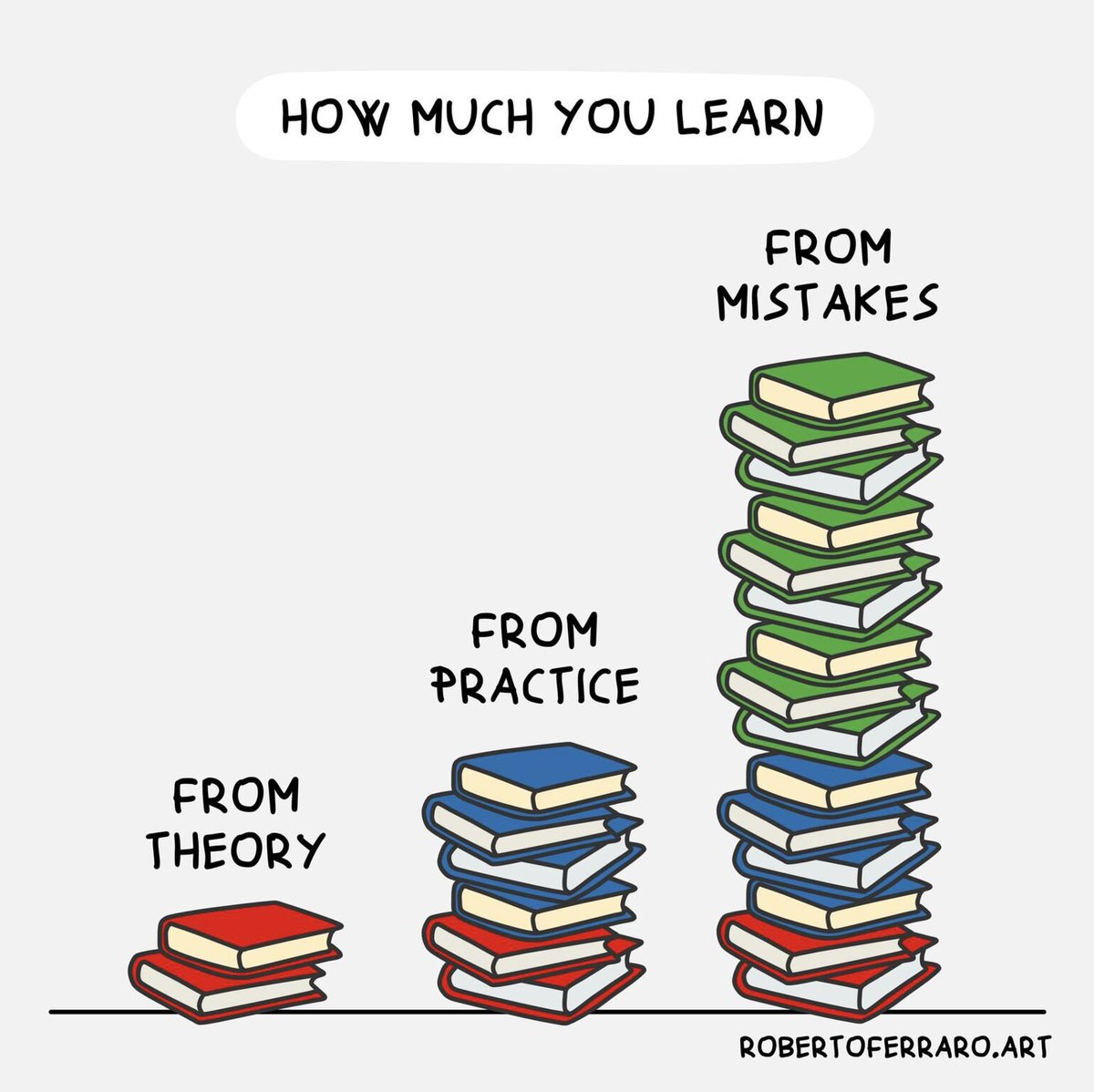
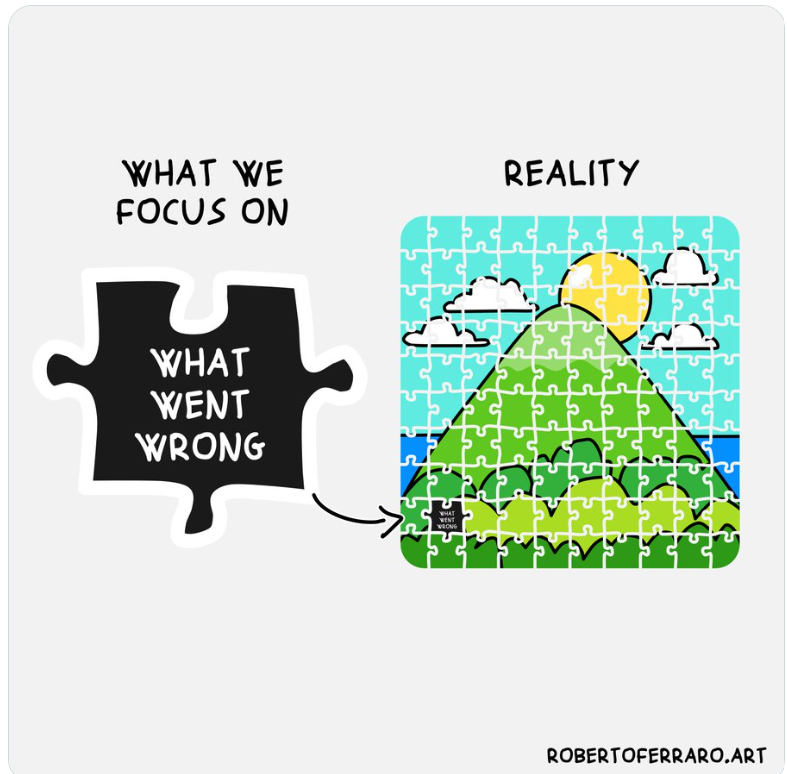
This happens often when we give a talk and get the audience evaluation back. 99% of the feedback might be positive. 1% of it is critical. We largely ignore the lovely comments from the 99%. We just dwell on the negative feedback. Life & work is like that too. It's why we need others to help us gain a broader perspective & to keep improving. Graphic by @FerraroRoberto
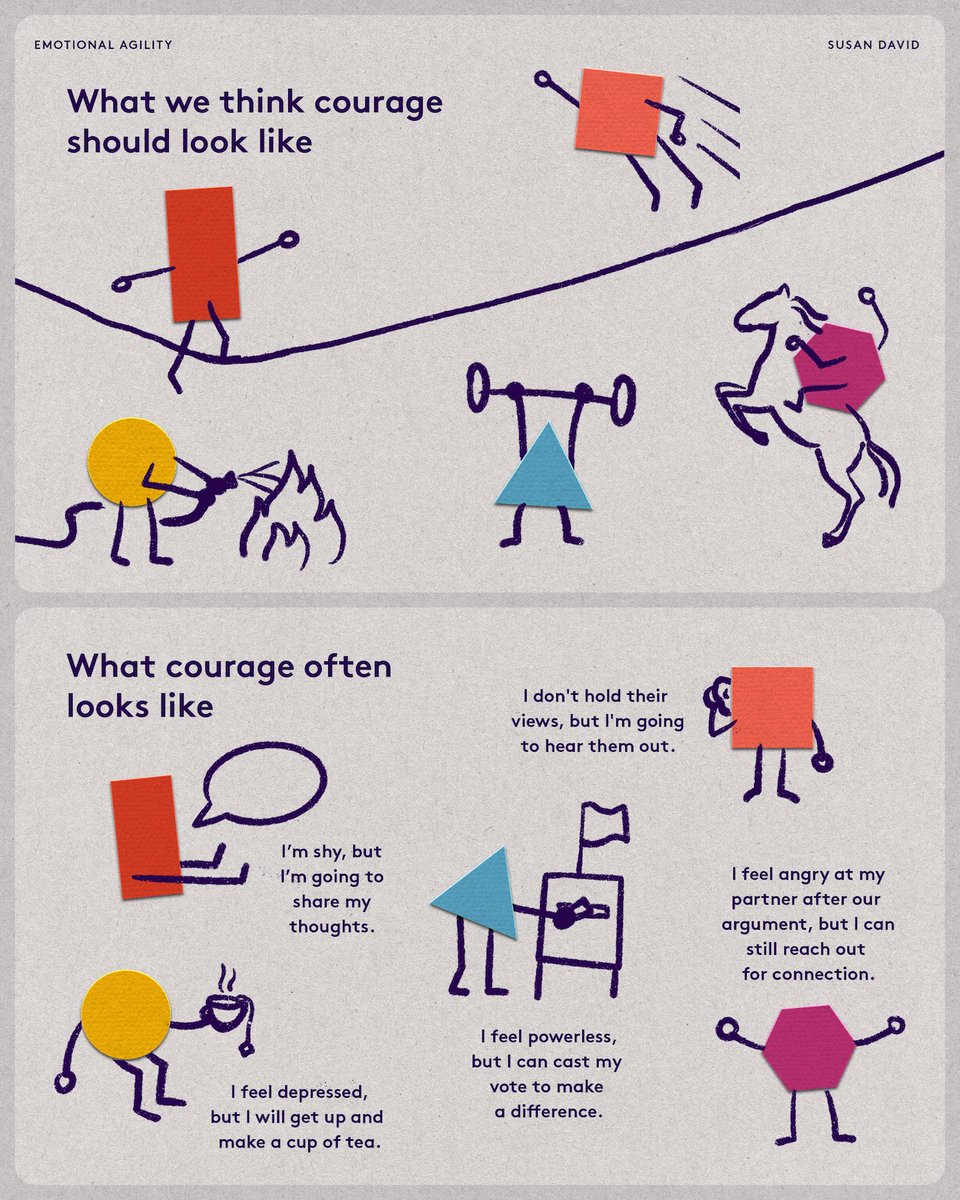
Think of how you may have shown courage recently or when you noticed others being brave. These moments can be celebrated. You dont have to wait for large milestones to recognize achievements. #physicianwellness
At its most powerful, courage is rarely loud. Mostly, it's a whisper: those moments every day when you do what matters.
What does courage look like for you today? I’d love to hear from you.
New blog post on our site by @sportingjim. Take a few minutes to read and reflect... it'll be worth your time!
https://t.co/NJNmdaExeE
#physicianwellness@MedEdMahan
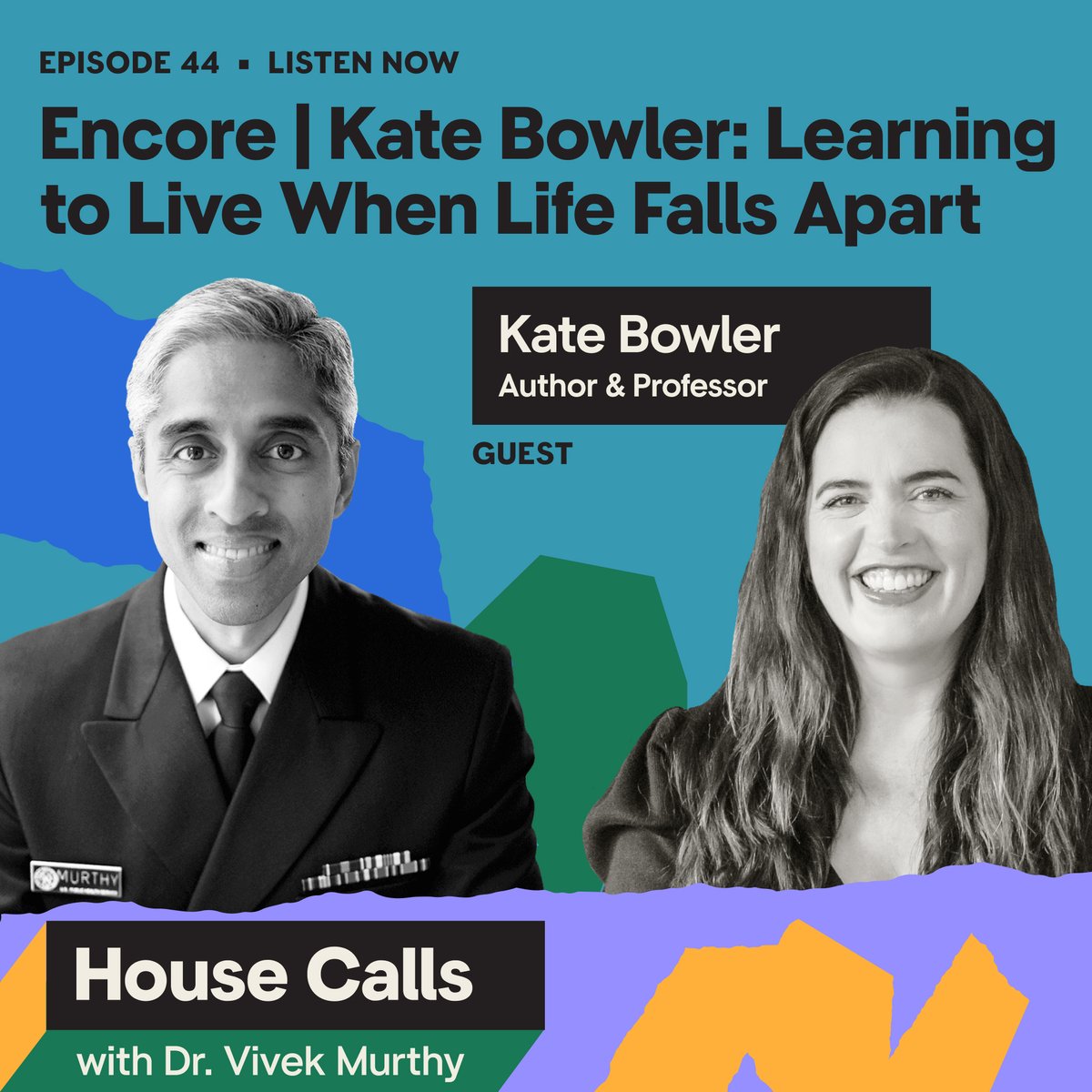
Such a lovely listen. A chat between two friends. Dr. Murthy expresses at one point, "We're not weak for relying on others. Interdependence is the nature of humanity and not some sign that we're not enough." #HealthWorkerWellBeing#physicianwellness@MedEdMahan @sportingjim
NEW: Why can it be so hard to ask for help? This encore episode of #HouseCallswithVivekMurthy with my friend @katecbowler is a reminder that leaning on others, especially in times of uncertainty, is a strength and not a weakness. https://t.co/lDI9cgLdm4
Terri Babineau, MD, talks about the extreme amount of stress the healthcare workforce faces and the way it affects them in our film.
Watch the full SafeHaven film here: https://t.co/W0gs8O6bCl
In this powerful @VirtueVocations article, KNN colleague Dr. Margaret Plews-Ogan and Dr. James Plews-Ogan shared lessons on seeking wisdom through adversity.
Read more: https://t.co/2FDP6ECn52 #WednesdayWisdom
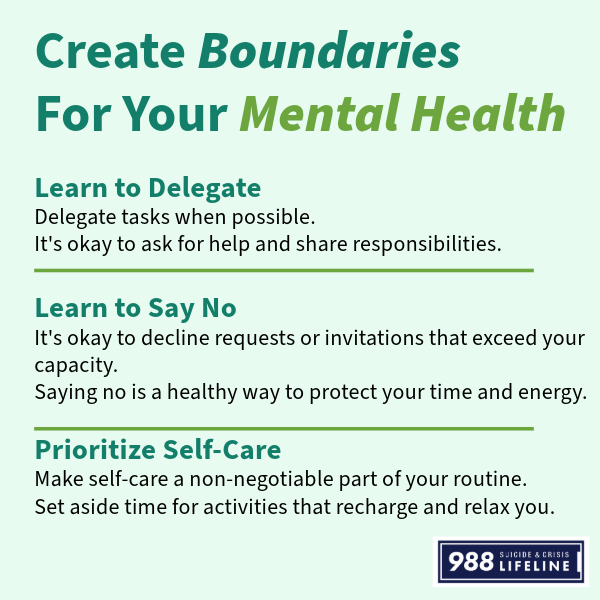
Creating boundaries for #MentalHealth is crucial for well-being and preventing burnout. Here are steps to establish and maintain healthy boundaries:
✅ Delegate
✅ Learn to say no
✅ Prioritize self-care
If you need emotional support, visit https://t.co/Tq7I6M0ePj #988Lifeline