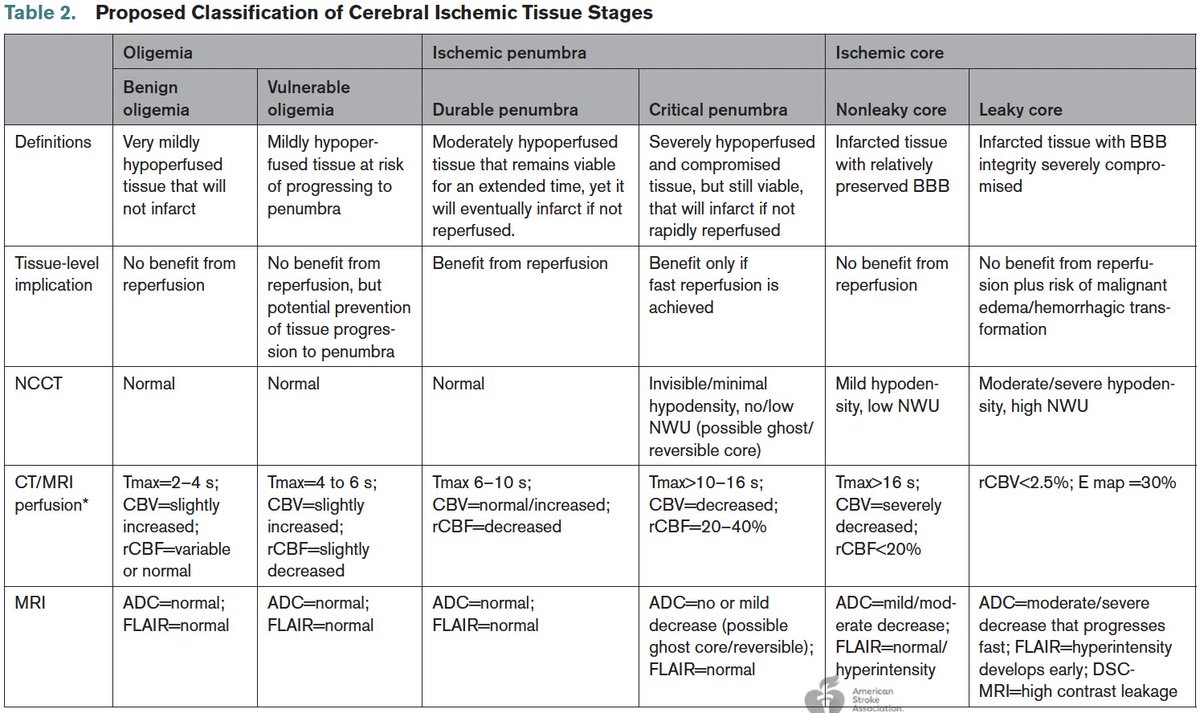
Thromboinflammation in Acute Stroke: From Pathophysiological Challenges to Emerging Therapeutic Opportunities | Stroke @StrokeAHA_ASA@AHAScience https://t.co/IDjWwnoZ24
🚨In the current landscape of mixed results from MeVO RCTs, we discuss how consideration of occlusion location, vessel size, and stroke severity can inform MeVO treatment decision-making in practice: https://t.co/Nl3EMKpZb0 @mayank_G0@rondalun1@johanna_ospel@SVINJournal
Device-Detected Atrial Fibrillation in Cryptogenic Stroke: Incidental or Causality?
In this #BloggingStroke post, Beatriz Sarno discusses #Stroke article by @ShadiYaghi2 et al. https://t.co/XZPpzBb21j
Consistent with prior data showing modest (variable) Lp(a) reduction with PCSK9i
Trend towards greater absolute risk reduction among elevated Lp(a) ppts, results more dramatic for MI:
#MondayTip#Early ticagrelor+aspirin after IV thrombolysis may improve 90-day excellent recovery in selected moderate AIS (NIHSS 4–10)
🚶♀️mRS 0–1 68.7% vs 62.0%
🩸sICH was rare, but CIs were wide.
☝️Defined phenotype, not broad adoption yet
#TAPIS
🔗https://t.co/OtcXjSKkFF
In this study led by @EkaBakradze1: 1 in 6 patients ultimately diagnosed w cervical artery dissection had a visit within 30 days for neurological symptoms but were not diagnosed at the time. As a reference, in aortic dissection it’s 1 in 3! @StrokeAHA_ASA https://t.co/z8u1zxnwMJ
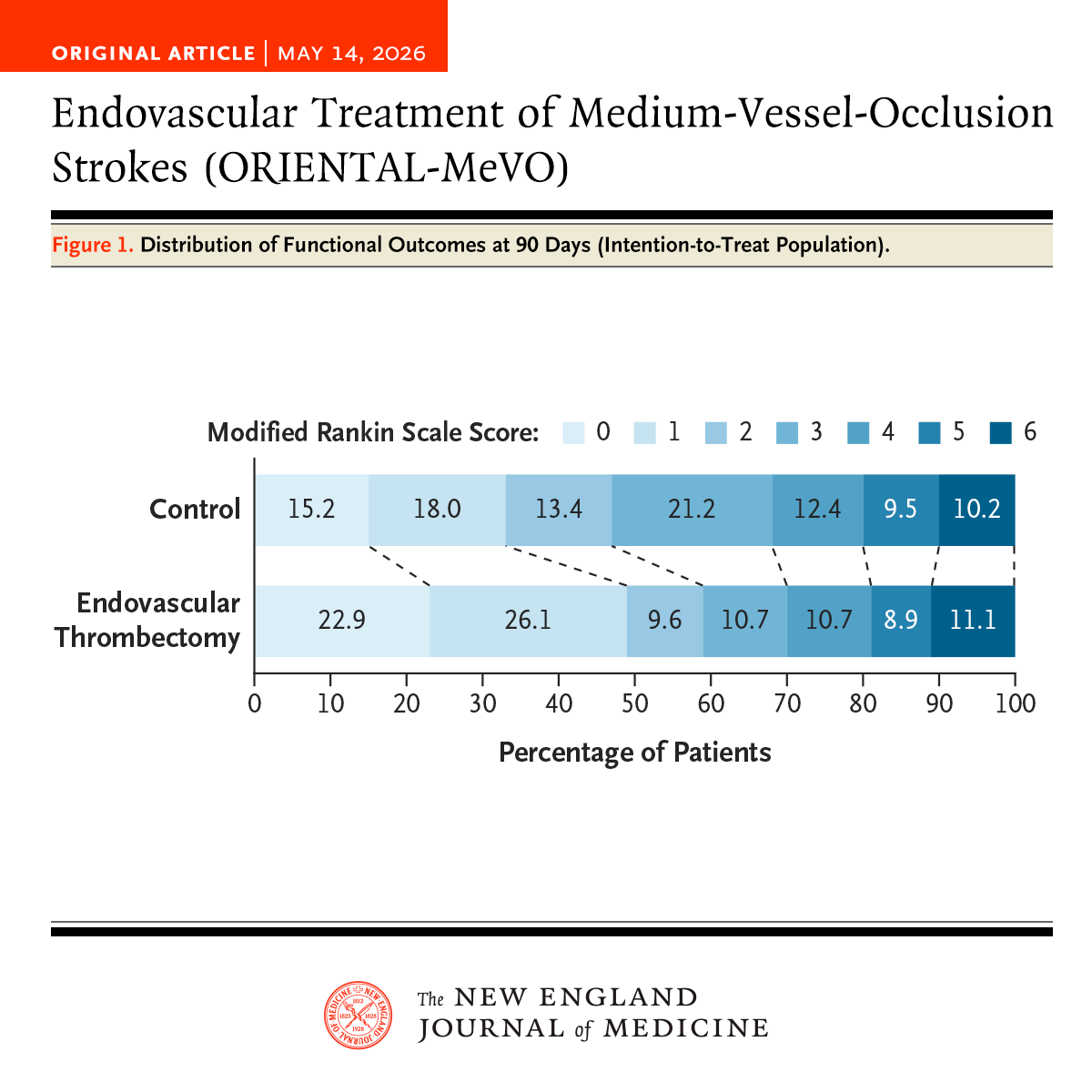
Among patients with stroke due to medium-vessel occlusion, thrombectomy led to functional independence at 90 days (in 58.6% of patients, vs. 46.6% with medical management) but also to a higher risk of intracranial hemorrhage. Full ORIENTAL-MeVO trial results: https://t.co/FvyLPQz4CV
Editorial: Endovascular Therapy for Medium-Vessel Occlusion Stroke — Narrowing the Target Population https://t.co/hnLi0DvzuF
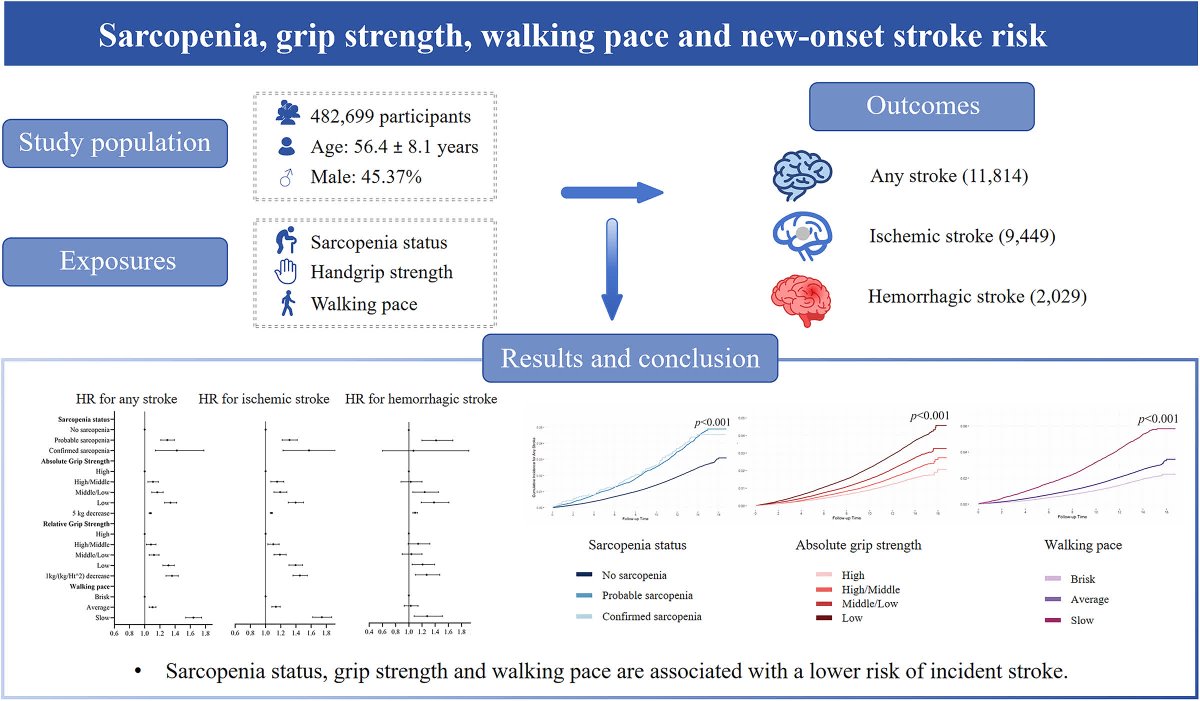
In an observational study derived from the UK Biobank, sarcopenia was associated with a higher risk of #stroke and higher mortality among those who suffered a subsequent stroke. https://t.co/6MxgGtJD9P
Cerebral amyloid angiopathy, caused by beta-amyloid deposition in brain blood vessels, leads to lobar cerebral hemorrhage, microbleeds, and white-matter lesions and contributes to cognitive decline.
Learn more in the Review Article “Cerebral Amyloid Angiopathy” by Steven M. Greenberg, MD, PhD, from Massachusetts General Hospital (@MassGeneralNews) and @harvardmed: https://t.co/dEMf0G2Nky
Read a clinical case of a patient with cerebral amyloid angiopathy: https://t.co/Q3Otm9lH9q
#STROKE: Simultaneous publication at #ESOC2026 🔴🔵: In RASUNOA-Prime prospective multicentric study, atherosclerosis represents a frequent comorbidity in patients with breakthrough strokes, which may contribute to their high risk of recurrence. https://t.co/Segn79VWJ4
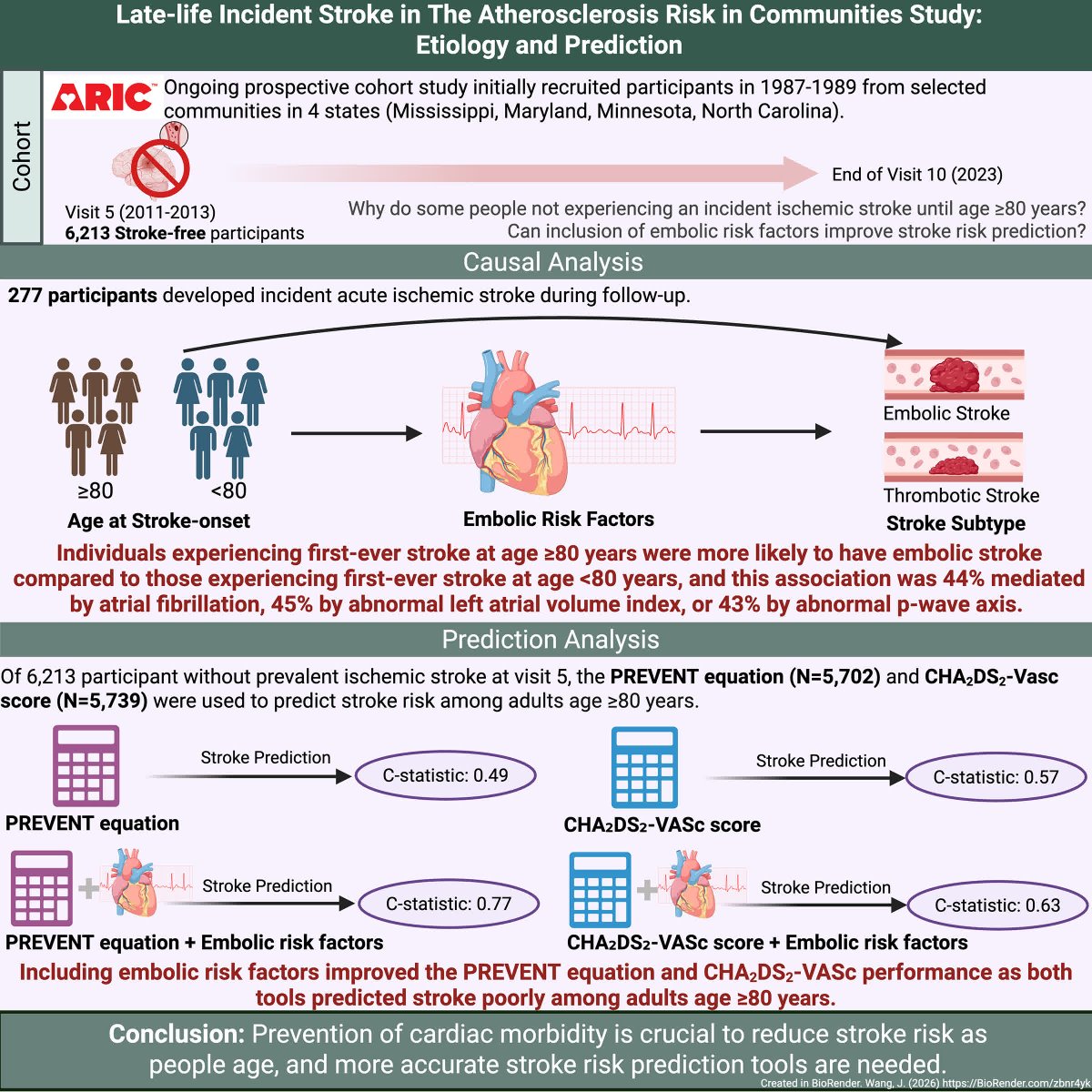
In adults ≥80 years, embolic ischemic #stroke is more common than thrombotic one, and this association is largely mediated by AFib and other cardiac factors. Adding embolic risk factors substantially improves stroke prediction. https://t.co/MNzCGREhbS
#Stroke Comments and Opinions by Howard et al. outlines key design attributes of the CREST-2 trial and how challenges were overcome. @JamesMeschia@ThomasBrott https://t.co/mdTSzWIst3