Code Poet and Ale aficionado. This account used to host cross-posts from the #fediverse until the API was closed down. Occasional visits to check on migration.
It appears my post last month about the temporary issues with some of the #twitter#apis was only jumping the gun by a few weeks. I guess cross-posting will stop by the end of next week: https://t.co/T2FRhEL2HE
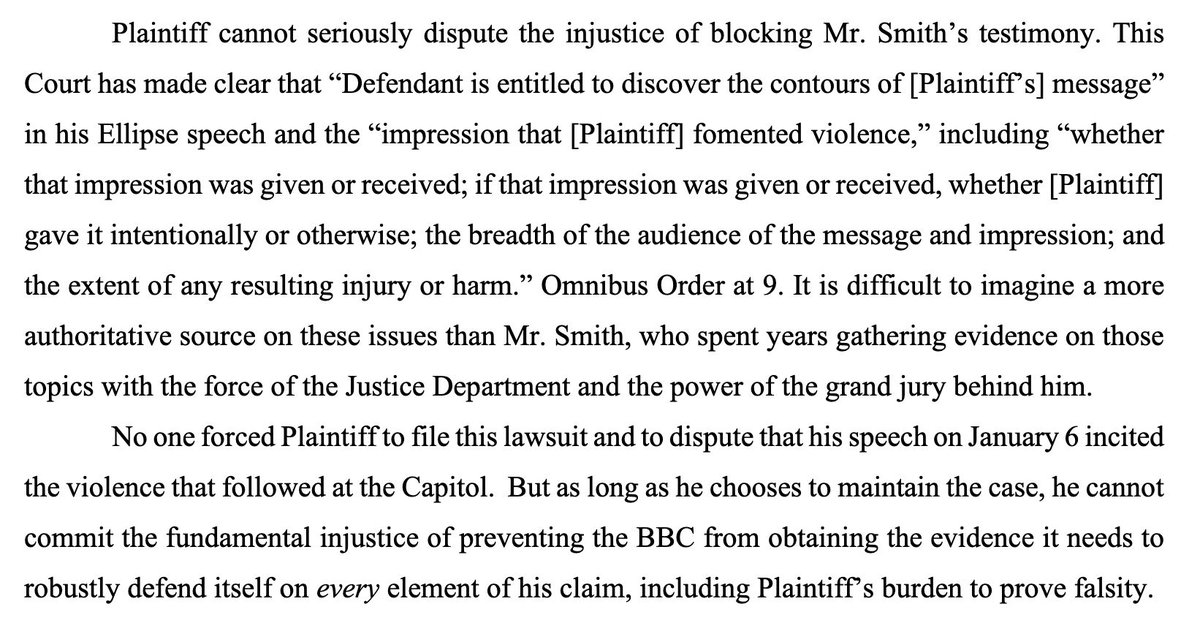
Donald Trump canceled his scheduled Oct. 16 deposition in his lawsuit against the BBC because of "matters of national importance."
The BBC alerts the judge that those matters were: a rally in Dalton, Ga. and a fundraiser at Mar-a-Lago.
BREAKING
The BBC subpoenaed Jack Smith for a deposition to defend itself against Trump's defamation lawsuit.
Smith didn't object to the subpoena.
Team Trump opposes. https://t.co/J6bVM2Yobn
I've decided to leave this platform and my Department will too.
A platform originally designed for free speech and expression now favours abuse and misinformation over meaningful debate.
It isn't healthy for our democracy or our communities and I don’t want to support it.
@Para_de_Aba@osec_io I don't think this technically counts as a 0-day because its targeting a non-released commit in the master branch. As the report says the fixes went in the same week and have been backported to 10.2.2. I don't have a glibc-2.43 system to test against though.
@lauriewired I think Catalin's response is the key one: https://t.co/xoZbK19JQK - "Its just TSO" elides a lot of potential complexity even though us QEMU developers would love it for x86 emulation.
Whilst The Black and White Minstrel Show and It Ain't Half Hot Mum are clearly racist by modern standards: I dont think even back in the 70s it was ever acceptable to praise Hitler, mock gas chambers, or hurl racist abuse.
Farage's press conference yesterday smacked of desperation. What a horrid little turd this man is.
The Emulation and Virtualisation team attended the #KVMForum last week, here’s your chance to re-watch the QEMU keynote presented by Alex Benne.
👉 Find it more here: https://t.co/1KP1Sf6O7G.
Robin Williams would’ve turned 74 today
This thread will brighten up your day 🧵
1. His improvised scene in Good Will Hunting made the cameraman laugh so hard the camera started shaking. Matt Damon's reaction is authentic.
🎙️PODCAST ALERT: Linaro's #virtualization expert Alex Bennée recently featured on the #OpenSource Way podcast where he talked about the emulator project #QEMU and how it helps the open source #software ecosystem. Check out the podcast here 👉 https://t.co/WCowLF8AOR
If your snooping in my feed to see why I'm unfollowing people its just book keeping so I can keep track of who has migrated to the #fediverse and who's still to go. It's not like I'm reading anyone here anyway.
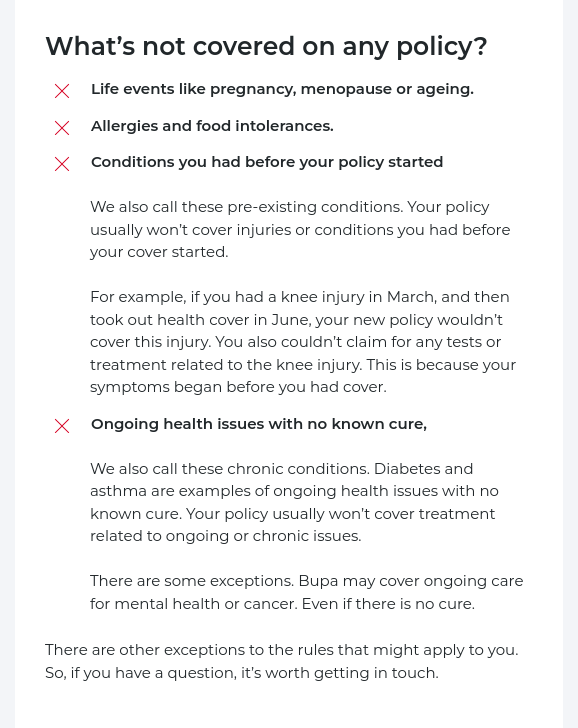
@OllieBailey22 @CenGinLondon@markofagenius See their "comprehensive" page - e.g. excludes Diabetes (NHS spend £10 billion pa on that). The pricing also reflects we have the NHS in the country. If you keel over with a heart attack it won't be BUPA whisking you to a cardiac unit. Did you add the optional cancer cover?
I was able to automate a little with: https://t.co/F06V5k9rOf although the detection isn't perfect so you probably want to skim through and follow manually rather automatically following all. A lot of handle clashes and a lot of placeholder accounts.
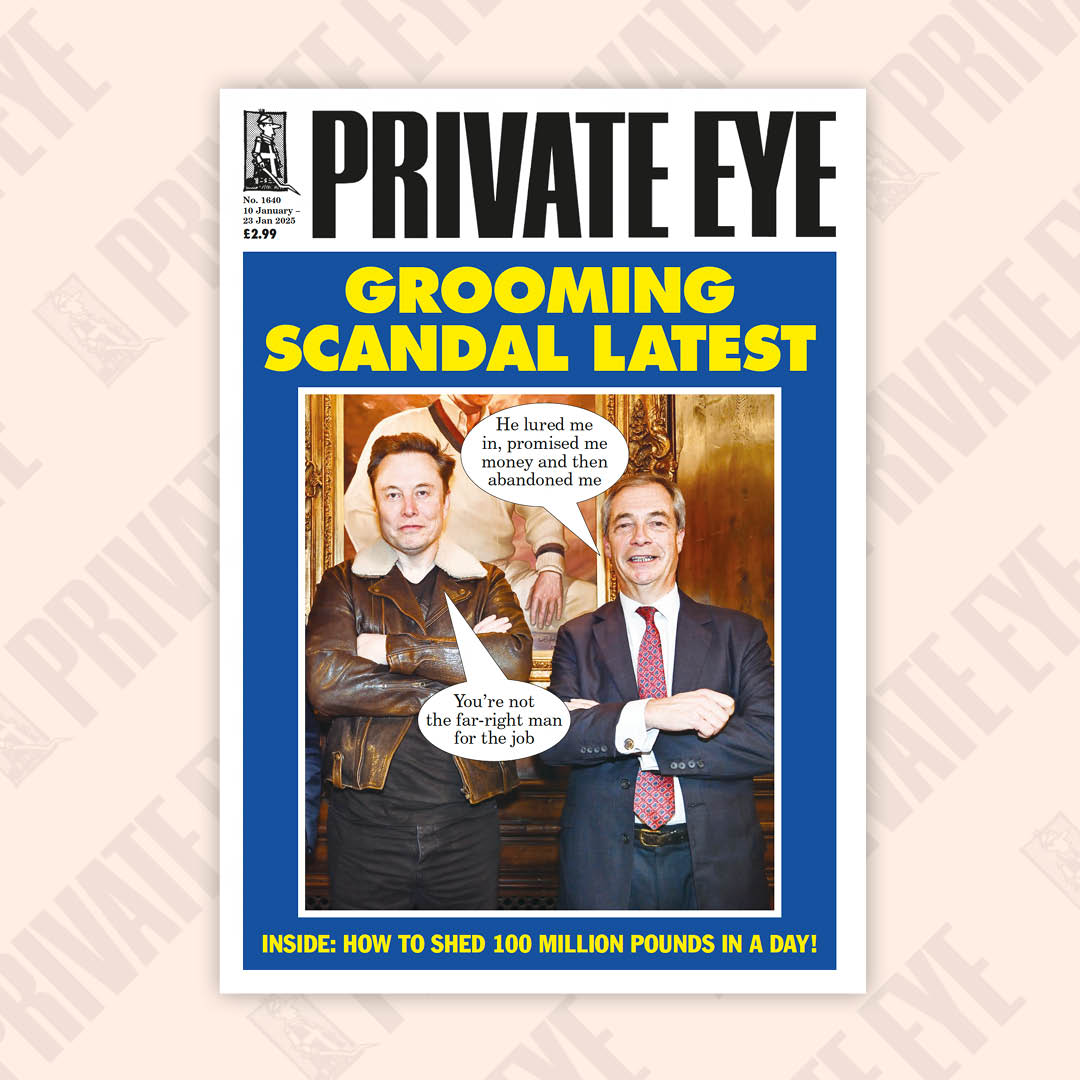
Among those currying favour with Elon Musk, it has become an article of faith that the “mainstream media” ignored the UK’s grooming gangs scandal until the brave truth-tellers of X uncovered it, er, last week.
Give over. Feminist writer Julie Bindel first wrote about the disappearance of Charlene Downes in 2004, a year after the Blackpool teenager went missing. And if anyone deserves credit for bringing this story to wider attention, it’s Andrew Norfolk of the Times, who doggedly reported on cases across the north of England, starting in 2011, despite legal pressure and accusations of racism. He won Private Eye’s Paul Foot Award for investigative journalism in 2012, with the citation pointing out at the time — almost thirteen years ago — that his work “has prompted two government-ordered inquiries, a parliamentary inquiry and a new national action plan on child sexual exploitation”. Norfolk then bagged the Orwell Prize for Journalism in 2013.
Subsequent cases, including those in Rotherham, Telford, Huddersfield, Oxford and Oldham, also received widespread coverage. The news even made it to America, with the liberal New York Times running typically ponderous headlines like “Life in an English Town Where Abuse Flourished” and “Indifference to Child Rape” in 2014. That year, columnist Ross Douthat wrote that “what happened in Rotherham was rooted both in left-wing multiculturalism and in much more old-fashioned prejudices about race and sex and class”.
Full story in the new Private Eye, out now.
Elon Musk has had a lot to say about the grooming gangs scandal. We looked at 24 hours on Musk's X timeline and found a range of false and misleading information being amplified. Produced by Catherine Karelli, Shayan Sardarizadeh and Jake Horton. Graphics by Jacqueline Galvin.