What is Empty Can Test?
Jobe and Moynes originally described the Empty Can Test (ECT). Therefore, it is also known as the Jobe’s test.
To read more visit - https://t.co/IeXvPEgmq7
The diaphragm is responsible for 70–80 percent of all respiratory movement. It contracts on the inhalation and relaxes on the exhalation.
On inhalation, the diaphragm fibers shorten and draw toward the boomerang-shaped central tendon directly below the heart.
Upper chest breathing is commonly referred to as paradoxical breathing, but this pattern is somewhat different.
Upper chest breathers generally contract the abdominal muscles to lift and expand the upper chest during inhalation.
#upper#chest#breathing#paradoxical#pattern
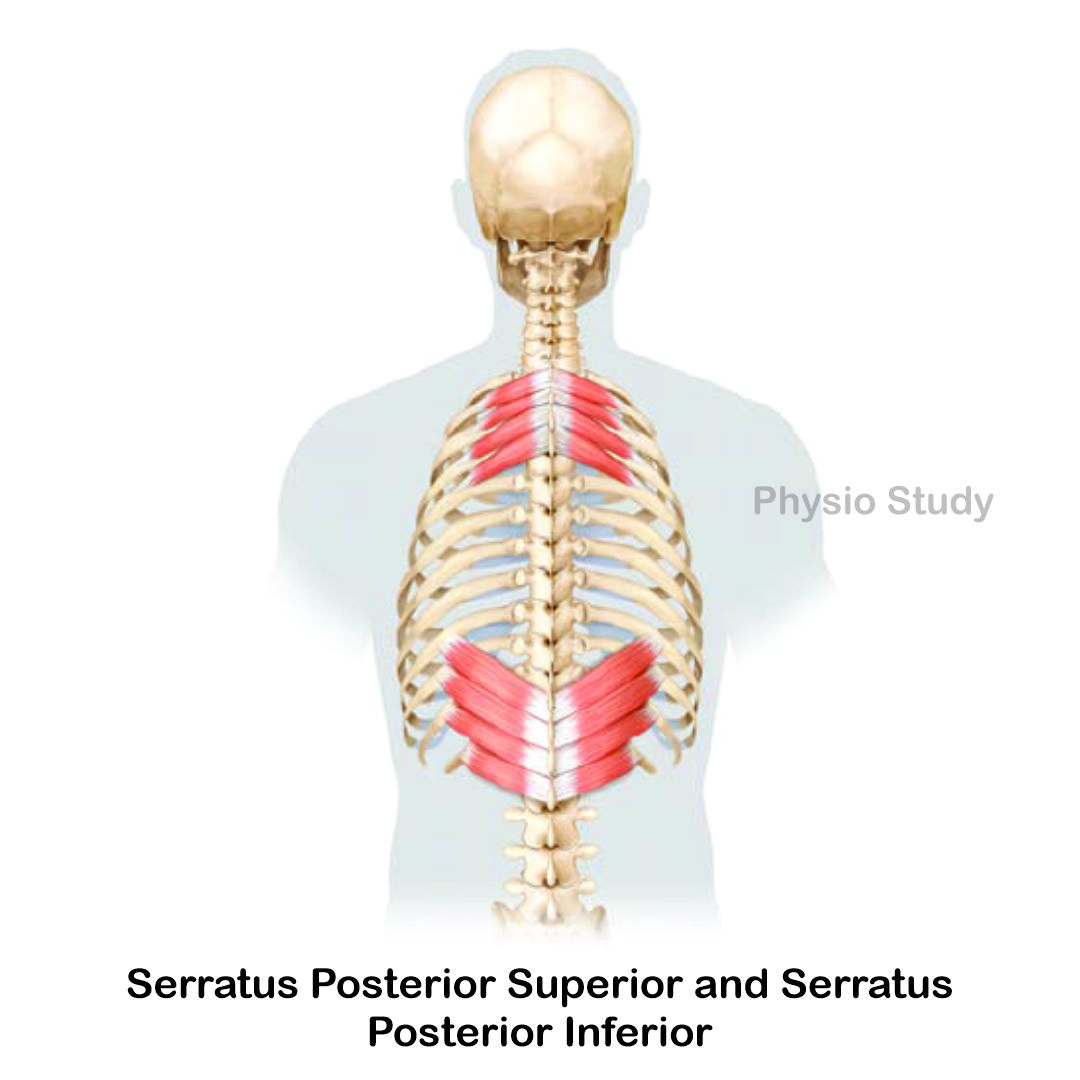
The serratus posterior superior and serratus posterior inferior are small muscles along the spine that assist respiration.
These two muscles cross the erector spinae muscles like strapping tape, anchoring the erectors to the rib cage.
The lungs lack any direct mechanism for drawing air into the body.
They rely entirely on the respiratory muscles for this crucial function.
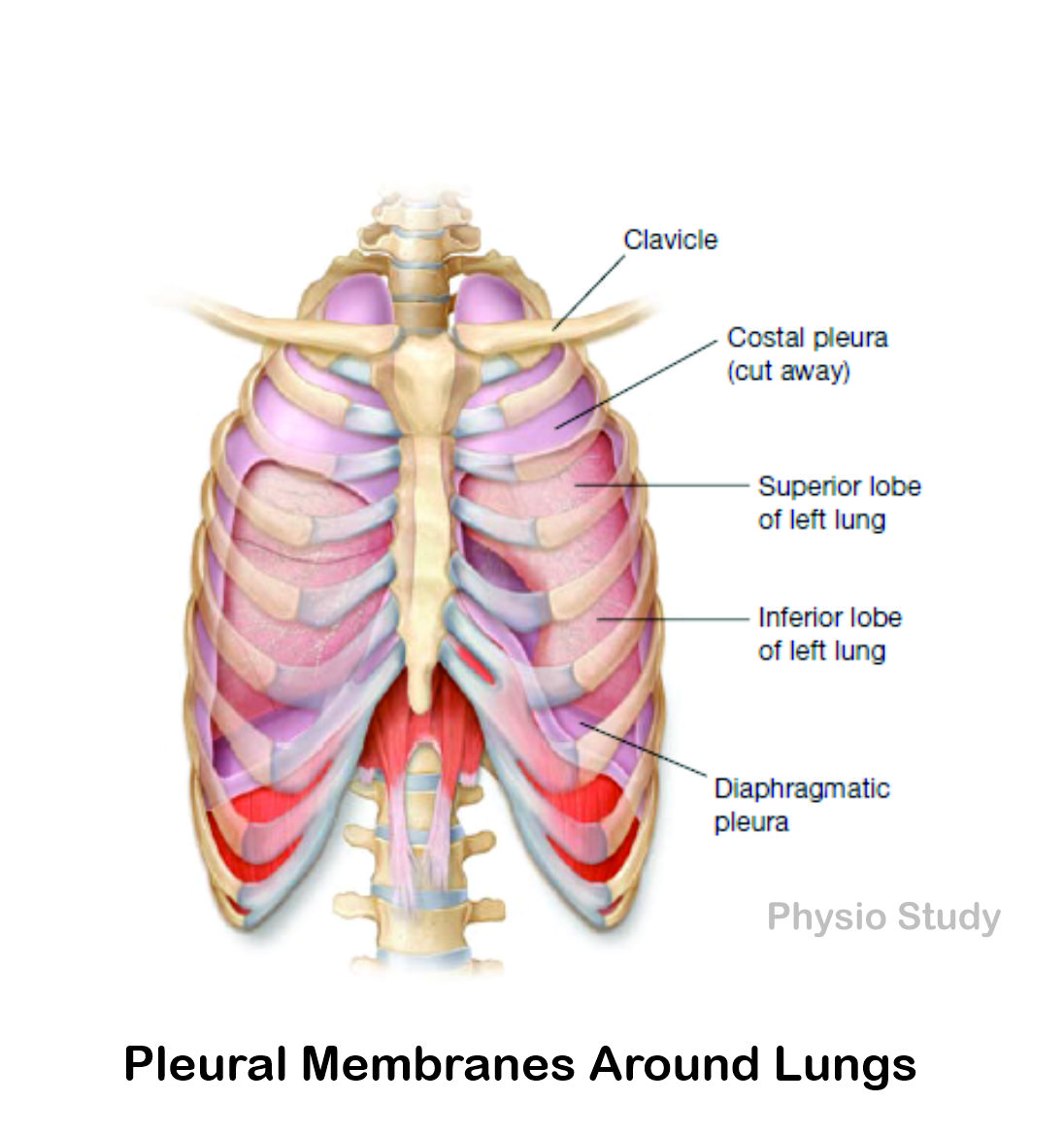
Both lungs are encased in a double-layered pleural sac made up of serous tissues that secretes a serous fluid.
#lungs#direct#mechanism
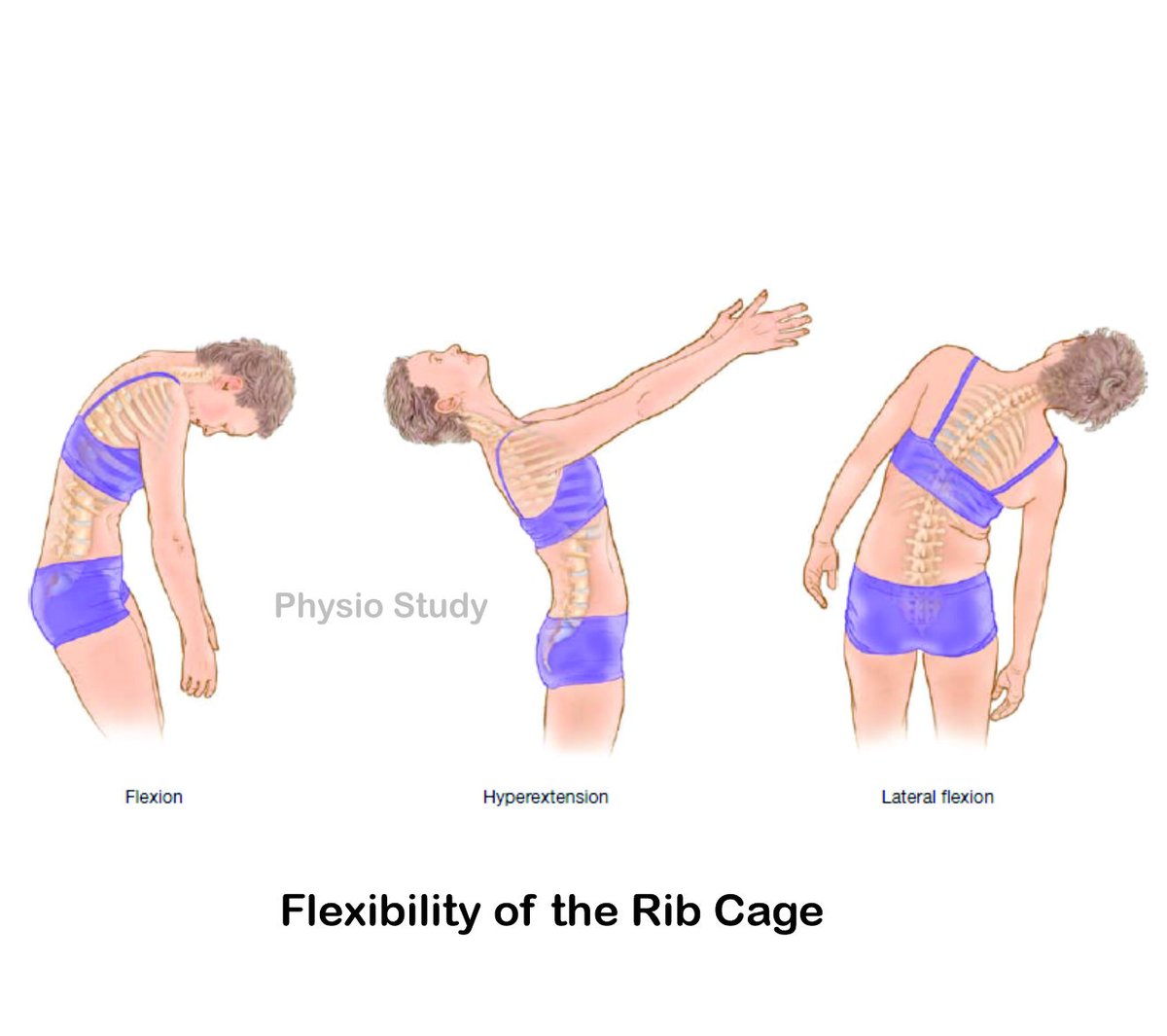
Although not true anatomical joints, the intercostal spaces between each pair of ribs serve as functional joints.
The mobility of the intercostal spaces is important for the full expansion of the rib cage during deep breathing and a full range of spinal movement.
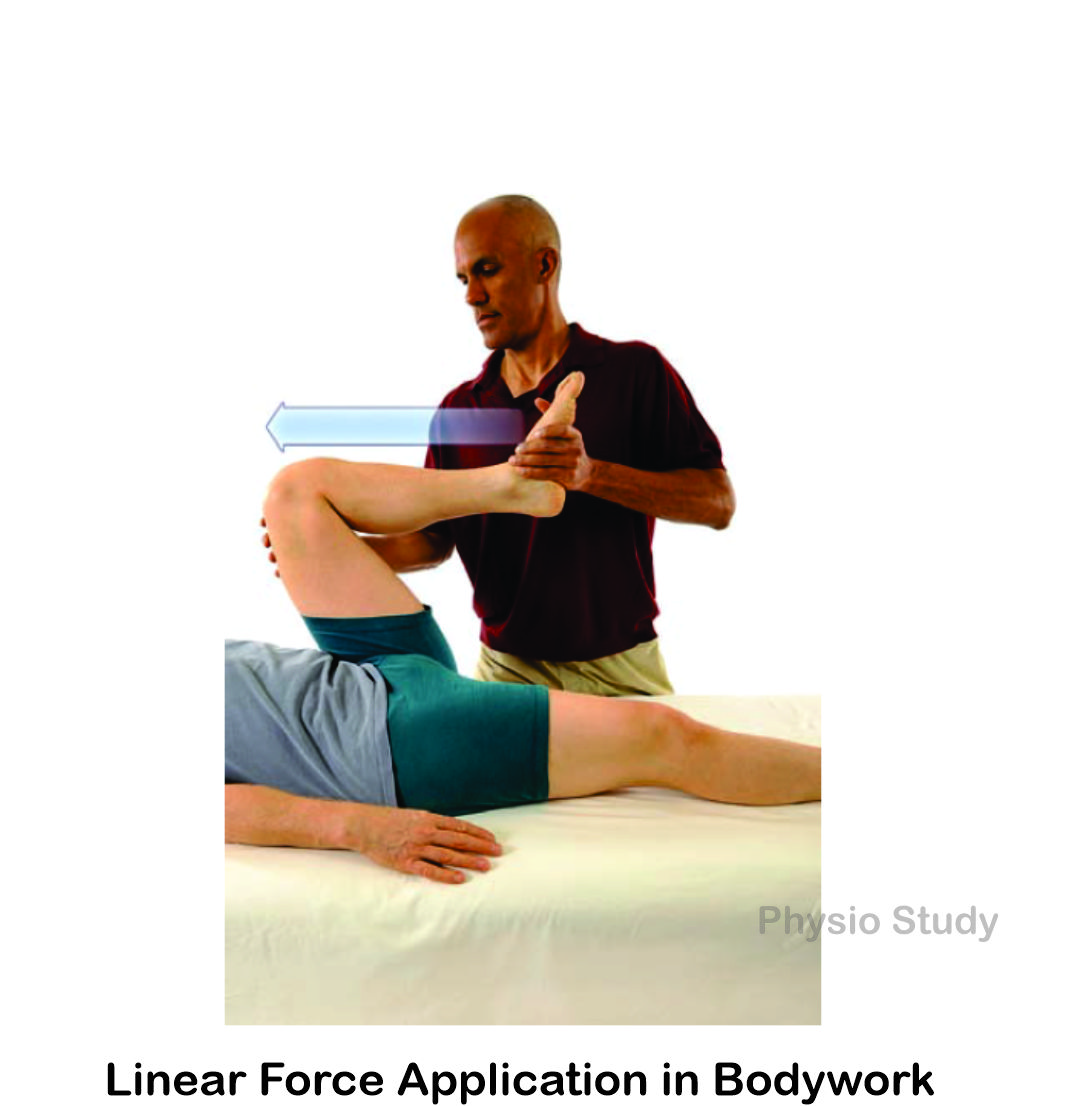
Forces always come in pairs.
As the law of action and reaction dictates, a force is always met by a counterforce of equal magnitude.
A force can be applied toward or away from a body or an object, from a push or a pull generated either inside or outside of the body.
The bony pelvis structure resembles the braced arch that originated in Roman architecture.
In a braced arch, two vertical columns buttress against two diagonal blocks, which in turn hold up a keystone that is wedged in the center.
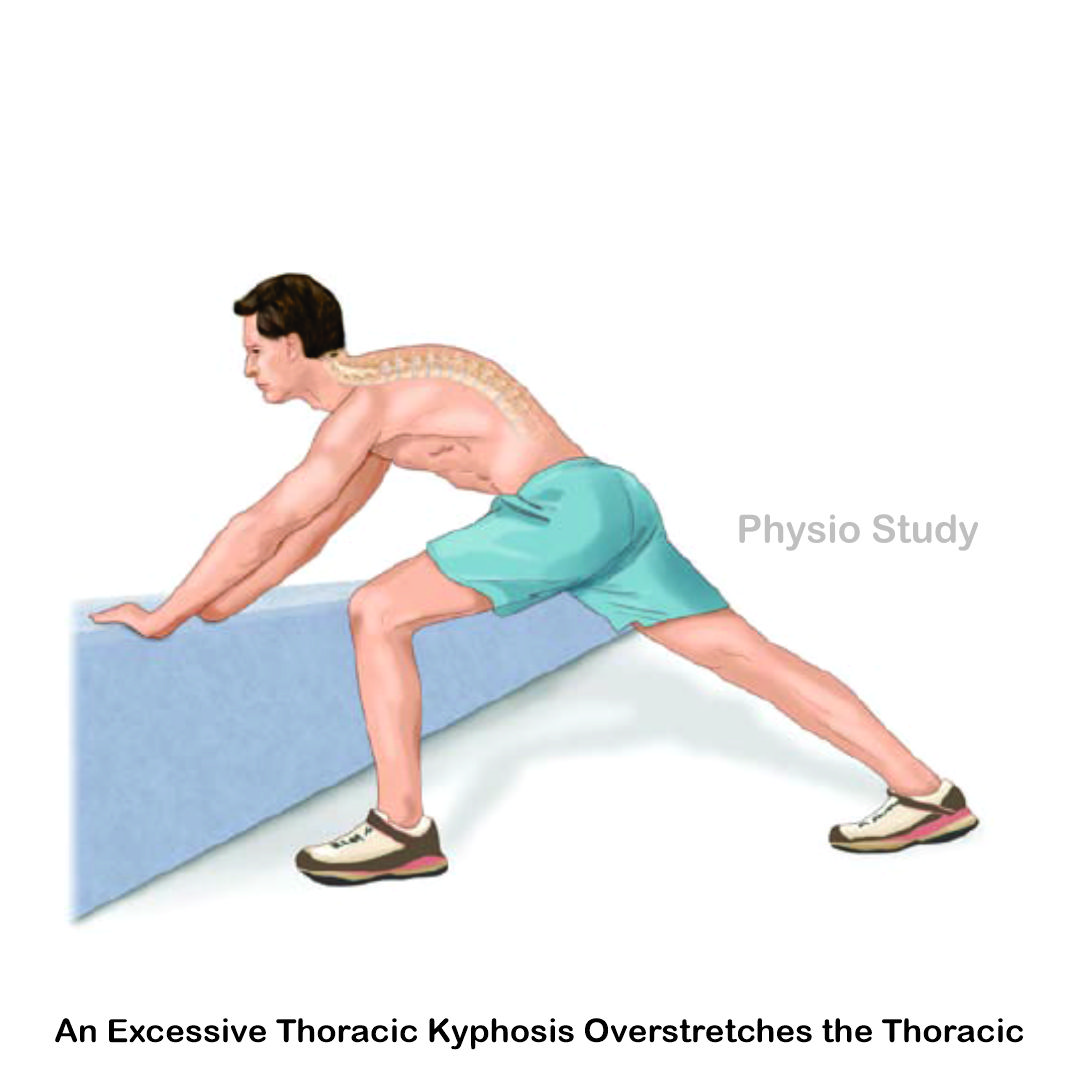
Bending stresses are the most damaging to the spine because the upper part of the bent area loses it base of support.
When the spinal ligaments become too weak to hold the vertebrae together, the muscles have to work harder to provide support.
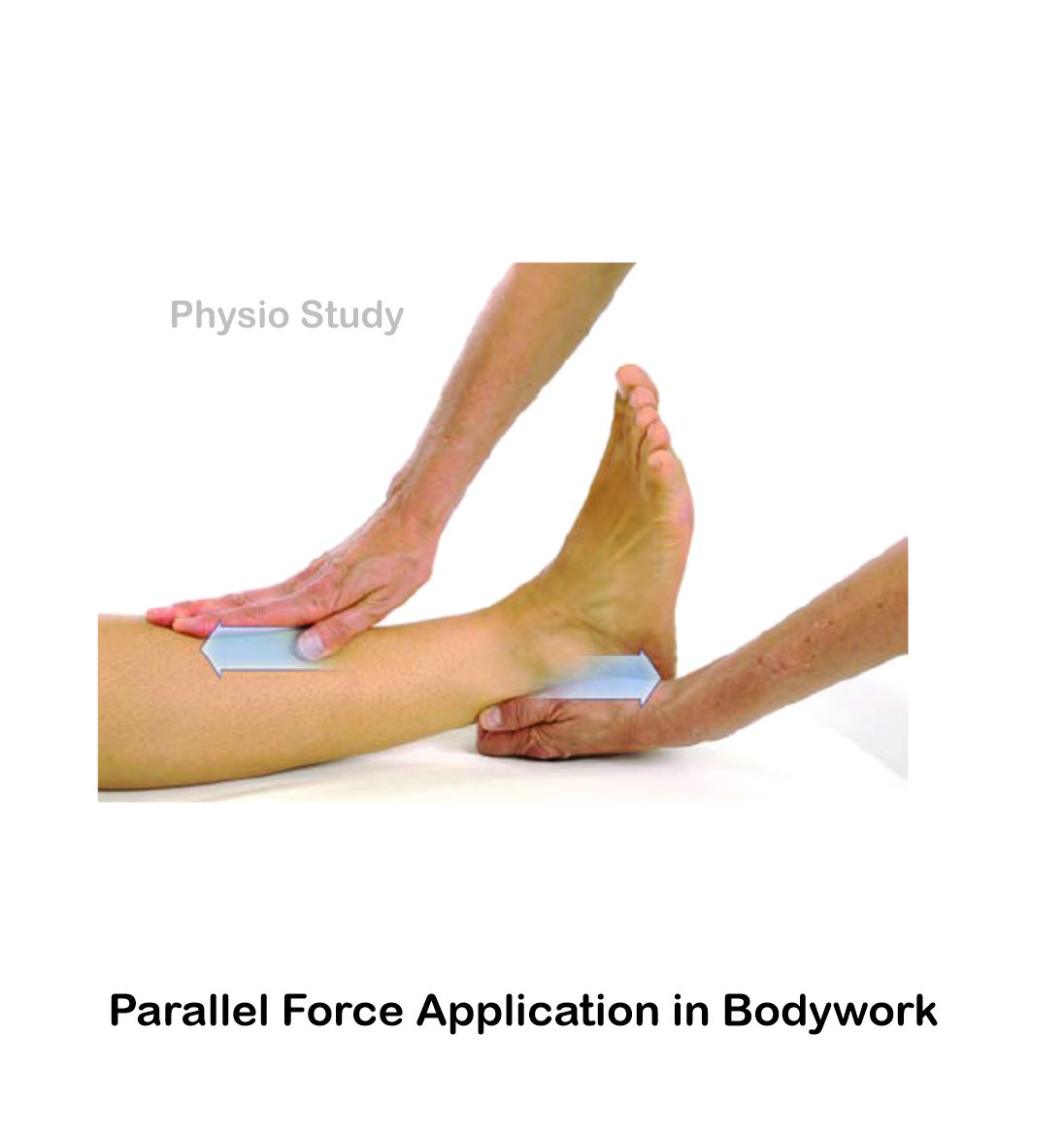
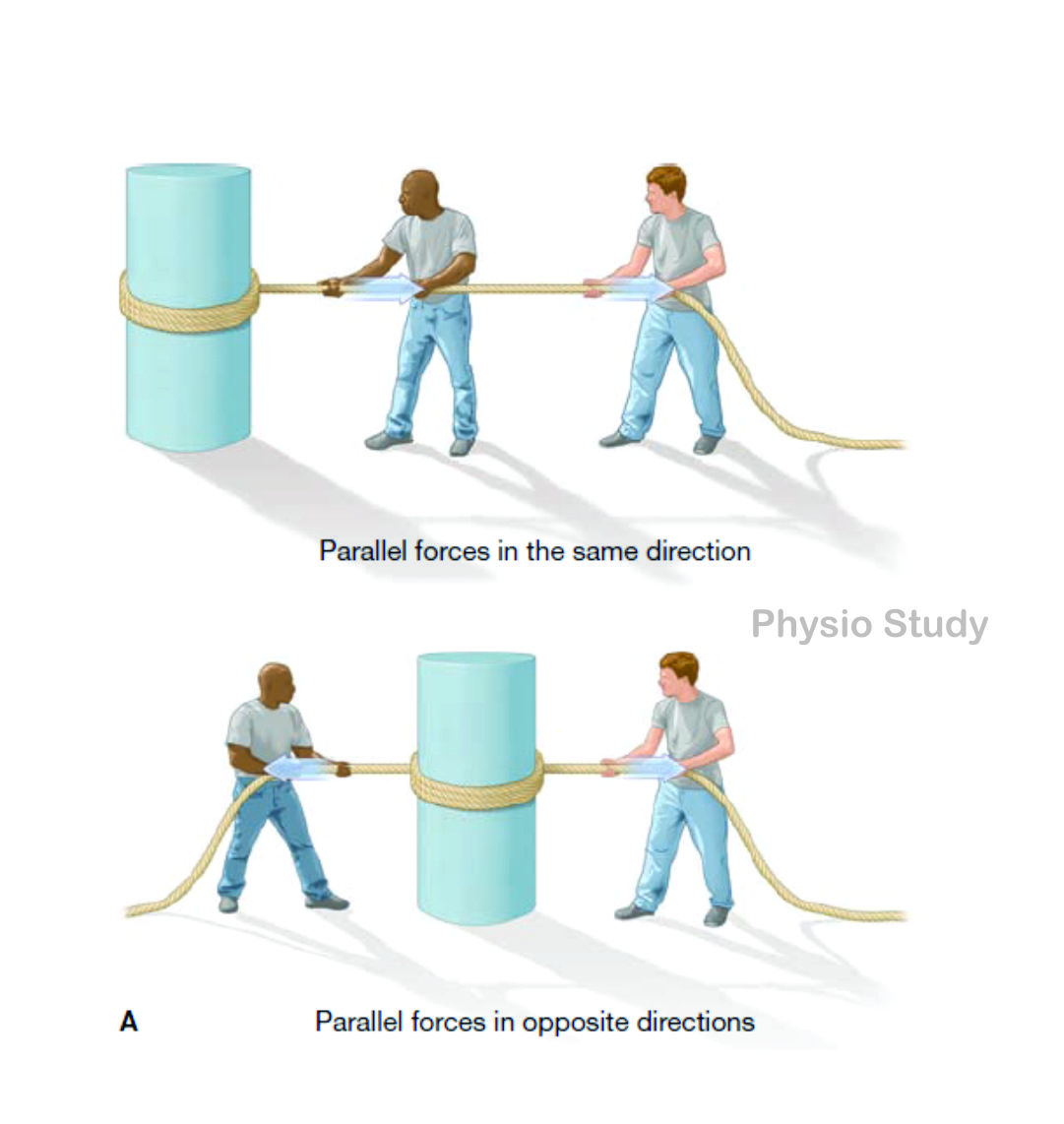
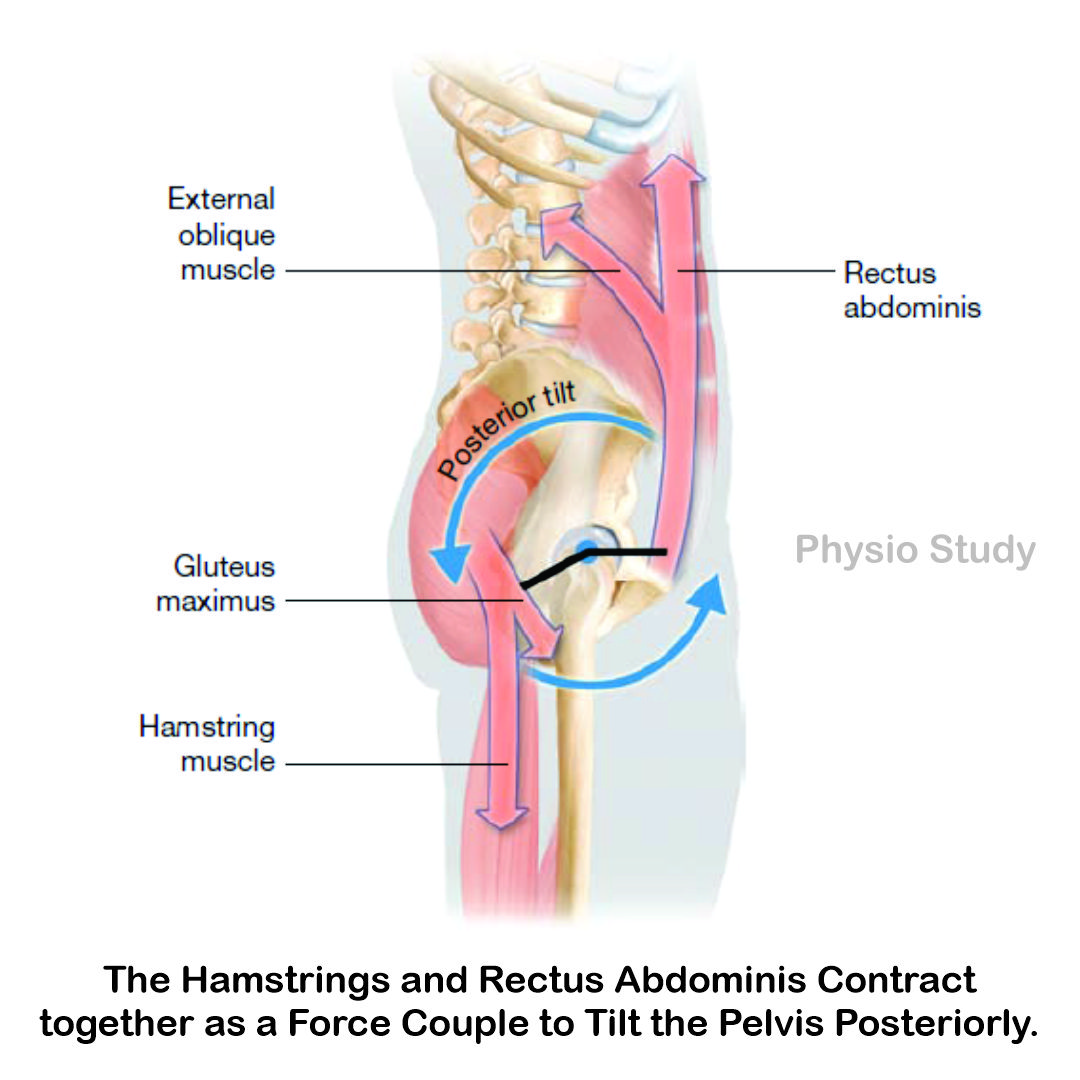
A force couple occurs when two parallel forces act simultaneously in opposite directions to produce motion.
Like two hands pulling in opposite directions to turn a wheel, muscles contracting together as a force couple always produce torque.
A muscle can only contract so far. When a muscle reaches maximum contraction and has shortened as much as it can, the tendons of the muscle begin to stretch.