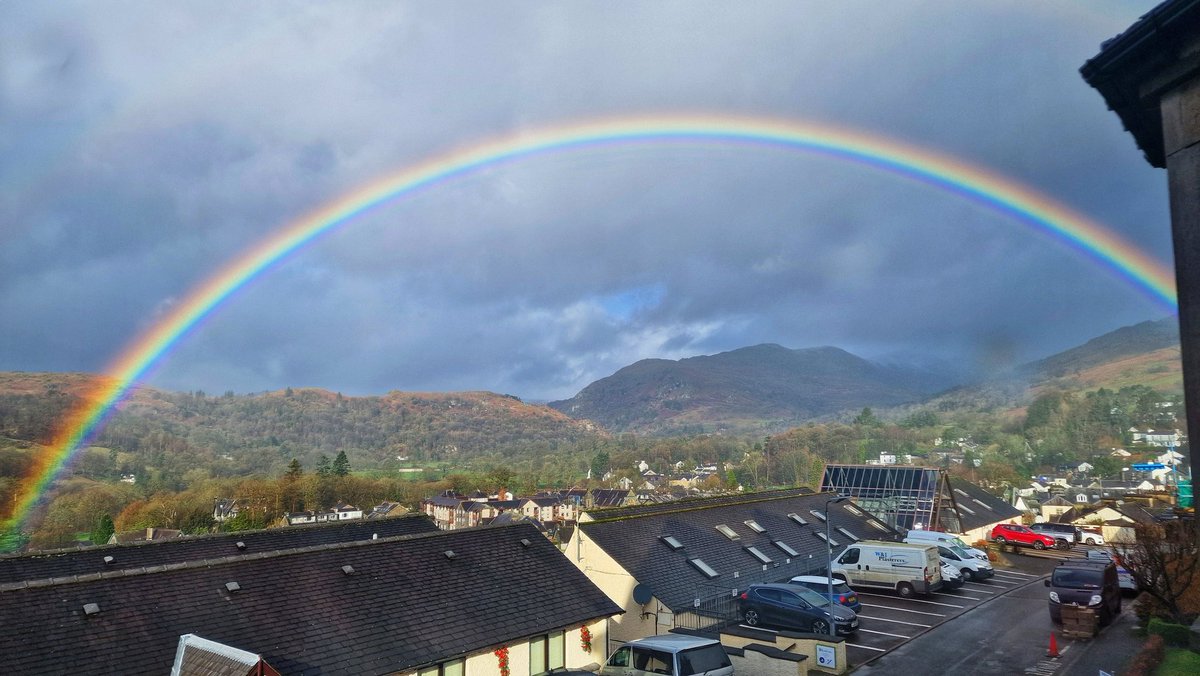
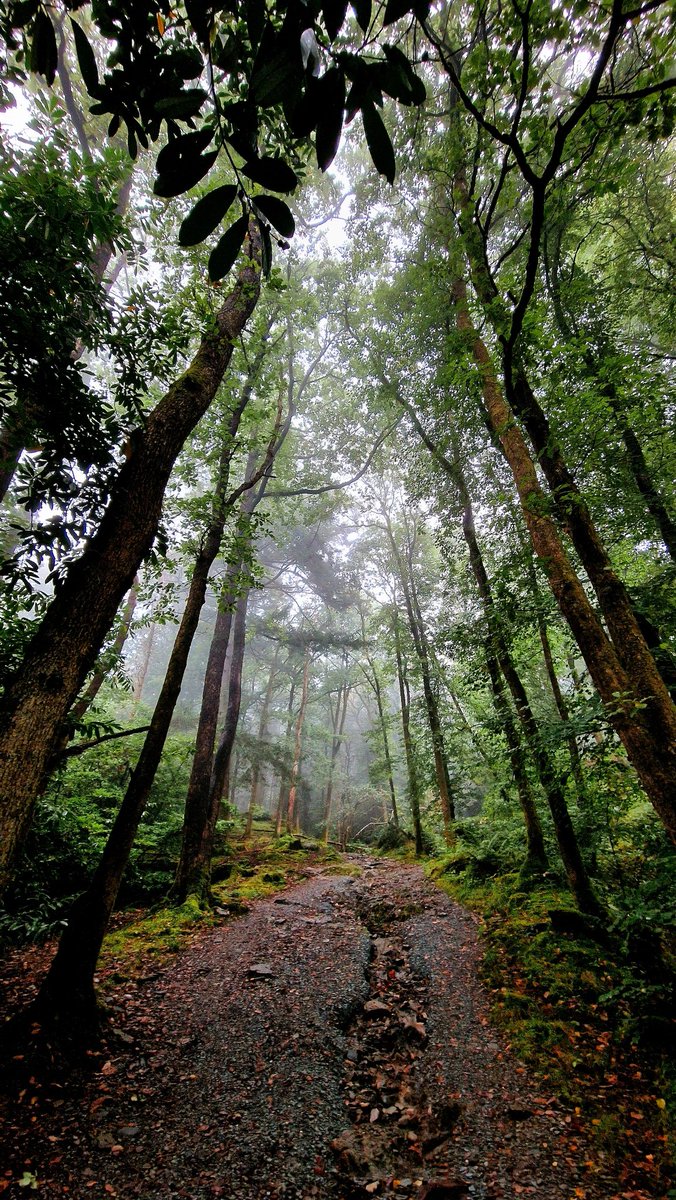
🌟 Hey Cumbria Explorers! I'm working on a #PhD project and really need your help. If you've visited #Cumbria, I'd be super grateful to hear your experiences. Please DM me your email if you're up for a chat. Forever grateful! 🙏🏻 #PhDResearch#LakeDistrict#phdchat
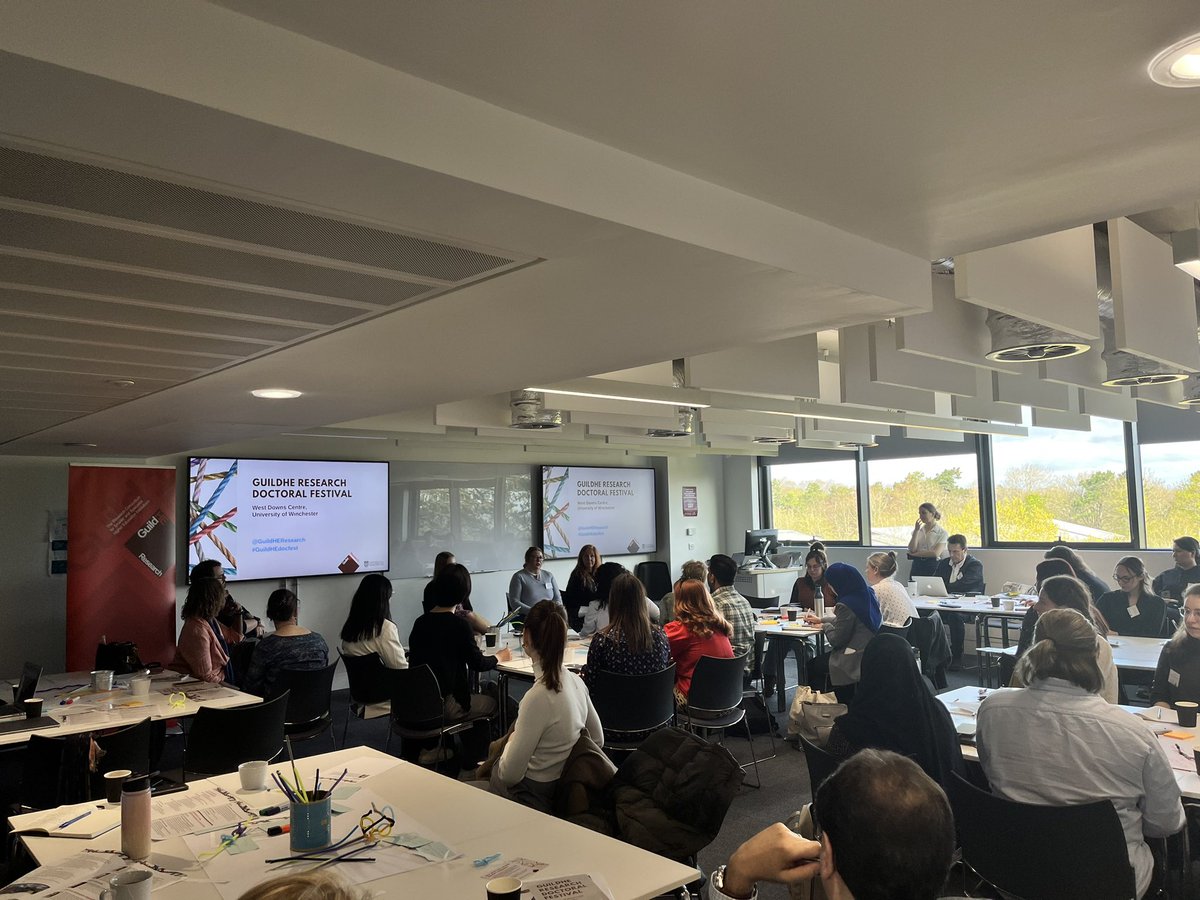
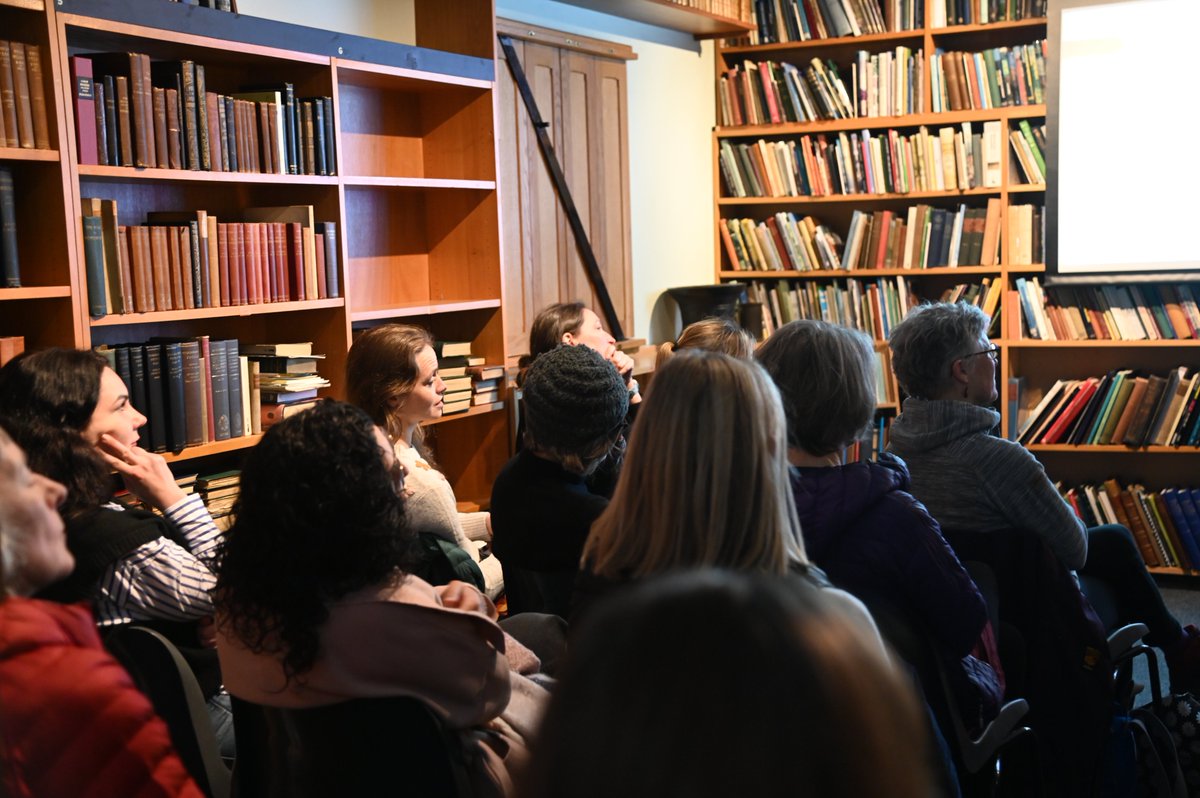
Researcher roundtables are really lively this morning as our participants discuss the current challenges and opportunities they’re finding in their research journeys
#GuildHEdocfest@_UoW
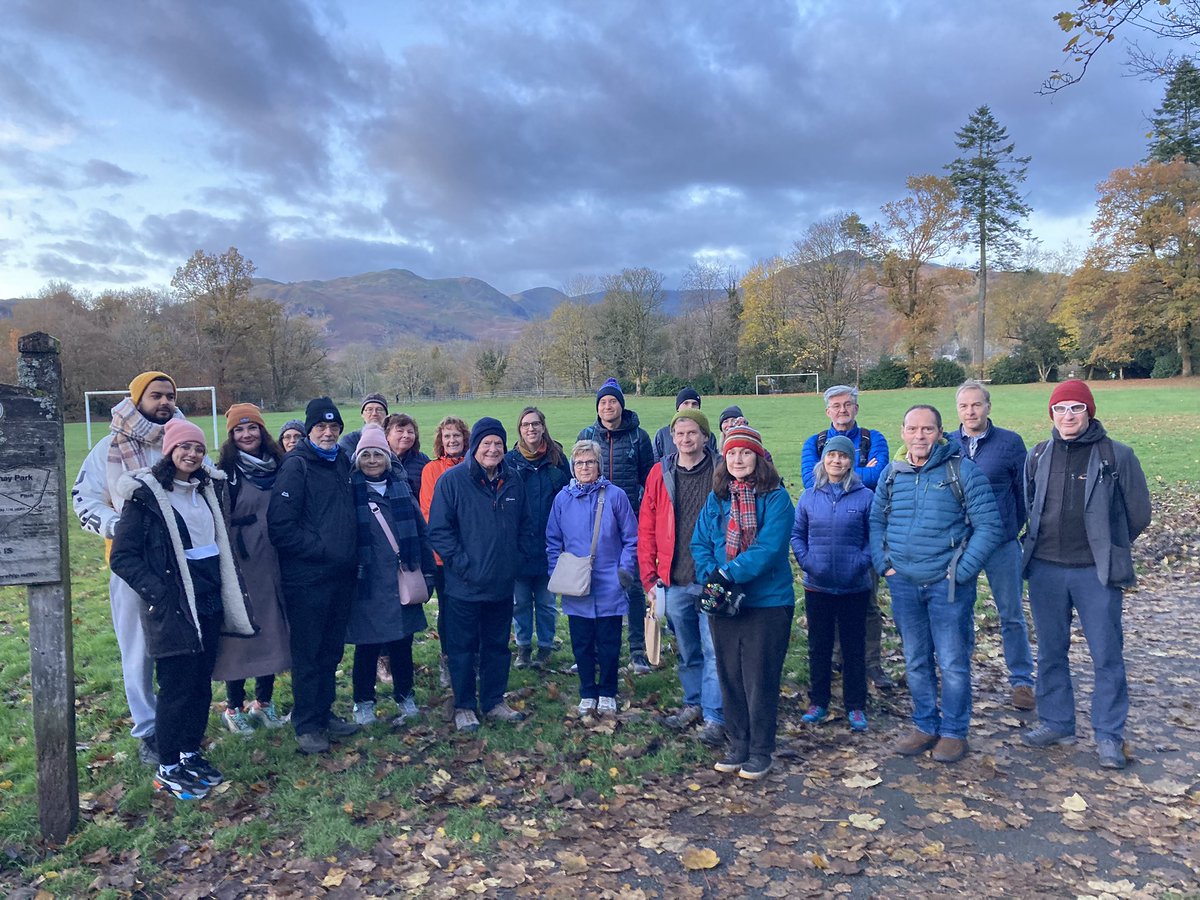
Many thanks to @kerriandrewsuk for her #RunningIntFells talk last night on women walkers through history, it was truly inspiring for this years' #InternationalWomensMonth 🚶♀️
Everyone who came went away with new appreciation for pioneering women and the beauty of the outdoors 🥾🌿
🌟 Hello Cumbria Explorers! I'm working on a #PhD project and would love to chat with anyone who's visited #Cumbria. Your insights would be incredibly valuable. If you're interested in sharing your experience, please DM me your email. Thanks a bunch! 🙏🏻 #LakeDistrict#research
📢 Calling All Cumbria Explorers! Dive into a Research Adventure with Your Insights! 🌟 Share your preferences in a quick survey: https://t.co/MEmIDzuQWT. Make sure you leave your contact details at the end for a VIP Talk—Let's Make Your Stories Shine!🎙
#Cumbria#LakeDistrict
📢 Calling All Cumbria Explorers! 🌄
Looking for interview participants! Dive into a research adventure with your insights 👉 https://t.co/MEmIDzuQWT
Make sure you leave your contact details at the end for a VIP Talk -Let's Make Your Stories Shine! #Cumbria#LakeDistrict
📢 Calling All Cumbria Explorers! 🌄
Looking for interview participants! Dive into a research adventure with your insights 👉 https://t.co/MEmIDzuQWT
Make sure you leave your contact details at the end for a VIP Talk -Let's Make Your Stories Shine! #Cumbria#LakeDistrict
📢 Calling All Cumbria Explorers! 🌄 Dive into a Research Adventure with Your Insights! 🌟 Share your preferences in a quick survey: https://t.co/MEmIDzuQWT. Make sure you leave your contact details at the end for a VIP Talk -Let's Make Your Stories Shine!
#Cumbria#LakeDistrict
Calling All Cumbria Explorers! 🌄 Dive into a Research Adventure with Your Insights! 🌟 Share your preferences in a quick survey: https://t.co/MEmIDzuQWT
And leave your contact details at the end for a chat—Let's Make Your Stories Shine! 🎙️ #Cumbria#TourismResearch@PhDVoice
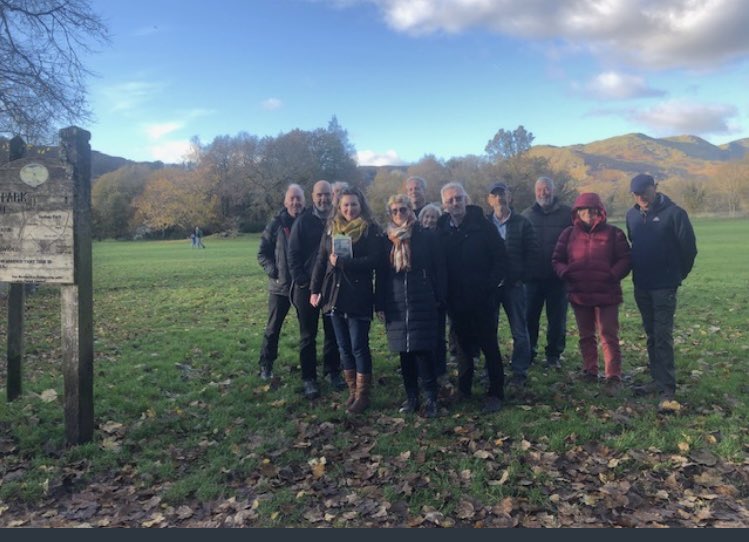
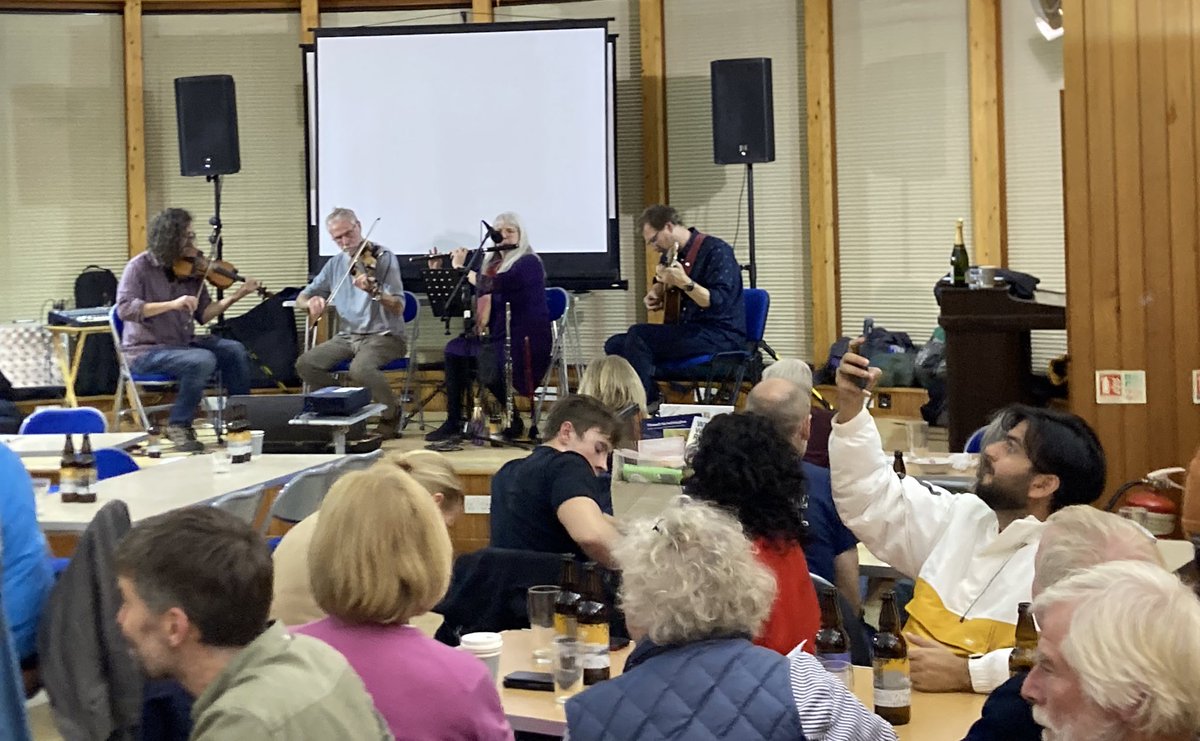
Congratulations @Countrystride1 for today’s brilliant Countrystride Live event here in Ambleside, featuring our own @DrPennyBradshaw running literary tours and @Ferguson2Dr and ‘Black Sail’ rounding the day off beautifully with music.
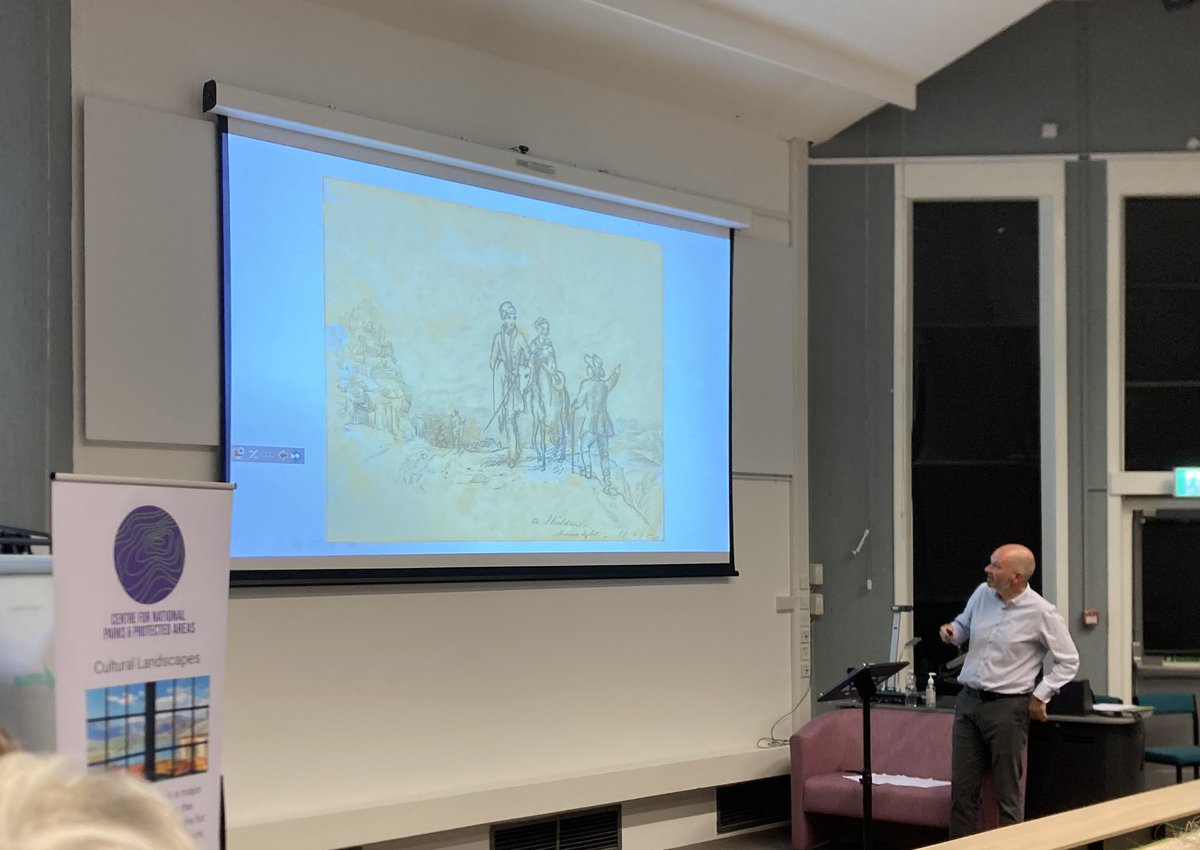
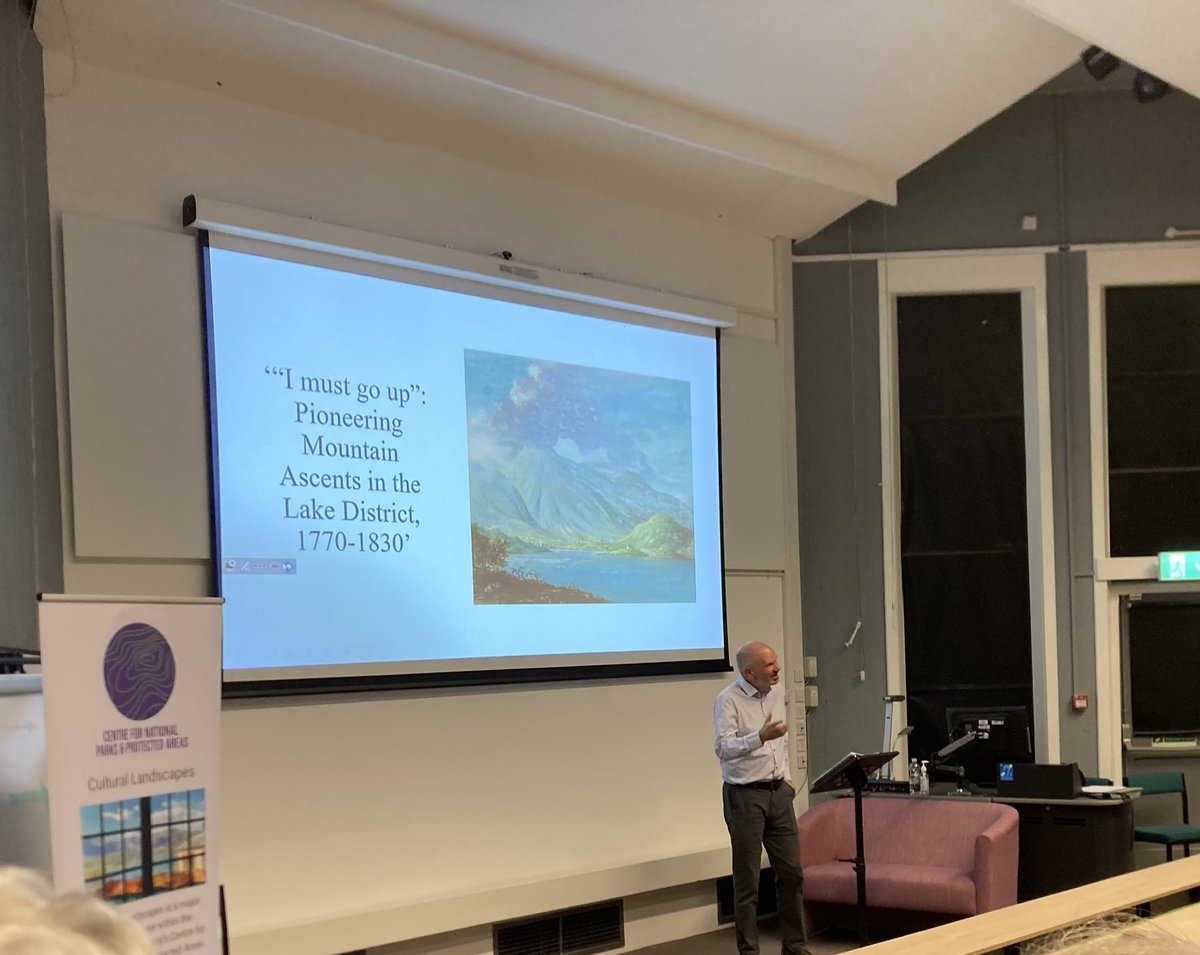
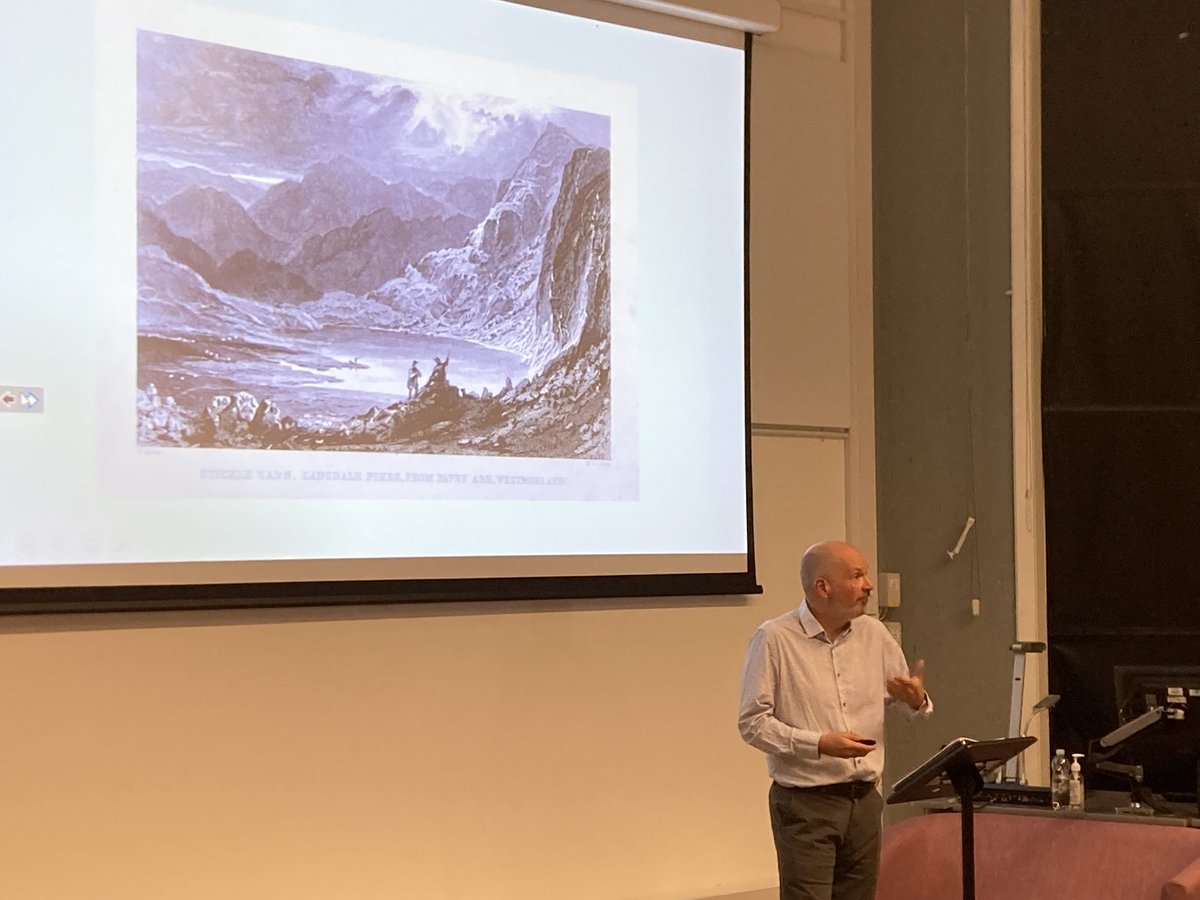
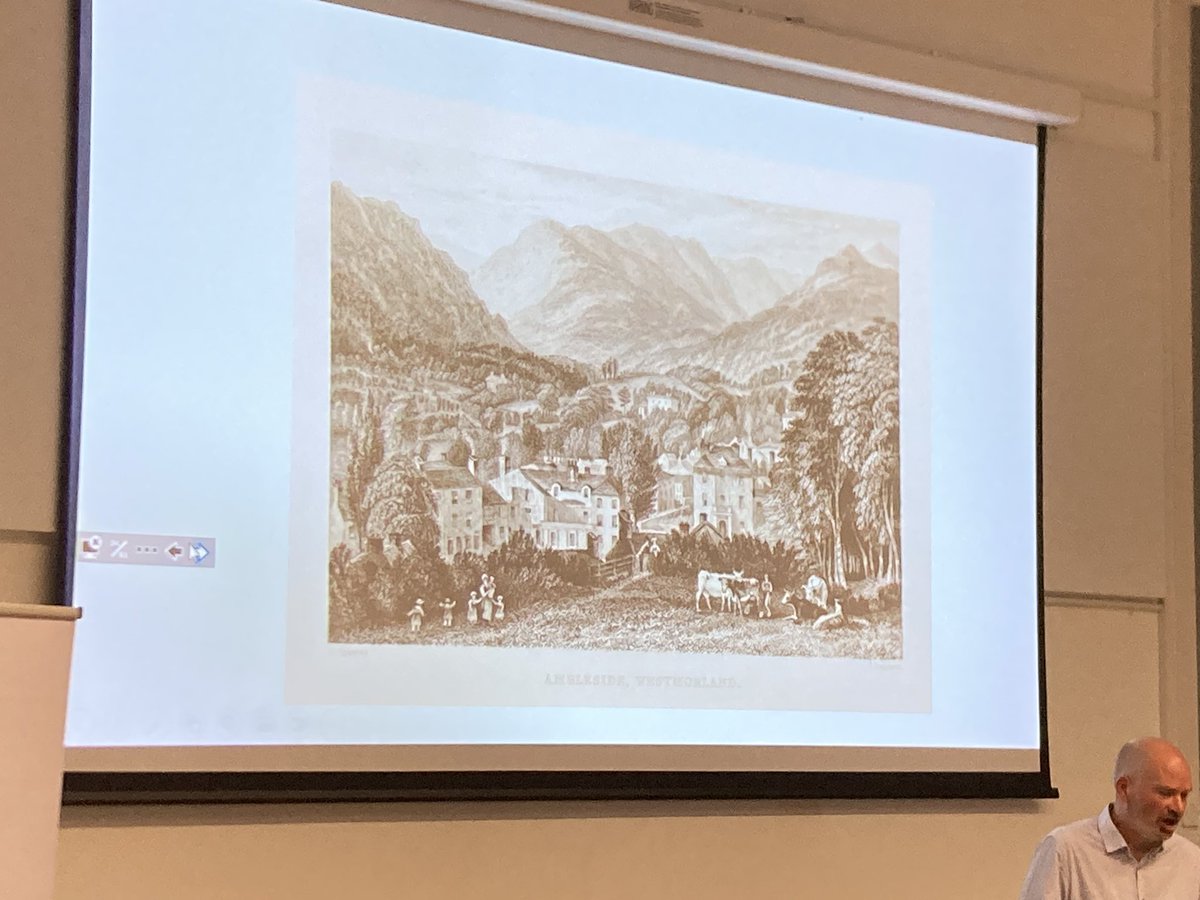
Superb talk by Professor Simon Bainbridge this evening on pioneering Lake District mountain ascents. A wonderful start to this year’s monthly Cultural Landscapes series.
Did you know that the References are the part of a paper most often overlooked? 😳 It's not only damaging science but also making desk-rejection more likely.
Here's a 9-point references checklist for you to bookmark!
A thread. 🧵
#PostDoc#newPI#PIchat
—
✅1: Did you read every study you are referencing?
Make sure that the studies you cite are actually substantiating your statements in the manuscript.
—
✅2: Are you always citing primary sources to support specific claims?
It's okay to cite reviews for more broader statements but when you are referring to a specific finding, always cite the paper that reported it first.
—
✅3: Is every study you cite needed to understand the context of your paper?
Make sure you aren't turning your research paper into a textbook or review paper and stay hyper-focused on what's needed exactly to understand your results.
—
✅4: Is your bibliography free of citation bias?
We may tend to (sometimes subconsciously!) preferentially cite friends or studies in our own geographical area. Do a double-check to find literature you may have overlooked.
—
✅5: Are you also citing the studies that disagree with your findings?
Giving the full picture is honest and doesn't discredit your findings -- quite the opposite: your readers will trust you more!
—
✅6: Are you citing your own work?
Self-citation is necessary when you have done research on the topic before -- within reason, of course. Use the active voice ("we found...") when referring to your previous work so your authority in the field doesn't get buried.
—
✅7: When referring to other studies, do you always describe the finding instead of only the authors' aim and approach?
Don't make the reader do the work for you. We want to know what the authors discovered (that is relevant to your own study), not what they set out to do!
—
✅8: Do you present the cited studies critically?
It’s so easy to create and spread scientific myths. So, don't distort hypotheses or not yet reproduced findings into facts. And if you don't agree with an author's conclusion, do comment on it.
—
✅9: Have you double-checked the accuracy of your references list?
Make sure your references don’t have errors and adhere to the journal guidelines. If permitted, it'll be helpful for the reader to include the cited paper's title, DOI and link.
—
TL;DR: A checklist for your References:
✔️Read every cited study
✔️Cite primary sources
✔️Cite essential papers only
✔️Avoid citation bias
✔️Give the whole picture
✔️Cite own work transparently
✔️Describe studies' findings
✔️Present studies critically
✔️Double-check accuracy