🎙️📚 I've recently started hosting for @NewBooksNetwork and wanted to compile these wonderful conversations with authors producing important (❤️🔥!!) work on South Asia, Politics, and History.
A thread 🧵
Mahmoud Darwish recites the poem titled "A small evening over a neglected village." This fragment belongs to the documentary series The Arabs: A Living History (1979-1983), specifically to episode 4, called "The Power of the Word," which is dedicated to poetry in the Arab world.
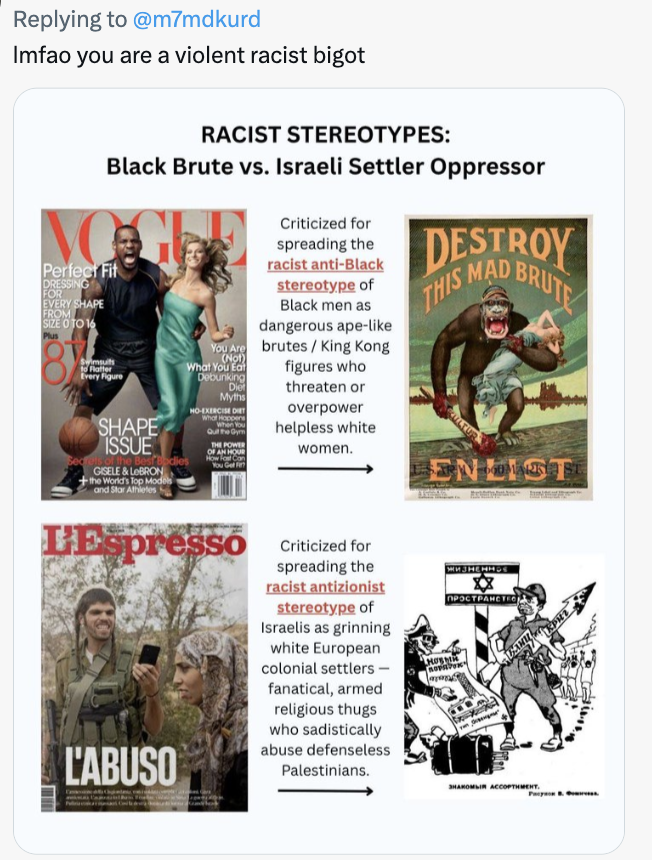
this is such an important distinction. especially the point about how often the full extent of documented settler depravity is reverse-editorialized through softening the image
The difference between the two photos is that the Vogue cover is an editorial, meaning the photographer made the conscious choice to curate a racist caricature of a black man, whereas the Israeli settler simply Just Looks Like That.
This whole controversy around the L’Espresso cover is reminding me how much I held my tongue as a teenager, afraid that I would sound crazy if I repeated what I saw settlers doing. For example, one of the Jewish settlers who lived in the stolen half (yes, half) of our house in Jerusalem would repeatedly do unspeakable, perverted things to a German Shepherd they kept in the house. Whenever international activists came to visit, I'd tell them that the settlers beat the dog, which was true, but I often omitted the part about the sexual abuse--something about naming it outright made me feel dirty, as if complicit (I was also very young) until one day the settler did it while two European activists were present. He most likely wanted to be watched. A couple days later, there was a graffiti on our wall that said something like "settlers are very, very strange people."
The way Israeli settlers are depicted in the media is, in fact, very often understated. I assume people worry about coming across as conspiratorial or bigoted, so they often hesitate to report the full extent of such depravity. But at the end of the day, it is really not our problem that many Jewish settlers are quite frankly caricatures of themselves.
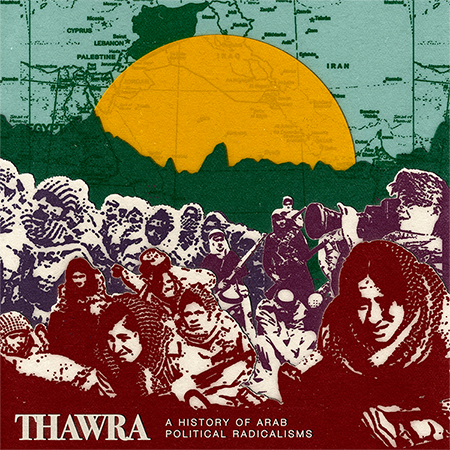
In 2024, the Dig launched Thawra, a 19-part series on 20th century Arab radicalism.
We are now releasing the Thawra digital study guide, replete with readings, films, archival materials, & discussion Qs for collective or individual study.
Check it out➡️ https://t.co/vaTfxX17Mo
I interviewed @KalathmikaN on @NewBooksNetwork on her book “Coolie Migrants, Indian Diplomacy” (@HurstPublishers, @OUPAcademic)!
We discuss how the figure of the “coolie” migrant, stigmatized by caste, race, and class anxieties, shaped Indian diplomacy. https://t.co/YCr4l94zbj
BREAKING 🚨 Flotilla participants report that Greta Thunberg was dragged by her hair, beaten, and forced to kiss the Israeli flag "as a warning to others."
This news comes amid reports of other disturbing incidents of violent humiliation of Flotilla members.
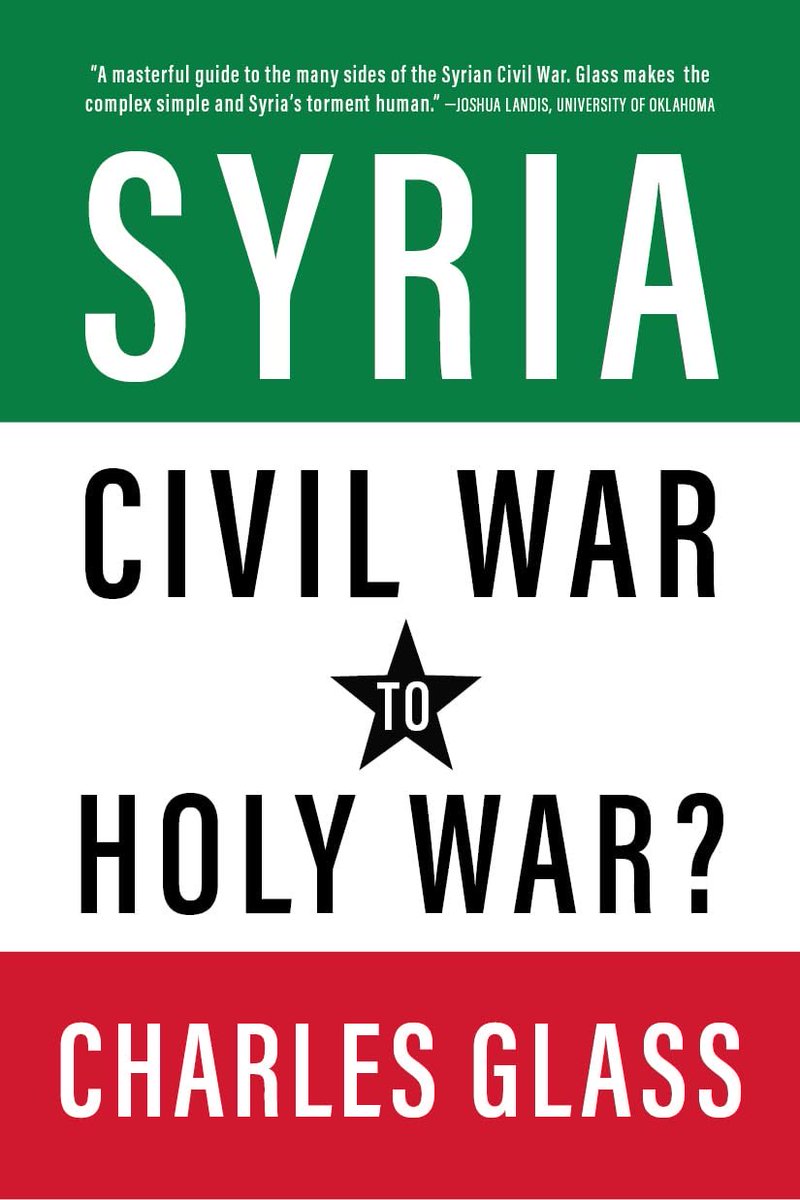
I interviewed @CharlesMGlass about his latest book Syria: Civil War to Holy War? (2024, @orbooks) at @NewBooksNetwork - It's a gripping, thorough, and insightful account of the conflict in Syria from 2011 to today. Give this a listen 📚!
https://t.co/DHvkTqv5fT
Sally Rooney: “I can only say that I admire and support Palestine Action wholeheartedly – and I will continue to, whether that becomes a terrorist offence or not.”
My review of "Lifeworlds and Change in Palestinian Education" by Bill Williamson just published in The Sociological Review Magazine! 📚📚 Read here:
https://t.co/T6AjU4LffX
#Sociology#Education#Palestine
Alive like never before, I know me, like never before, I know what I fight for, and what an honour to fight for, Palestine.
Here in the Heart of my city, my heart,
I can't belong anywhere else, it's where I start and will end, and what an honour to have this end.