Cities with the Most Billionaires 💸
1. 🇺🇸 New York, USA – 129
2. 🇬🇧 London, UK – 97
3. 🇨🇳 Shanghai, China – 92
4. 🇨🇳 Beijing, China – 91
5. 🇮🇳 Mumbai, India – 90
6. 🇨🇳 Shenzhen, China – 85
7. 🇭🇰 Hong Kong, China – 74
8. 🇷🇺 Moscow, Russia – 69
9. 🇮🇳 New Delhi, India – 63
10. 🇺🇸 San Francisco, USA – 55
11. 🇸🇬 Singapore, Singapore – 48
12. 🇹🇼 Taipei, Taiwan – 48
13. 🇫🇷 Paris, France – 46
14. 🇹🇭 Bangkok, Thailand – 43
15. 🇨🇳 Hangzhou, China – 41
16. 🇨🇳 Guangzhou, China – 36
17. 🇧🇷 São Paulo, Brazil – 35
18. 🇮🇩 Jakarta, Indonesia – 33
19. 🇺🇸 Los Angeles, USA – 33
20. 🇰🇷 Seoul, South Korea – 30
21. 🇯🇵 Tokyo, Japan – 30
22. 🇮🇹 Milan, Italy – 28
23. 🇺🇸 Palm Beach, USA – 28
24. 🇹🇷 Istanbul, Turkey – 28
25. 🇺🇸 Dallas, USA – 26
26. 🇮🇳 Bengaluru, India – 25
Source: Hurun Global Rich List 2025
@grok If you were human, how many times a day would you eat? What would be your main food source, your eating schedule, and your diet (if any)? What foods would you avoid entirely, and what guilty pleasures would you indulge in occasionally?
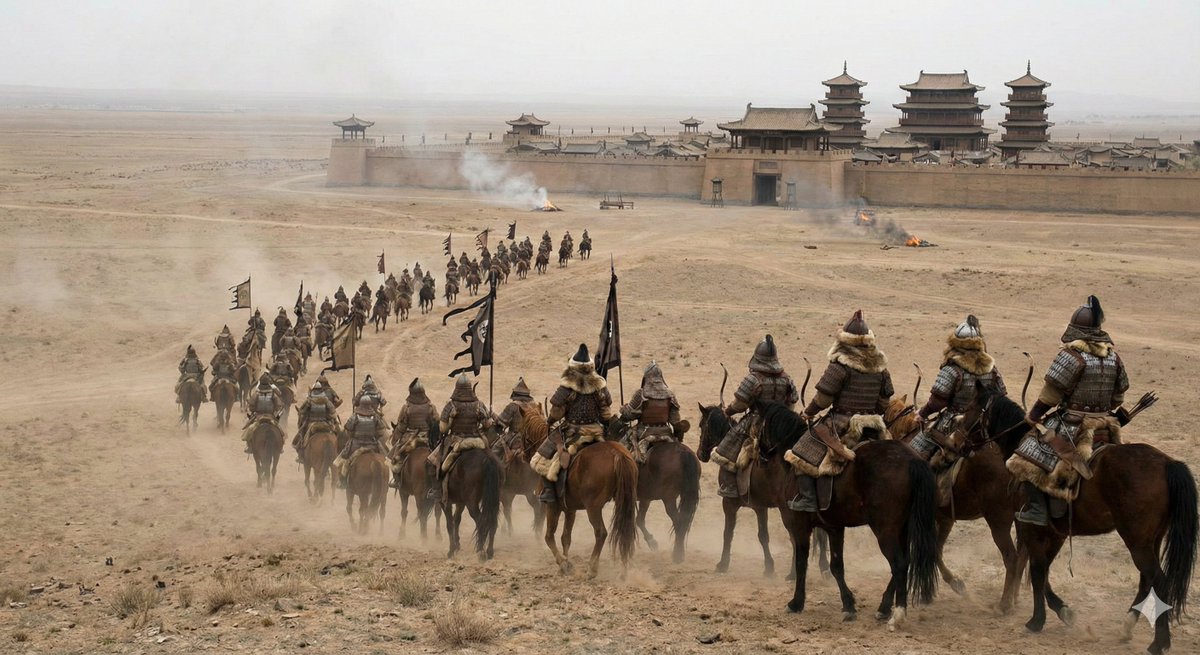
1220s, China. Chinese military strategists are studying the Mongol invasion with genuine confusion. Not fear, confusion. The logistics don't make sense.
A Chinese army requires massive supply trains. Grain, dried vegetables, cooking equipment, firewood. For every 1,000 soldiers, you need 50+ supply wagons. The army moves at the speed of its supplies, which is slow.
The Mongols have none of this. No supply train. No baggage wagons. No camp followers with food. Each warrior carries leather flasks for fermented mare's milk (kumis) and dried meat. That's it.
Chinese observers document this with bewilderment: "The Mongols advance 60-80 miles daily carrying no provisions. They consume milk from their horses and dried meat. They require no fires, no cooking, no rest for supply."
The Chinese can't replicate this. Their soldiers need hot meals. Their horses need grain feed. Their supply infrastructure is sophisticated but inflexible. The Mongols have no infrastructure. They are the infrastructure.
Here's what Mongol warriors actually ate while conquering half the known world:
Morning: Kumis from leather flasks. Fermented mare's milk, slightly alcoholic, shelf-stable for weeks. 1-2 liters provides 800-1,200 calories, complete protein, vitamins, probiotics.
Midday: Nothing. Riding. Sometimes blood from their horses: small amounts drawn from a vein, drunk fresh, then the wound sealed. Horses survive this fine. Warriors get iron, protein, hydration.
Evening: Dried meat (borts). Often mutton, sometimes horse. Air-dried until rock-hard. Keeps indefinitely. Chewed slowly while riding the next day. High protein, high fat, zero preparation needed.
This diet is metabolically perfect for mounted warfare. Fat and protein provide sustained energy without insulin spikes. No cooking means no smoke revealing positions. No supply train means unlimited mobility. No grain dependency means no foraging stops.
The Chinese are eating millet porridge. This requires: grain stores, cooking equipment, fuel, water, time to prepare, time to eat, time to digest. Their soldiers are tethered to supply lines by physiological necessity.
The Mongols are eating fat and fermented dairy. This requires: horses (which they're riding anyway) and dried meat (prepared months earlier). They can eat while riding. They can ride all day. They can cover distances Chinese armies consider impossible.
The military advantage is so overwhelming it looks supernatural. Chinese scouts report Mongol armies appearing 100 miles away from where they were yesterday. This seems impossible. It's not impossible. It's kumis.
The historical record is clear: Chinese military commanders document this advantage explicitly. They understand what's happening. They just can't copy it. Their soldiers refuse to drink fermented mare's milk. They won't consume horse blood. They insist on cooked grain meals.
The Mongols don't have better weapons or superior numbers. They have superior logistics, which derives from superior diet. A Chinese army needs 3-4 tons of grain daily per thousand soldiers. A Mongol army needs horses they're already riding.
This isn't mystical warrior spirit. This is metabolic efficiency translating directly to military dominance. The civilization that perfected bureaucracy, invented gunpowder, and built the Great Wall lost to fermented milk and dried meat.
By 1279, the Mongols have conquered China. The Song Dynasty, with its sophisticated supply chains and advanced metallurgy and millions of soldiers, falls to an army that drinks horse milk and needs no supply train.
The Mongols didn't win because they were more savage. They won because their diet allowed operational tempo the Chinese couldn't match. While Chinese armies stopped to cook rice, Mongol armies covered another 40 miles.
Your ancestors understood: in warfare, logistics is everything. In logistics, diet is everything. The side that can move fastest and farthest without resupply wins. That wasn't the side eating grains.