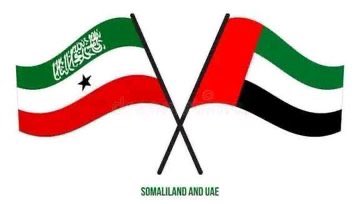
The Republic of Somaliland and the United Arab Emirates share deep historical, cultural, and economic ties that stretch back centuries. Long before colonial powers arrived on the shores of the Gulf of Berbera in the late 19th century, established trade routes linked the peoples of the Somaliland with the Arabian Sea, facilitating exchanges of goods, ideas, and communities across the waters.
These longstanding relations entered a transformative modern phase in 2016, when DP World (a Dubai-based global port operator) signed a landmark 30-year concession agreement with the Government of Somaliland to develop, manage, and expand the Port of Berbera. This strategic investment—valued at approximately $442 million—has modernized the port's infrastructure, introduced advanced operations, and established an adjacent economic zone, positioning Berbera as a key trade and logistics hub in the Horn of Africa.
Despite objections from the so called administration in Mogadishu—including a 2018 parliamentary vote declaring the agreement null and void—the project has proceeded successfully and delivered tangible results because the Republic of Somaliland is sovereign and now internationally recognized. Today, the Port of Berbera stands out as one of the most efficient container ports in Sub-Saharan Africa, according to the World Bank's Container Port Performance Index.
Baseless assertions of authority from the failed administration in Mogadishu cannot alter the reality on the ground or dictate the future trajectory of Berbera Port!
The United States has taken a firm and justified stand by suspending all assistance to Somalia following the deeply troubling reports of officials destroying a US-funded World Food Programme warehouse and illegally seizing 76 metric tons of donor-funded food aid intended for the country's most vulnerable citizens. A brutal act of theft!
This incident is far from isolated—it forms yet another grim chapter in a 30-year pattern of systemic corruption, mismanagement, and diversion of humanitarian assistance in Somalia, where life-saving aid has repeatedly failed to reach those in desperate need, often vanishing into networks of patronage, theft, and elite capture.
And yet, certain regional actors like AU continue to press Somaliland to reunite with an entity incapable of even safeguarding food for its starving populations. Such expectations defy reason and ignore the stark realities on the ground.
True partnership demands accountability, transparency, and results—not endless cycles of failure.
Berbera, a historic coastal city in the Republic of Somaliland, is once again commanding attention on the global stage due to its enduring geopolitical significance, which can no longer be overlooked amid evolving regional dynamics.
Situated on the Gulf of Aden historically knows as the Gulf of Berbera, Berbera boasts a rich legacy dating back to antiquity, when it served as a vital commercial hub along ancient trade routes connecting Africa, the Arabian Peninsula, and beyond.
The African Union Peacekeeping mission is responsible for the security of Somalia’s presidential villa. It’s ironic that a ‘state’ which depends on peace-keeping forces for its own security is ‘considering’ force against the Republic of Somaliland. This will not workout in their favor!
Congratulations to the my biggest brother who graduated today from Al Akhawayn University in Morocco @suber_omar am really proud of you huuno and wishing you all the best.
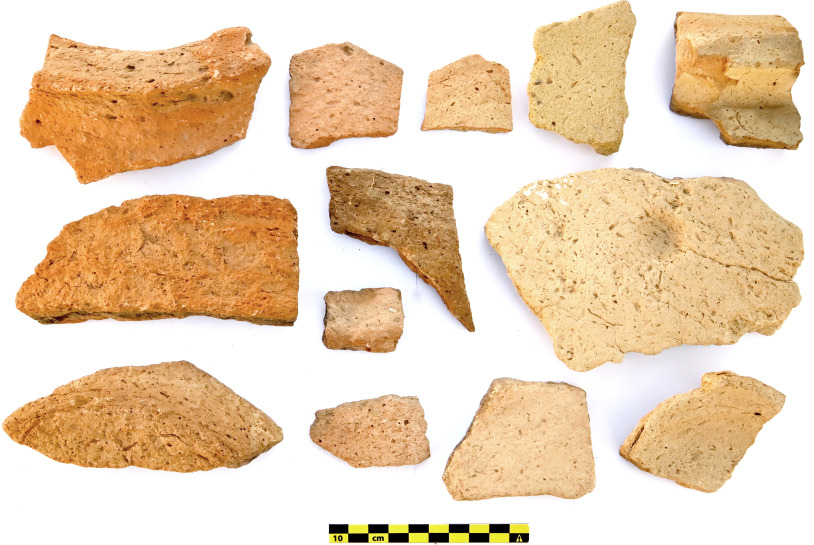
Biyo-Guure, #Berbera: the items were collected (pottery sherds, glass fragments , glass bangles, cowries, stone beads, muddy jars, perfume glass bottles).
The inhabitants were melting glass for either repairs or making bangles from 11-14 centuries.
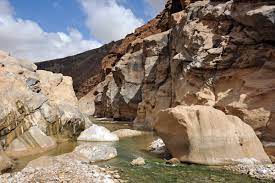
Wonders of #Somaliland