Making hard things easier (situational agency) can take us further than sheer grit. For e.g., keeping addictive foods at a distance changes the physical environment; being intentional about who we spend time with changes the social one. Both quietly shift what we’re capable of.
As harmful as loneliness is, catastrophising it may be making us less able to cope with it. In one experiment, people left alone for 15 minutes with nothing to do but sit with their thoughts could give themselves a mild electric shock. 25% of women and 67% of men chose to do so.
One trait we systematically underestimate is our sociability. We forget that conversation is reciprocal: when we show up with curiosity or vulnerability, others also show up with these traits. However, we predict our social lives as if this positive externality didn’t exist.
Manifesting can, ironically, make us less happy. When we vividly imagine something we want, part of our mind responds as if we already have it. That can reduce the effort we put into making it happen and when it finally does, it often feels less rewarding.
The paradox of happiness is that the more we monitor whether we’re happy in the moment or chase a rigid ideal of happiness, the less likely we are to experience it. But reflecting afterwards on what genuinely brought us joy helps us make better choices in the future.
Eudaimonic happiness, derived from purpose, virtue, and contributing to something beyond yourself, tends to endure because it’s less prone to hedonic adaptation. We’re also better at anticipating its lasting benefits than those of hedonic pleasures. Hence, a good life needs both.
In the age of #NoRegrets, it’s worth remembering that regret can be the fuel of progress. The key is using it to move closer to our ideal self, ie. who we want to be, rather than our ought self, shaped by what we think others expect of us.
Why do we get this wrong? Negativity bias makes bad events stand out in the present, while fading affect bias means our memories of positive experiences fade more slowly than negative ones. So the present looks worse than it is, and the past better than it was. (3/3)
The “illusion of moral decline” is the belief that people today are more selfish and less kind than they used to be. It’s especially common among older and more conservative people, but for decades, more than 80% of people have shared this view. (1/3)
Data disproves this. Surveys show that people’s assessments of how kind and selfless others are in the present have remained largely unchanged over time. In experimental games like Prisoner’s Dilemma, people have actually become marginally more cooperative over the decades. (2/3)
We often face disclosure dilemmas: whether to reveal our true feelings to a partner, a medical condition to an employer, or full details to a physician. Yet “omission bias” makes us focus more on what we say than what we leave unsaid, leading us to disclose less than we should.
We have more free time than any generation before us, yet feel more time-poor. The reason may be “time confetti”: free moments scattered across the day. The solution isn’t necessarily more free time, but accumulating those fragments into longer, uninterrupted stretches.
Experiences (meals, travel, concerts) consistently outperform material purchases (clothes, cars, gadgets) on measures of happiness. The paradox is that because experiences are fleeting, we never fully get used to them. Their impermanence is part of what makes them more effective.
According to @Leidyklotz, a physical space contributes to happiness when it creates three conditions: agency (a sense of ownership), growth (both personal and professional), and connection (engagement with people around you).
Willpower isn’t very effective at making or breaking new habits. Instead, habit formation rests on 3 pillars: (a) a reward at the end (b) a sequence of actions, or routine, leading up to the reward (c) a context - people, places, incidents, etc. - that we associate with the habit
Heard a refreshing take on forgiveness: it’s less about others and more about being completely at peace with your own life.
When nothing feels missing, there’s no urge to complain or chase recognition for what hurt you.
Most think metabolic health needs long workouts, but a study shows otherwise. 3-min movement breaks each hour (squats, push-ups, walking) improved blood sugar, insulin sensitivity & waist size. Why? Muscles pull glucose from blood and hence no insulin needed. - @CoachDanGo
Wonderful promo email from @frido_official, listing unsung female innovators whose designs make life comfortable. My favourite - Lillian Gilbreth, who redesigned the modern kitchen. Foot-pedal trash can, refrigerator door shelves and optimal placement of sink, stove and fridge.
Meenakshi Menon looked at ageism in advertising; her review of 2500+ advertisements found that not only are older adults underrepresented (7% in ads vs. 11% in general population), but 48% are depicted with negative tropes like frailty, abandonment, loneliness, etc.
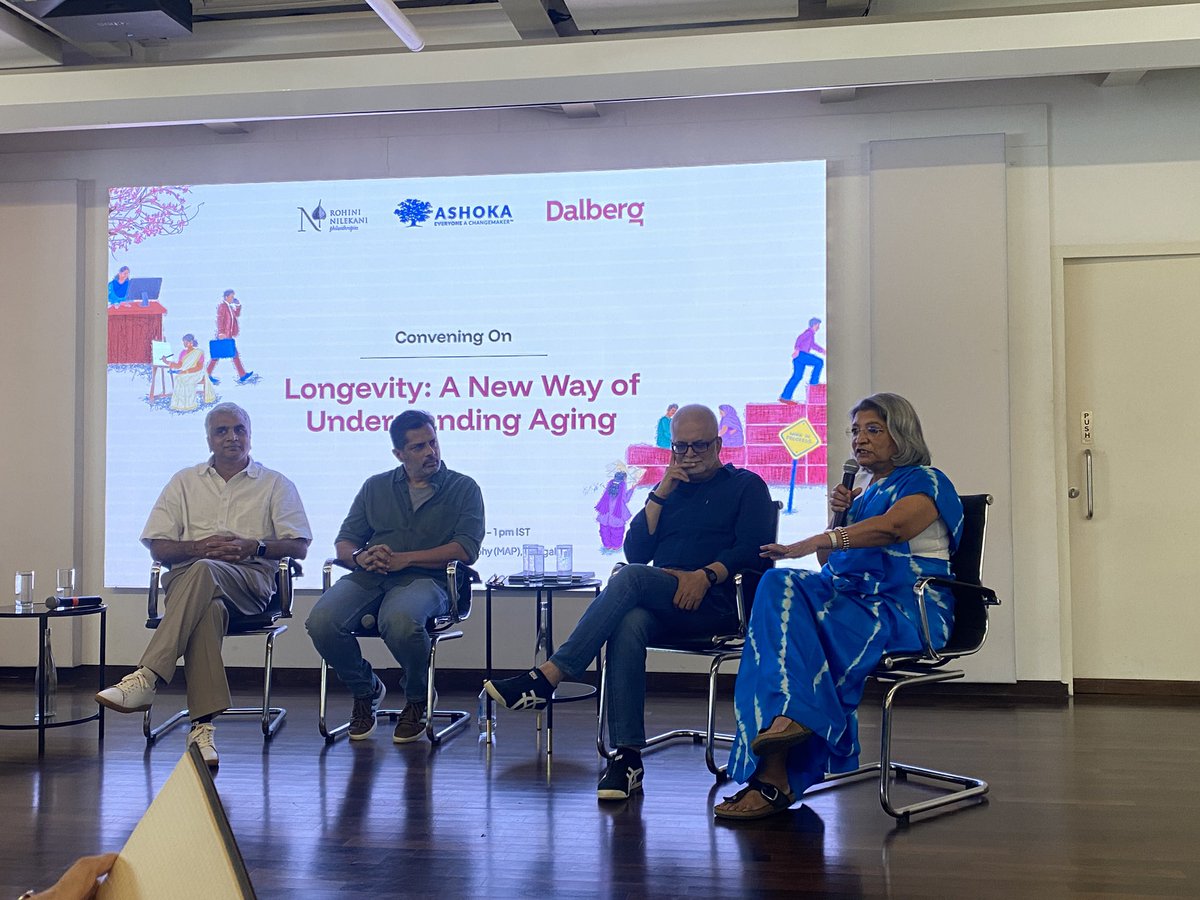
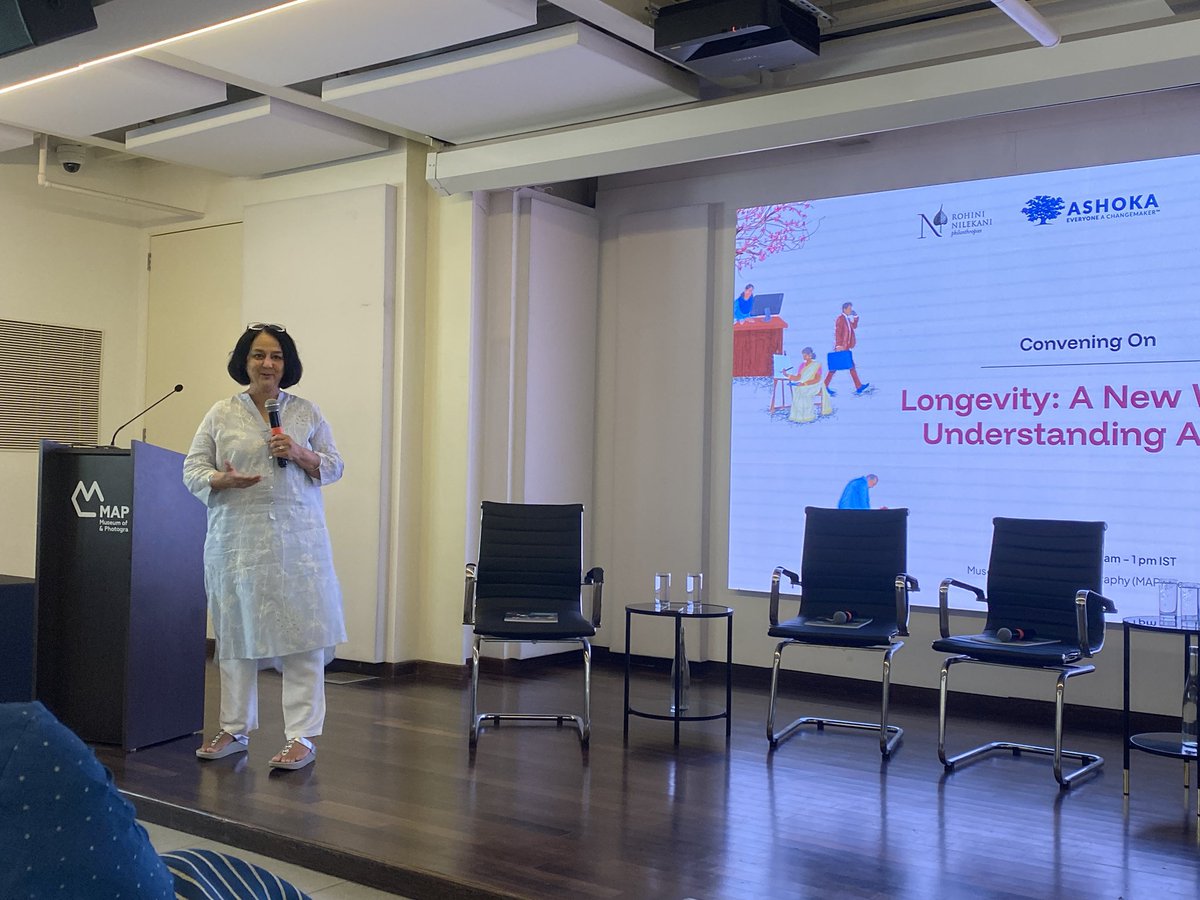
Rohini Nilekani makes a sharp point - the demographic transition is unfolding at extraordinary speed, just compare one generation before and one after. And perhaps the pessimism is misplaced; older adults may actually drive more sustainable living. @DalbergTweet@RNP_Foundation