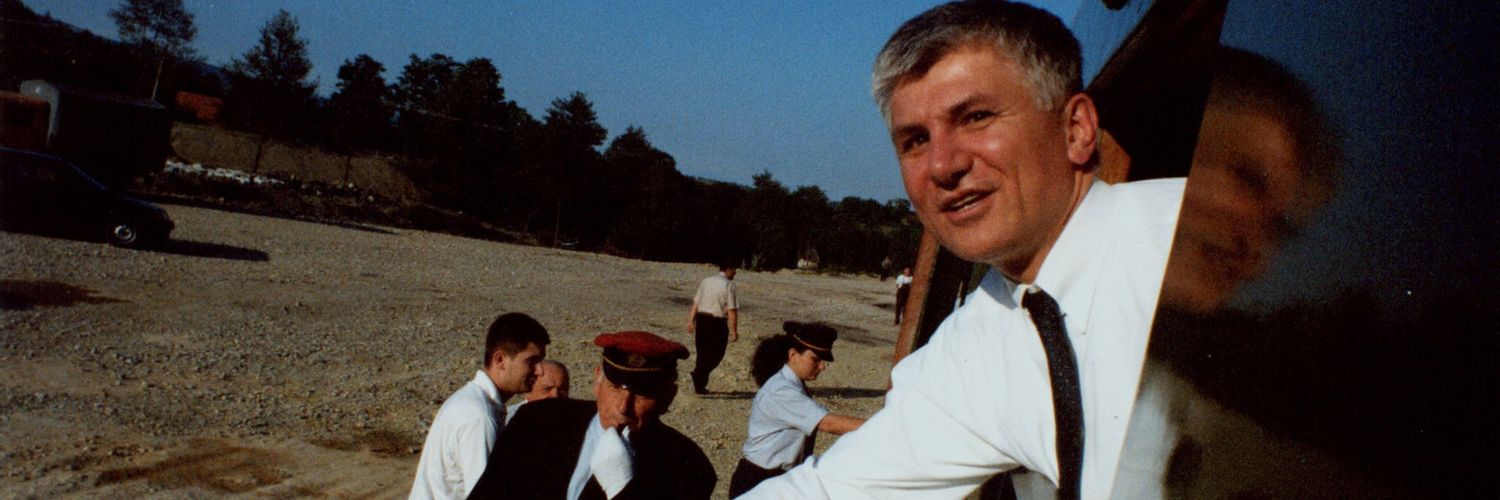
Povodom tvrdnji patrijarha Porfirija iznetih u intervjuu časopisu Nin da "patrijarh Pavle nikada nije učestvovao u političkim aktivnostima, a kamoli protestima", obratio sam mu se sledećim rečima:
Vaša svetosti,
Najiskrenije Vas molim da nedostatak hrabrosti da se stavite na stranu pravde, na stranu mladosti i budućnosti Srbije, ne opravdavate neistinama. Znam da Vam je neprijatno što deo naroda negativno komentariše kad Vas poredi sa patrijarhom Pavlom. Nemojte da pogoršavate situaciju iznoseći neistine poput one da patrijarh Pavle nikada nije učestvovao na protestima jer je činjenica da je govorio na Saboru DEPOS-a juna 1992. godine (snimaku prilogu)! Štaviše, njegovim obraćanjem je otvoren ovaj politički skup koji je kao zahtev imao smenu Miloševića i formiranje Vlade nacionalnog spasa.
Kao aktivni učesnik protesta 1996/97 mogu da Vas obavestim da je isključivo zahvaljući Patrijarhu Pavlu i vladikama Srpske pravoslavne crkve sklonjen policijski kordon u Kolarčevoj ulici i omogućeno nesmetano kretanje demonstrantima. U tom trenutku nije postojala nikakva opasnost od krvoprolića, odnosno sukoba demonstranata koji su tražili priznavanje pravih rezultata lokalnih izbora i policije, kako Vi to tvrdite. Potez patrijarha je bio čin koji je jasno pokazao na čijoj su strani istina i pravda u tom trenutku i odlučujuće je uticao na Miloševića da prihvati evropsko posredovanje i poraz na izborima.
Pozivam Vas da tokom velikog hrišćanskog praznika vaskrsnuća Isusa Hrista razmislite o nespornim činjenicama koje sam Vam naveo i potražite svoju savest. Možda i ona vaskrsne.
The Cologne Cathedral, a Roman Catholic Cathedral Church, located in Cologne, Germany 🇩🇪. It is the largest Gothic Church in northern Europe and features immense twin towers that stand 157m tall. Cologne Cathedral contains all elements necessary to express Outstanding Universal Value and is of appropriate size. All features and structures to convey its significance as Gothic masterpiece are present. The cathedral was designated a UNESCO World Heritage Site in 1996.
Construction begun in 1248 AD, building of this Gothic masterpiece took place in several stages and was not completed until 1880 AD. Over 7 Centuries, its successive builders were inspired by the same faith and by a spirit of absolute fidelity to the original plans. Apart from its exceptional intrinsic value and the artistic masterpieces it contains, Cologne Cathedral bears witness to strength and endurance of European Christianity. No other Cathedral is so perfectly conceived, so uniformly and uncompromisingly executed in all its parts.
Cologne Cathedral is a High Gothic five-aisled basilica (144.5m long), with a projecting transept (86.25m wide) and a tower façade (157.22m high). Nave is 43.58m high and side-aisles 19.80m. Western section, nave and transept begun in 1330 AD, changes in style, but this is not perceptible in the overall building. The 19th Century AD, work follows the medieval forms and techniques faithfully, as can be seen by comparing it with the original medieval plan on parchment.
Original liturgical appointments of choir are still extant to a considerable degree. These include high altar with an enormous monolithic slab of black limestone, believed to be largest in any Christian church, carved oak choir stalls (1308-1311 AD), painted choir screens (1332-1340 AD), fourteen statues on the pillars in choir (1300 AD), and great cycle of stained-glass windows, the largest existent cycle of early 14th century windows in Europe. There is also an outstanding series of tombs of twelve archbishops between 976-1612 AD.
Of the many works of art in the Cathedral, special mention should be made to the Gero Crucifix of the late 10th Century AD, in the Chapel of the Holy Cross, which was transferred from pre-Romanesque predecessor of present Cathedral and Shrine of the Magi (1180-1225 AD), in the choir, which is largest reliquary shrine in Europe. Other artistic masterpieces are altarpiece of St. Clare (1350-1400 AD) in the north aisle, brought here in 1811 AD, from destroyed cloister church of the Franciscan nuns, the altarpiece of City Patrons by Stephan Lochner (1445 AD) in the Chapel of Our Lady, and the altarpiece of St. Agilolphus (1520 AD) in the south transept.
Cologne Cathedral has lost its original architectural context, but in 19th-20th Century an urban ensemble has been created around it, of which building of new Wallraf-Richartz-Museum is last element. Form and design, use and function of Cologne Cathedral have remained unchanged during the centuries of construction. All the work, from 13th to 19th Century, was carried out with scrupulous respect for the original design and this tradition was continued in post-WWII reconstruction. In this respect, Cologne Cathedral may be considered to be sui generis and hence its authenticity is absolute.
📷 : Credit to the Owner
#archaeohistories
Pero Antić (@antic12pero) je pričao za Meridian sport nakon spektakla između Zvezde i Efesa - Srbija treba da bude ponosna na derbi, verujem da će momci da uspeju 🗣️
#kkcz
Čekamo studentsku stranku, oni to neće.
Opozicija nudi prelaznu vladu, mi to nećemo.
Studenti nude Zborove, ali shvatili smo da je to za kanalizaciju, školu i lokalni park, ne za institucije.
Ostaje Vučićeva ponuda - nova vlada ili izbori.
Nadam se da nećemo ni to.
Ali šta hoćemo? Da ovo traje sve dok nam sa neba ne sleti neki potpuno novi, a savršen predlog?
Ili imamo ideju tog finalnog koraka oslobođenja?
@arhitek Baš juče sam gledao prilog o Imamoglu-u i protestima u Turskoj. Toliko im zavidim. Iako ih upoređuju sa našim, to može samo po brojnosti, ali za razliku od nas Turci su se udružili oko ideje ZA, a to je mnogo teže nego udružiti se oko ideje PROTIV...