"PHP is dead"
AI reportedly helped uncover “php2shell” flaws in longstanding PHP code that human review had missed for years.
The bugs weren’t new. Finding them became easier.
AI can make old flaws cheaper to find - for defenders AND attackers.
Put AI on defense, not just code generation:
• Use it to flag suspicious paths and suggest tests.
• Have humans reproduce bugs, assess impact, and test fixes.
• Know your runtimes, their owners, and how to patch safely.
AI findings are leads, not proof.
Fast iteration is healthy when blast radius is small.
When the blast radius is huge, speed needs guardrails.
Ambition without denial.
Caution without paralysis.
Every builder learns this eventually: The scary AI bug isn’t when the agent fails. It’s when it succeeds at the wrong thing.
The most dangerous AI agents won’t look dangerous.
They’ll look productive right up until they’re confidently wrong.
My mental model:
Treat AI agents like junior contractors with root access.
Useful? Yes.
Trusted by default? No.
Give them:
• sandboxes
• permission limits
• audit logs
• human approval for risky actions
• rollback paths
@Officially_Kriz Why are they laughing?
A young man had ambition, courage to pursue it & it didn’t work out. Now he’s in a difficult place & you are treating his experience as comic relief💔
This could have been told differently to drive home the point without making a mockery of his struggles
Complaining says: “someone should fix this.”
Building says: “maybe I can fix a small part of this.”
That shift changes everything.
The world is not read-only.
What “this is just how things are” assumption have you questioned recently?
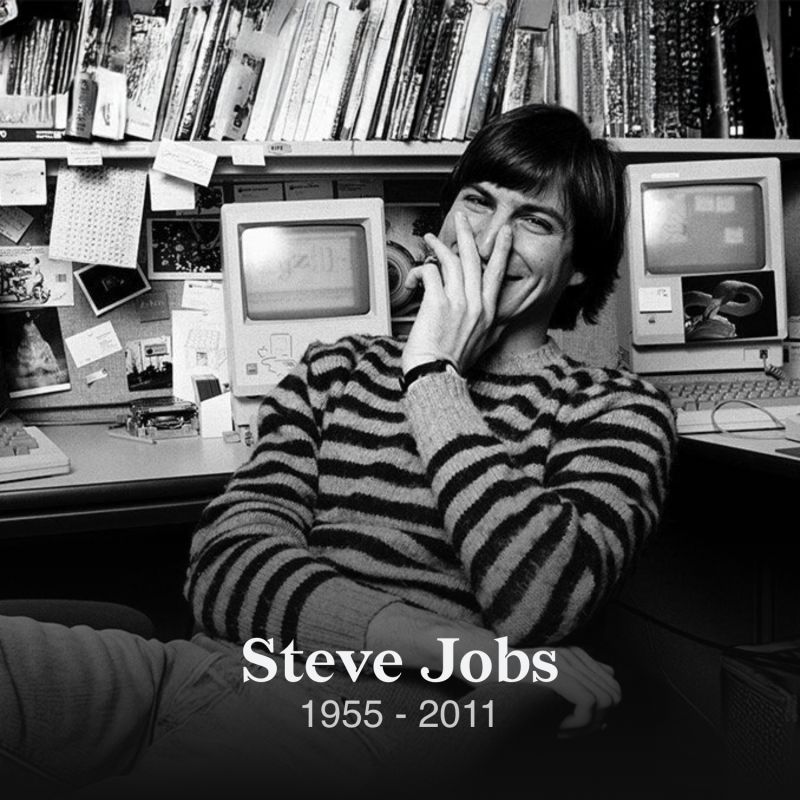
“Everything around you that you call life was made up by people that were no smarter than you.” - Steve Jobs
That quote hits different when you build software.
The world stops looking like a locked room.
It starts looking like editable code.
The builder loop is simple:
1. Poke the system
2. Watch what breaks
3. Learn why it was built that way
4. Ship the smallest useful fix
5. Repeat with more confidence
You don’t think your way into innovation.
You test your way there.
Imagine shipping a “small” Lagos browser game… then reportedly 100k people try to play at once.
That buzz is not just because “people like games.”
It’s a distribution shift:
No APK, No Play Store, No 150MB download, Just a link... and here's how that changes everything👇
My take:
This wave is bigger than indie games.
It is a reminder that in Nigeria, the best product strategy is often simple:
Make it light.
Make it local.
Make it shareable.
Make it work on the devices people actually use.