🕊️ Vale Robyn Kirby
With deep sadness, we honour Robyn Kirby, a pioneer in naturopathy and herbal medicine, and the NHAA’s first female president, fellow, and life member.
Her tireless work helped shape our profession. Our thoughts are with her family and loved ones 🤍
#NHAA
Welcome to our new followers! Now in our 15th year with a research community of 200 scholars & practitioners, we are joining the world of social media & have lots of research & events to share. Please RT to your networks! https://t.co/81nYdciTyN
I’m thrilled to announce that @janafavero has been appointed by our Board & CEO as the first Deputy CEO of the Asylum Seeker Resource Centre. Jana has started in this role this week. This new role will further strengthen the impact, governance & sustainability of our organisation
A farmer harvests wild buckthorn berries on the periphery of Beijing, a city of 22 million. Scratch any Chinese and you’ll likely find a farmer beneath. But also, on occasion, a hunter-gatherer.
🔗 Read “Found Art” by @PaulSalopek here: https://t.co/D8N23iDCGg
📷 Ana Jegnaradze
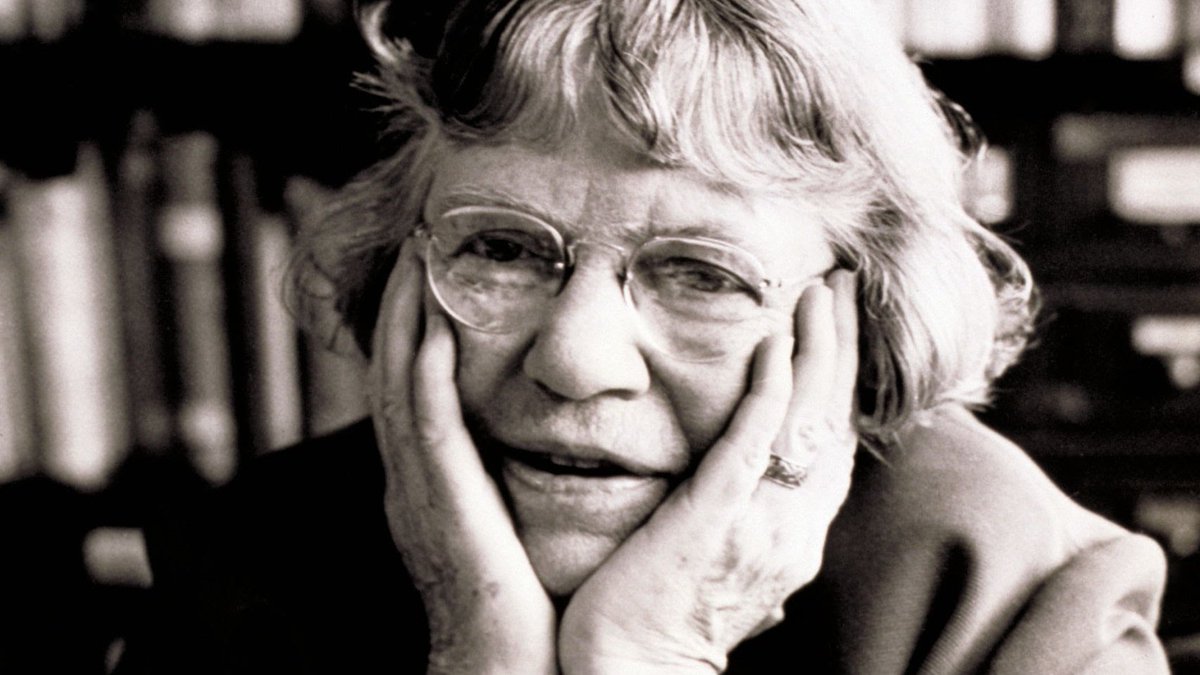
Anthropologist Margaret Mead was asked about the first sign of civilization. Instead of citing tools or weapons, she said it was a healed femur (thighbone). In the animal kingdom, a broken leg means death. But a healed femur shows someone took the time to care for the injured person, binding their wound, carrying them to safety, and nursing them back to health. According to Mead, this act of helping others through difficulty is where civilization begins.
Let's embody this spirit of service and be our best, most civilized selves. #SDGs
There's nothing sadder than seeing universities cut their arts and humanities departments. Literature, philosophy, poetry, these are things that nourish and sustain the human spirit. They are necessary for us to flourish.
"As he spoke, I saw faces in the audience become rigid or closed, and realised some were descendants of the men he’d named"
This, from @elias_greig - about fathers, families, land, visions - is as good as people have been saying
https://t.co/LGxgibTG80
Powerful words by 102 years old philosopher Edgar Morin, one of France's most revered intellectual figures, as well as a Jewish WW2 resistant who fought as a lieutenant in De Gaulle's France combattante.
https://t.co/SJXMywTXb5
Here are his words on Gaza: "I am both astonished and outraged by the fact that those who represent the descendants of a people who were persecuted for centuries for religious or racial reasons... That the descendants of this people who are today the decision-makers of the State of Israel, that they could not only colonize an entire people, partly drive them out of their land and seek to expel them for good... But also, after the massacre of October 7, engaged in a real massive slaughter on the populations of Gaza and continue, incessantly, hitting civilians, women, and children.
And to see the silence of the world, the silence of the United States, protectors of Israel, the silence of the Arab states, the silence of the European states who claim to be defenders of culture, humanity, human rights.
I think we are living through a horrible tragedy because we are also powerless in the face of this thing that is unleashing. At least, I say: bear witness! The only thing that remains if we cannot resist concretely is to testify. Let's resist in our minds, let's not be fooled, let's not forget, let's have the courage to face things head-on."
Cutting Anthropology at University of Kent means cutting their wonderful Ethnobotany course. This is such sad news. Theres a petition...Save Anthropology at the University of Kent. https://t.co/qaHMlaEwPA via @ChangeAUS
Congratulations Alison Maunder - 2nd PhD publication,
important feasibility RCT demonstrating high acceptability and feasibility of using whole system naturopathy in women with diminished ovarian reserve @drmikenz@sarrentz https://t.co/vCHjHQuUzV
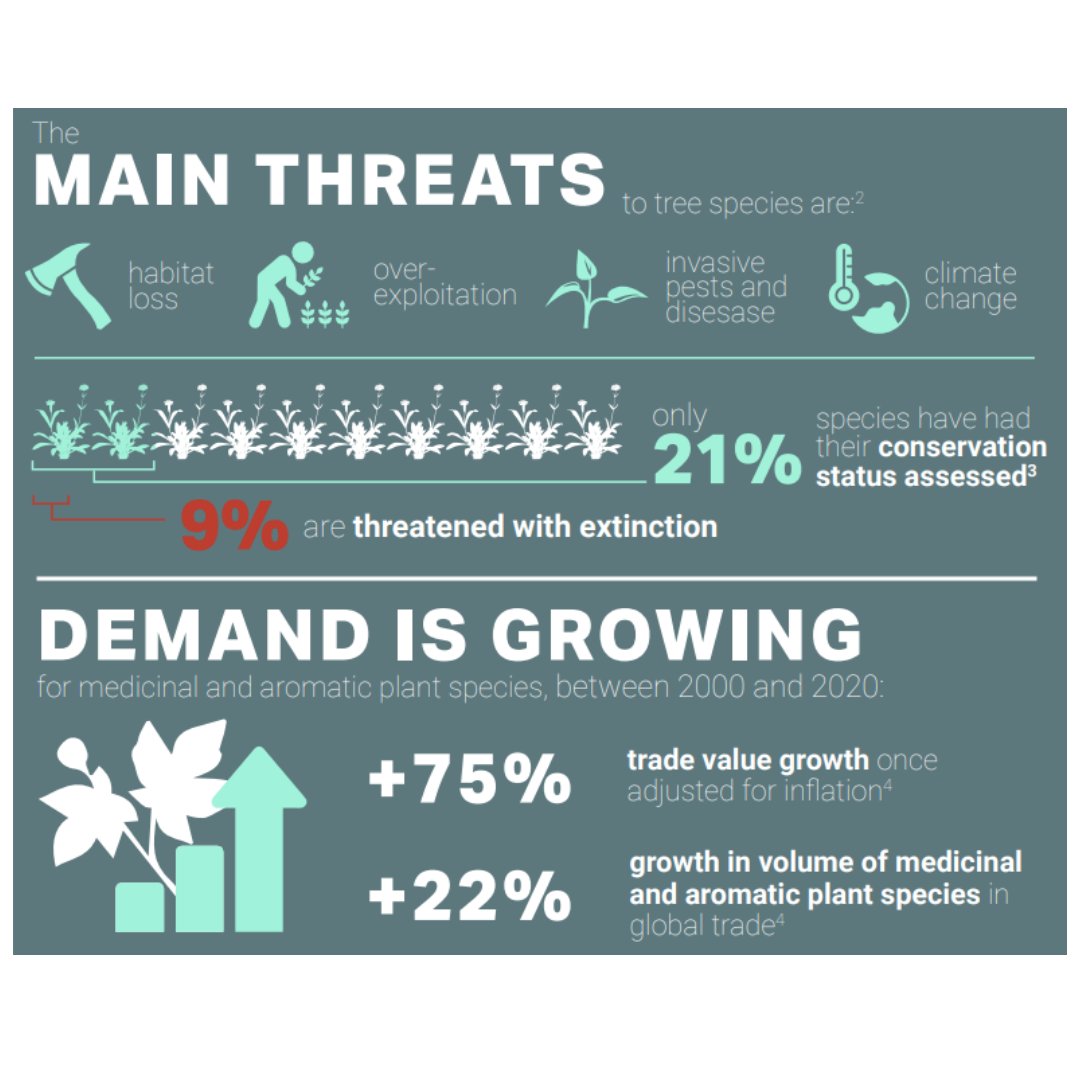
Here's a wild fact: 60-90% of the plant species in trade are wild-harvested! This #FairWildWeek, we encourage you to ask businesses to adopt sustainable wild harvesting practices. 1/
Demand for plant ingredients is growing. Once adjusted for inflation, the global trade value of medicinal and aromatic plants has grown by more than 75% in the last two decades.
From: WildCheck report @TRAFFIC_WLTrade@FAO@IUCNssc#FairWildWeek#PlantTrade
Important description of traditional knowledge and a wonderful story. How traditional Indigenous education helped four lost children survive 40 days in the Amazon jungle https://t.co/3omPLbKA2n via @ConversationUK
How many herbs & spices do you use?
Help us find out what Australians eat 🌿🌶️
@UniversitySA@usceduau @ARENA_UniSA
Permanent residents of 🇦🇺 over 18yr can do this short survey
Please click on the link https://t.co/p1ItUMiJpT
Please share 🙏
Photo Unsplash- A Kowalczyk
🌿 Where do the plants in your herbal medicines come from? And why does their sourcing matter?
Join this conference featuring TRAFFIC's @A_Timoshyna to learn about sustainable sourcing and high-quality herbal ingredients.
https://t.co/tIE45fNWNE
@HerbalGram@Sustainherbs
@rowanandsage Agree, this is not widely discussed in herbal circles. Some suggestions for starting places: Nathaniel's Nutmeg by Giles Milton; Colonial Botany (and other works) by Londa Scheibinger; Claudia Ford's work, eg https://t.co/A7Ri9lxKBl+