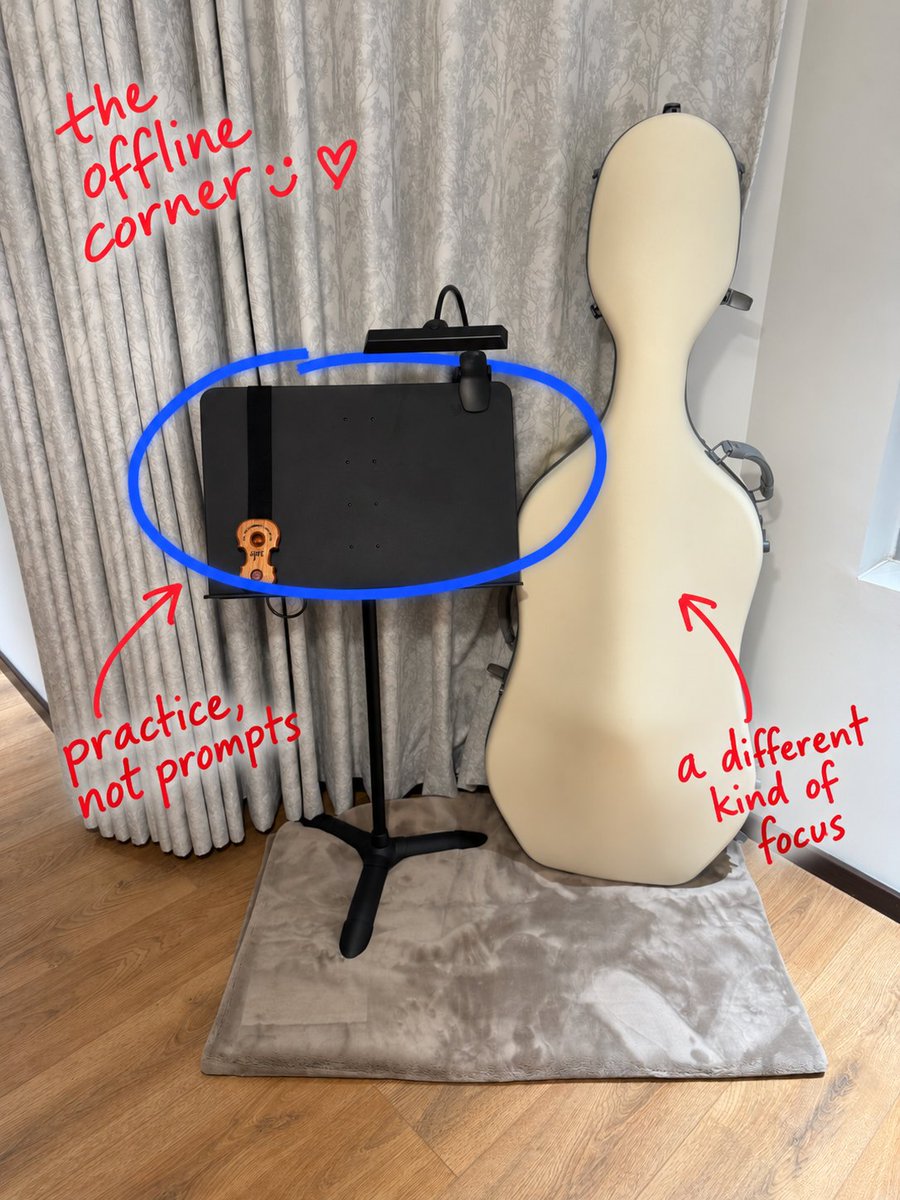
@BrianRoemmele It's as if my electronic wind instrument could stop me from playing along Miles Davis or John Coltrane solos while I'm (painfully) trying to learn from them.
Anthropic is insane and insufferably moralizing.
But we already knew that.
@_philschmid@jimmyyangrz That covers resuming polling. What about a crash after the server accepts a job but before its ID is saved? Is there an idempotency key or lookup by client request ID, so a retry won’t start a duplicate paid job?
@DrJimFan How do you test reward robustness once a policy starts optimizing against Flora? I’m especially curious about cases where the video looks like progress but the task state is still wrong. Is a held-out set of such failures part of the recommended setup?
The Myth of “Love Learning”
People often ask me how to get better at chess. My answer is almost the opposite of what people expect.
You don’t have to love learning.
In fact, if you wait until you love the process, you’ll probably never become very good.
We romanticize improvement. We imagine great players waking up excited to study endgames, analyze losses, or memorize opening lines. Sometimes that’s true. Most of the time it isn’t.
Improvement is often boring.
The difference between an amateur and a professional isn’t that the professional enjoys every minute. It’s that they keep going when they don’t.
People say children are fearless learners. I’m not so sure.
Children quit things constantly. Piano. Swimming. Languages. Football. Chess. They usually continue only because someone else insists they do. Parents. Teachers. Coaches.
Discipline often comes before passion, not after.
The same is true for adults.
We tell people to “follow your curiosity.” That’s wonderful advice if curiosity happens to last. Usually it doesn’t.
Every meaningful skill has a point where curiosity runs out and routine takes over.
That’s where improvement actually begins.
Chess certainly did not always feel like play to me.
There were tournaments where the last thing I wanted to do after six hours of defending a miserable endgame was analyze another five hours.
There were openings I studied not because they fascinated me, but because my opponents forced me to.
There were positions I analyzed simply because they were objectively important.
Not because they were fun.
Because they needed to be done.
People often criticize schools for asking the wrong questions.
But there’s another side to that story.
If everyone only studied the questions they found interesting, most people would develop huge blind spots.
Sometimes someone else knows what you need to learn before you do.
Nobody is naturally curious about tax law before becoming an accountant. Or anatomy before becoming a surgeon. Or rook endings before losing enough of them.
External structure isn’t always the enemy of learning.
Often it’s the bridge that gets you to the point where genuine curiosity develops.
The biggest obstacle isn’t fear of looking stupid.
It’s our addiction to doing only what feels rewarding today.
Modern life gives us endless opportunities to switch the moment something becomes difficult.
A new opening.
A new productivity system.
A new app.
A new hobby.
Very few people simply keep doing the same useful thing for years.
That’s the superpower.
So when people ask how to improve at chess, I don’t tell them to fall in love with learning.
Love helps.
Curiosity helps.
Being willing to fail helps.
But none of those are reliable.
Build habits that survive the days when none of those feelings are there.
Because mastery isn’t built on motivation.
It’s built on showing up after motivation has left the room.
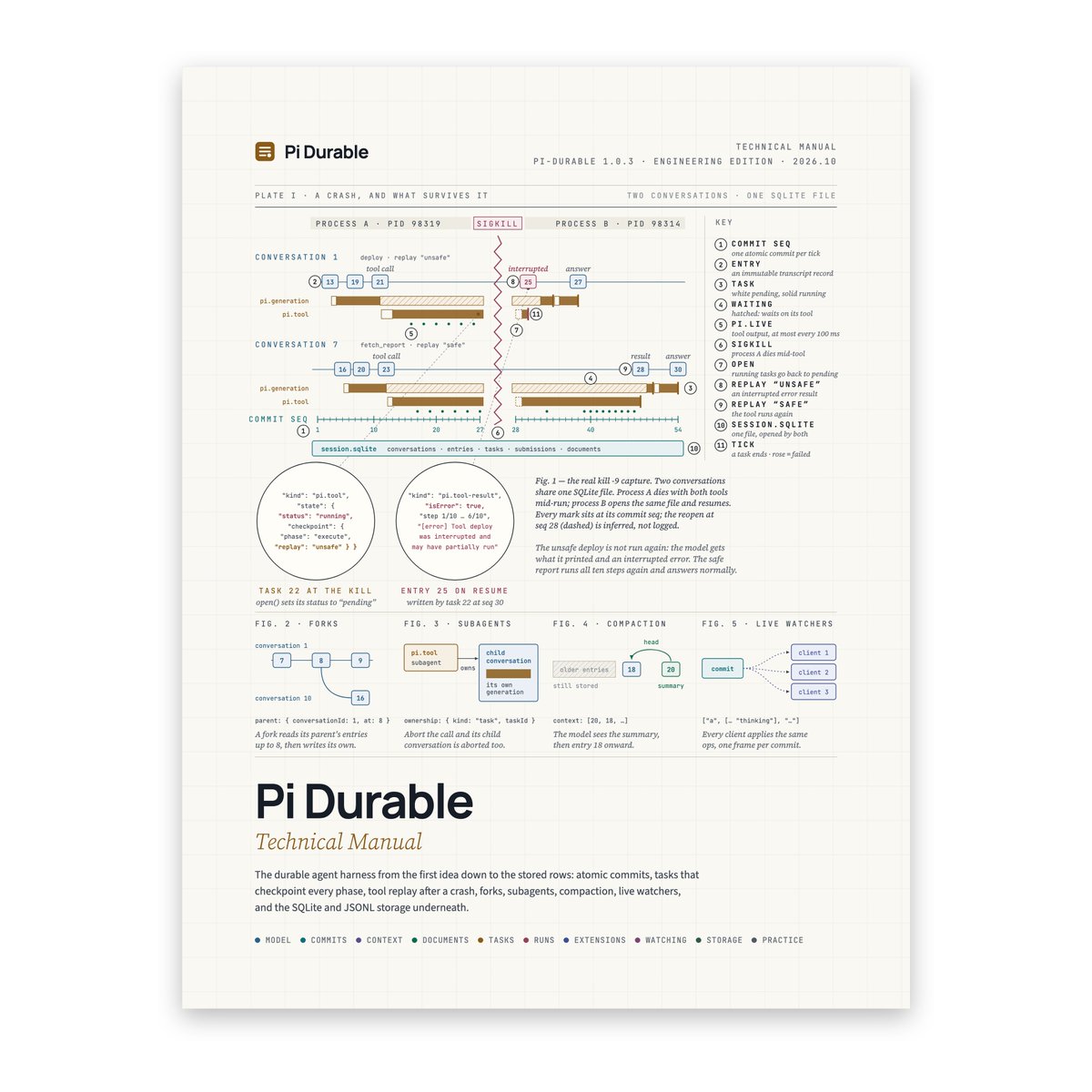
Pi Durable is awesome! Asked Opus 5.5 to make a deep technical manual on it.
It's really good and the diagrams work really well to explain things 🤌
https://t.co/SBjAR5Zcxj
We made a thing today 👉 https://t.co/XoIzdTfhOL
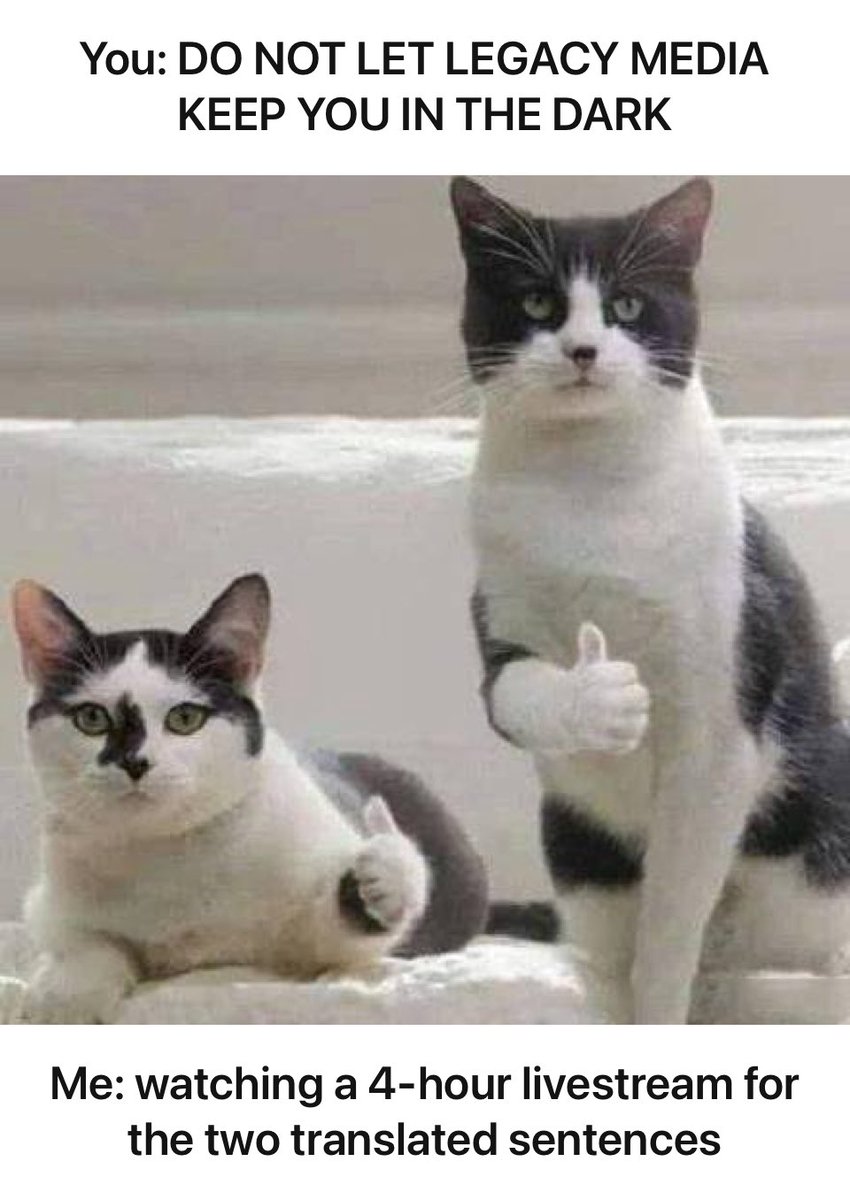
I've spent 15 years in media—making stories go viral @HuffPost@YahooNews , and turning @newsbreakApp into America's most popular news app. I've worked through generations of algorithms to help content find people.
Things changed. Thanks to AI, today finding something new has never been easier. The hardest thing right now, ironically, is to find something you've already found. What?!
@OpenAI@claudeai know almost everything—except what you saw on X or YouTube last week. Where the hell did it go?
@mem0ai@supermemory call it a “memory layer.” It's a chat log—full of things I asked a bot to do, not the things I found worth keeping.
We believe the missing piece is everything that happened BEFORE THE PROMPT. What you read, watched, and chose to keep.
Later, just ask ChatGPT/Claude or whatever you use: "What was that thing about...?" Get back the exact sentence. The exact moment in the video. With the source.
Try Ancher 👉 https://t.co/XoIzdTfhOL
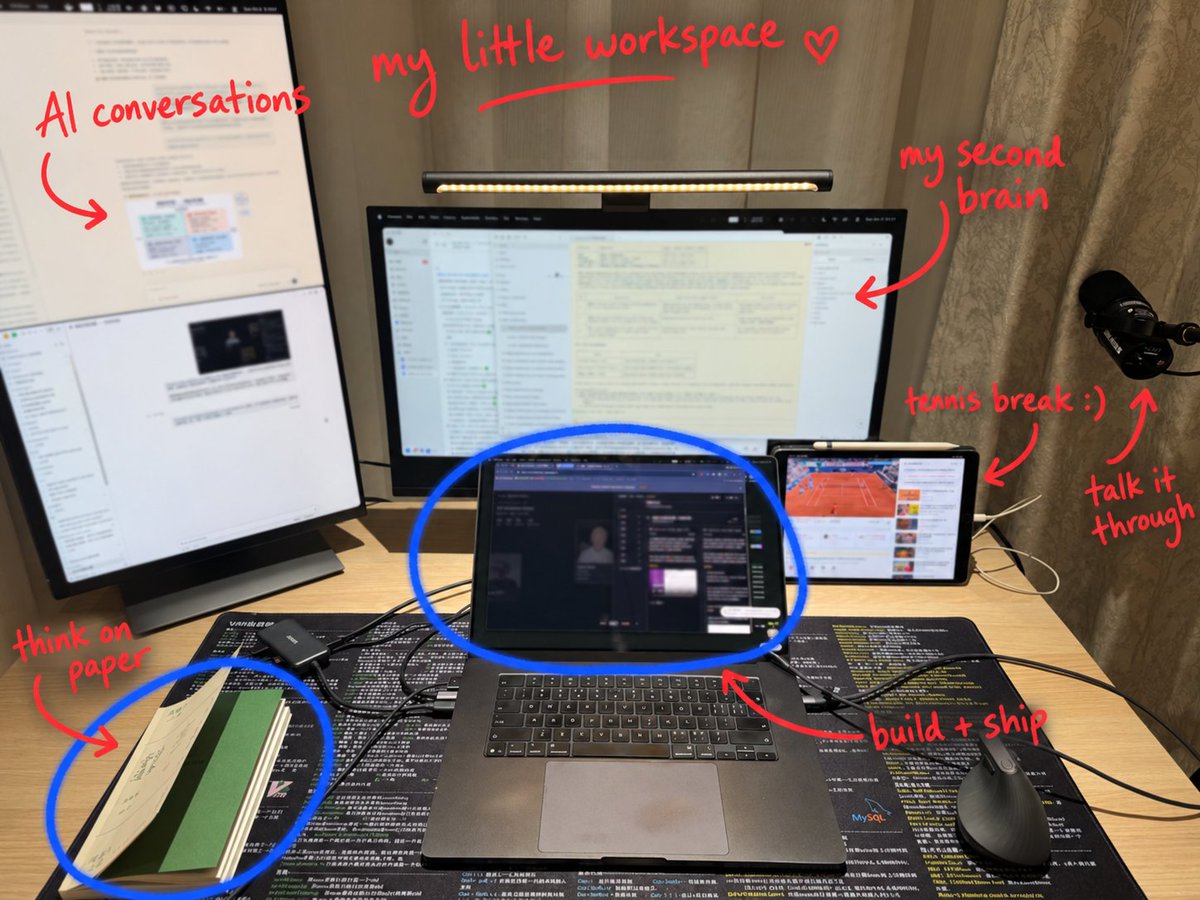
Had the pleasure of putting together a little workspace tour and sharing a few thoughts on my workflow.
AI conversations on one screen, my second brain on another, and a notebook for thinking things through. A little tennis and music between builds.
Build, think, reset. Repeat.
We have seen such an immense swell of demand that we have to temporarily pause signups for Jev. We need to ensure quality of service for our existing signups, which will continue to function. We are working diligently to ensure open access to Jev for everyone as soon as we can. Thank you.