At Sukau Rainforest Lodge, every journey includes English-speaking guides, ensuring you won’t miss a single detail of your experience. Whether you’re exploring the lush rainforests or cruising the rivers, our guides are here to make your trip informative, and unforgettable. 🦜✨
Let’s explore how our lodge has embraced sustainable construction practices to minimise our environmental footprint and contribute to the conservation of our surrounding ecosystems.
⭐ READ MORE: https://t.co/avC5GS3SOW
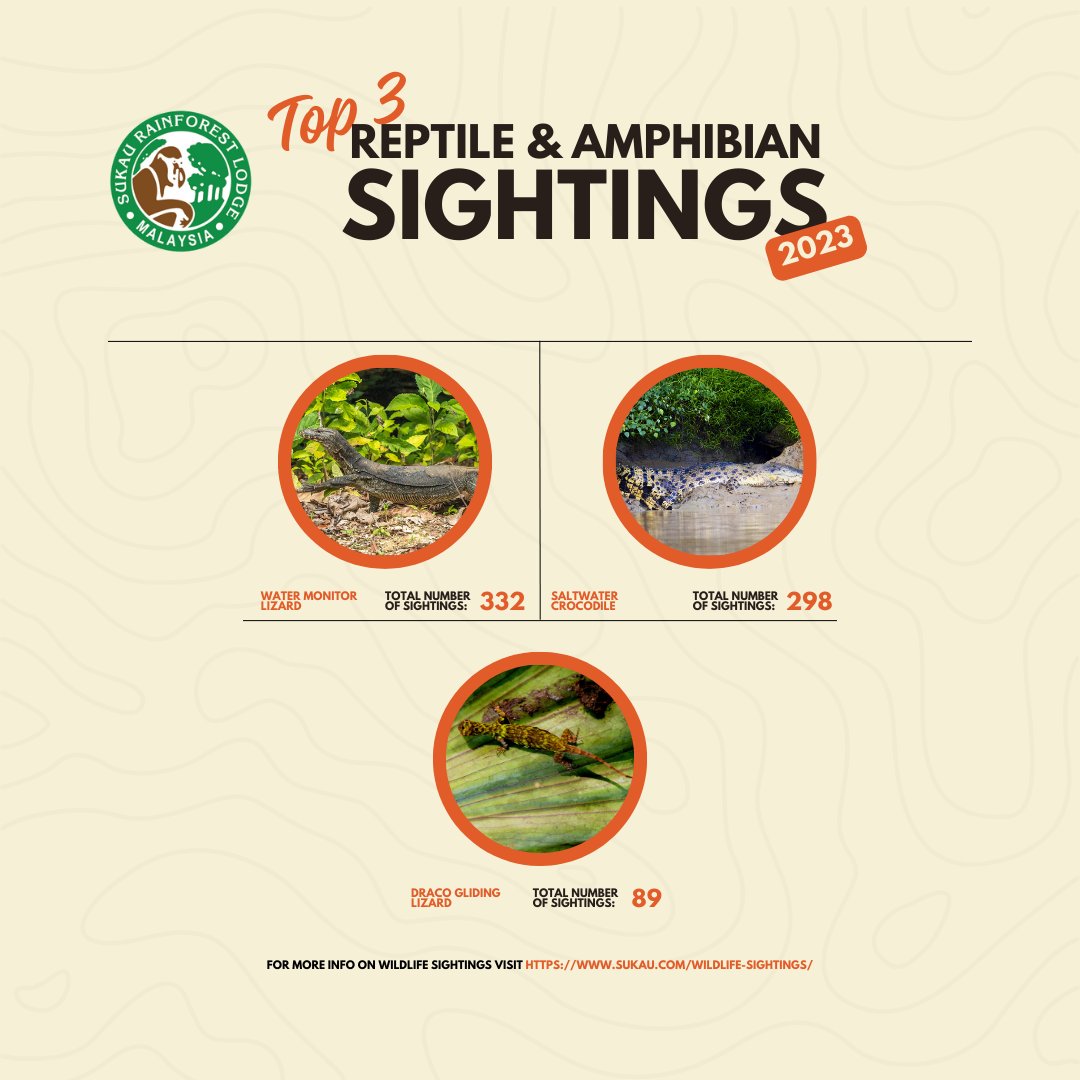
In Kinabatangan, commonly sighted reptiles include the Water Monitor Lizard and Saltwater Crocodile, known for their size and adaptability.
These reptiles play crucial roles in the ecosystem, adding to Kinabatangan's allure for wildlife enthusiasts.
(Observation-based data)
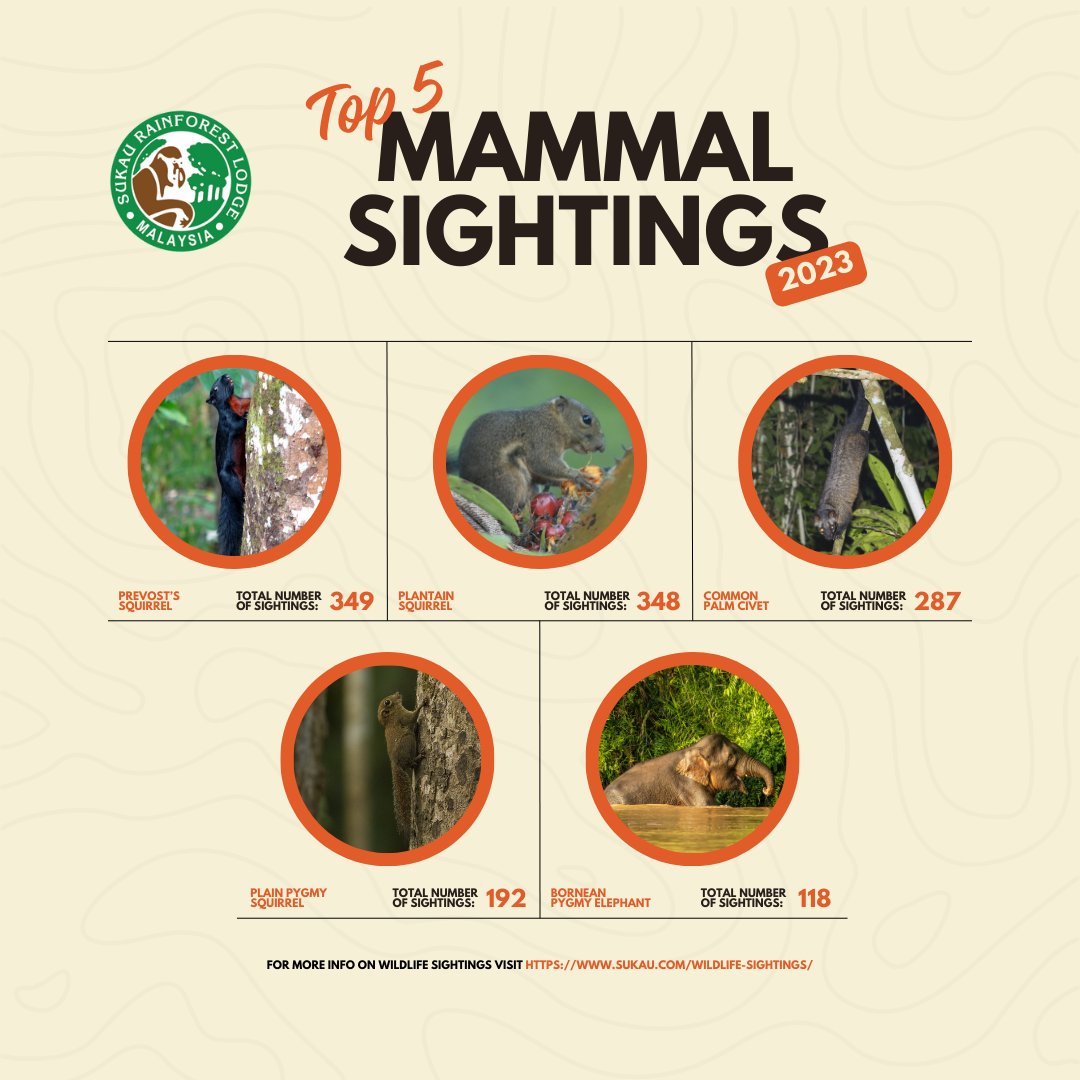
In Kinabatangan, the most commonly sighted mammals in 2023 are the Prevost's Squirrel, Plantain Squirrel, and Common Palm Civet, often seen due to their adaptable nature and prevalence.
*Please also note that these data are not 100% accurate and are based solely on observations.
Kinabatangan is a prime location for primate sightings, with the Proboscis Monkey, Pig-tailed Macaque, and Long-tailed Macaque being the most commonly seen throughout the year of 2023.
*Please note that these data are not 100% accurate and are based solely on observations.
The Hornbill Boardwalk at Sukau Rainforest Lodge incorporates ecotourism initiatives, using locally sourced wood, including driftwood, to avoid cutting fresh timber. Built by a local construction company with workers from Sukau, it supports the local community and economy.
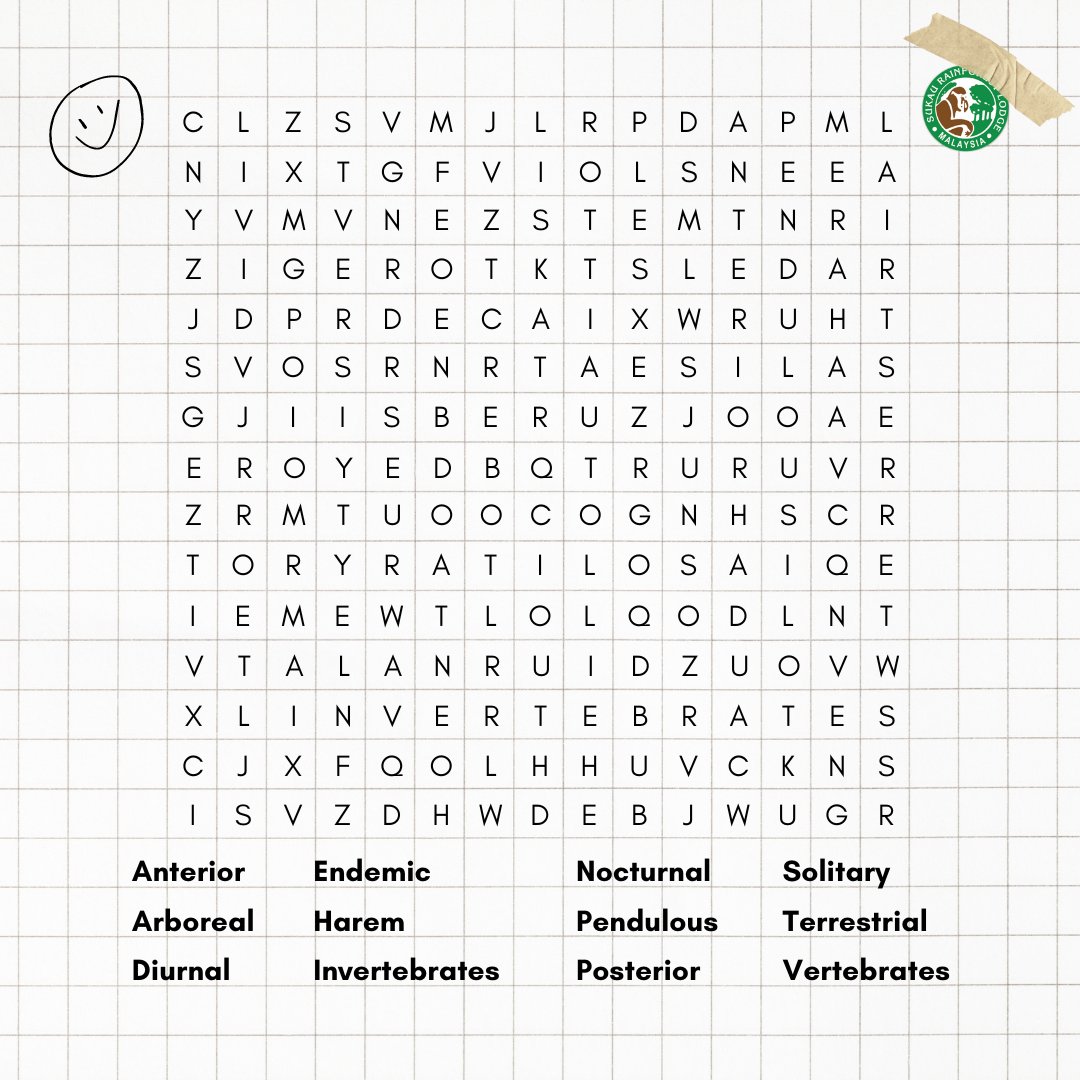
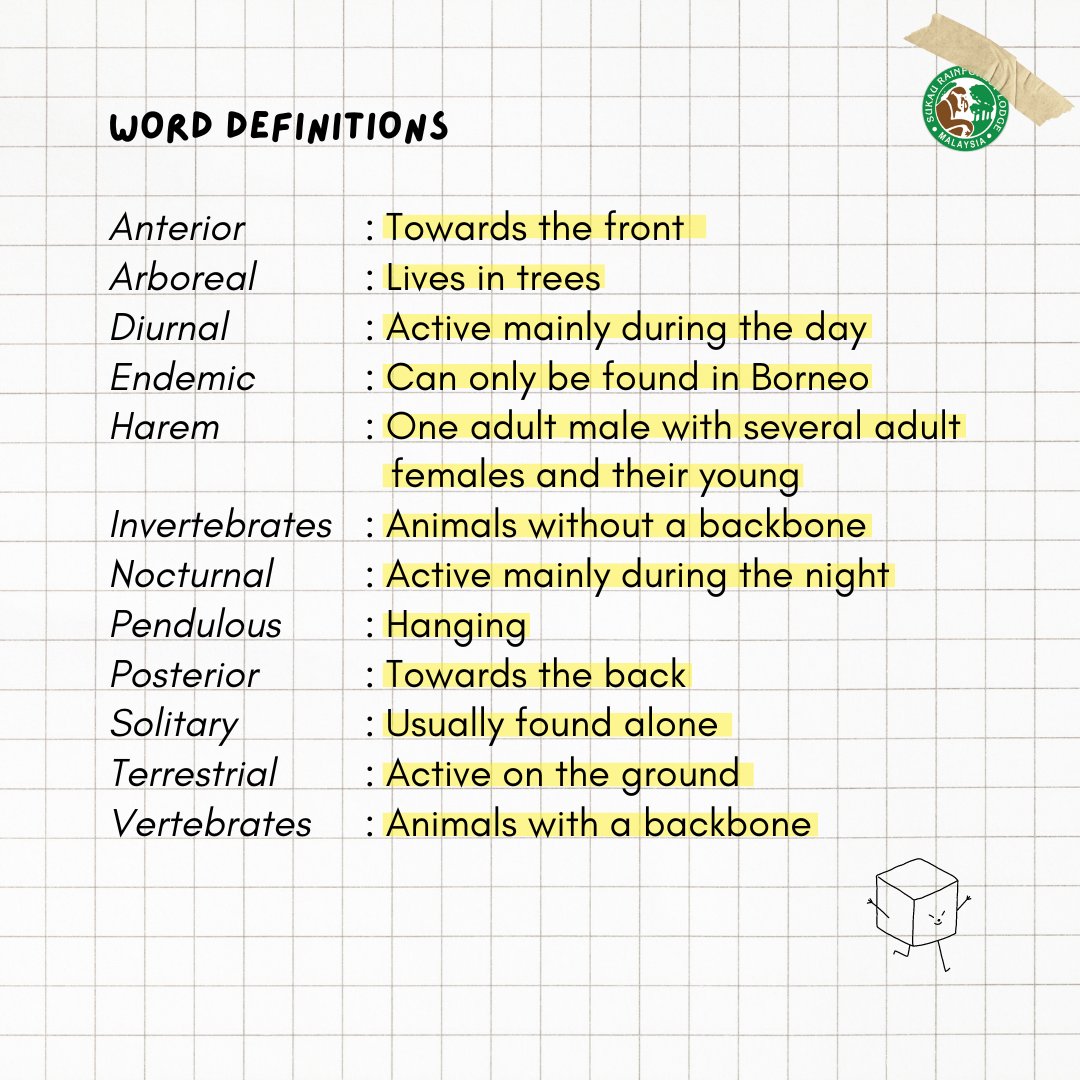
Enhance your wildlife knowledge with our detailed glossary!
Dive into the fascinating world of wildlife terminology to deepen your understanding of the natural world and become a wildlife expert! 🌿🦜🌞🌙🦎
Clusters of many species of wild ginger can be seen in abundance around the Hornbill Boardwalk.
It can be used to treat a huge array of ailments such as nausea and toothache.
The more you know 🌈
The fig family is a common and vital part of the Sabah rainforest. And where there are fig trees, there are also fig wasps!
The fig tree and fig wasp rely on each other to survive. The tree would be sterile without the wasp and the wasp would become extinct without the tree.
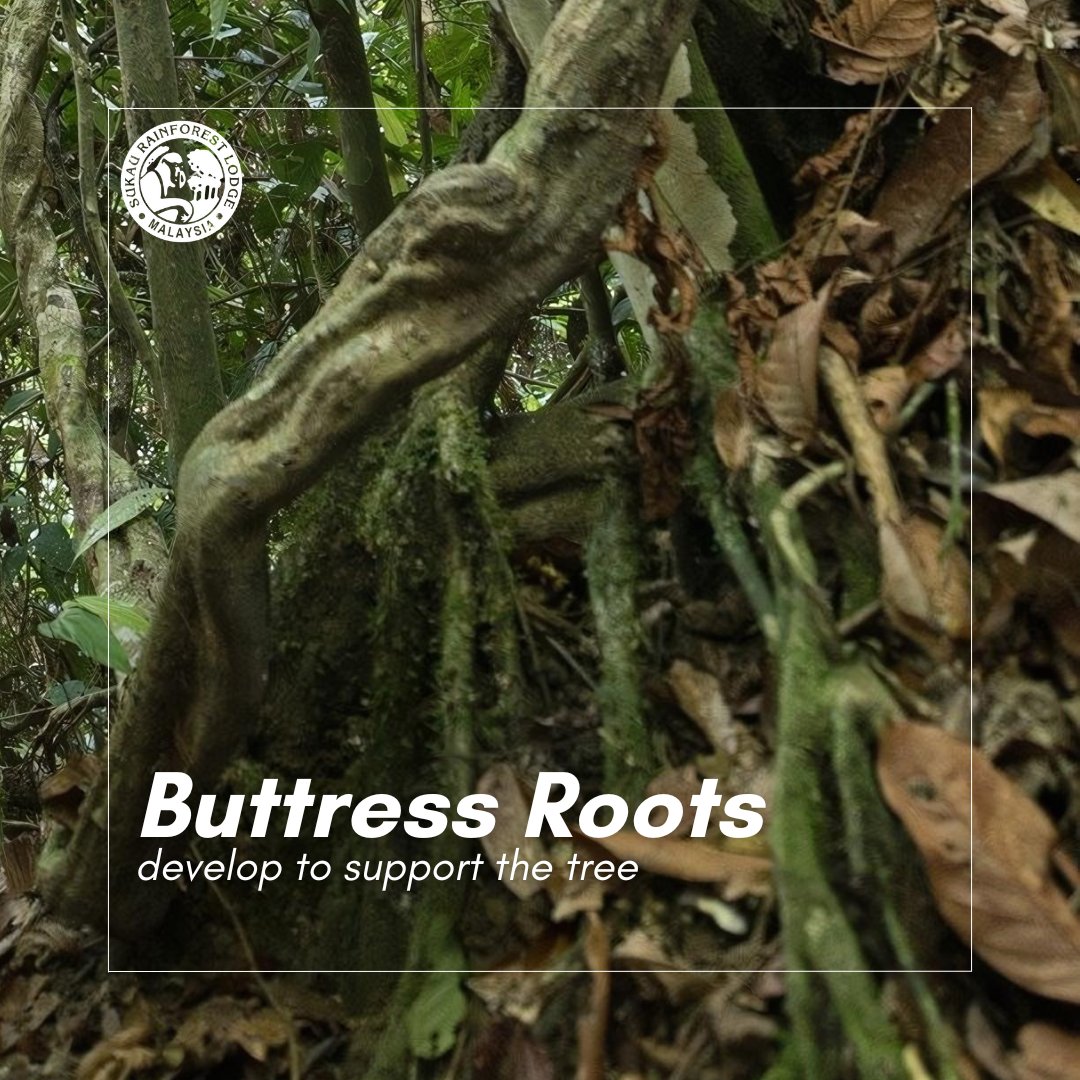
On many of the larger trees around the Hornbill Boardwalk, buttress roots develop to support the trees. They grow from the base of the trunk and can reach up to 15 feet up the tree. They also increase the surface area covered so that they can absorb more nutrients.
Bornean gibbons, also known as agile gibbons, are famous for their breathtaking brachiation.
This form of locomotion allows them to navigate the dense canopy of the rainforest with ease, covering distances quickly while also avoiding predators and accessing food sources.
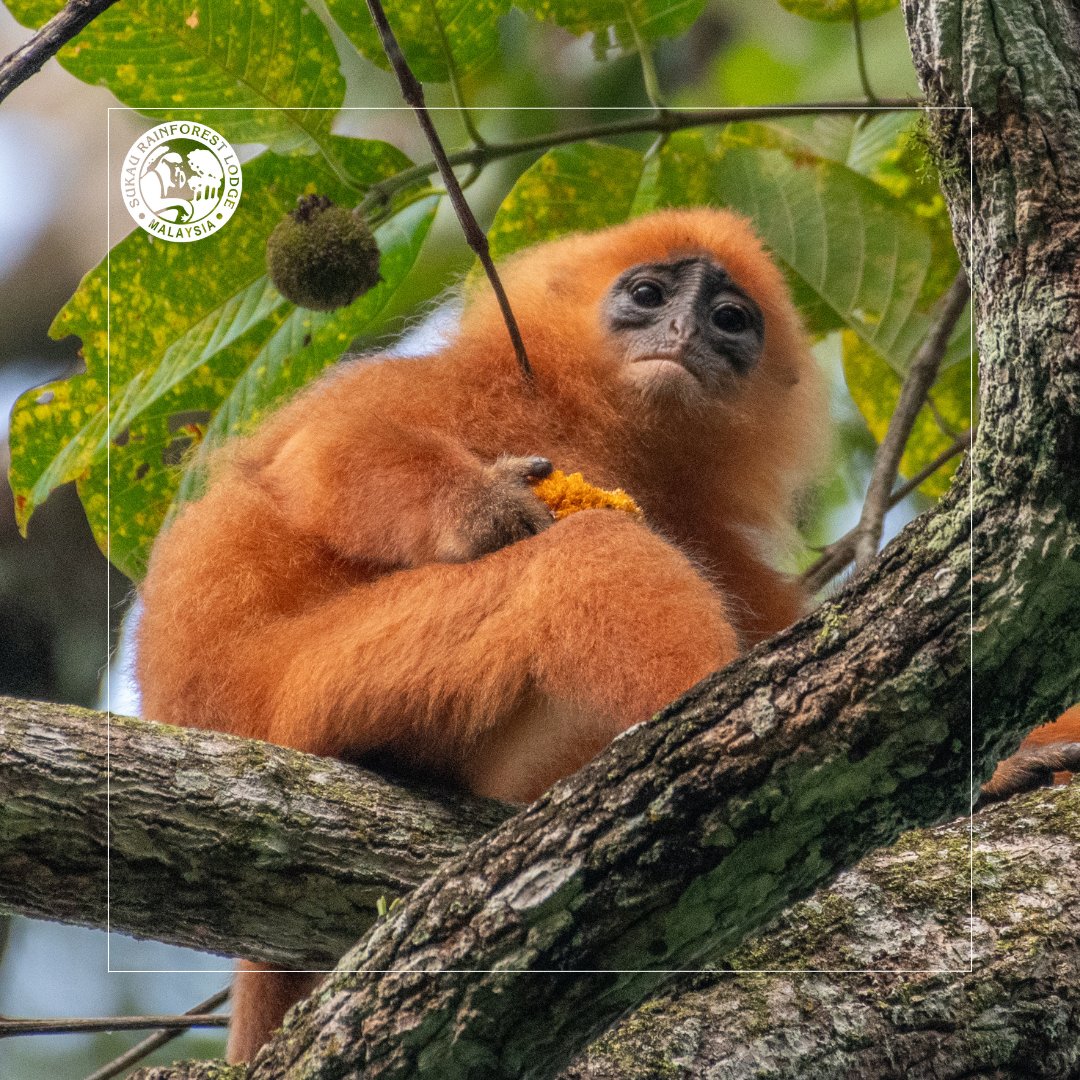
Did you know that when a Maroon Langur grooms (itself), it serves not only as a hygienic activity but also as a means of social bonding and conflict resolution within the group.
The more you know 🌈
Fun fact - the seed pods of ginger found at the plant's base were once a popular sweet in Sabah, Malaysia before the widespread availability of sugar.
A small bat species called "Whiskered Myotis" may also be observed in the furled central leaves of wild ginger🦇
The fig family is a common and vital part of the Sabah rainforest. It comes in a variety of forms, including the 'strangling fig'.
In total there are 109 known species of fig trees that exist in Borneo. At our Hornbill Boardwalk, you can find five strangling fig trees.
Did you know that the forest of the lower Kinabatangan Floodplain is largely second generation forest?
Approximately 85% of the original rainforest was sacrificed for agricultural uses.
So it’s important that we conserve the remaining forest for reforestation projects.
The Canopy Walkway at the Rainforest Discovery Centre on its own is a sight to behold but the chance to see this squirrel makes the visit 10x more worth it.
@albicilla66 Yes! Due to its significance to Chinese merchants back in the day.
To learn more on the history of the river, visit https://t.co/XvKKY4dBDK
Did you know? The name "Kinabatangan" is believed to have derived from the words "Kina" (China) and "Batang" (river), reflecting its historical importance in trade.
Did you know? The Slow Loris possesses a toxic bite that can deliver a venomous punch to their adversaries, making them one of the only venomous primates on the planet.
Did you know? Bornean pygmy elephants are the smallest elephants in Asia and one of the smallest elephant species in the world, standing at around 2 to 2.5 meters tall at the shoulder. They are found exclusively on the island of Borneo.