“The children are always ours, every single one of them, all over the globe; and I am beginning to suspect that whoever is incapable of recognizing this may be incapable of morality.” ~James Baldwin
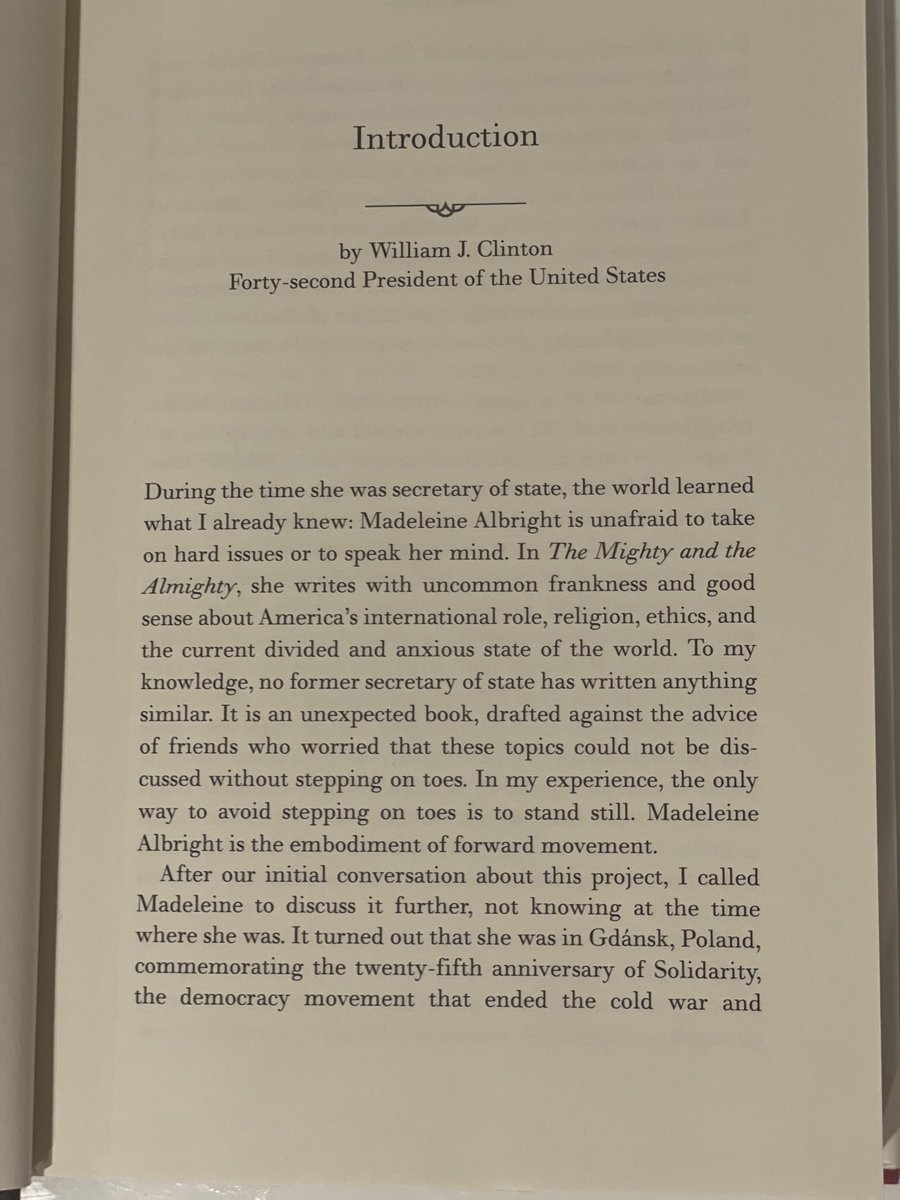
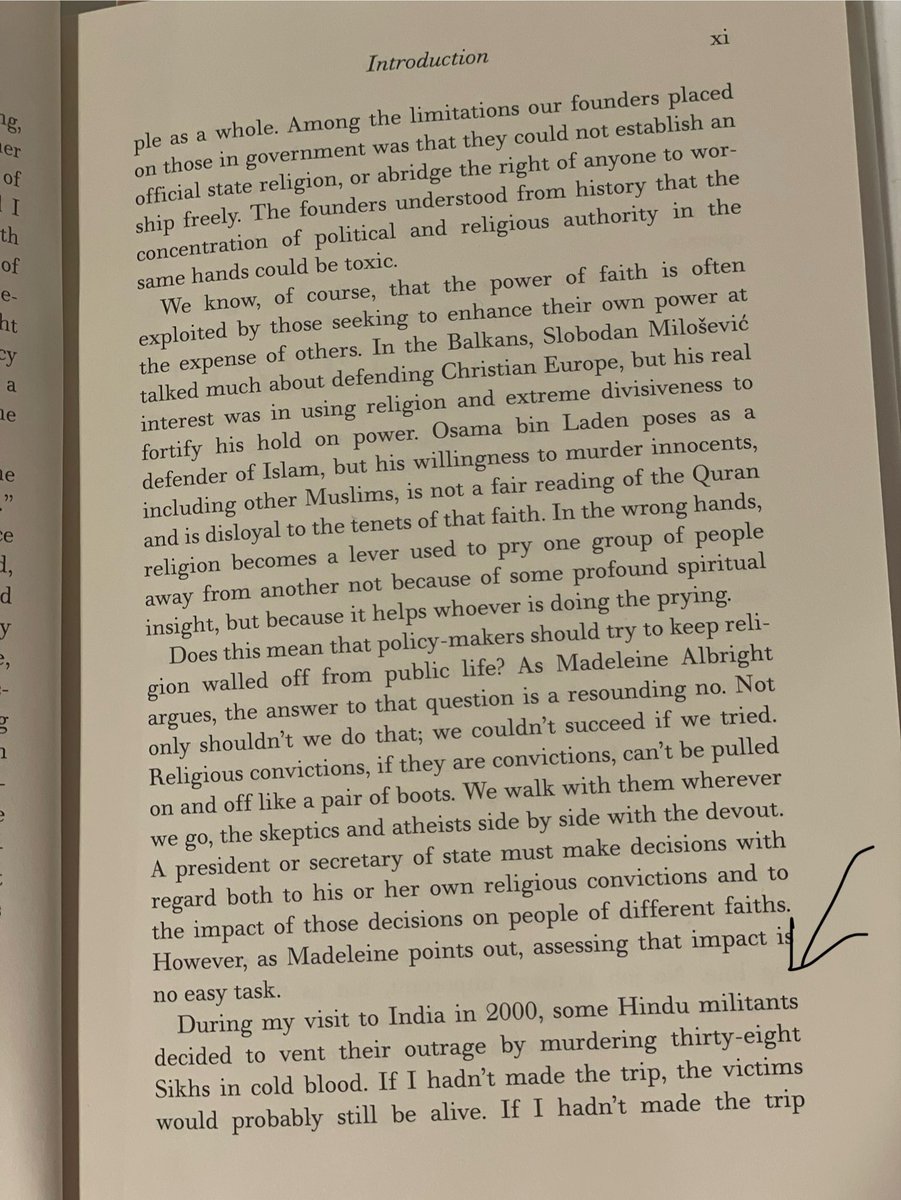
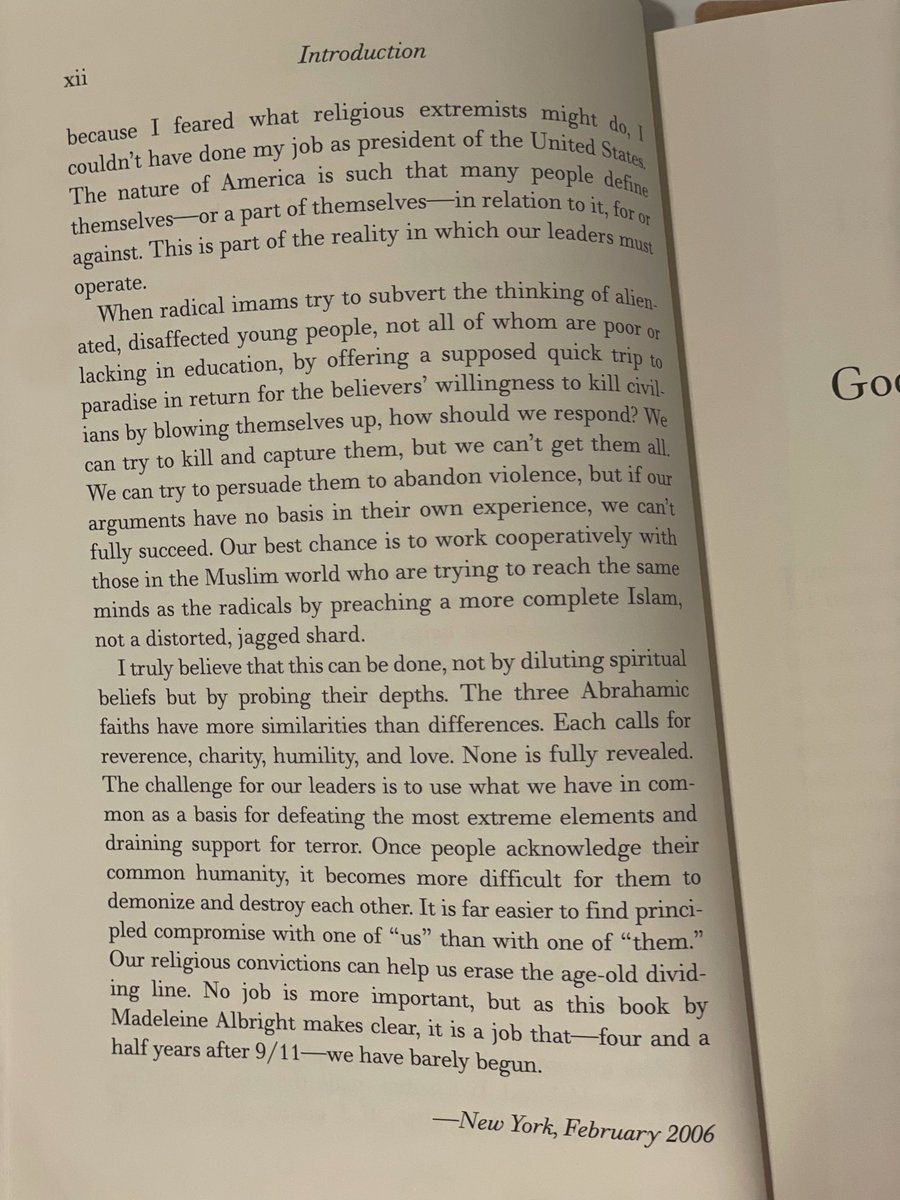
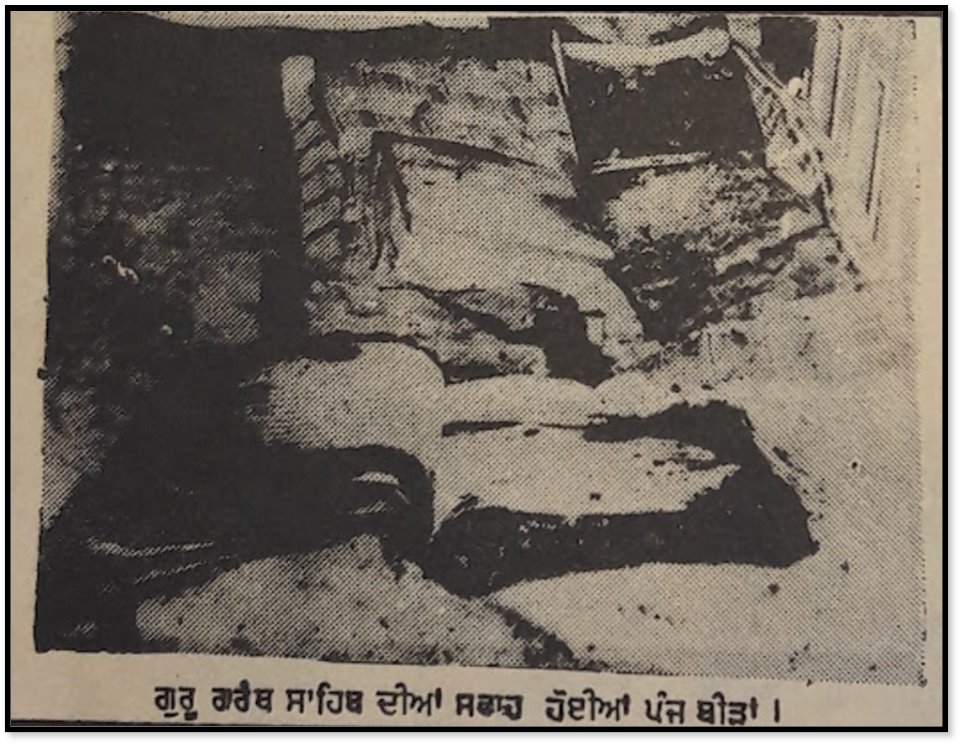
✍🏾Saka Nakodar martyrs were unarmed and peaceful. As they marched to Gurdwara to collect the remains of Sri Guru Granth Sahib Ji saroops set ablaze in an act of sacrilege, Punjab police, CRPF and BSF opened live fire without warning or required judicial permission.
🇸🇩 🇦🇪 Nick Kristof, New York Times:
“Neither the Biden nor Trump administration was willing to offend the UAE by holding it accountable for what Washington described as the genocide unfolding in Sudan. Trump, whose family is enriched by business dealings with the UAE, is silent. So the slaughter continues.
The UAE even has a candidate for UN Secretary General, and people are too polite to point out that a country empowering mass atrocities might not be ideal for that role.”
📌 Full column is linked below.
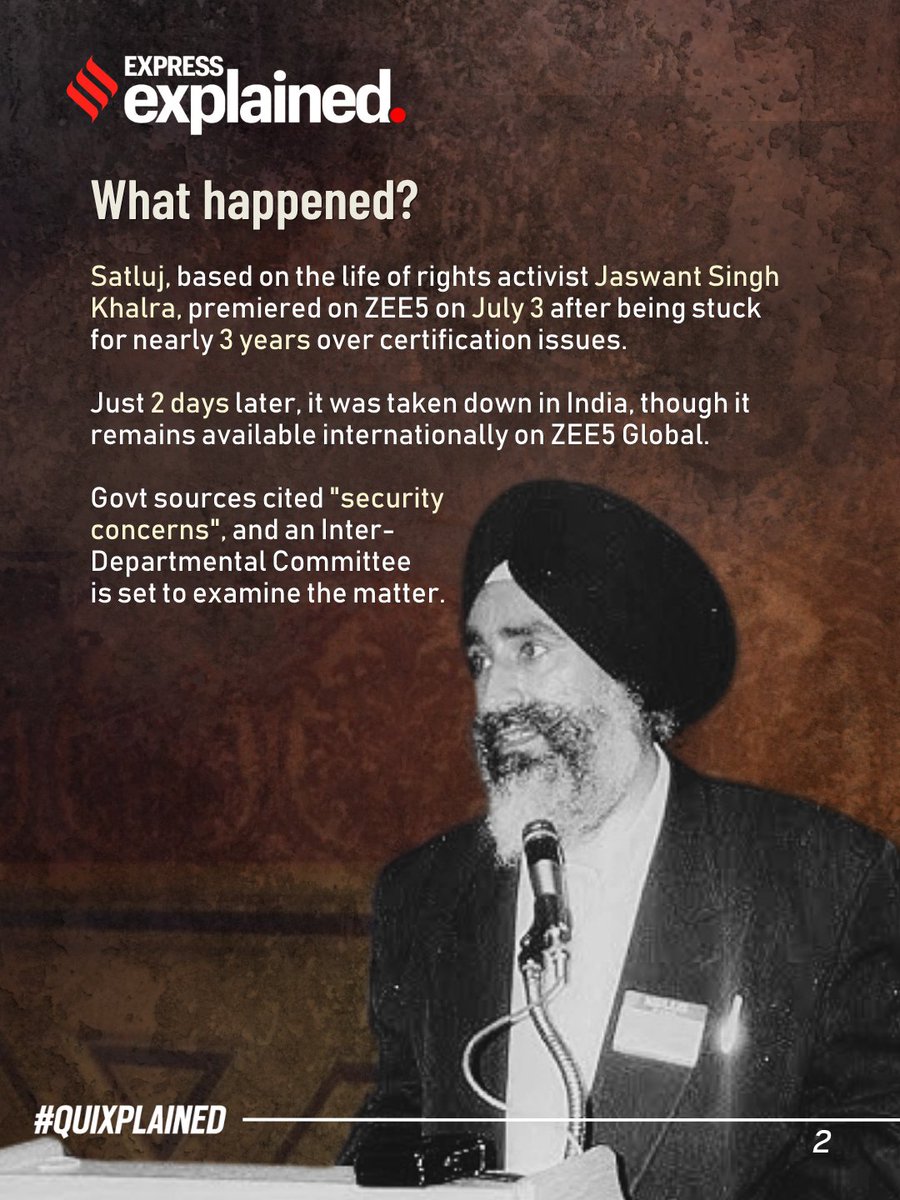
The removal of Satluj from ZEE5 just two days after its release has put the spotlight on India’s parallel regulatory frameworks governing theatrical releases and OTT platforms.
While films released in theatres are regulated under the Cinematograph Act, 1952, and require CBFC certification, streaming platforms are governed by the Information Technology Rules, 2021.
The film, based on the life of rights activist Jaswant Singh Khalra, was earlier denied a theatrical release after the CBFC sought 127 cuts, which the makers refused.
Government sources have cited security concerns over the film. It has reportedly been taken down under Section 69A of the IT Act, while an Inter-Departmental Committee constituted under the IT Rules is set to examine the matter.
Click on the 🔗 below to read the article.
https://t.co/dAn3DDV9FM
Written by: Apurva Vishwanath
Design by: Violina Bora
I join UN experts in urging Israel to immediately release Palestinian Dr. Hussam Abu Safiya and all other health & care workers who are arbitrarily detained
Former Punjab Chief Minister @capt_amarinder admits that 21 ‘Khalistani militants’ he arranged to surrender were killed—revealing his complicity in a covert operation that ended in extrajudicial executions.
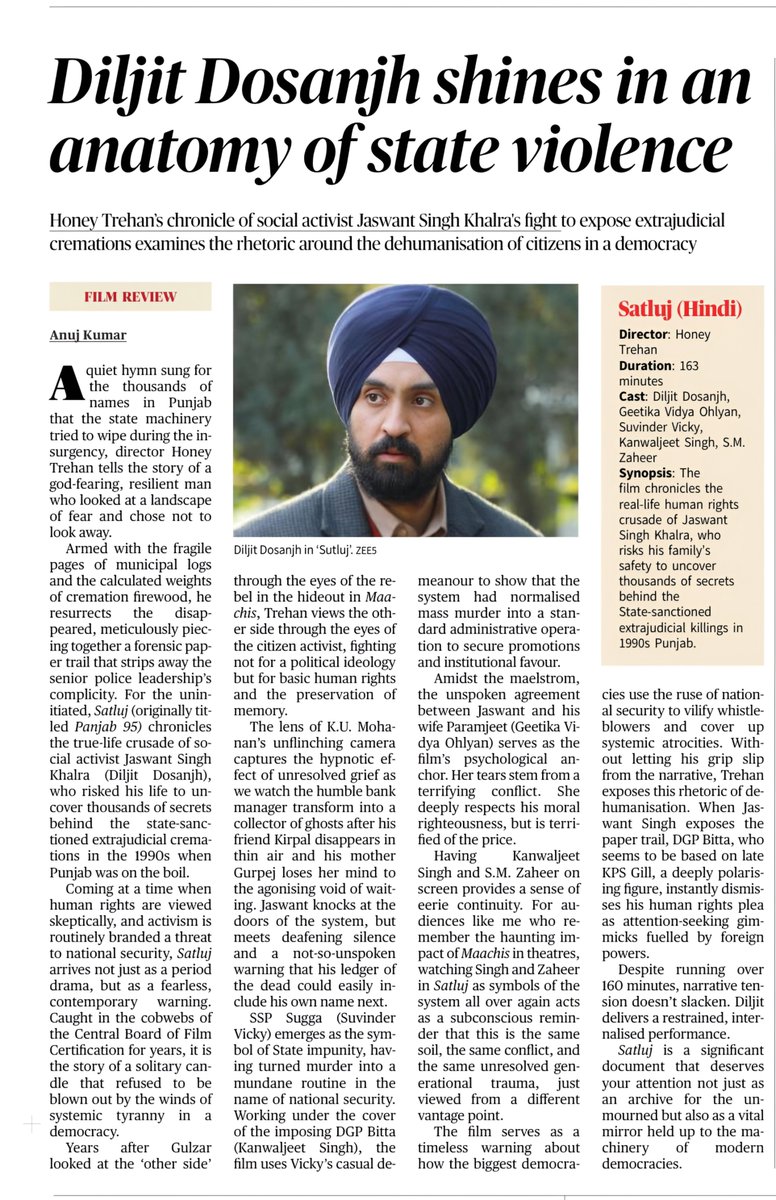
A must read #Satluj review from today's @the_hindu. Many wondering why it is being condemned & banned, haven't even watched it, yet accepted that it's anti-national.
The real reason is revealed here. Read - The film serves as a timeless warning about how the biggest democracies use the ruse of national security to vilify whistleblowers and cover up systemic atrocities.
Without letting his grip slip from the narrative, Trehan exposes this rhetoric of dehumanisation. When Jaswant Singh exposes the paper trail, DGP Bitta, who seems to be based on late KPS Gill, a deeply polarising figure, instantly dismisses his human rights plea as attention-seeking gimmicks fuelled by foreign powers.
Satluj is a significant document that deserves your attention not just as an archive for the unmourned but also as a vital mirror held up to the machinery of modern democracies.
Anything Pro-humanity are often labelled anti-national becoz they expose an inhuman state apparatus using arbitrary powers to exploit ordinary people under the guise of law and order.
The Reason why Satluj has been banned.
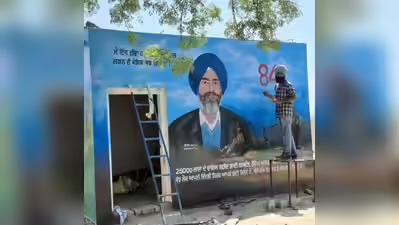
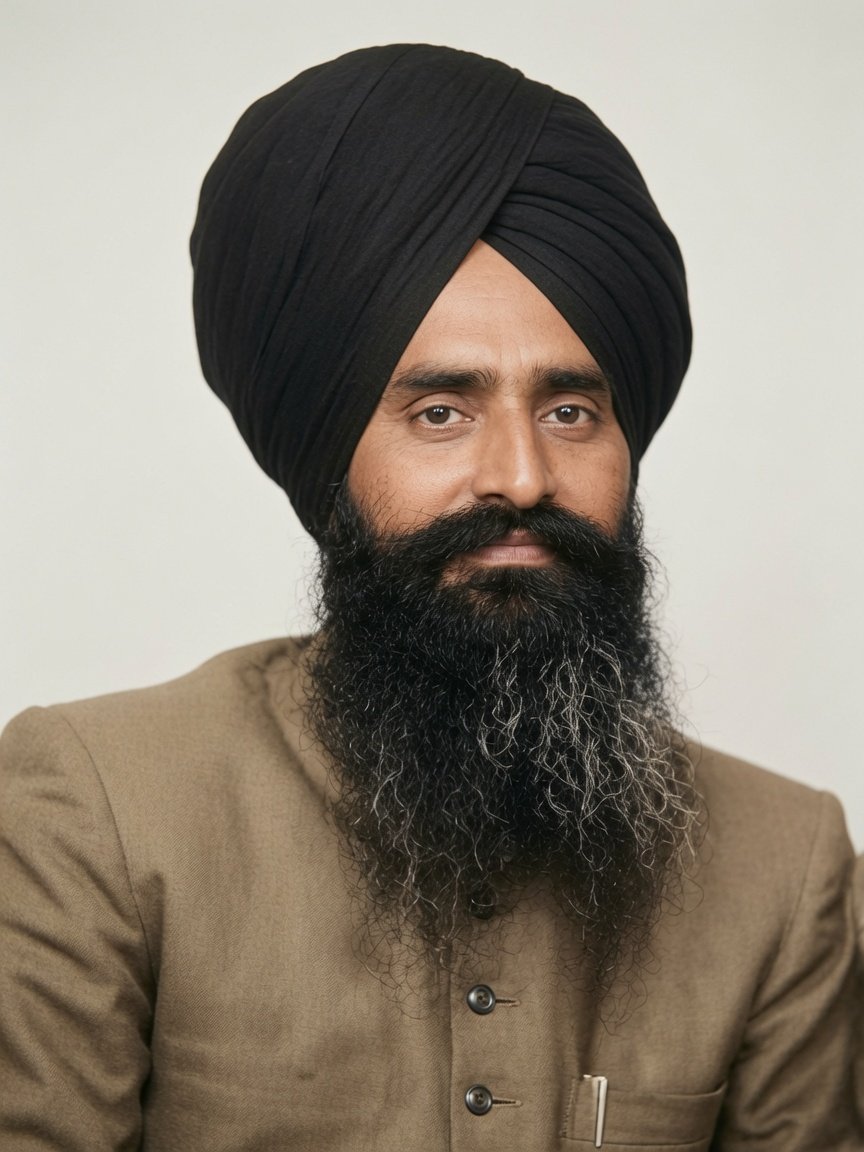
"My father [JS Khalra]was a law-abiding citizen. Ironically, even the Punjab police never claimed he had committed any offence. There was not a single criminal case registered against him. So the obvious question is: if he had committed no crime, why was he abducted and killed?"
⚡️ Armed Israeli settlers blocked Rep. Ro Khanna from leaving Khirbet Zanuta in the occupied West Bank for 90 minutes as Israeli troops stood by and later blocked the road, the New York Times reports citing footage shared by the congressman and his team.
Khanna was on a three-day, Palestinian-led tour of the West Bank, meeting Palestinian families, local officials and business owners and visiting communities subjected to settler violence, displacement and intrusive Israeli restrictions.
“One of the things it’s made me realize is how hard a two-state solution is going be in practice, that it’s going require the removal of a lot of violent settlers,” he told the New York Times.
Khanna also said the racism was unmistakable: “In Palestine, I felt first as someone who was brown,” he said. “We really saw the apartheidlike conditions, the inequality.”




![sakanakodar's tweet photo. "My father [JS Khalra]was a law-abiding citizen. Ironically, even the Punjab police never claimed he had committed any offence. There was not a single criminal case registered against him. So the obvious question is: if he had committed no crime, why was he abducted and killed?" https://t.co/SH6t74qudE](https://pbs.twimg.com/media/HM6Zzzja0AAclPn.jpg)






![sakanakodar's tweet photo. "My father [JS Khalra]was a law-abiding citizen. Ironically, even the Punjab police never claimed he had committed any offence. There was not a single criminal case registered against him. So the obvious question is: if he had committed no crime, why was he abducted and killed?" https://t.co/SH6t74qudE](https://pbs.twimg.com/media/HM6Z3mhasAAbe7U.jpg)




