Muhteşem parsımız aylar sonra bir kez daha fotokapanımıza poz verdi.🐆
Gökyüzü yorganın, yeryüzü yastığın, Anadolu her daim yuvan olsun.
Üniversitelerimiz, uzmanlarımız ve STK’lar iş birliğinde Anadolu Parsı’nın izini sürmeye, neslini korumaya devam edeceğiz.
Efsane Bütün Heybetiyle Bu Kadim Topraklarda Yeniden Görüntülendi✨
📍Anadolu Parsı, Panthera pardus
Bu kadim topraklar ilelebet onun yurdu olsun diye izlerini sürüyor, işaretlerini takip ediyor ve onu koruyoruz.
🐆Dünya Doğa ve Doğal Kaynakları Koruma Birliği IUCN verilerine göre hassas " En Tehlikede" kategorisinde yer alan ülkemiz yaban hayatının nadide türü Anadolu parsı, Genel Müdürlüğümüzce kurulan fotokapanlarla 25 Ağustos 2019 tarihinde ilk kez görüntülendi. 1974 yılından bu yana nesli tükendiği düşünülen Anadolu'nun bu en özel ve ender türünü araştırma, izleme ve koruma faaliyetleri Genel Müdürlüğümüzce titizlikle gerçekleştiriliyor.
✔️Bütün leopar alt türleri arasında en büyük leopar alt türü olan Anadolu parsı, yalnızca biyoçeşitlilik açısından değil Anadolu’ nun tarih ve kültüründe de önemli bir değere sahip.
In a nutshell: In this @ApplVegSci Editorial, we argue that scientists should preferably publish in journals owned by scientific societies or institutions than in journals owned by private publishers. A thread:🧵
#journals#publishing@IAVS5@IavsYoung https://t.co/UdRp97xG8g
6. In summary, if you publish in a private journal, the money goes into private hands. If you publish in a society-owned journal (even one published by a private company), you financially support various scientific activities in your field.
5. The societies reinvest the profit in the development of science by supporting, for example, scientific meetings, activities of young scientists, fellowships for poorly funded scientists, development of communication platforms, public outreach etc.
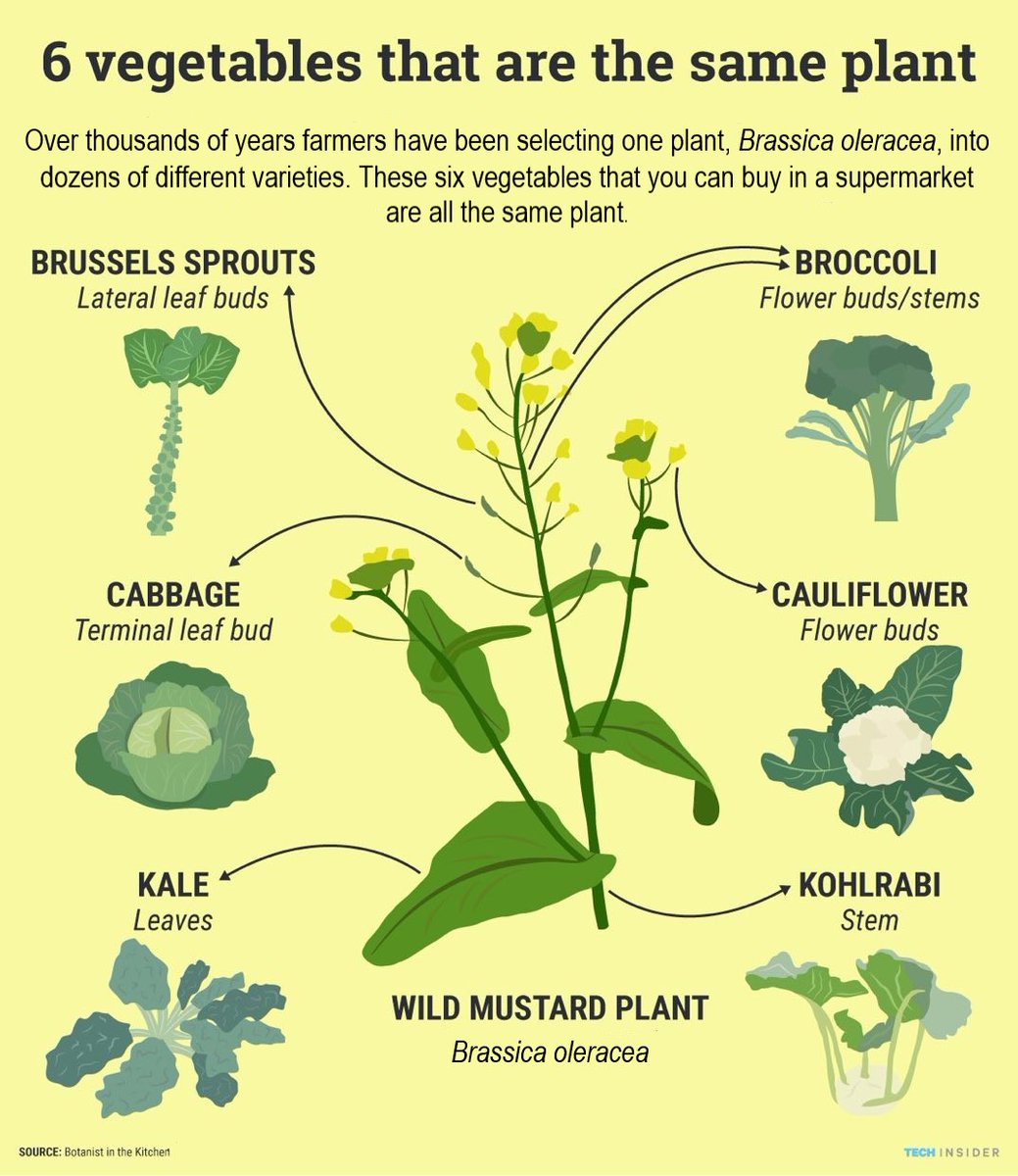
Of course, the best known example of one #plant being developed into many #vegetables is the brassicas, #cabbage family. Includes the very beautiful romanesco. #BUC2023
The absence of a positive relationship between niche breadth and range size of beech (Fagus) species worldwide is possibly driven by high among‐region variation in available niche space, landscape heterogeneity and Quaternary history.
https://t.co/aruFaLVvMb
Broad-scale classification of Mediterranean lowland to submontane pine forest vegetation relies on forest structure for high ranks: Behind the paper post about @ApplVegSci paper by Bonari et al. https://t.co/x7eNQlEj6y via @vegsciblog@IAVS5
After almost 4 years, our broad-scale classification of the Mediterranean lowland to submontane pine forest vegetation is online. It sheds light on the biodiversity, biogeography and environment of the Mediterranean thermophilous pine forests
https://t.co/LGiuVGuyLv
Manifold are the reasons why a species can be here and not there. Here, we attempt to explain the restricted and scattered distribution of natural Pinus pinea forests in western Anatolia and why these forests represent a priority for conservation. See: https://t.co/1jHBvDXnnL