Uruk (Warka)
the first true city in the world, the origin of writing, the first example of architectural work in stone and the building of great stone structures, the origin of Ziggurat and the first City to develop the cylinder seal..
#History#iraqesque#Iraq#photography
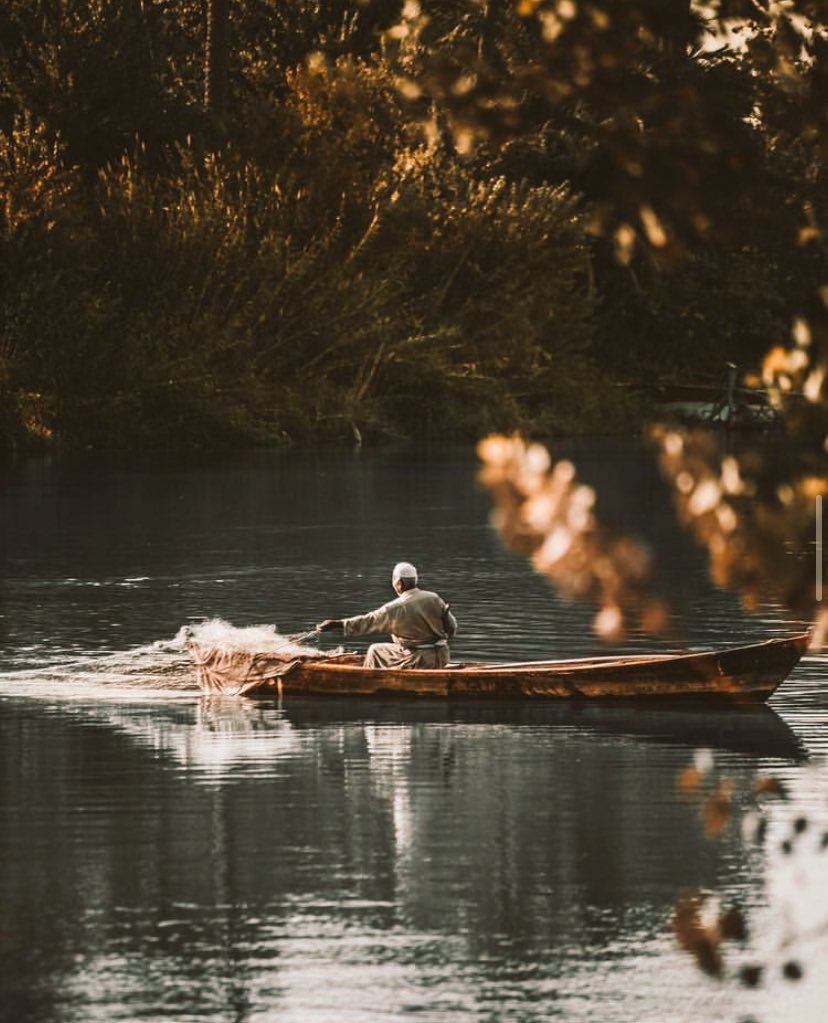
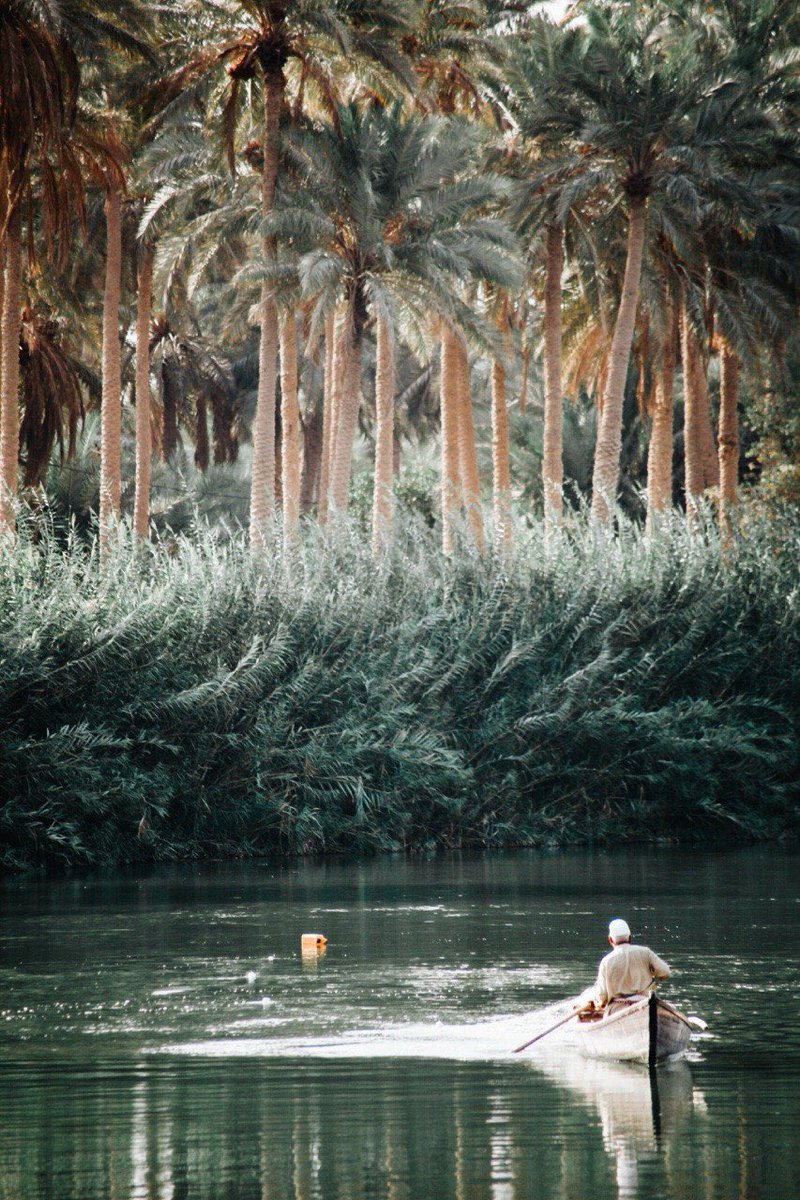
Dark greenish water with emeralds reeds, black buffaloes and white egrets are what make up the Mesopotamian marshes spread out over 3 wetlands. The Hammar, Central and Hawizeh marshes are all desert oases and cover around 3k square km.
#iraqesque#photography#Iraq#life#Iraqi
Uruk (Warka)
the first true city in the world, the origin of writing, the first example of architectural work in stone and the building of great stone structures, the origin of Ziggurat and the first City to develop the cylinder seal..
#History#iraqesque#Iraq#photography
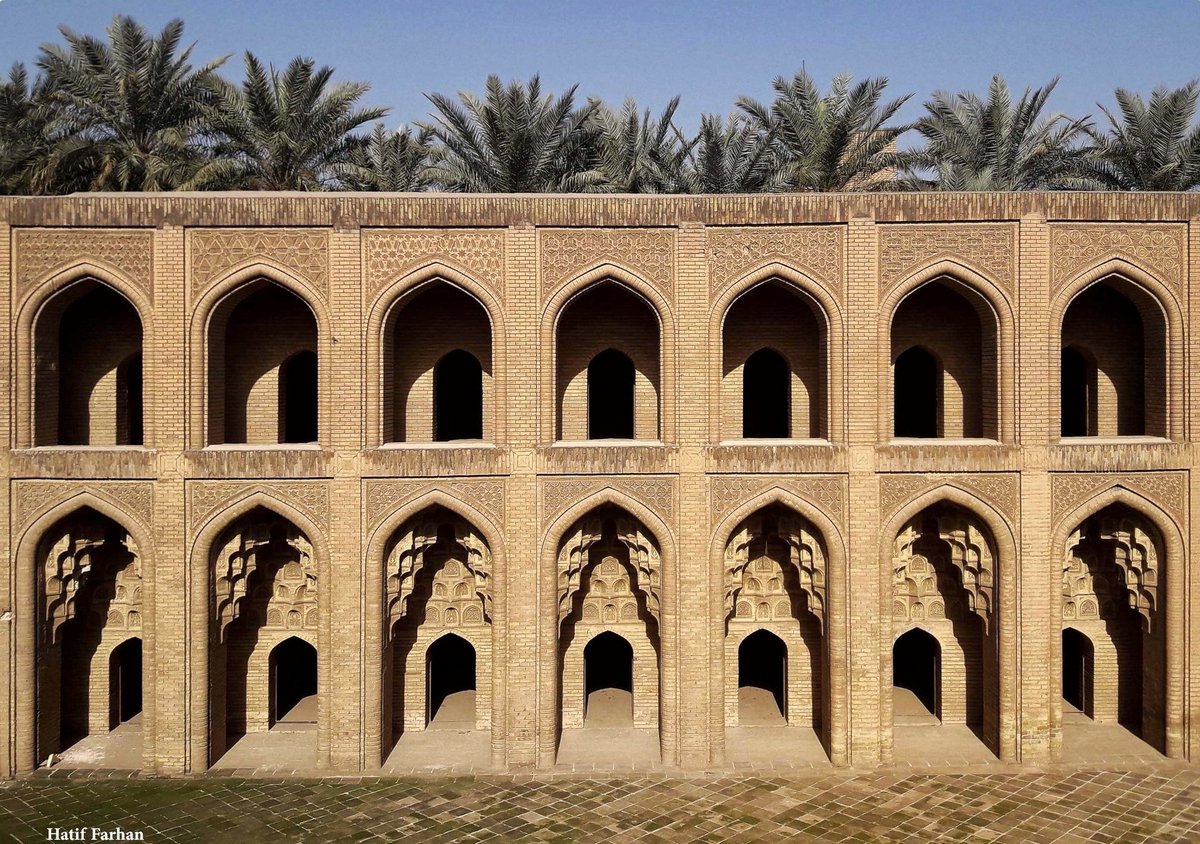
The only Abbasid palace left in Baghdad located near the North Gate overlooking the Tigris.
It's believed to have been built by Caliph Al-Naser Ledinillah (1179 - 1225 AD), in whose reign other notable institutions were built.
#History#Iraq#architecture#silkroad#design
The great Mosque of Samarra and its minaret Al Malwiya.
It was commissioned in 848 and completed in 851 by the Abbasid caliph Al-Mutawakkil
The Mosque was, for a time, the largest in the world.
The malwiya literally means twisted or snail shell and is used in the call to prayer
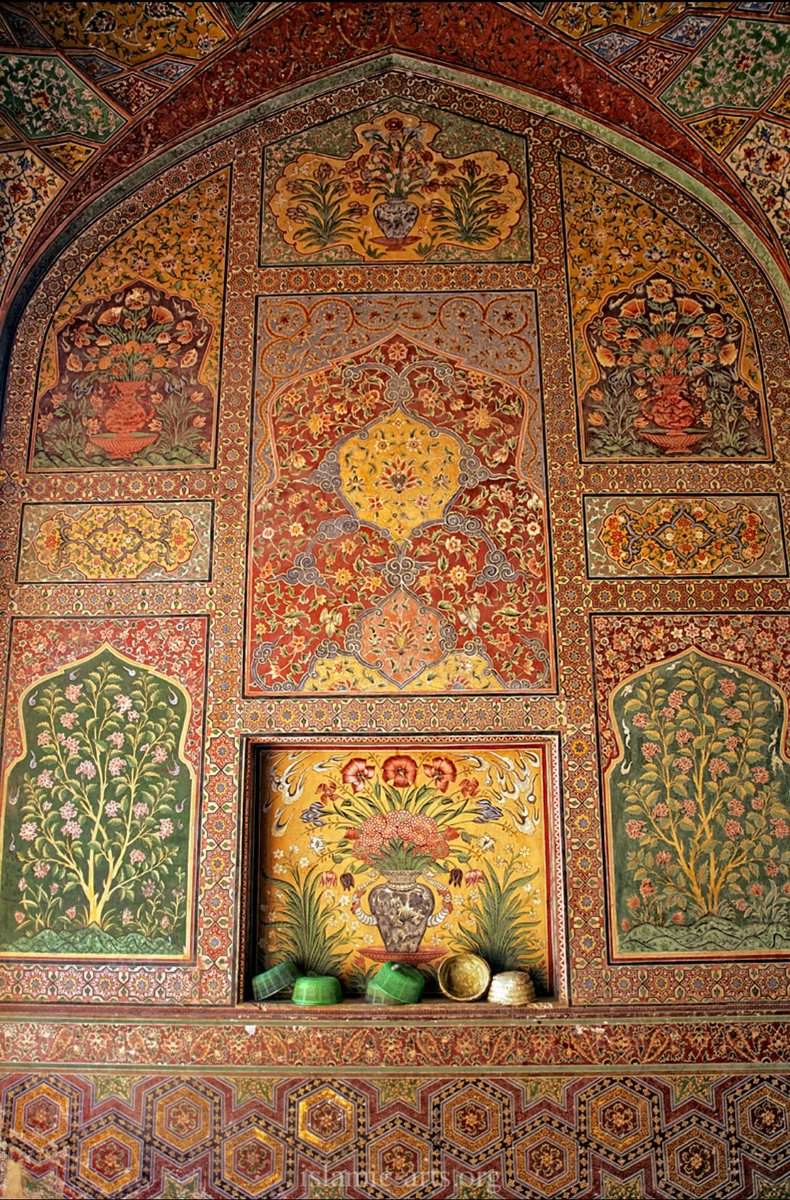
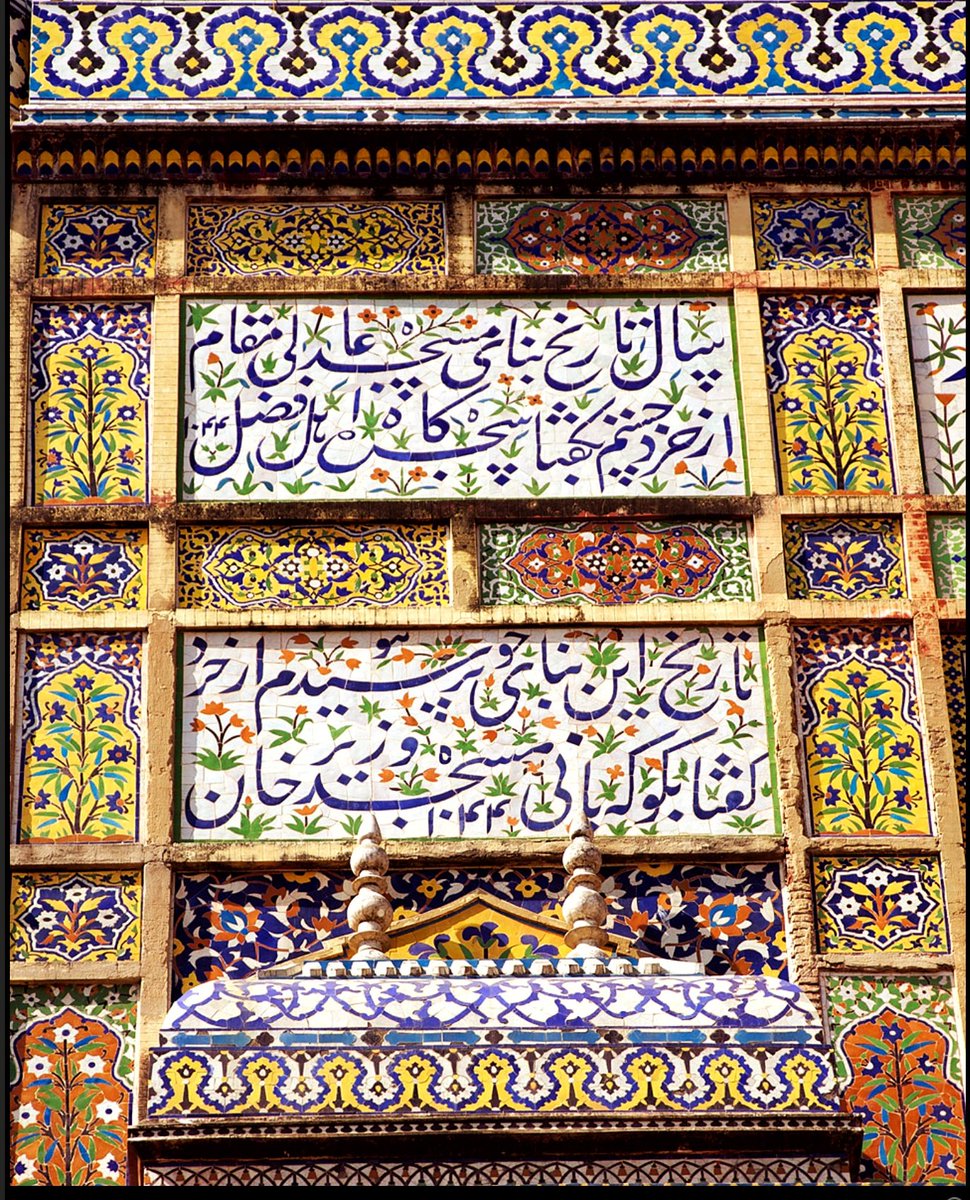
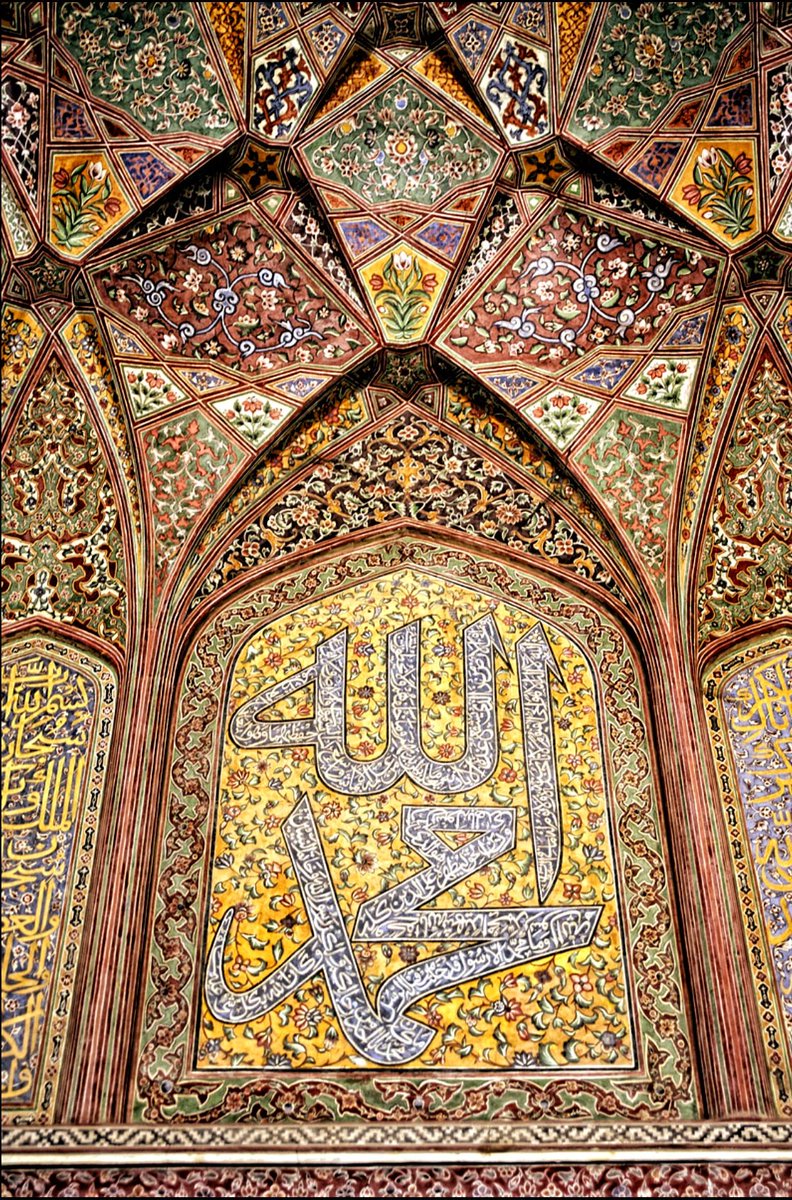
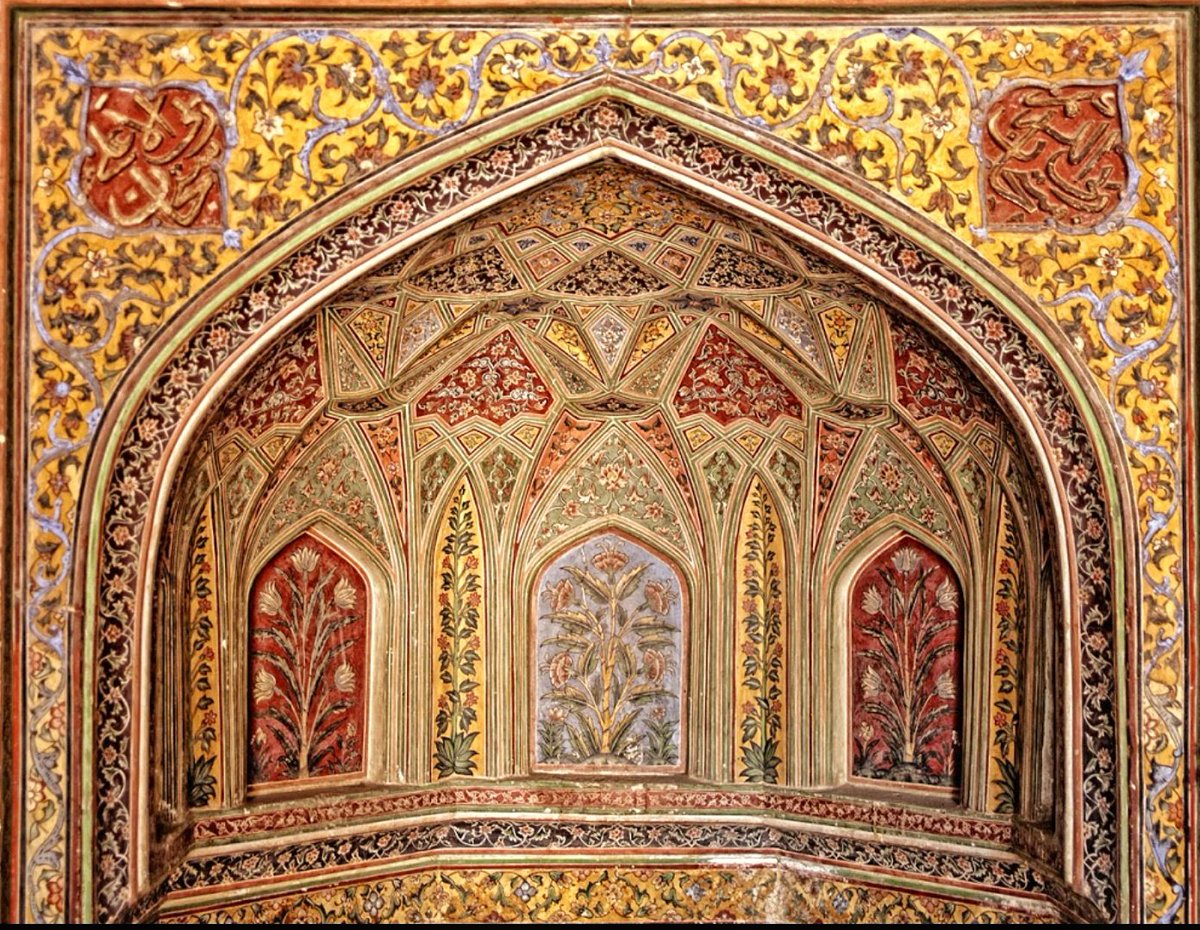
The Wazir Khan Mosque in Lahore, Pakistan, is famous for its extensive tile work and frescos.
It was built in seven years starting around 1634–1635 AD during the reign of the Mughal Emperor Shah Jehan.
#silkroad#photography#architecture#design#history#culture#Mosque
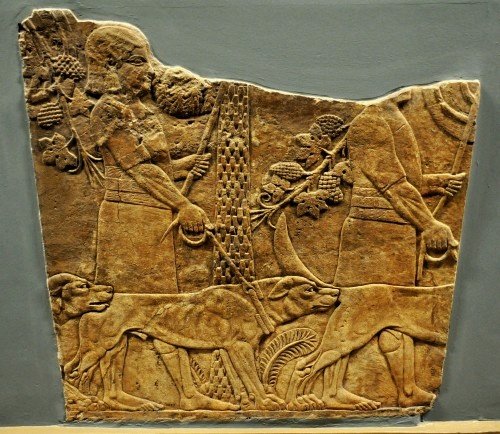
People of Mesopotamia were one of the first to domesticate dogs for practical purposes such as security for their dwellings and their herds as well as hunting
This plaque found at a palace in Nineveh depicts Assyrian hunters with their hounds
#History#Iraq#iraqesque#silkroad
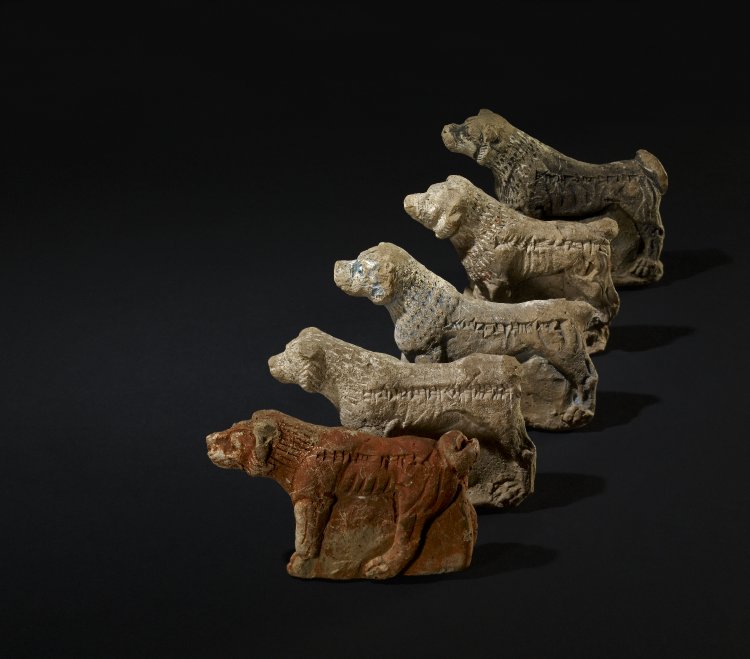
In the ruins of Nineveh, dog statuettes with inscriptions saying they're for protection were found buried beneath an entrance to the North Palace.
At the city of Nimrud, five dog figurines made of clay, known as The Nimrud Dogs, were also found with the same kind of inscriptions
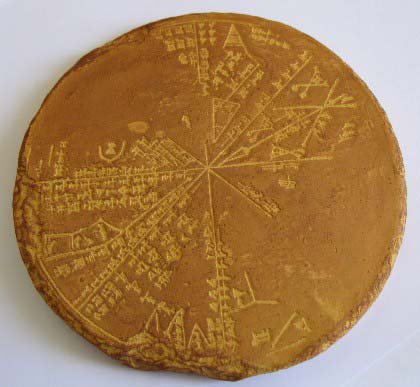
Sumerians were among the first astronomers, mapping the stars into sets of constellations, many of which survived in the zodiac.
They were also aware of the five planets that are visible to the naked eye;
This picture shows the Sumerian star chart 3300BC.
#iraqesque#History
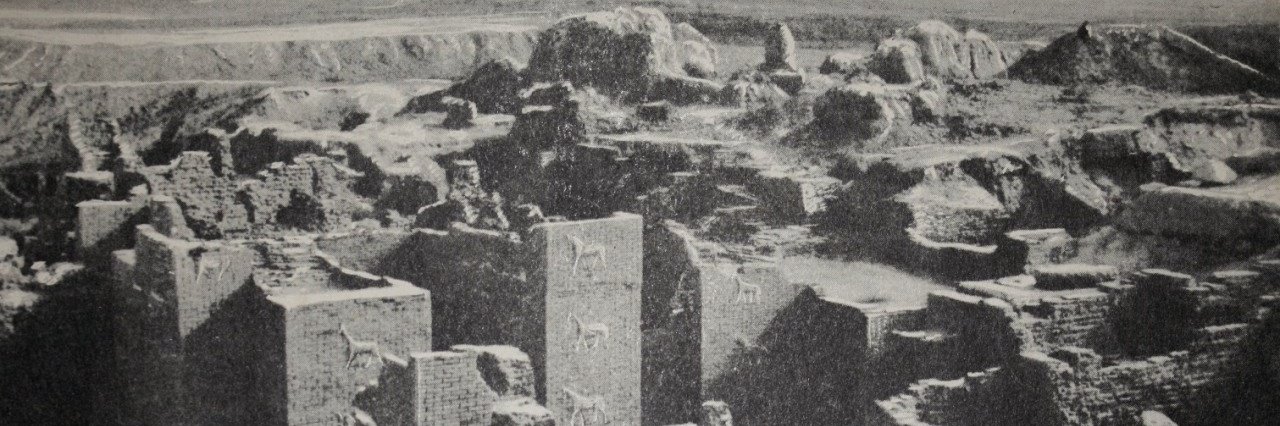
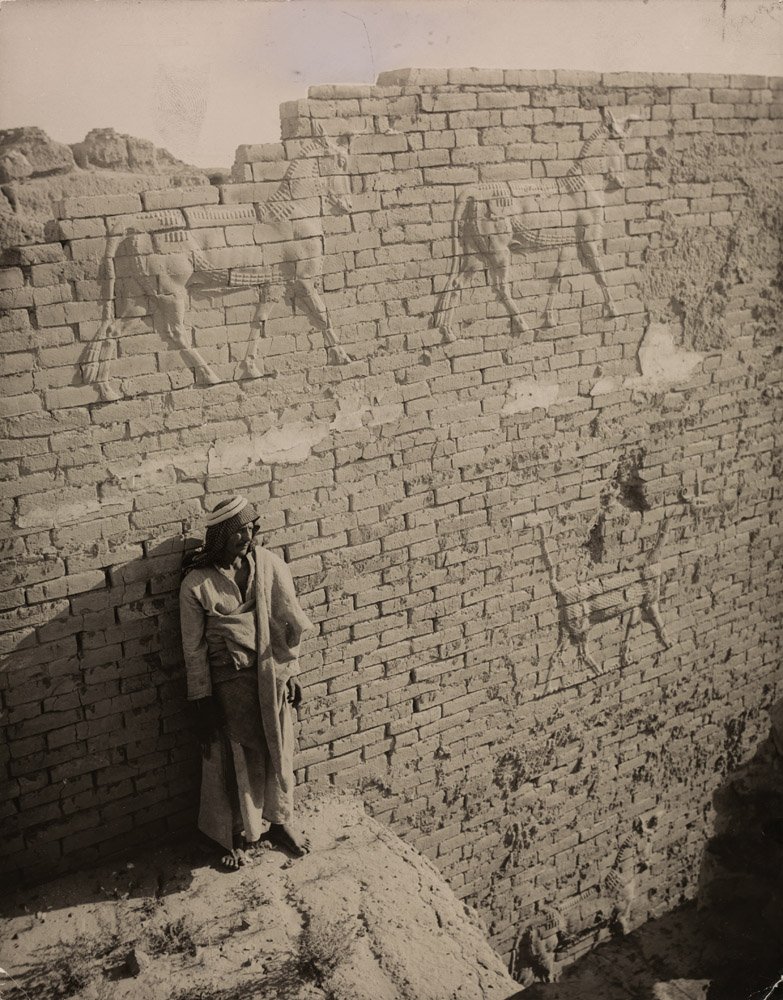
The Ishtar Gate was an entranceway to the city of Babylon, capital of the ancient Babylonian empire in modern day Iraq.
It was built during the reign of King Nebuchadnezzar II and was dedicated to Ishtar, a goddess of love and war.
Picture taken in the ruins of Babylon in 1916
Writing begins in Sumeria over 4,000 years ago and the Sumerian Epic of Gilgamesh is a stunning example of what the written word can produce.
Sumerians considered writing a gift from the god Enlil as, later, the Babylonians would also claim from their own version of the god Nabu
The Qutb complex is a collection of monuments and buildings from the Delhi Sultanate.
It was built in the early 13th century a few kilometres south of Delhi by Qutb-ud-din Aibak who later became the first Sultan of Delhi of the Mamluk dynasty.
#silkroad#culture#architecture
Receding waters in the Mosul Dam reservoir revealed remains of the ancient the Mittani Empire, which covered an area reaching from the eastern Mediterranean coast to the east of present-day northern Iraq from the 15th BCE to the Middle of the 14th century
https://t.co/dmwLWLHTAi