Debates comparing usa with Europe tend to cause people to cherry pick stats from either EU as a whole or pick an individual country in the EU to get the statistic they need to win an argument. I just compared what I have now to what I found in the few countries I would consider living in
Just looked at my low deductible health insurance monthly premium for the next year in the USA, cheap AF with full coverage. Using Google estimates on the taxes paid in Europe for "universal healthcare", I would be paying ten times more for a European equivalent with shittier service. I'm starting to suspect all the numbers I'm seeing on the internet are made up or AI generated to push a narrative.
If Iran destroyed the internet cables in the middle east, swift would be significantly damaged...but BTC would shrug it off. Do you think this would cause an inverted switch to BTC being more BTC reliant?
Since the whole argument was that the company just passed the tariff on to the customers to pay. They better not turn around and give companies a tariff refund. Send the citizens a tariff refund check.
@btcconcreature@Rajatsoni@phusonAz I doubt they will get 50% either...I really don't feel like typing the explanation so I just screenshot it and am going to attach
100%. BTC will lose its purpose as a decentralized, secure, trust less system the minute one entity gets more than 50%. They would be able to alter transactions, prevent confirmations, and double spend. It basically becomes a centralized authority. It bothers me significantly that you don't know this.
This may put the surge in gold buying and us Treasury bond selling in china under different optics. Combined with the Japanese raising interest rates causing the yen swap trade unwinding and Russia's rumored interest in going back to petro dollar. Pointing to an emerging markets financial flight to safety. Would need to research this idea out with more technical data.
The numbers behind this are worse than the anecdotes suggest.
70% of Chinese household wealth is in residential property. Since 2021, home prices in tier-3 cities have fallen 20% or more. In parts of even Shenzhen, units that sold for 110,000 yuan per square meter now trade at 50,000. That means tens of millions of families are watching their life savings evaporate in real time, while still making mortgage payments on assets worth a fraction of what they owe. In Zhengzhou alone, 500,000 households have already defaulted. Banks have stopped bothering to foreclose because fewer than 20% of seized homes actually sell.
This connects to something most people outside China don’t track: local government financing. Tier-3 and tier-4 cities funded themselves almost entirely through land sales to developers. At peak in 2021, land-use revenue hit $1.21 trillion. In 2025, it’s projected at $417 billion. That’s a 65% collapse in the fiscal base of the governments responsible for paying teachers, police, and hospital workers.
That’s why workers go unpaid for months. The local governments literally don’t have the money. On-budget local debt hit 38% of GDP and rose 15 percentage points since 2020. Hidden debt through local government financing vehicles adds an estimated 60 trillion yuan more. The IMF called it “a serious risk to financial stability.” Beijing’s response has been a 10 trillion yuan debt swap that S&P called “buying time, not addressing weak fundamentals.”
Meanwhile, 12.2 million college graduates entered the workforce in 2025, the largest class in Chinese history. Youth unemployment hit 18.9% in August. For the latest civil service exam cycle, 3.7 million people applied for 38,100 positions. One post at a rural repatriation center drew 6,470 applicants for a single opening. Over 20% of food delivery drivers on Meituan and https://t.co/RJgCAZAT1g now have college degrees. An estimated 70,000 hold master’s degrees.
The tech and robotics wins are real. But they’re concentrated in Shenzhen, Shanghai, Beijing, and Hangzhou. The other billion people live in cities where the property bubble was the economy, the local government was the employer of last resort, and both broke at the same time.
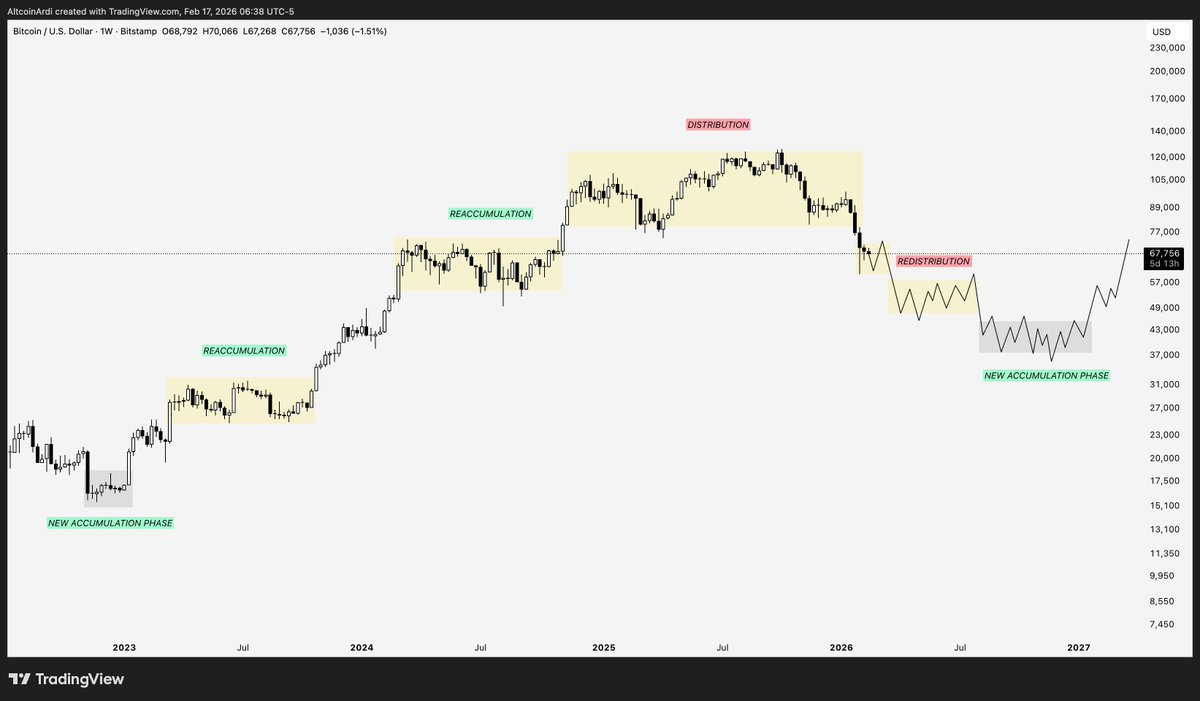
$BTC: Wyckoff Schematic for the current cycle.
Accumulation at $16K. Two reaccumulation phases on the way up as weak hands got flushed and strong hands reloaded. Distribution at the highs. Now we're in the markdown.
Last cycle played out the exact same way. Accumulation. Reaccumulation. Markup. Distribution. Redistribution. Then a new accumulation phase at the lows. Every single time.
Right now the structure is pointing to redistribution. Price is ranging after a markdown, volume is drying up, and there's no sign of demand stepping in aggressively.
Most people think ranging after a selloff means the bottom is in. It doesn't.
Redistribution exists specifically to create that illusion. It refreshes selling pressure while giving retail just enough hope to hold on.
When redistribution is complete, the next accumulation phase begins. And that's where the next cycle starts. We're not there yet.
If you understand me, then this chart tells you everything you need to know about where we are and what comes next.
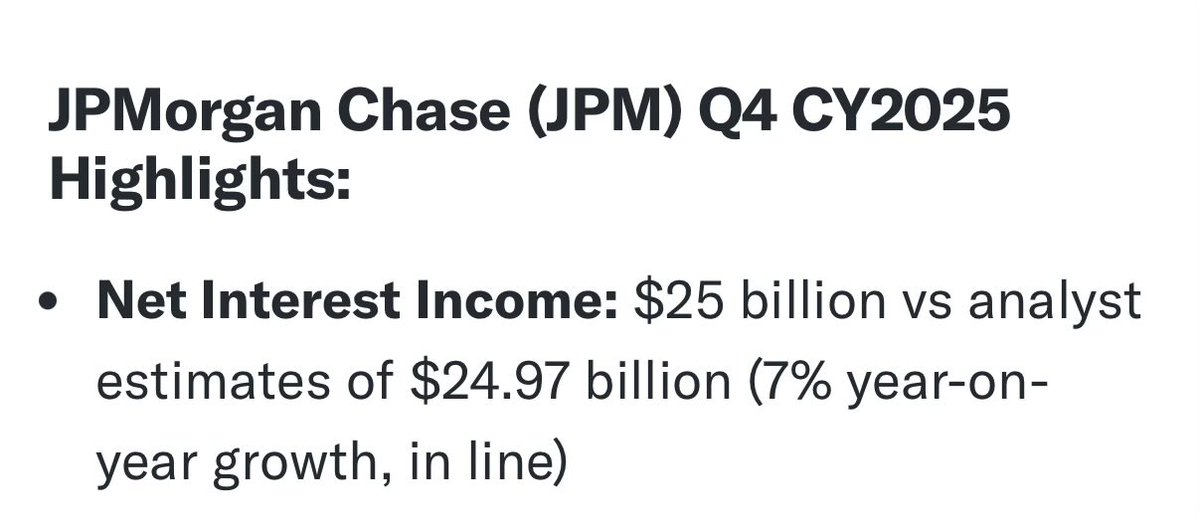
Almost on cue, JPM released earnings this morning and reported $25B in net interest income. Thats how much profit a single bank made by not paying savers more. The claim that stablecoins paying interest harms lending is BS.
Ironically, if a crypto rewards ban went into law, it would make us more profitable since we payout large amounts in rewards to our customers holding USDC.
But we don’t want this to happen, it’s better for customers to get rewards, and it’s better for the US to keep regulated stablecoins competitive on a global stage.
@AdrianoFeria@CollinCusce Manufacturing PMI surged to 52.6. which means mfg is now expanding. And most of the unemployment data is supply side from boomers retiring and Illegals leaving.
@MINHxDYNASTY Anything 10k or above has to be reported to the IRS with a stated reason. If you took out $9,999 , only thing you would have been asked is how do you want that, 100s?
Dont F this up by speculating on unregistered securities. The tokens that will explode on Market Structure are the commodities. Based on current markup they are $BTC the reserve commodity, which will increase with value as more reserve liquidity is stored on it, Proof of Stake public network tokens $SOL, $SUI, $XRP and $ETH which carry tokenized assets and tokenized US Treasuries called Stable Coin, the new digital dollar. The more tokenized assets are issued on these chains, the higher the stake valuation will be. The more Stable Coin and tokenized asset volume the chain transacts, the higher the stake value will become.
Any token that is not a L1 blockchain with sufficient decentralization, will be a security and will not appreciate based on the commodity cycle, and face rigourous SEC registration.
Last warning.
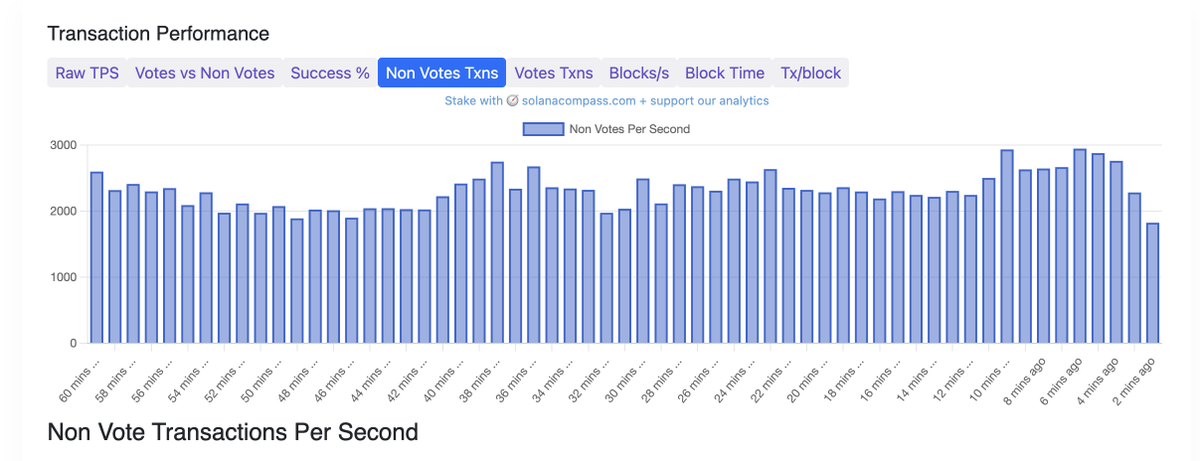
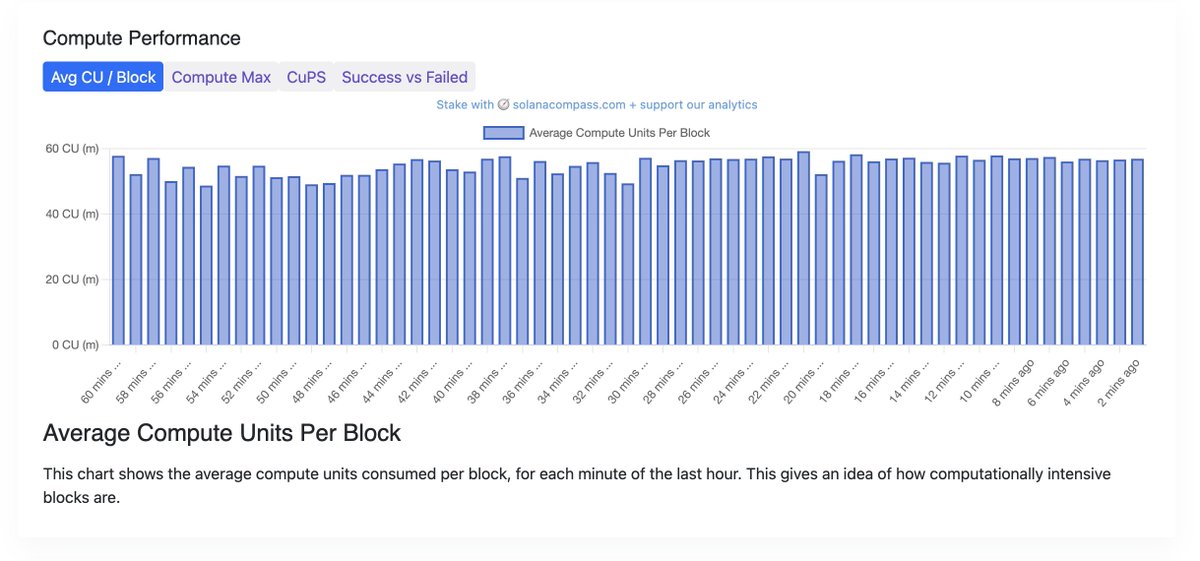
This is unseemly to post rn but today is likely to be one of the most insane onchain days we've ever seen, @Solana is consistently close to maxing out CUs per block and baseline non-vote TPS is sustaining 2k+
Solana is truly a remarkable piece of engineering