Dr. Hak Ja Han fell multiple times in her 70-square-foot cell at Seoul Detention Center in January. She never complained.
According to her lawyers, she does not express pain unless it is severe. She tried to maintain a composed appearance. She asked only for painkillers.
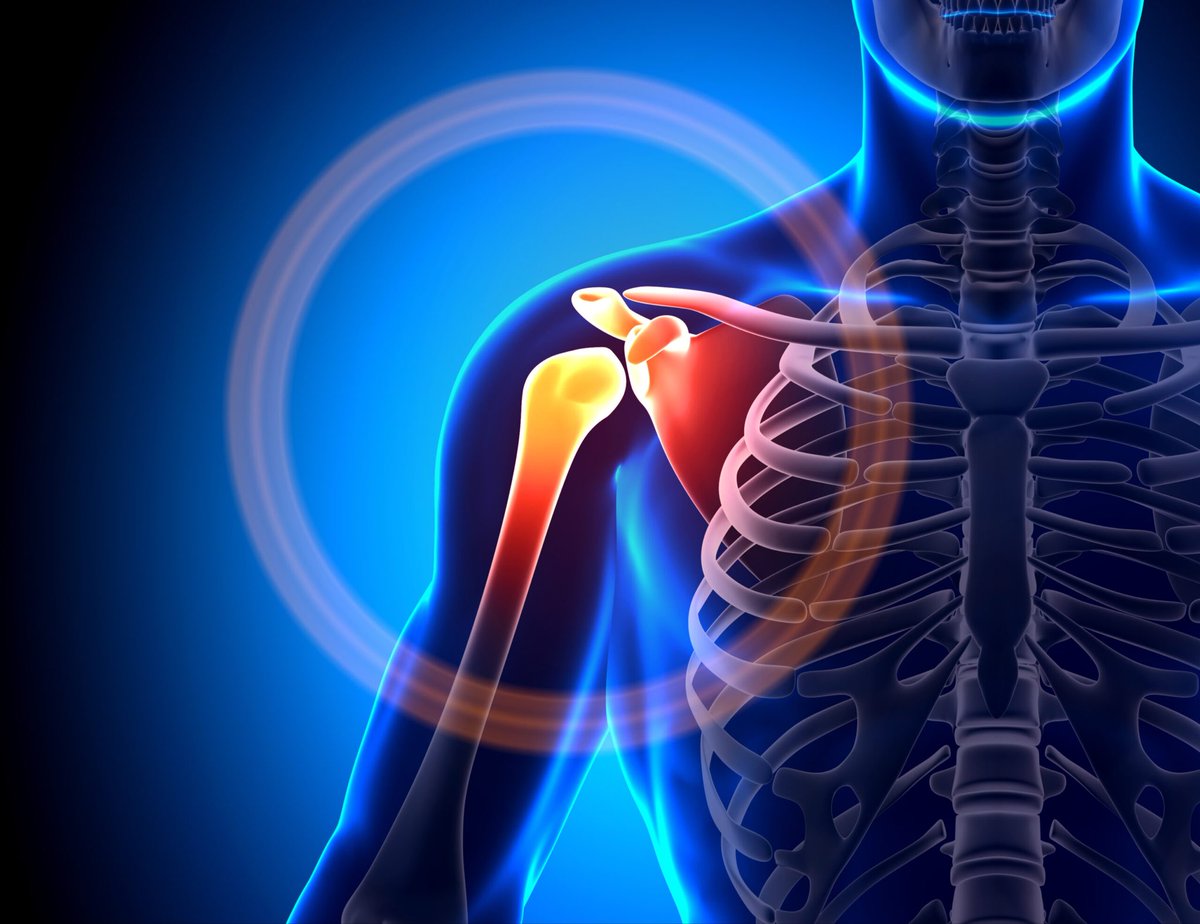
No one at the facility diagnosed the shoulder injury.
It was only discovered after a court granted her third medical suspension from detention and she was transferred to a hospital. Doctors found the left shoulder damage that had gone untreated for months.
The question that should keep someone in Seoul awake tonight: how does a post-cardiac-surgery 83-year-old fall repeatedly in your custody, ask for painkillers for months, and no one orders imaging on her shoulder?
The answer is in the pattern.
November 2025: three-day release for emergency eye surgery. Returned to custody.
February 2026: ten-day release for fall injuries. Extension denied. Returned.
March 2026: third suspension granted. Confined to hospital.
April 14, 2026: shoulder surgery. For an injury sustained in January.
204 days since her arrest on September 23, 2025. No conviction. No verdict.
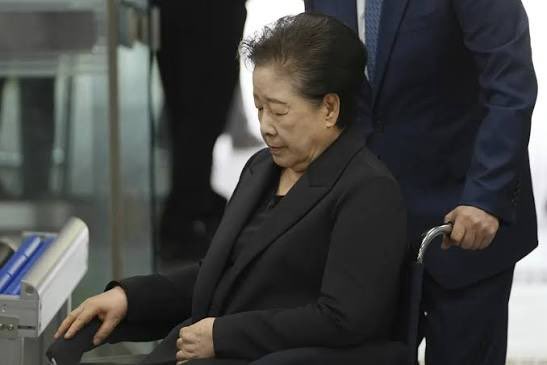
She arrived for questioning in a wheelchair, still recovering from heart surgery. The court detained her anyway.
A former political prisoner from communist Czechoslovakia wrote publicly that her conditions are worse than what he endured in 1974.
Former U.S. Secretary of State Mike Pompeo @mikepompeo called it lawfare.
On April 3, she was nominated for the 2026 Nobel Peace Prize.
She received that nomination recovering from a surgery that should never have been necessary. Because the injury should have been caught in January. Because she should not have been falling in the first place.
When a detention facility cannot keep a patient from falling, cannot diagnose what those falls break, and the patient is too dignified to scream, the system is not failing.
It is choosing not to look.
Source: Internal Message from FFWPU