Want to prevent your first stroke? Here is a simple checklist.
Aim to maintain:
✅ Blood pressure: <120/80 mmHg (at least <130/80 if <120 is not achievable)
✅ HbA1c: <5.7%
✅ Fasting glucose: <100 mg/dL
✅ LDL-C: <100 mg/dL (lower if high-risk)
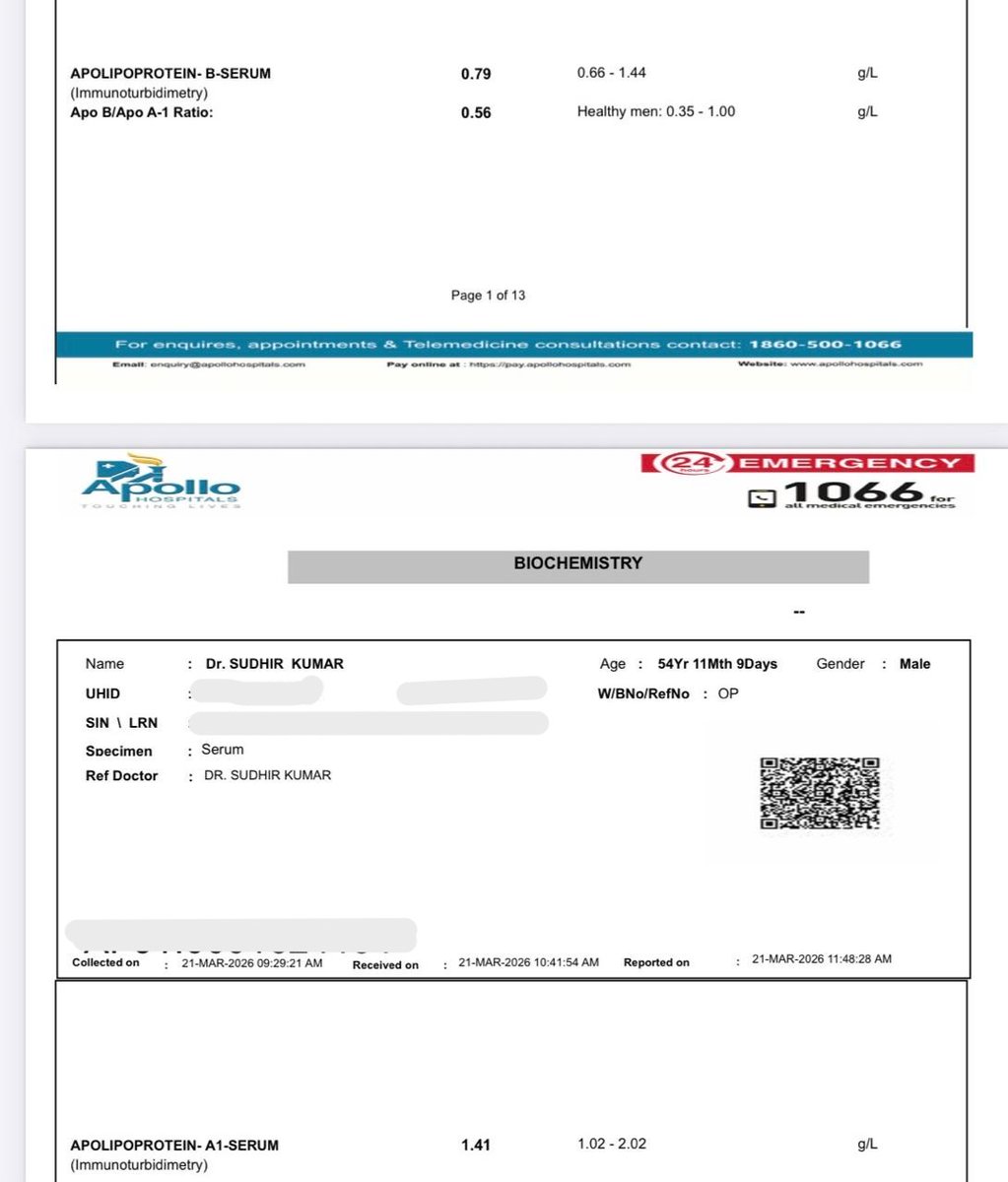
✅ ApoB: <80 mg/dL (ideal <65 mg/dLfor high-risk individuals)
✅ Triglycerides: <150 mg/dL
✅ HDL-C: >40 mg/dL (men), >50 mg/dL (women)
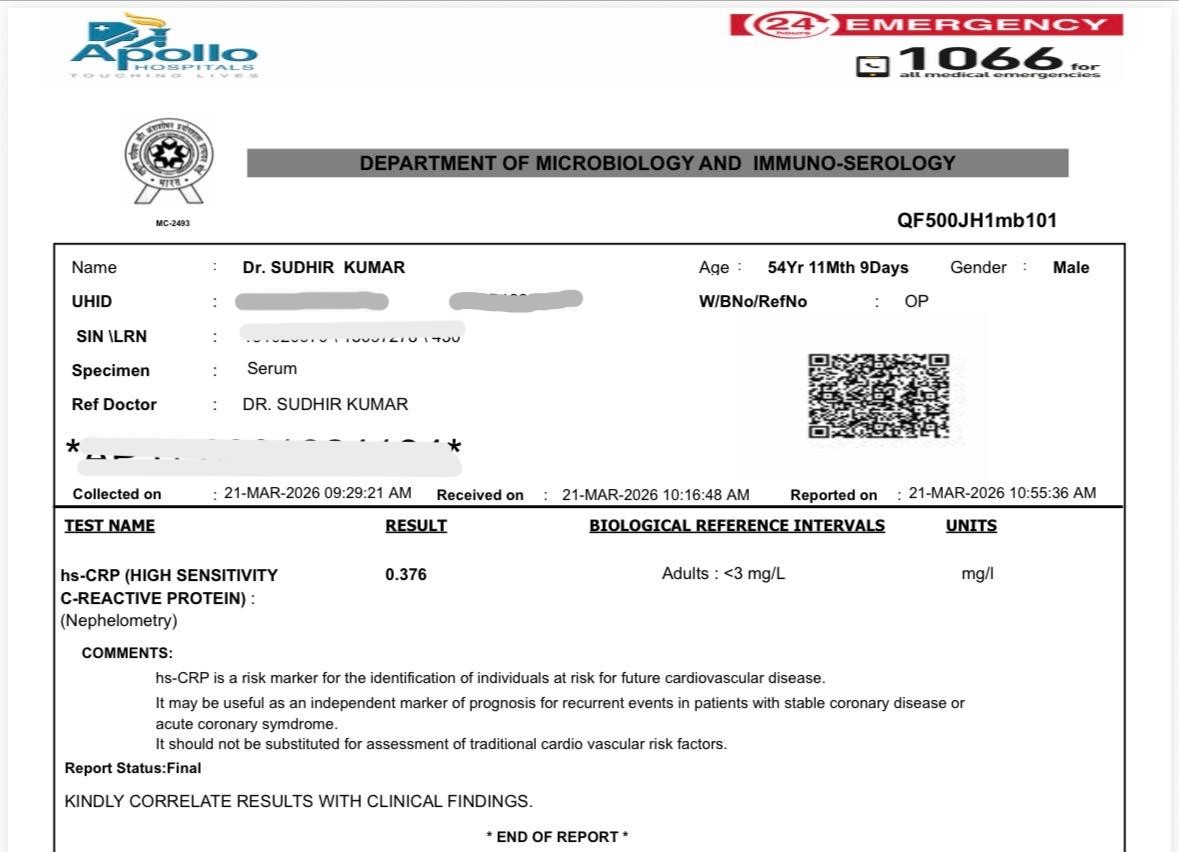
✅ hs-CRP: <1 mg/L
✅ Lp(a): Check once in a lifetime
✅Exercise: 150–300 min/week moderate aerobic + strength training 2–3 days/week
✅Daily steps: 7,000–10,000
✅Sleep: 7–9 hours/night, with a consistent sleep-wake schedule
✅Waist circumference: <90 cm (men), <80 cm (women)
❌No tobacco or alcohol.
✅Eat more fruits, vegetables, whole grains, pulses, nuts & fish;
❌Avoid excess salt, minimize sugar and ultra-processed foods.
Most first strokes are preventable. Small healthy habits, maintained for years, make the biggest difference.
Dr Sudhir Kumar @hyderabaddoctor
(Disclaimer: The information provided here is general in nature. Consult your doctor for individual medical advice).
Exercising Could Make Your Brain Younger, Says Doctor
A study highlighted by Dr Sudhir Kumar shows strength training may reduce brain ageing by up to two years, improving memory, focus and decision-making, while supporting neuroplasticity and lowering inflammation linked to cognitive decline.
https://t.co/xfJ6YWhhUS
This informative article prepared by Ms Ishita Roy has been published in Health and Me (it has my quotes)
It Is Not Just About Muscles
For a long time, workouts were seen as a way to build muscle or lose weight. Now, experts suggest that resistance training can also support brain health in meaningful ways. Regular strength training has been linked to slowing down brain ageing, with some studies suggesting it may even reduce the brain’s biological age by a couple of years.
This means that beyond physical strength, your brain could function more efficiently, particularly in areas like memory and reasoning.
Sharper Focus And Better Memory
One of the most noticeable benefits of working out is how it improves everyday thinking. People who engage in regular strength training often report better focus, improved memory and stronger decision-making abilities.
It becomes easier to stay on track with tasks, manage distractions and process information more clearly. Over time, these small improvements can make a big difference in both personal and professional life.
What Happens Inside Your Brain
The real transformation happens beneath the surface. Exercise triggers the release of chemicals that support brain cells and strengthen the connections between them.
This helps improve neuroplasticity, which is the brain’s ability to adapt, learn and form new memories. It also supports white matter, the network that allows different parts of the brain to communicate effectively.
In simple terms, your brain becomes faster, more flexible and better at handling challenges.
A Natural Way To Reduce Brain Fog
Exercise also helps tackle inflammation in the body, which is often linked to brain fog and cognitive decline. Strength training supports anti-inflammatory processes that protect brain health over time.
This is why many people feel mentally clearer and more energized after a consistent workout routine.
You Do Not Need Intense Training
The best part is that you do not need extreme workouts to see benefits. Experts suggest that even two to three strength training sessions a week can support brain health.
Simple movements like squats, push-ups or resistance band exercises are enough to activate both your body and mind.
6 years ago vs today. Same person. No medications.
🔴2020 (Age 49):
• Weight: 100 kg
• Waist: 96 cm
• Triglycerides: 300
• LDL: 150
• HDL: 30
• HbA1c: 6
→ Classic profile of Insulin Resistance, prediabetes, dyslipidemia, obesity
🟢2026 (Age 55):
• Weight: 73 kg
• Waist: 75 cm
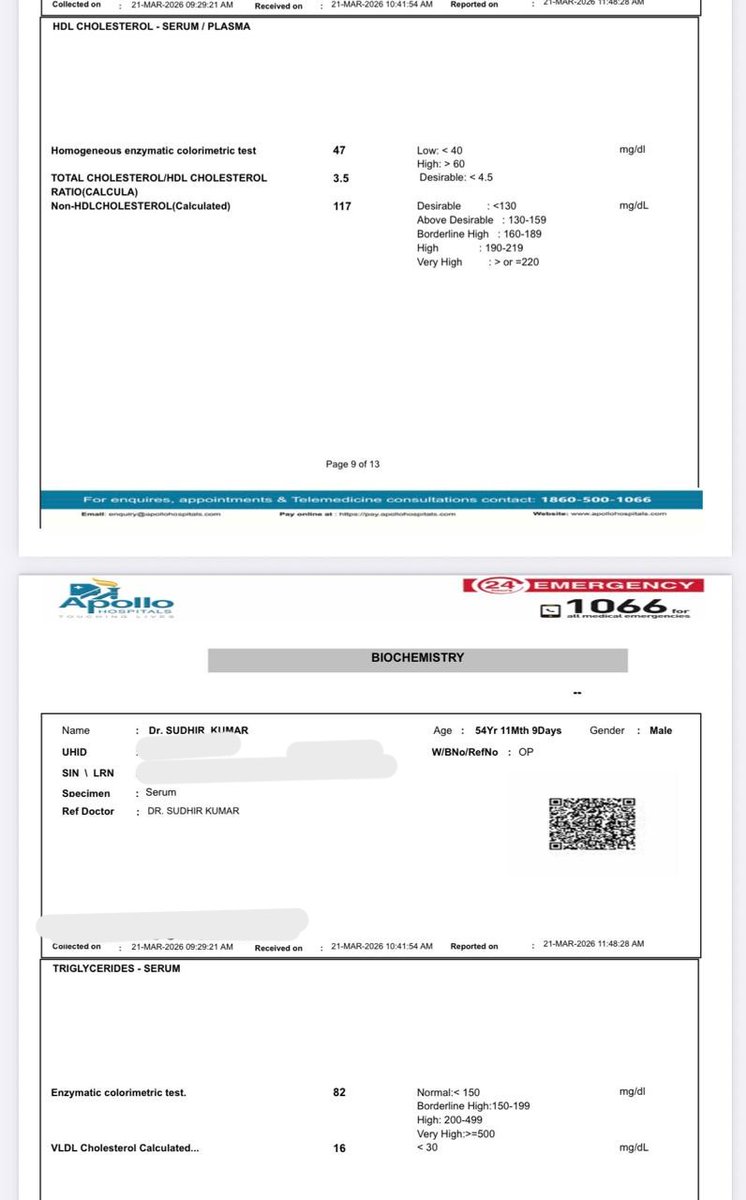
• TG: 82
• LDL: 108
• HDL: 47
• HbA1c: 4.9
• HOMA-IR: 0.7
• ApoB: 0.79
• hsCRP: 0.37
→ Now a metabolically healthy phenotype
What is the secret behind this transformation?
There were no shortcuts and no extremes.
Just 5.5 years of:
• Running (~4–5 hours/week)
• Strength training (2-3 sessions/week)
• Better sleep (7–8 hrs)
• Consistent diet
What changed internally matters more:
• Insulin sensitivity restored
• Visceral fat reduced
• Inflammation lowered
• Atherogenic particles reduced
→ Lower risk of Type 2 Diabetes and Coronary Artery Disease
Key point:
This is what prevention actually looks like- not bio hacks or supplements.
Sustained lifestyle changes matter the most.
“Your labs are not your destiny. Your habits are.”
Your morning coffee is not just about the caffeine kick, it is a long-term investment in your brain health.
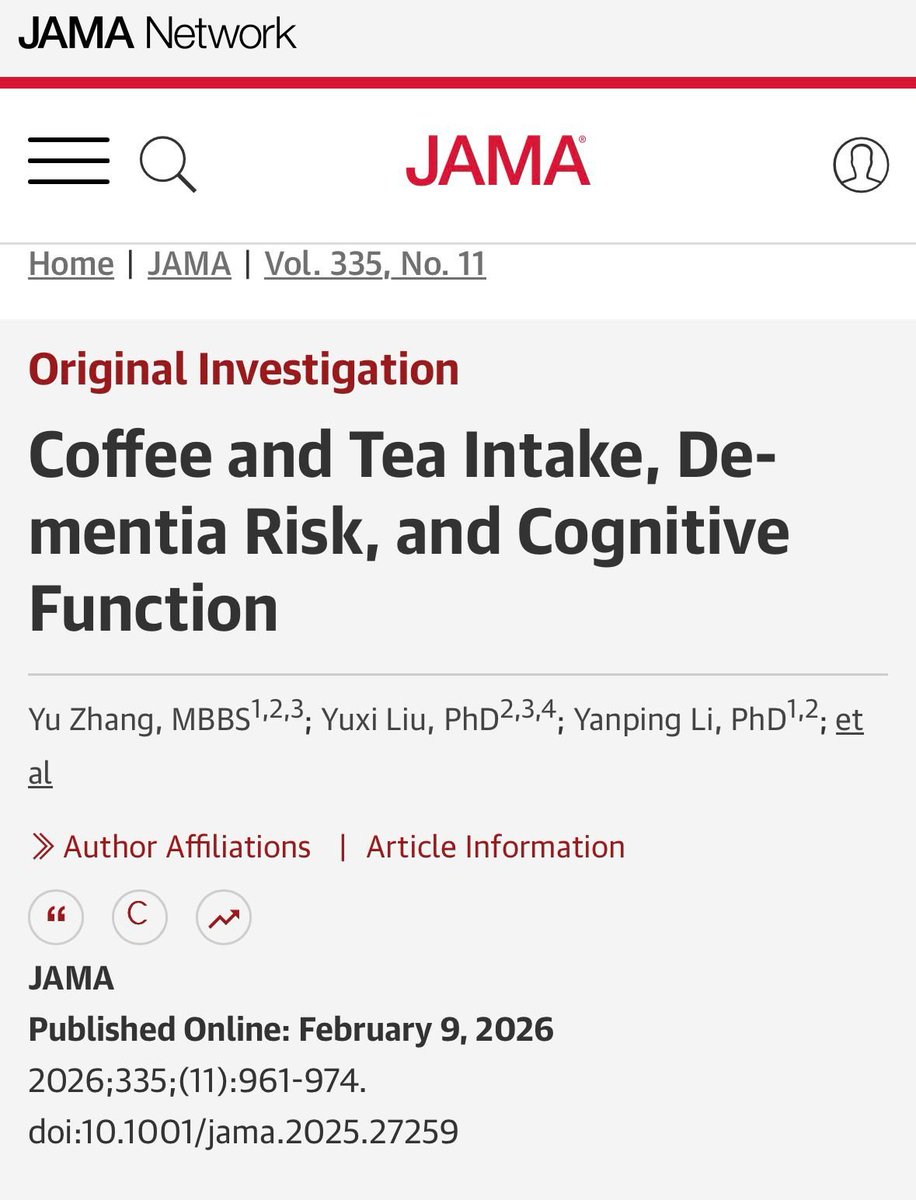
✅A landmark study published in JAMA (2026) has reinforced the powerful relationship between coffee/tea intake and a significantly reduced risk of dementia and cognitive decline.
1. The Synergistic "Sweet Spot"
The study followed nearly 500,000 participants and discovered that both coffee and tea drinkers were protected.
✅Optimal Intake: 2–3 cups of coffee Or 1-2 cups of tea per day.
The Result: A dramatic reduction in the risk of dementia, stroke, and post-stroke dementia compared to non-drinkers.
2. Beyond Disease Prevention: Enhanced Function
Regular consumers showed superior performance in:
🔸Visual Memory: Recalling patterns and locations.
🔸Executive Function: Better decision-making and planning.
🔸Processing Speed: Faster reaction times across all age groups.
3. The Science of Neuroprotection
The researchers highlighted three main mechanisms:
🔸Anti-Inflammatory: Compounds like chlorogenic acid (in coffee) and catechins (in tea) reduce oxidative stress in the brain.
🔸Vascular Support: Improved endothelial function leads to better cerebral blood flow, keeping neurons well-oxygenated.
🔸Metabolic Health: Both beverages improve insulin sensitivity, which is a critical factor in preventing the metabolic dysfunction often seen in Alzheimer’s.
If you have been looking for a simple, evidence-based way to protect your cognitive longevity, the answer is likely sitting in your mug right now.
Dr Sudhir Kumar
@hyderabaddoctor
(Note: This study only showed an association; further studies are needed to confirm cause-effect relationship.)
Anthropic CEO Dario Amodei says AI models could surpass human cognitive capabilities within just a few years, adding that India has a “central role” in tackling the technology’s opportunities and risks.
Follow our live blog on the India AI summit: https://t.co/DzgtfuAxMs
Then......... and....... Now
✅What is common: Smiling and happy face😊
✅However, beyond the weight loss (100 to 72 Kg), several parameters improved over the past 5-6 years.
▶️Resting HR reduced from 72 to 42 bpm
▶️BP reduced from 130/85 to 110/65
▶️HbA1C reduced from 6 to 4.8
▶️TG reduced from 300 to 45
▶️HDL increased from 32 to 52
✅Three key factors responsible for these changes:
1. Running (consistently)
2. Healthy diet
3. Improving sleep duration from 4-5 hours to 7-8 hours.
✅It is never too late to start the journey for a healthier life.
💥 How Some Middle-Class Families Quietly Build ₹1.2 Crore in Just 10 Years — Even with Small Salaries, Kids & Rent to Manage! 💥
(Not a fantasy. Real math. Real habits. No shortcuts.)
Here’s how smart families are turning modest incomes into serious wealth 👇🧵
#stockmarketscrash #finance #nifty #investingtips
Telegram alerts for 18-44 age category vaccination slots:
Dose 1 Chennai - https://t.co/1zmnols8k8
Dose 2 Covaxin Chennai - https://t.co/uu6dgp0tUH
Dose 2 Covishield Chennai - https://t.co/LVs8cBoBtk