@Rainmaker1973 the drone has to precisely calculate the forces of water weight and pump push and hose jetting, communicate with pump and direct forces. This can be done but can also fail badly.
@LegacyPathCA No, take the money out and invest it in stock market index (spx or $XIU for example) and the return is much higher than the CPP, because CPP investment is conservative
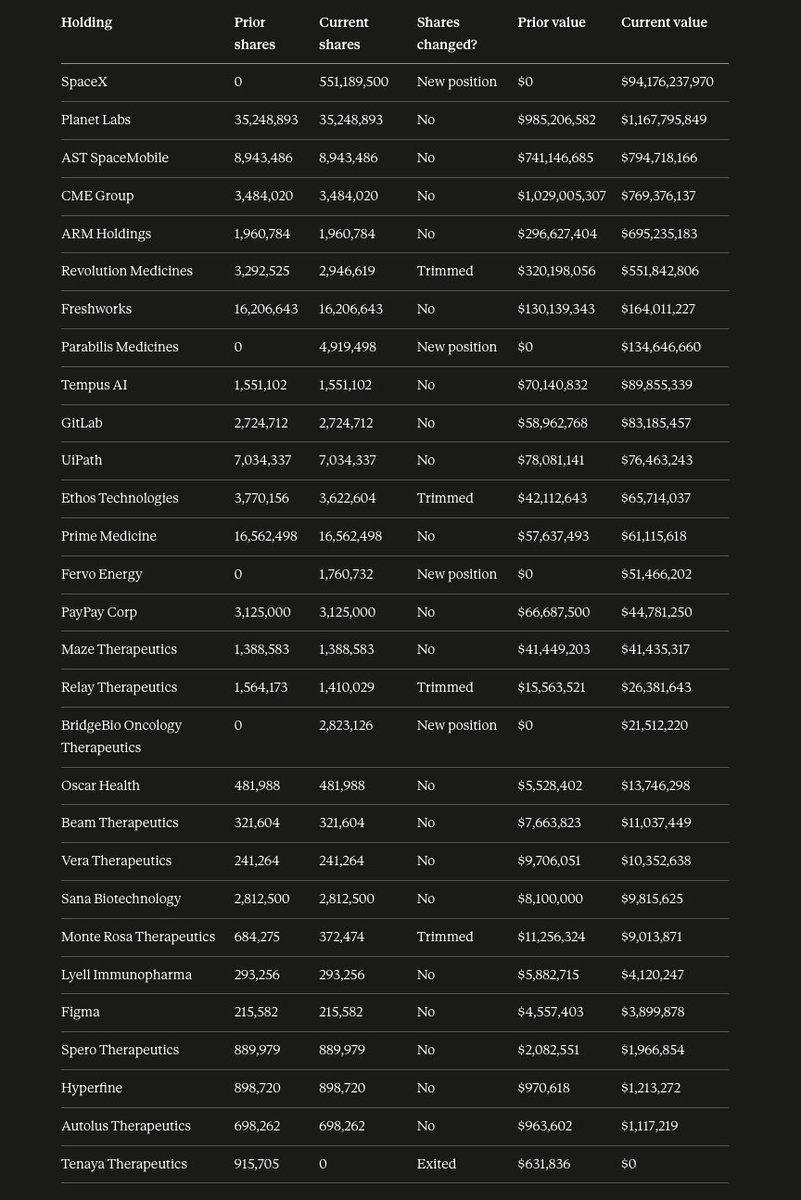
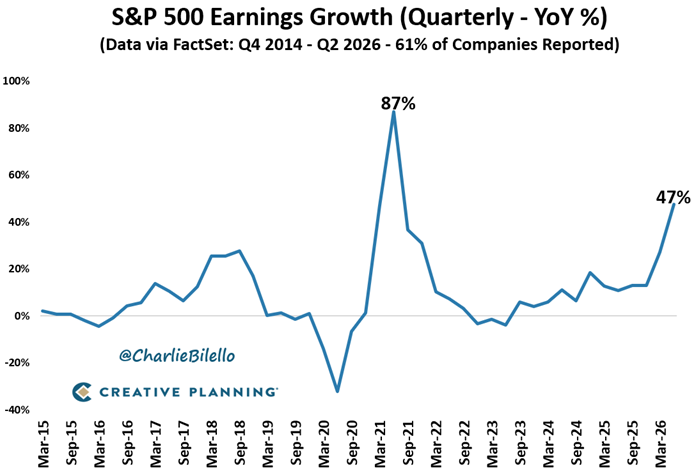
S&P 500 Q2 earnings are on pace to rise 47% YoY, the highest growth rate since Q2 2021. We've never seen earnings growth this high outside of post-recessionary rebounds. This is an unprecedented boom fueled by massive EPS gains in big tech, including markups in SpaceX/Anthropic.
AMAZON PRIME COSTS $139 A YEAR, AND MOST MEMBERS USE TWO FEATURES:
Free shipping and Prime Video. That's it.
But Prime is a giant bundle, and some of the perks you're already paying for quietly expire every month.
Here are 12 most members never touch 🧵
🇨🇳 Robot units leading the assault while human soldiers provide support.
This is happening in Chinese military drills right now.
The future of warfare came fast...
Writer: Samuel
Scott Galloway just explained why China doesn’t need to build better AI than America. It only needs to make American AI worthless.
Galloway: “I think China is beginning to engage in what I’ll call AI dumping.”
Not competing. Dumping.
It’s the term economists use for flooding a foreign market with below-cost goods until the domestic industry collapses.
Galloway: “They’re going to have a series of open-weight models. About a third of corporations now are supposedly using Chinese lightweight open-weight models that are cheaper.”
Not better. Cheaper.
A third of corporations. Already.
China isn’t trying to out-innovate Silicon Valley. It’s trying to collapse the economics beneath it.
Price warfare at the infrastructure layer.
Galloway: “If I were Xi, I would just dump cheap AI into the US market.”
This playbook is old. China ran it with steel. Ran it with solar. Ran it with semiconductors.
Flood a market with a cheaper version until the domestic industry can’t sustain itself.
AI is next.
Galloway: “The moment large corporations start announcing they’re disengaging these multi-million dollar site licenses with Anthropic or OpenAI, they’re using these inexpensive Chinese models…”
One CFO after another decides the Chinese model at a fraction of the cost is good enough.
Not better. Good enough.
“Good enough” at a lower price has killed more market leaders than any superior product ever has.
Galloway: “…and the market realizes that there’s no way they can justify these incredible valuations, I think the US market crashes.”
Not because the technology failed.
Because the business model did.
American AI companies are valued on the assumption that corporations will pay premium prices for premium models.
China’s whole strategy is to make that assumption false.
Galloway: “40% of the S&P now is directly or tangentially related to this giant bet America’s making on AI.”
40% of the S&P. Tied to one sector.
Galloway: “The majority of GDP growth over the last two years has come from AI CapEx.”
The majority of GDP growth. From one source.
America didn’t diversify its future. It concentrated everything into a single bet, then left that bet undefended.
Galloway: “If that slows down, we are immediately in a recession.”
Immediately. Not gradually. Not over quarters.
The distance between AI boom and American recession is one procurement decision.
America built the most advanced AI on Earth and forgot to build an economy that survives someone selling it cheaper.
The threat to American AI was never that China would build something smarter.
It was that China would build something cheaper, and American corporations would choose the price.
China’s real weapon isn’t Chinese technology. It’s American capitalism.
The same rational self-interest that built the AI industry will dismantle it the moment a cheaper alternative appears. The market has no patriotism. Only price sensitivity.
The technology race was never the real race.
The real race was always whether America could turn its AI dominance into something that survives being undercut.
America hasn’t even started running it.
China already has.
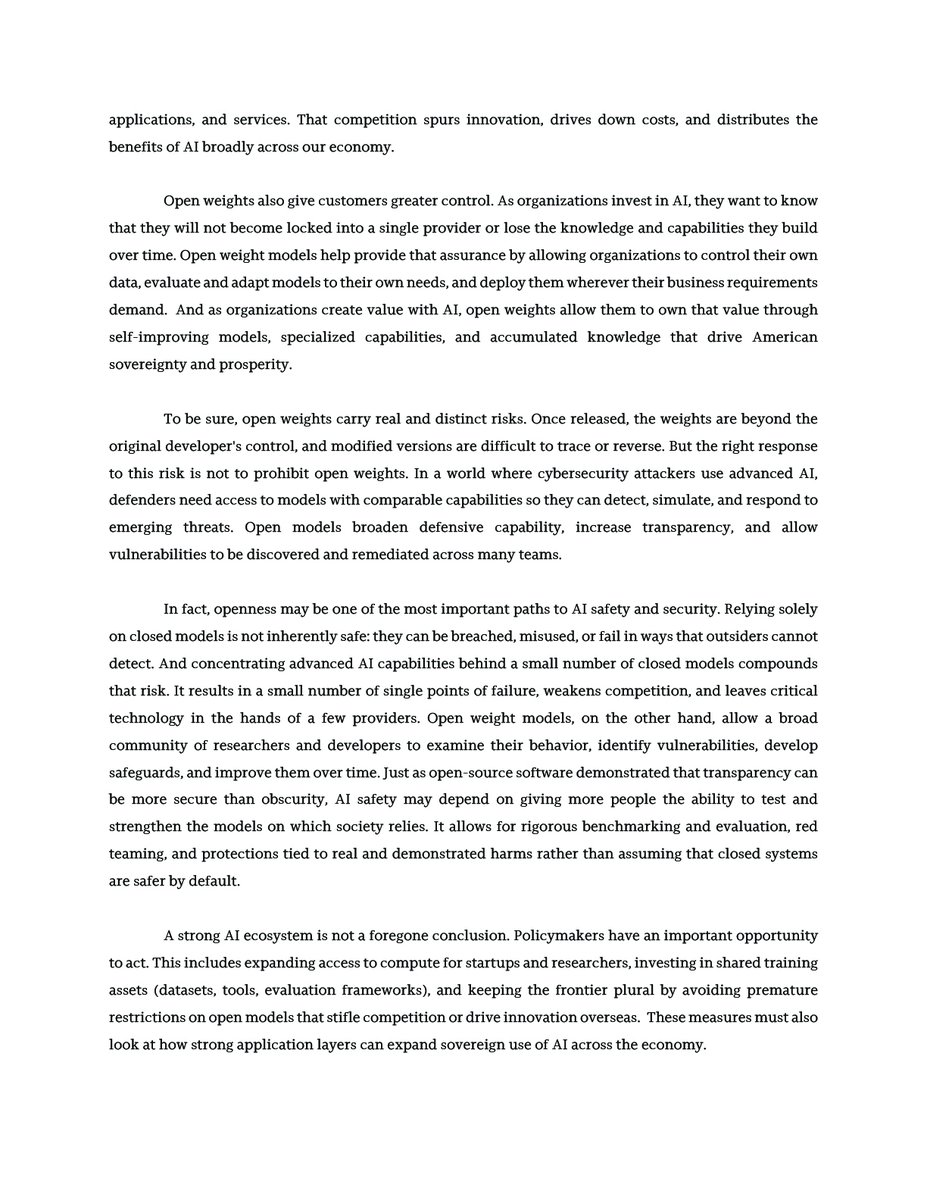
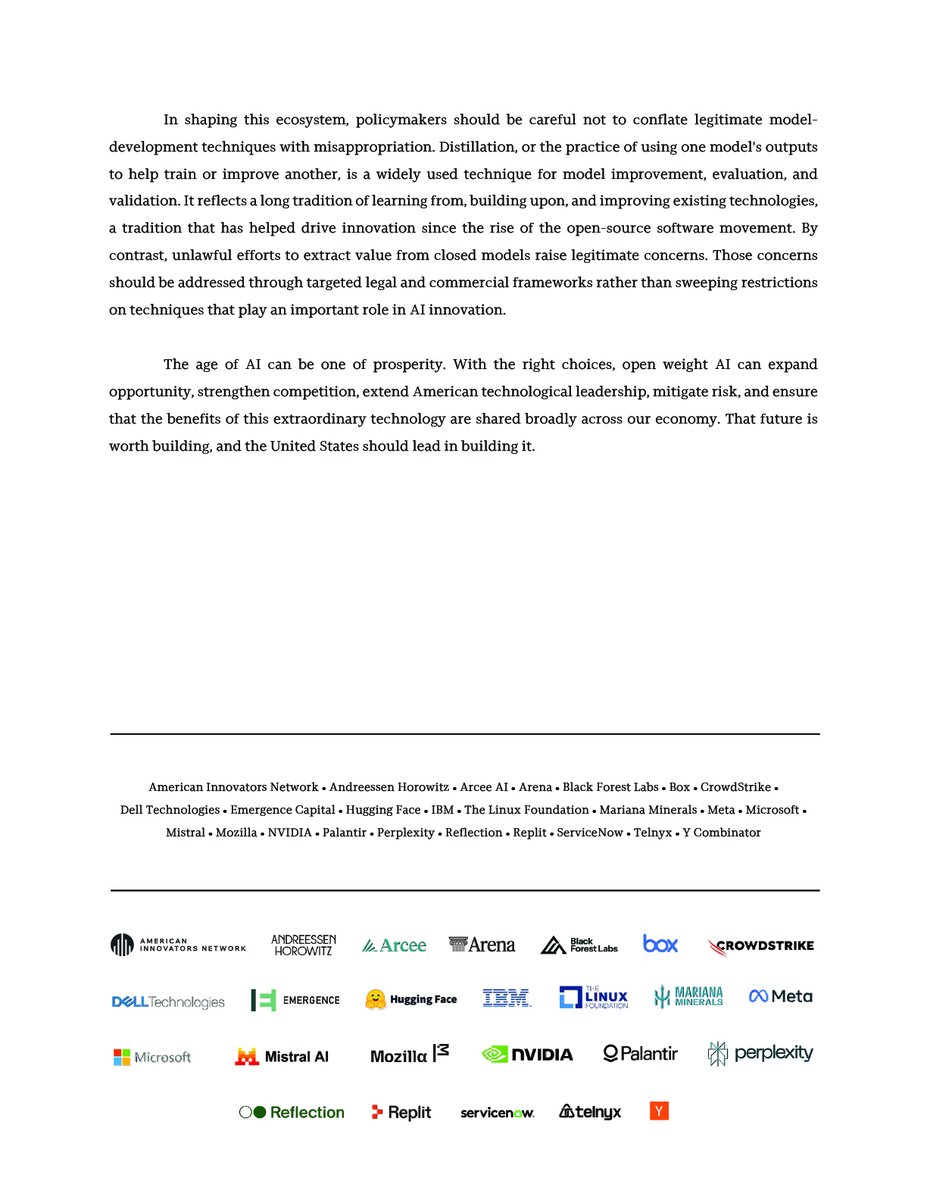
Open-weight models are essential to a healthy AI ecosystem. Together with others across our industry, we are outlining a path for open-weight models to strengthen American competitiveness and expand economic opportunity, while protecting national security. https://t.co/Tr0sAzAxTD
Çin öyle bir yöntem geliştirdi ki, girdiği her sektör birkaç yıl sonra tamamen onun oluyor.
İlk lityum bataryayı 1991'de Japonya'daki Sony üretti. Yıllarca bu işin lideri de Japonya'ydı.
Bugün dünyadaki bataryaların yaklaşık %70'i Çin'de.
Üstelik mesele sadece batarya değil. Güneş panelinde bir zamanlar Japonya ve Almanya öndeydi. Çelikte Avrupa, nadir toprakta ABD.
Bugün hepsi Çin'de.
Hiçbiri savaşla kaybedilmedi. Hepsini alan silah aynı.
Ucuzluk.
Peki ucuzluk koca bir sanayiyi nasıl öldürür?
Çin'in bunun için dört adımlı bir yöntemi var.
Birinci adım.
Devlet bir sektörü stratejik seçer. Ardından destek akar. Ucuz kredi, ucuz elektrik, ucuz arazi, vergi muafiyeti.
İkinci adım.
Bu destekle Çinli şirketler malı herkesten ucuza üretir. Ya çok az kârla, ya da hiç kâr etmeden satar. Amaç kazanmak değil, rakibin inemeyeceği bir fiyat tutturmak. Devlet arkalarında olduğu için bu fiyata yıllarca dayanır.
Üçüncü adım.
Dünyanın geri kalanı bu fiyatla rekabet edemez. Batılı üreticiler önce zarar eder, sonra tek tek kapanır.
Dördüncü adım.
Meydan boşalınca Çin o alanda tekel olur. Artık fiyatı da kuralı da o koyar.
Bunun en açık kanıtı yine güneş paneli.
İşin çarpıcı yanı şu: Çinli güneş şirketleri bugün hâlâ zararına satıyor.
Üretim kapasiteleri dünya talebinin iki katı. Zarar bile bir yatırım, çünkü sonunda ayakta kalan Çin oluyor.
Ama Çin'in asıl ustalığı daha derinde.
Çoğu zaman madeni değil, işlemeyi tutuyor.
Bakırın sadece %8'ini çıkarıyor ama rafine bakırın %47'sini üretiyor.
Lityumun rezervinin %7'sinden azına sahip, ama lityumun %80'ini işliyor.
Kobalt rafinajının %77'si, nadir toprak işlemenin %90'ı onda.
Yani ham madde senin toprağında olabilir.
Onu kullanılabilir hale getiren fabrika Çin'de. Madene sahip olmak yetmiyor, işleyen kazanıyor.
Tekel kurulunca ikinci hamle başlıyor.
Ucuz satıcı, artık kapıyı tutan oluyor.
Çin bunu son bir yılda tek tek denedi.
Nadir toprakta bir kural getirdi.
Bir üründe binde bir oranında bile Çin kaynaklı madde varsa, onu satmak Çin'in iznine bağlanıyor.
Antimon bunun en somut örneği.
Cephanede kullanılan bu metalde ABD dışa tamamen bağımlı. Çin ihracatı kesince sevkiyat %97 düştü, fiyat 3 katına çıktı.
Galyum ve germanyumda, çip için kritik iki maddede, ABD'ye sevkiyatı tamamen durdurdu.
Sonra hepsini bir ticaret anlaşmasında geçici olarak askıya aldı.
Yani hem kapatabildiğini gösterdi, hem de dilediğinde geri açtı.
Asıl güç de bu. Musluk artık onun elinde.
Bir rakam bütün tabloyu özetliyor.
Çin, 20 kritik mineralden 19'unun rafinajında dünya lideri.
Yani bu bir sektör meselesi değil.
Neredeyse bütün modern üretimin ham maddesi Çin'in fabrikalarından geçiyor.
Bir de gözden kaçan bir yön var.
Çin bu işe önemsiz görünen bir şeyle başladı. Ucuz çelikle.
Sonra her adımda daha kritik bir sektöre geçti. Şimdi ise her şeyin üzerinde durduğu temele uzanıyor.
En son sahne yapay zeka.
Orada da aynı oyun dönüyor.
Modeli bedavaya ve herkese açık dağıtıp rakiplerini zarara sokmak.
Ama yapay zeka bir sektör değil, gelecekteki bütün sektörlerin zemini. Bu sefer kaybedilen bir sanayi değil, geleceğin tamamı olabilir.
Peki ABD ne yapıyor? İşin en çarpıcı yanı burada.
ABD yıllarca serbest piyasayı savundu, devlet ekonomiye karışmasın dedi.
Ama Çin'le baş edemeyince, tam da eleştirdiği yöntemi kullanmaya başladı.
Devlet artık doğrudan şirketlere ortak oluyor.
Çip devi Intel'in yaklaşık %10'una ortak oldu. Nadir toprakta MP Materials adlı şirkete girip en büyük hissedarı oldu.
Sadece 2025'te bu şekilde yedi şirkete ortak oldu.
Yani oyun tersine dönüyor.
Çin'in devlet eliyle yaptığını, ABD de artık devlet eliyle yapıyor.
Ama bir sorun var. Çin bu oyuna onlarca yıl önce başladı. ABD daha yeni uyanıyor.
Oyunun tamamı da bu. Ucuzlukla giriyor, tekelle yerleşiyor, silaha çevirip bitiriyor.
Sen ucuz aldığını sanıyorsun. Oysa bir gün o malı sana verip vermeyeceğine Çin karar verecek.
Deng Xiaoping'in ünlü bir sözü vardır.
Gücünü belli etme, zamanını bekle.
Çin onlarca yıl boyunca tam da bunu yaptı.