You occasionally get a moment that symbolizes everything wrong with this country. In this case it's a U.S. Marine veteran screaming out that no one wants to fight for Israel and a U.S. Senator breaking his arm. A perfect encapsulation of US foreign policy.
🚨#BREAKING: Watch Former Marine Sgt. Brian McGuinness stood up in Congress to say that we don’t want to fight a war with Iran for Israel while being removed by the Capitol police
📌#Washington | #DC
Watch As Former Marine Sgt. Brian McGuinness stood up during a Senate Armed Services subcommittee hearing to voice opposition to a potential war with Iran, saying many Americans do not want the United States drawn into another conflict. Moments later, U.S. Capitol Police moved in and forcibly removed him from the chamber as the disruption unfolded. During the removal, McGuinness claims his arm was broken. Senator Tim Sheehy of Montana was also seen assisting as officers escorted the anti-war protester out of the hearing. McGuinness, an activist and Green Party candidate running for U.S. Senate in North Carolina, has been outspoken against the possibility of a broader conflict in the Middle East. The incident is now gaining significant attention online as veterans and anti-war activists react to the confrontation at the Capitol.
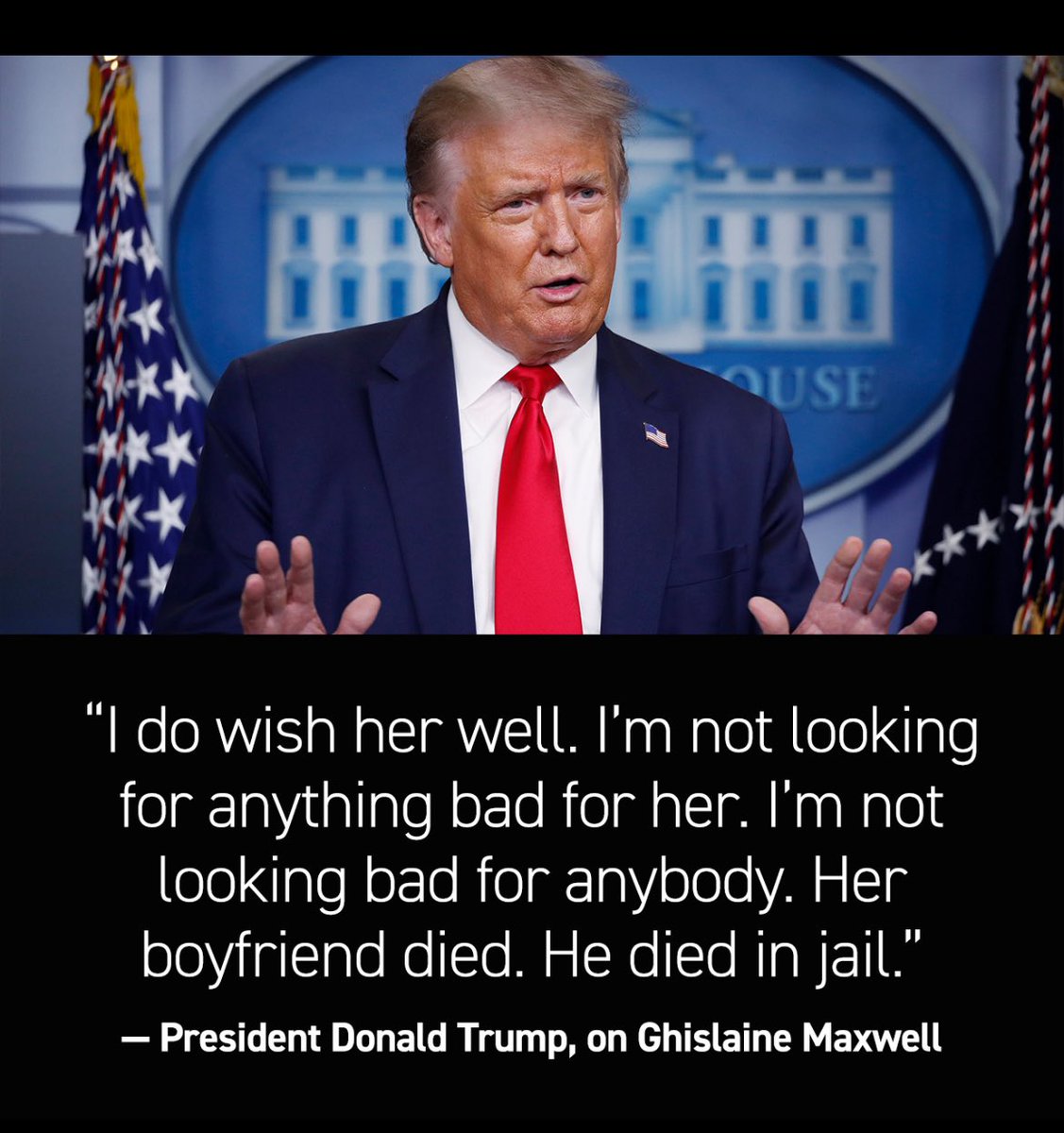
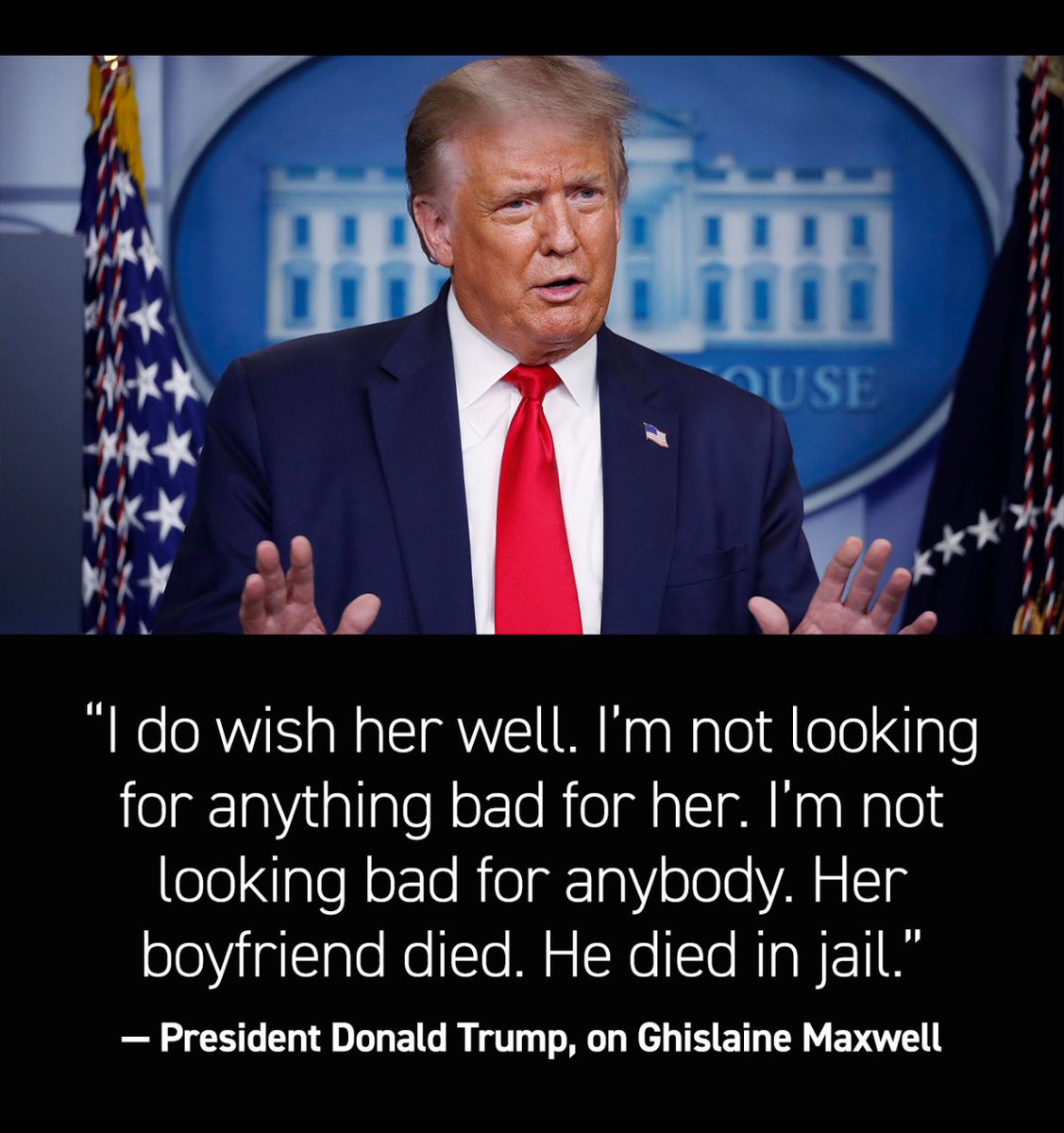
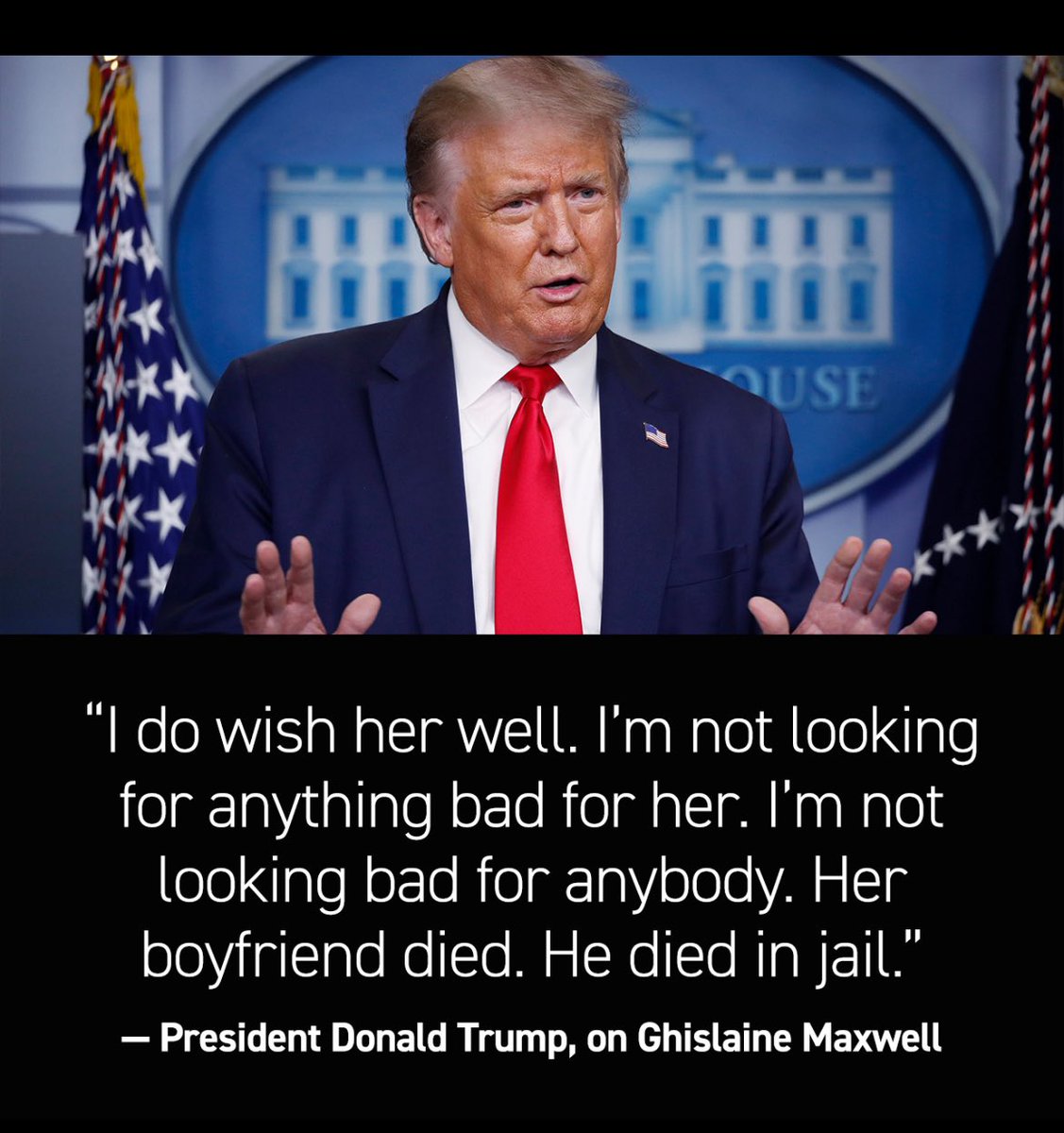
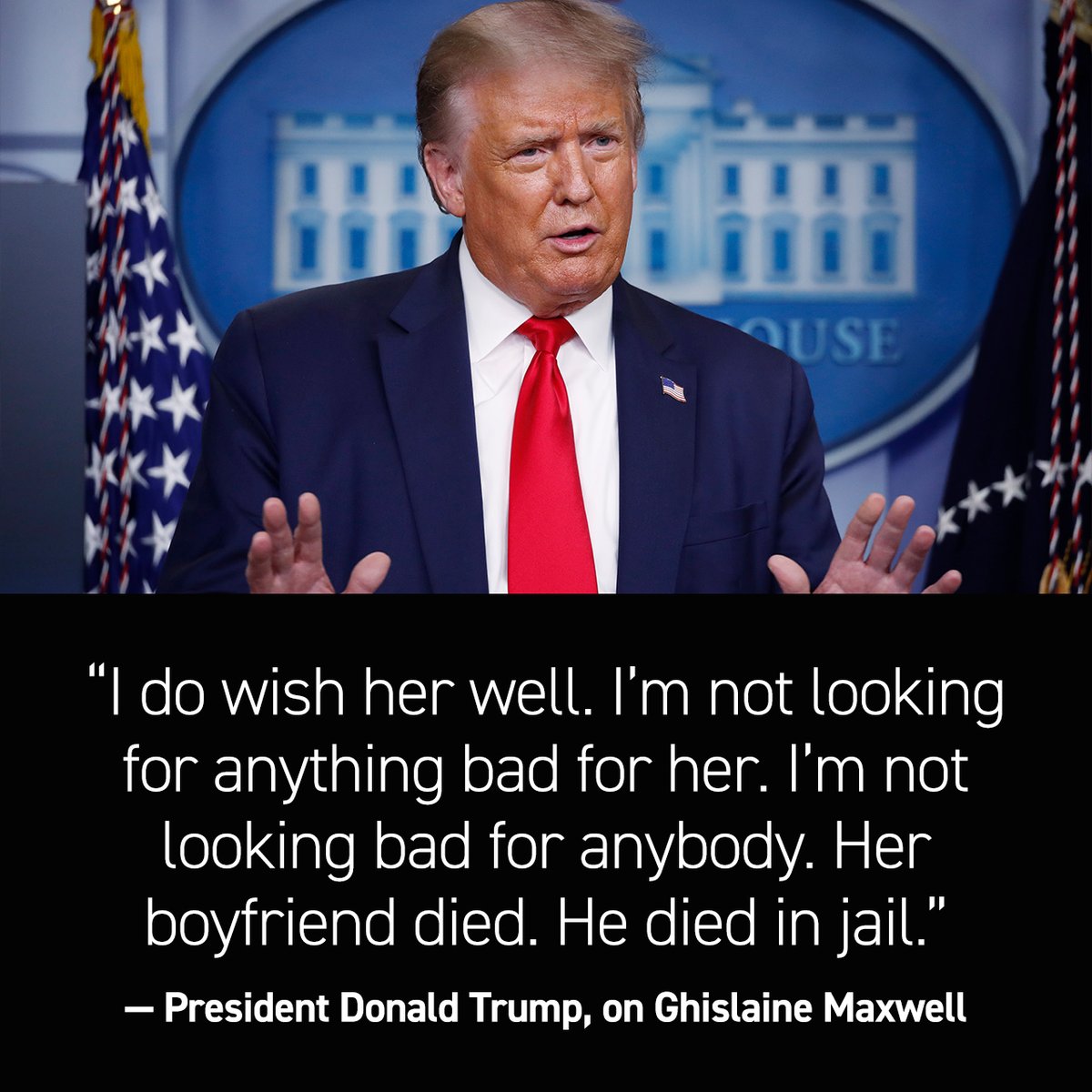
President Donald Trump again extended well-wishes to accused sex trafficker Ghislaine Maxwell, apparently expressing sympathy for Jeffrey Epstein’s longtime companion https://t.co/EbEBXF58oM
In a graphic video that has since gone viral on social media, about 7 or more masked men wearing U.S. Border Patrol vests are seen violently detaining a Santa Ana father before forcing him into the back of an unmarked car. Details: https://t.co/BgpTgNbNEW
One of the most frequently misrepresented federal statutes—often falsely used to justify unconstitutional presidential war powers—is the War Powers Resolution (or Act) (50 U.S.C. §§ 1541-1550).
If only more people would read it.
Contrary to what you may have heard about the War Powers Resolution, it does not allow the president to take military action for any reason for 60-90 days without congressional approval so long as the president notifies Congress within 48 hours.
Section 1541(c) of the War Powers Resolution states clearly:
"The constitutional powers of the President as Commander-in-Chief to introduce United States Armed Forces into hostilities, or into situations where imminent involvement in hostilities is clearly indicated by the circumstances, are exercised only pursuant to (1) a declaration of war, (2) specific statutory authorization, or (3) a national emergency created by attack upon the United States, its territories or possessions, or its armed forces."
Of the three cited authorities, not one indicates a presidential power to take unilateral (without Congress's approval) offensive military action.
The first two authorities allow the president to take offensive military action but only with Congress's express approval (Article I of the Constitution grants Congress the exclusive power to declare war). The third authority allows the president to take defensive military action without Congress's approval in the event of a specific type of national emergency, a sudden unforeseen attack on the United States (happening too quickly for Congress to meet) necessitating immediate action to protect Americans.
It's for this last situation (or for situations in which the president introduces forces into hostilities unlawfully) that the War Powers Resolution provides for the oft-mentioned 48-hour report to Congress (§ 1543) and 60-day (up to 90-day) timeline (§ 1544). If there's an attack in progress on the United States (i.e., currently happening), we expect the president to respond swiftly to neutralize the attack and protect Americans—and then we will hold the president to account.
The Framers of the Constitution agreed at the debates in the federal convention of 1787 that the president should have the "power to repel sudden attacks" but not the power to otherwise introduce forces into hostilities without congressional approval.
The War Powers Resolution does not confer any new authority on the president to take offensive military action without congressional approval—nor could it under our Constitution. It instead checks the president when, as the Framers contemplated, the president introduces our Armed Forces into hostilities to repel a sudden attack.
War with Iran is not in America’s interest. It would destabilize the region, cost countless lives, and drain our resources for generations.
We should pursue diplomacy, not destruction. Engaging in dialogue with adversaries is not weakness; it’s the strength of a confident nation seeking peace. Our primary responsibility is to protect American lives.
https://t.co/GiHWGrHKF5