Vet your NDT and inspection companies to the highest standards with ISO9001:2015 as a minimum. If they can't back up their boasts with audited certification from external bodies they pose a risk to your business.
Conducting task based risk assessments before any critical work is imperative to ensuring and maintaining safety.
If you do not have a safe system of work that incorporates a robust risk assessment process then you are doing things wrong.
It is quite common in the Gulf of Thailand to find shipping containers being used as offshore containers. Problem is shipping containers do not meet the structural integrity to withstand dynamic lifts to and from supply boats.
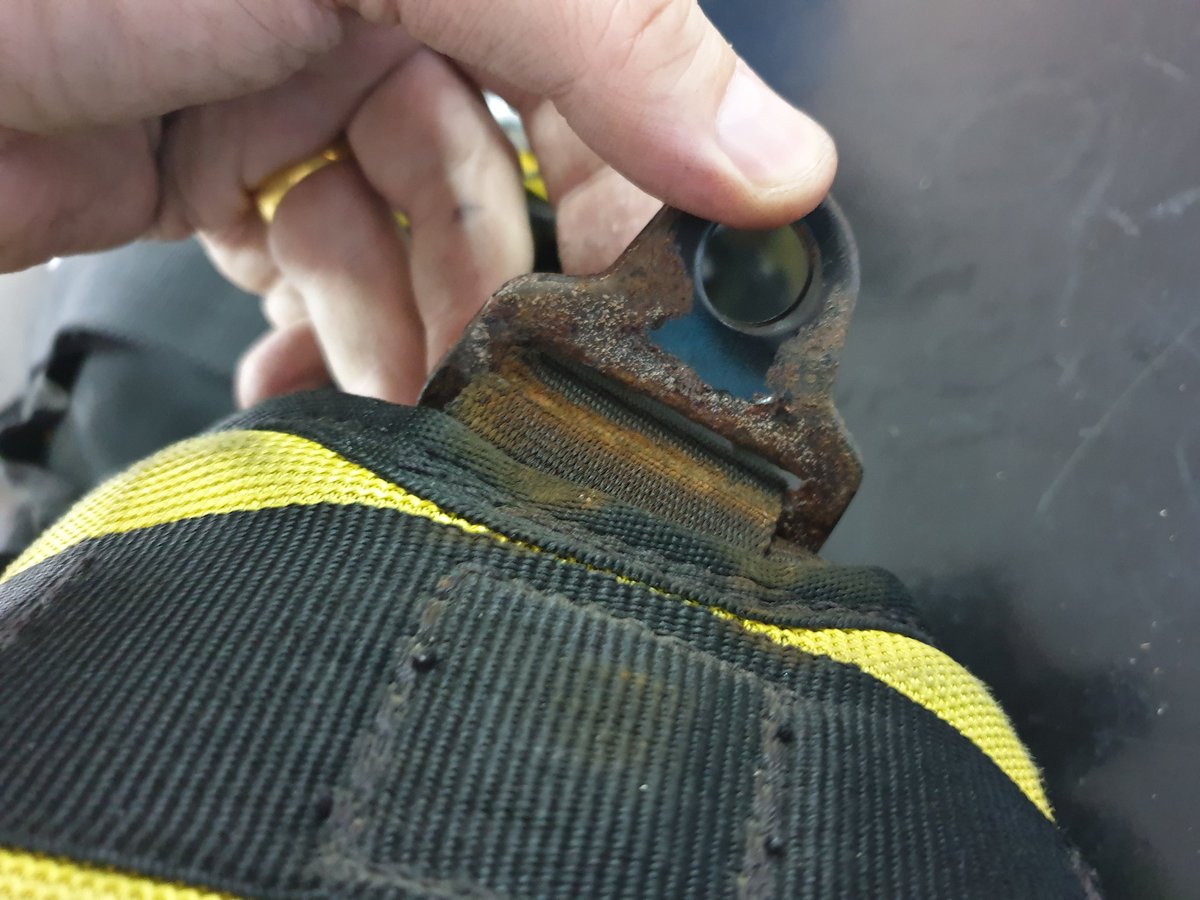
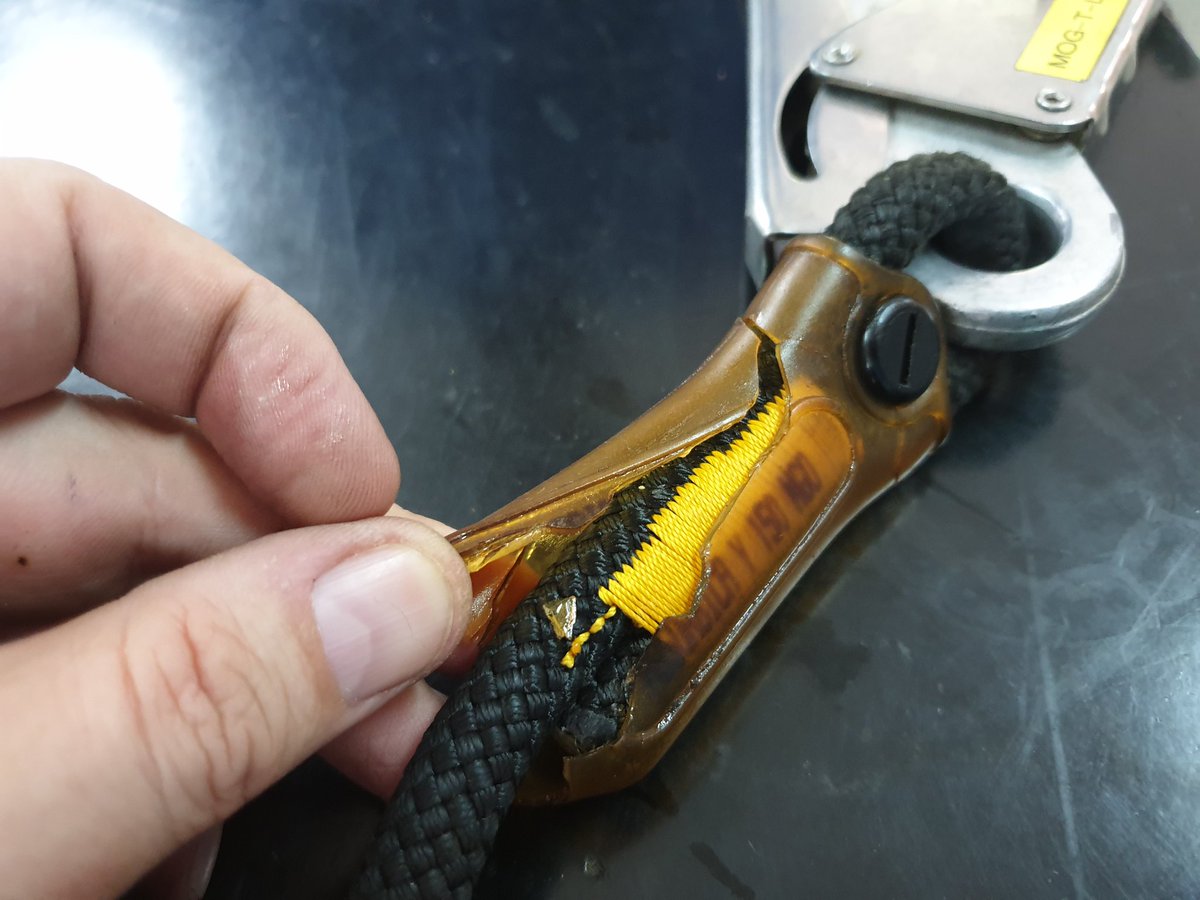
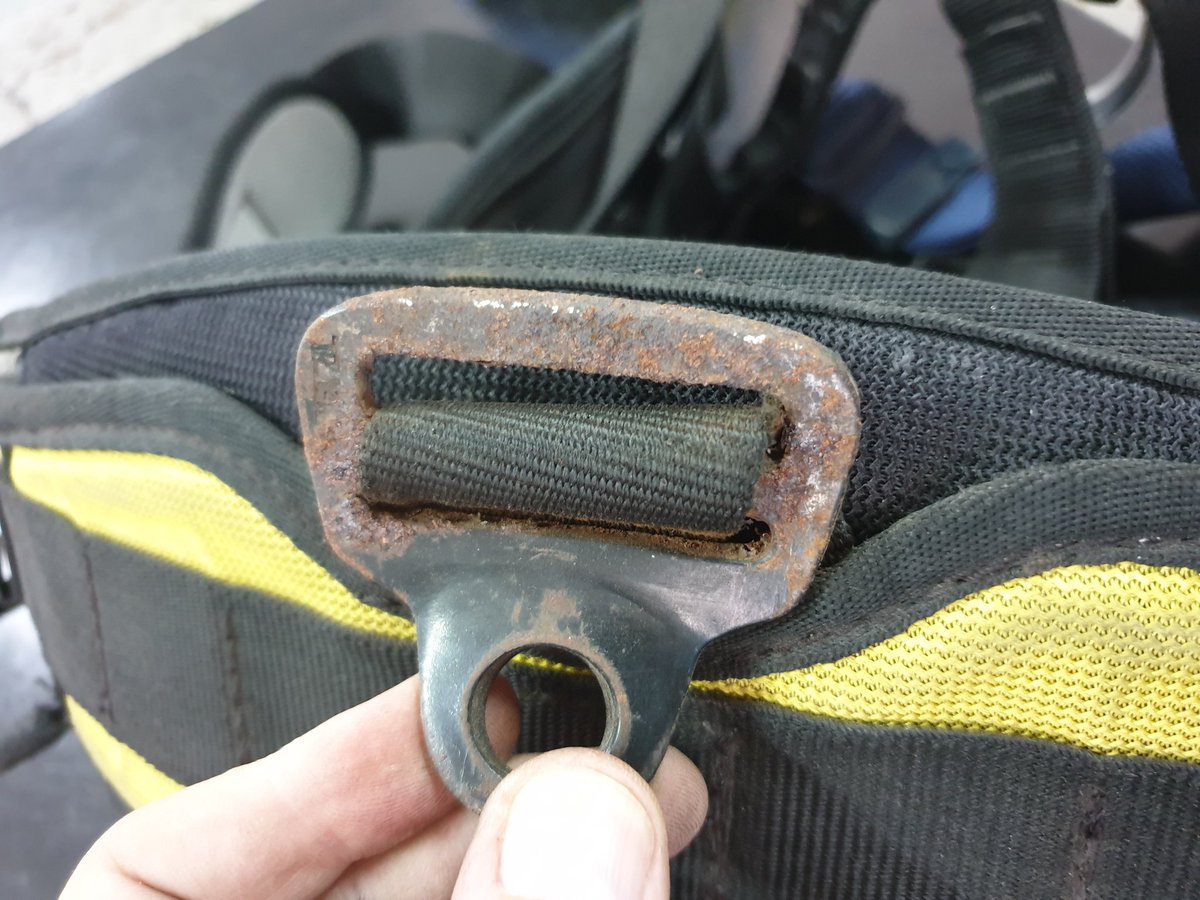
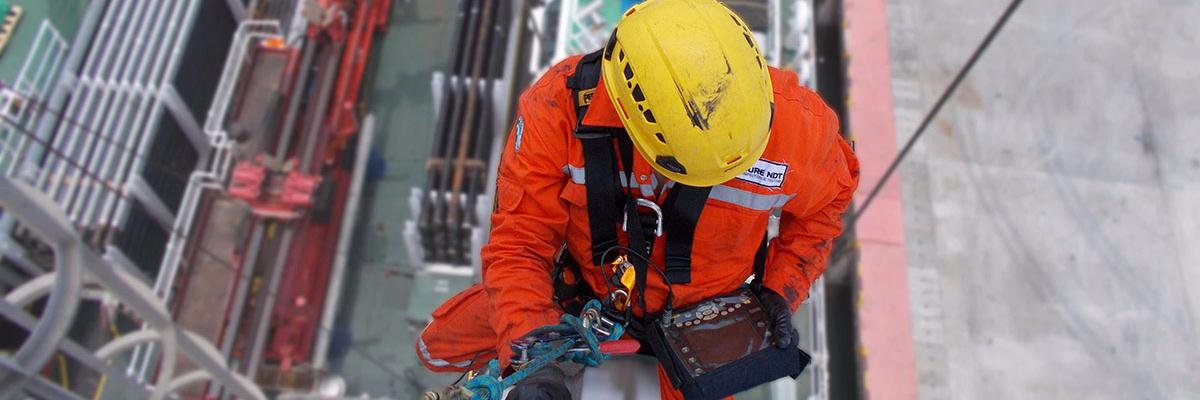
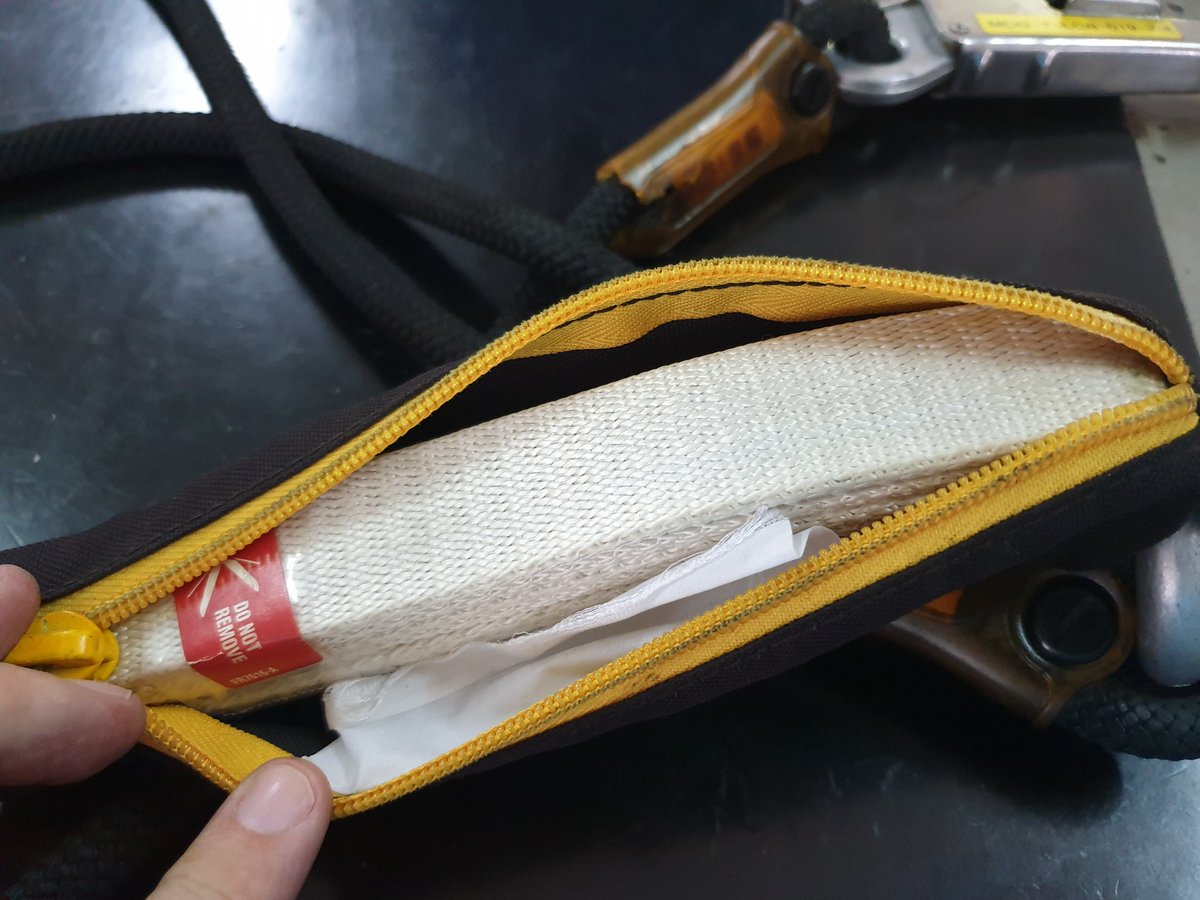
Rope access gear inspection today. Found a few tasty items which were immediately rejected, taken out of service and scrapped.
#inspection#ropeaccess#IRATA#harness#Petzl
Maintaining a properly certified and audited Quality Management System, normally to ISO 9001, is mandatory to ensure the quality of your service or product.
Beware of man-in-a-van companies that boast excellence but cannot prove it via certified systems of work.
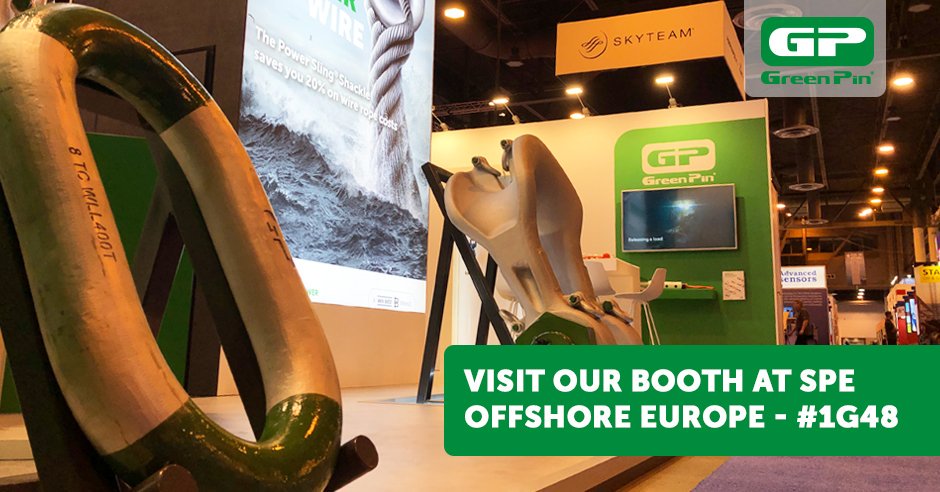
During the SPE Offshore Europe 2019 exhibition, see the new completely weldless Green Pin® Heavy Duty Master Link in real life at the Green Pin® booth (#1G48) . Are you also interested in heavy duty lifting and mooring? Meet our co-exhibitor @IrizarForge.
@thecrosbygroup@HeavyLiftPFI David is an industry discipline expert in the field of load monitoring and his articles are always informative and entertaining!
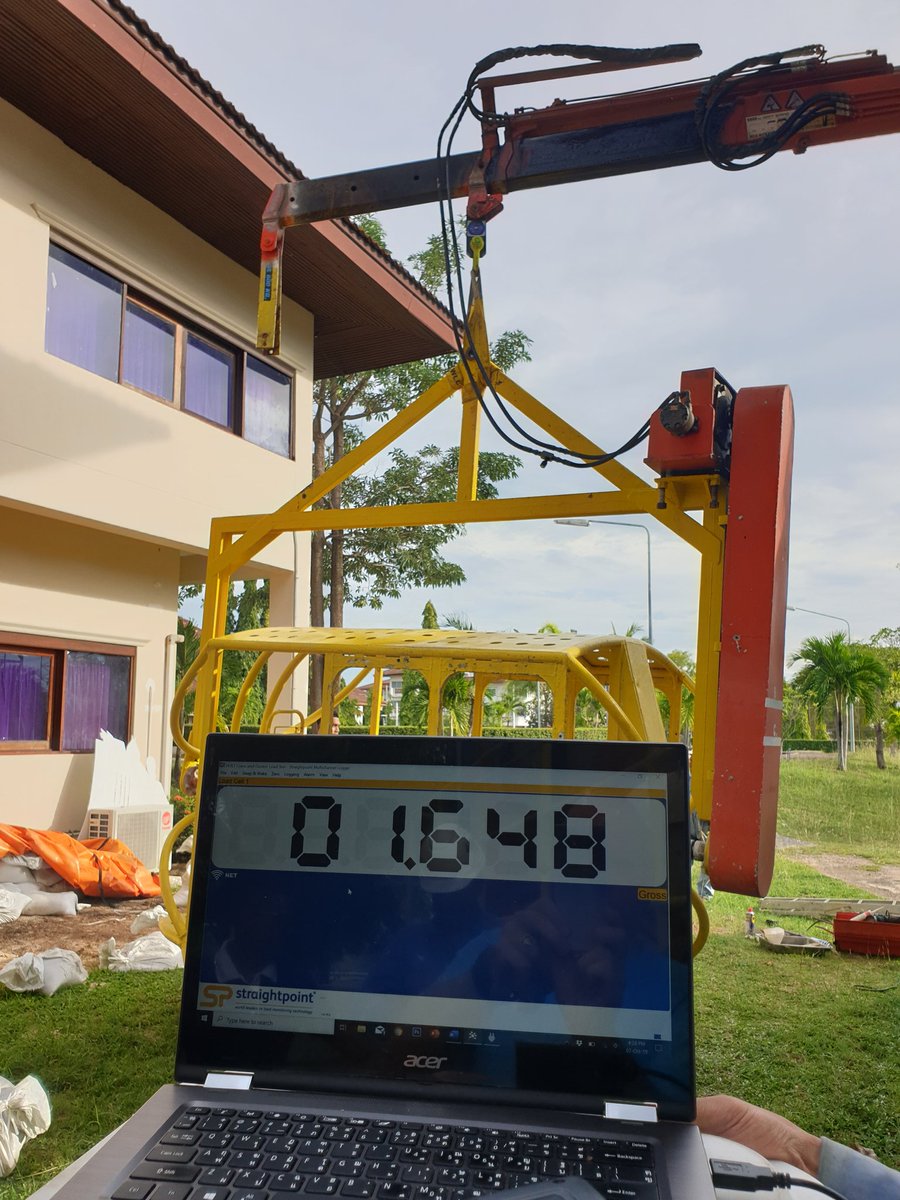
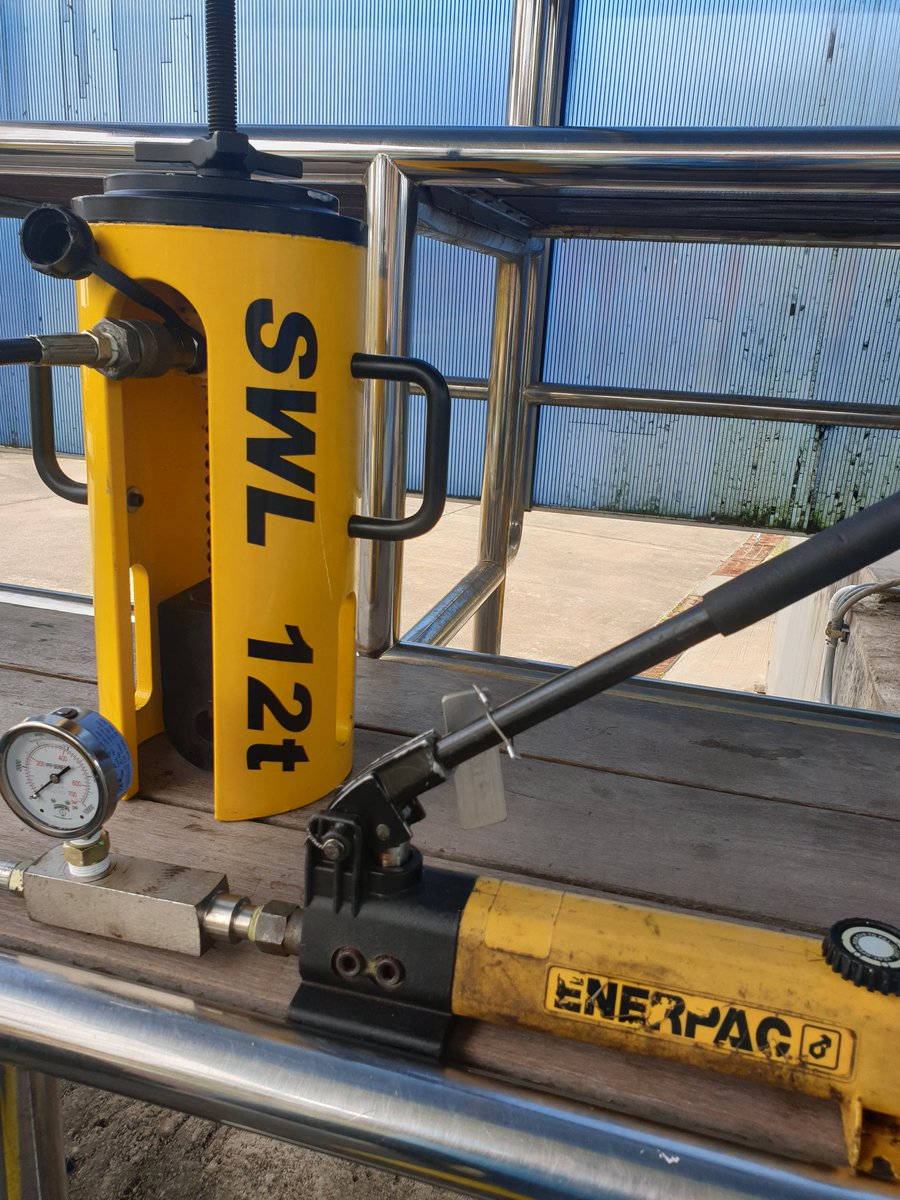
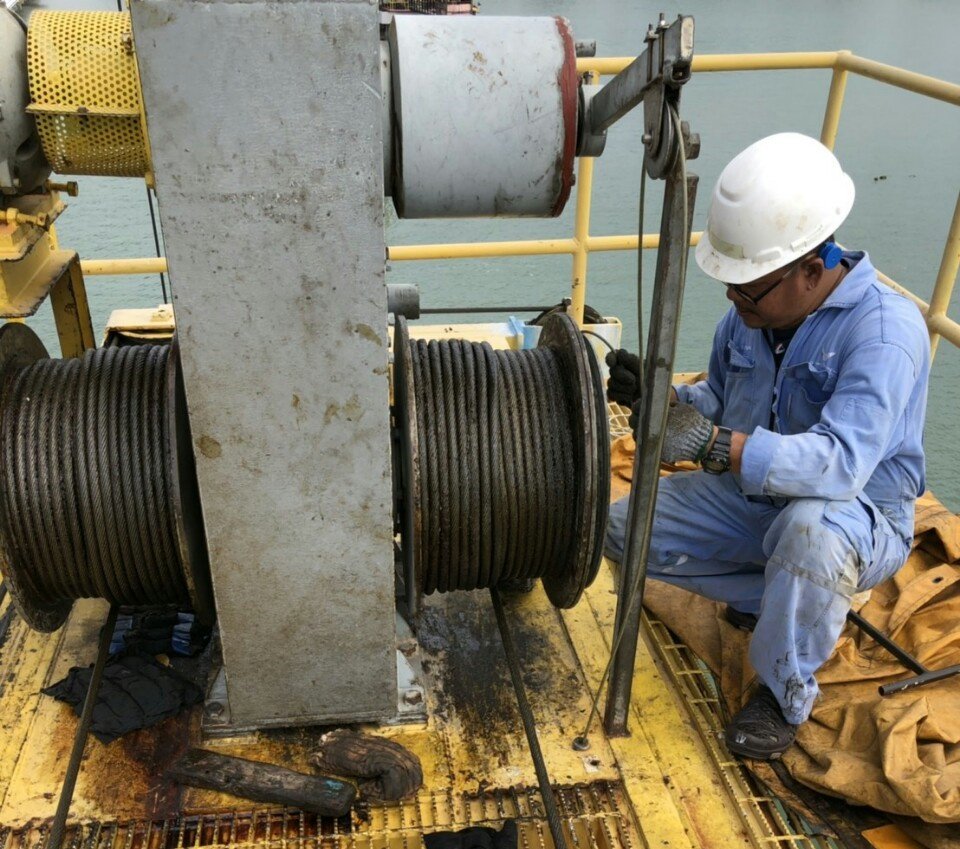
Additionally, proper thorough examination with appropriate non-destructive testing is a far better way than proof load testing to ensure lifting equipment is still safe to use, with light load testing used to verify brake mechanisms etc.
More often than not, proof load testing proves nothing that is not already known regarding the condition of the lifting gear, and only serves to tell us that it can take the load at the time of the test. Proof load testing may also unnecessarily damage the item under test.
Dye penetrant inspection (DP), also called liquid penetrate inspection (LPI) or penetrant testing (PT), is a widely applied and low-cost inspection method used to check surface-breaking defects in all non-porous materials (metals, plastics, or ceramics).