What patients like in their doctors?
1. Smile: Many patients tell me that they feel at ease when they see a smile on the doctor’s face,
2. A doctor who listens: It is surprising to note that most patients tell me that the doctor who they earlier consulted did not properly listen to them, and straightaway prescribed investigations or medicines. This is a sure way to put them off,
3. A doctor who explains: the diagnosis, the possible causes of illness, and the future prognosis.
4. A doctor who breaks the negative news: with empathy and gives them ample time to understand & accept the situation,
5. A doctor who gives multiple treatment options: and helps the patient choose the best one suited to him/her, rather than imposing one specific treatment,
6. A doctor who considers the cost: of investigations & treatment, and tries to optimise the expenses for the best possible outcome,
7. A doctor who values their time: and sees them on time. If there is an unexpected delay/sudden leave from the doctor’s side, then the doctor’s office should send prior information to the patient,
8. A doctor who refers: to someone who can do a better job than them. In today’s world, it is not possible for one doctor have all the skills pertaining to his speciality. For example, a general neurologist may not be the best to treat medically-refractory epilepsy. It is better to refer the patient to a qualified epileptologist,
9. Patients like doctors who prescribe fewer investigations and lesser number of medicines,
10. Patients like doctors whose prescription includes lifestyle measures such as diet and exercise.
Dr Sudhir Kumar MD DM X:@hyderabaddoctor
#doctor #doctorPatientRelationship #MedTwitter
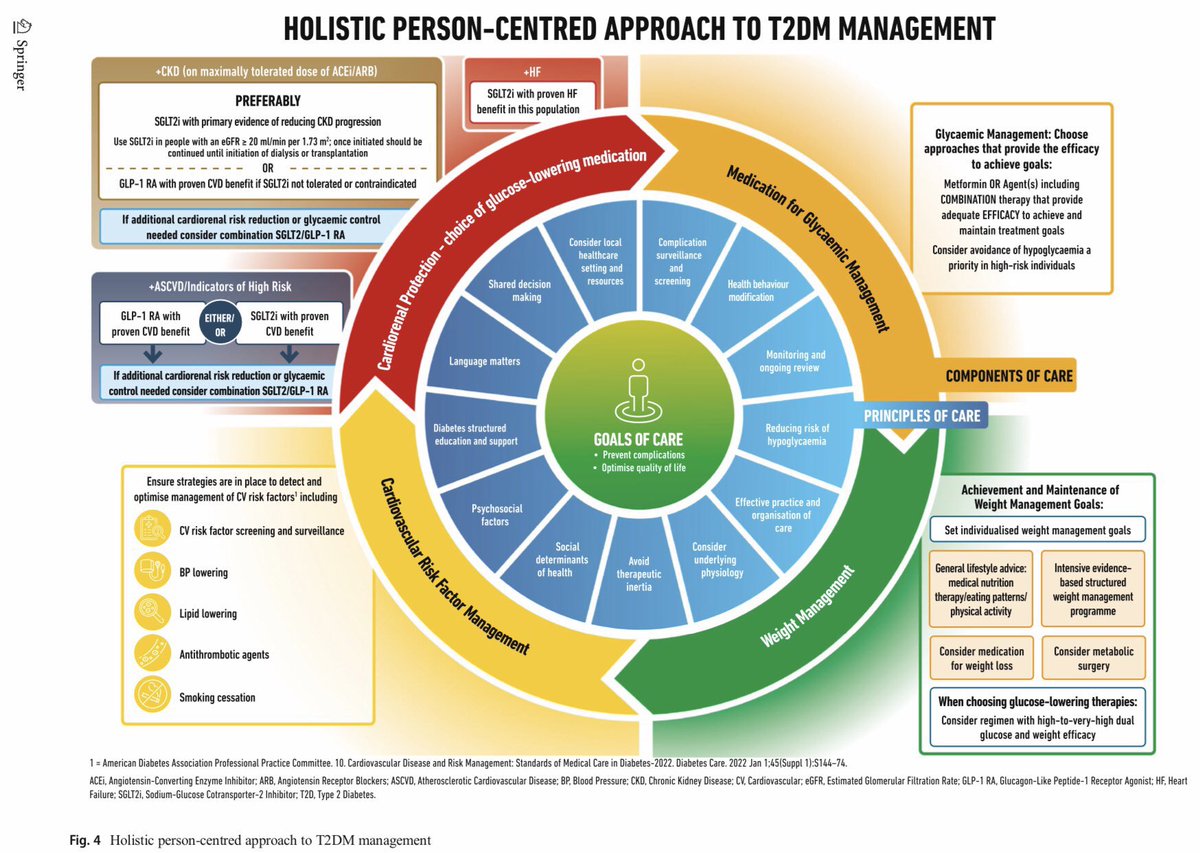
When your KIDney becomes an ADULTney!
Tune in for our podcast about CKD this week!
Written by @thana_susan, reviewed by Dr. Christine A. White (Nephrologist) and Dr. Christopher Smith (GIM).
Infographic by Dr. Caitlyn Vlasschaert.
#meded
Another good productivity tip from @fortelabs:
Energy management is more important than time management.
If you don't have energy to study, you won't get anything done even if you have all the time in the world.
Instead, manage your energy levels.
Like going for a nap.
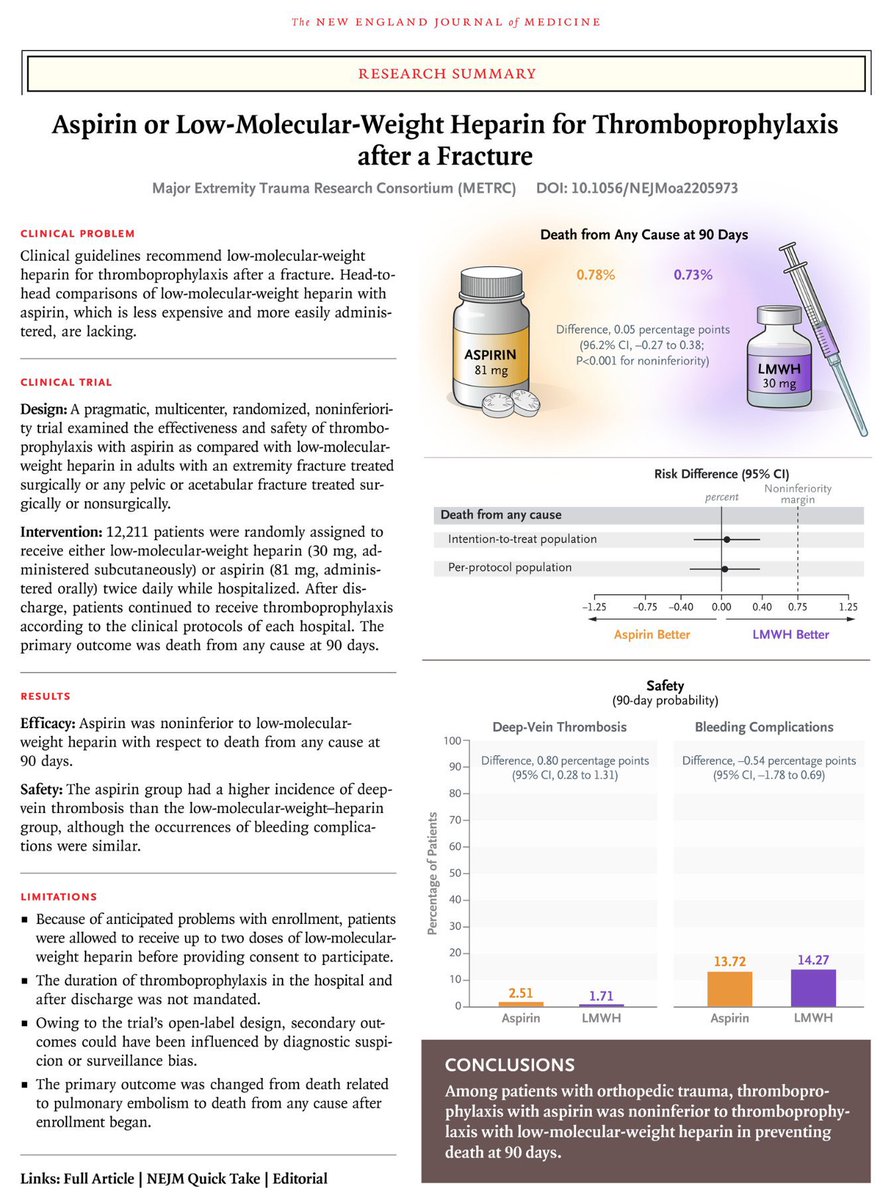
In patients with orthopedic trauma, aspirin is not inferior to low molecular weight heparin in preventing venous thrombosis. #FOAMed#MedEd#Thromboprophylaxis@NEJM
https://t.co/0u9kDsAus0