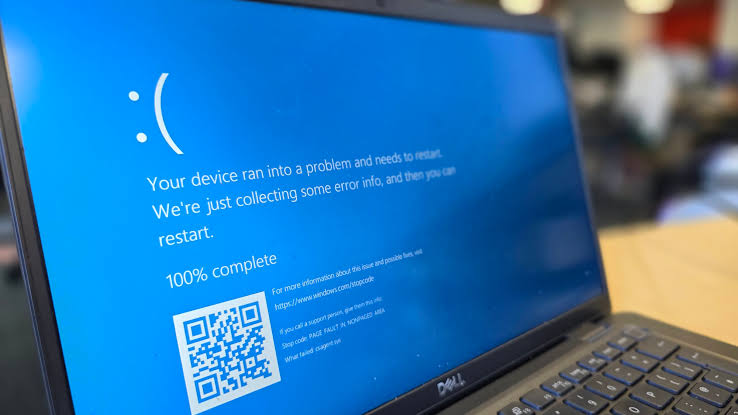
Outlook, Teams, and Copilot went dark worldwide—and even Microsoft’s own status portals struggled to stay online. We unpack the overwhelmed secure-connection processes, failed health checks, and the hidden cybersecurity trap hitting firms right now. https://t.co/80sfGeT2wf
🤖 Nvidia's upcoming print hides a deeper supply chain bottleneck.
H100 and Blackwell delivery timelines are shifting as hyperscalers adjust capex commitments ahead of Q4.
Are peak margins already priced in before volume shipments scale?
🎬 How did a massive cultural blind spot survive in broad daylight for decades?
Netflix's new doc on Russell Brand examines the mechanics of fame, power shielding, and systemic negligence that kept warning signs buried.
Outlook, Teams, and Copilot went dark worldwide—and even Microsoft’s own status portals struggled to stay online. We unpack the overwhelmed secure-connection processes, failed health checks, and the hidden cybersecurity trap hitting firms right now.
⚡ Kalpakkam just unlocked the holy grail of nuclear energy.
The 500MWe Prototype Fast Breeder Reactor achieved first criticality, converting depleted uranium into more fuel than it consumes to power India's thorium leg.
Can domestic fabrication scale fast enough to fuel the commercial fleet by 2030?
🚆 Bengaluru To Goa Via Western Ghats: India's Newest Vande Bharat Is All About The Views
India announces a significant milestone in infrastructure, reinforcing domestic technological and strategic leadership.
The shift is deliberate; sustained execution and domestic supply depth will determine long-term strategic sovereignty.
Everyone is tracking Australia's pace factory. Almost nobody is analyzing how they keep producing express tearaways on demand:
Mahli Beardman just dismantled England with a five-wicket haul inside his first 28 ODI deliveries at Perth.
Is our domestic system failing to build genuine 150kph profiles, or are we simply too risk-averse to back raw pace early?
Outlook, Teams, and Copilot went dark worldwide—and even Microsoft’s own status portals struggled to stay online. We unpack the overwhelmed secure-connection processes, failed health checks, and the hidden cybersecurity trap hitting firms right now. https://t.co/80sfGeT2wf
Everyone tracks assembly seats, but Tamil Nadu’s real political fortress is being built on school breakfast and cake distribution menus. 📊
State machinery is scaling institutional nutrition delivery to 62 lakh students, merging welfare outreach directly with early voter mindshare.
At what point does welfare state expansion cross the line from public health into unassailable electoral insulation?
📊 India’s next major healthcare bottleneck isn't hospital beds; it's the silent progression of undetected metabolic risk.
Millions walk around with rising HbA1c levels while routine diagnostics remain bottlenecked by urban-centric clinic models and low preventive screening rates.
At what point does public health infrastructure shift from treating late-stage complications to enforcing mandatory annual metabolic audits?
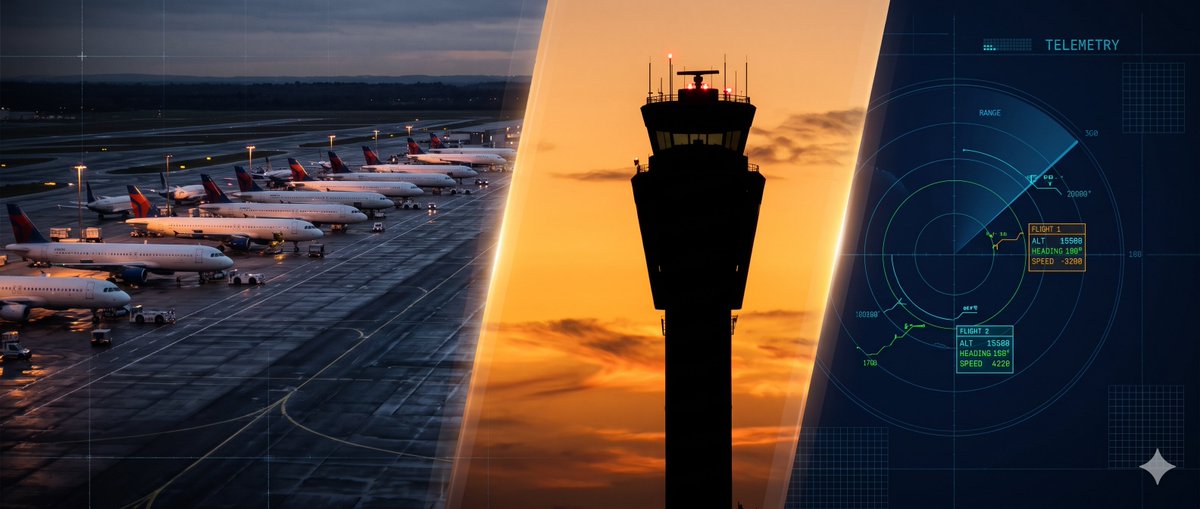
With Congress having approved $12.5B for modernization last year and Thanksgiving travel days away, airlines are still untangling stranded crews and jets.
Full timeline and breakdown inside: https://t.co/vJqwtl7HeA
Where do you stand—emergency congressional funding for a full rebuild, or stricter contractor oversight first?
Over 10,000 delays, 4,400+ cancellations, and 1.5 million stranded flyers—all triggered when security patches overloaded 1980s-era FAA routers. Inside the longest U.S. airspace shutdown since 9/11 and what it means for Thanksgiving travel. https://t.co/wbrnajFTba
"We have old switches, old routers. We use 1980s little copper lines."
That is how Transportation Secretary Sean Duffy explained the 4+ hour nationwide FAA ground stop that stranded 1.5 million flyers on Nov. 13.
Here is what actually crashed America's airspace—and why it wasn't a cyberattack: 🧵
The biggest irony? The crash wasn't caused by neglect—it was triggered by upgrades.
Homeland Security Secretary Markwayne Mullin revealed that new security patches and modern gear overwhelmed legacy routers on the L3Harris-run FAA network.
(And no—it had zero link to the Microsoft outage or the FAA's new AI routing tool.)