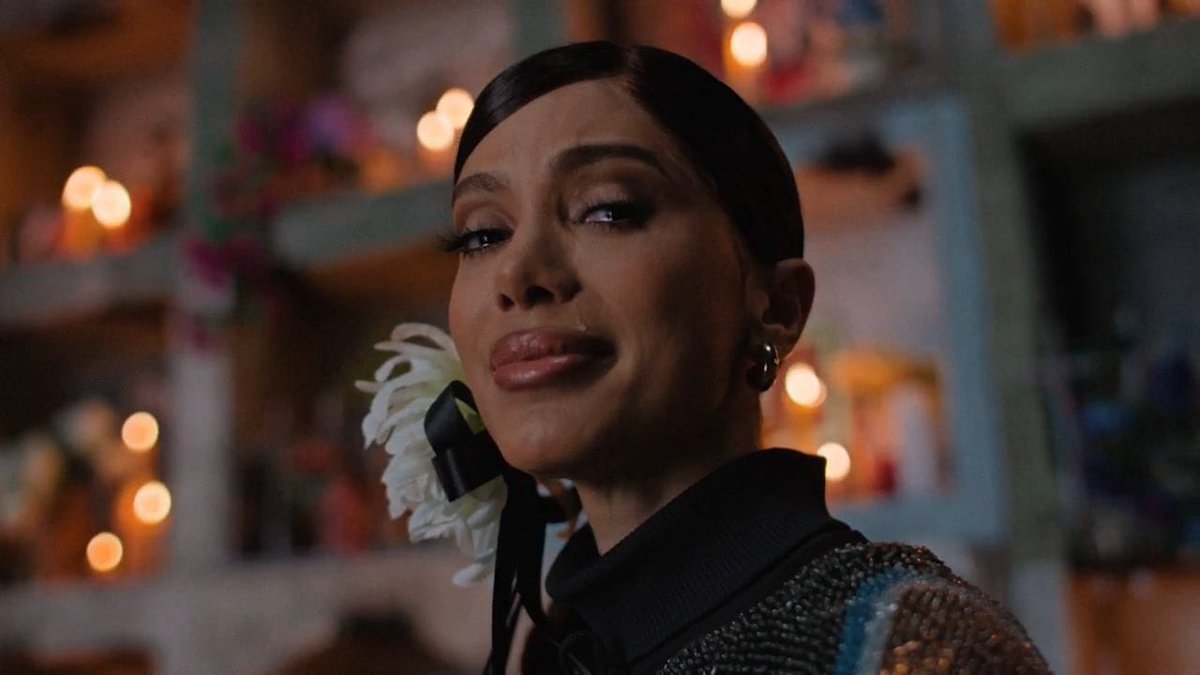
#Anitta NÃO usou indígenas como token, diferente de outros artistas e marcas!
Ela colou indígenas na produção, na figuração e no PROTAGONISMO de #equilibrivm e #oke além dela já apoiar a causa.
Essa é para quem está há 24hrs comparando LUX x Equilibrium 🚨 "Existe uma necessidade das pessoas de comparar os artistas. Acho isso pobre de espírito e percepção. Não buscou se aprofundar no trabalho, não pesquisou”, diz Anitta, em coletiva.
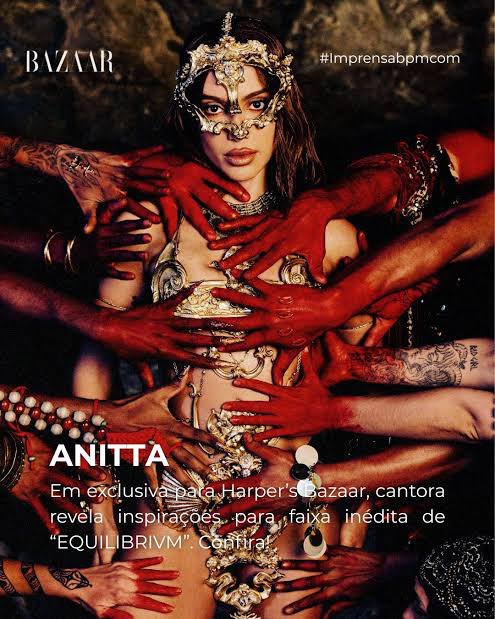
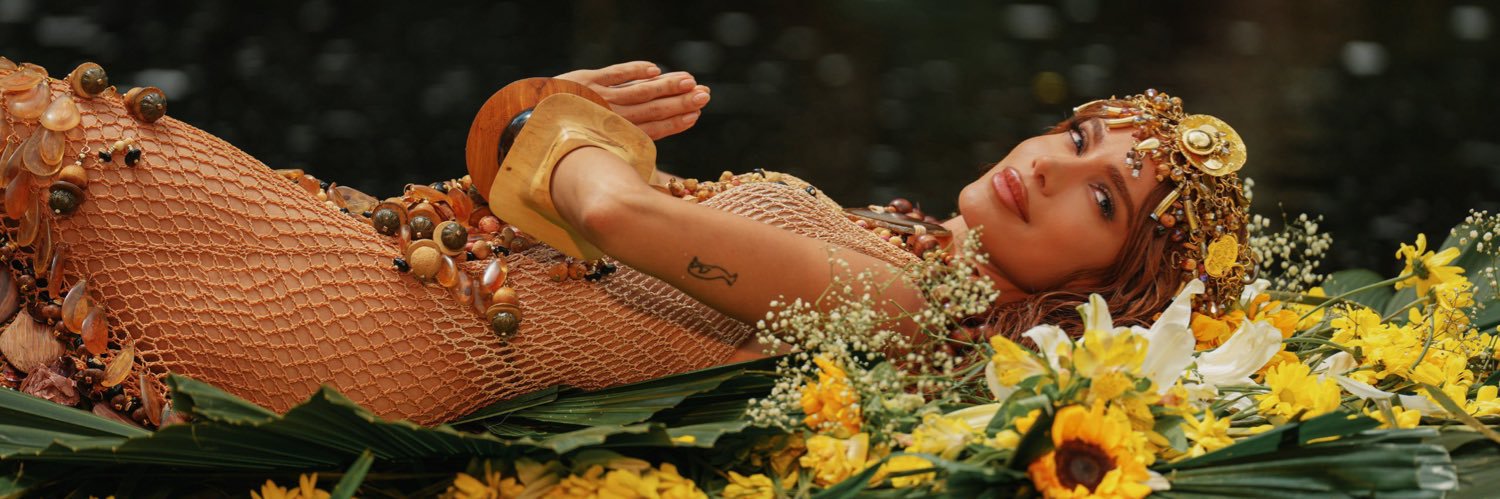
EQUILIBRIUM II da Anitta chegou e não é só mais um álbum pop, é ela pegando TERREIRO, macumba, samba e funk e colocando isso numa vitrine que o mundo inteiro vai ver.
Pra mim isso é RESISTÊNCIA! Porque em um país que criminaliza terreiro, queima tenda e trata cultura afro-brasileira com preconceito e caso de polícia, ter a artista mais ouvida do Brasil no mundo cantando Oxum e Iemanjá sem pedir desculpa, pra mim é ato político.
Enquanto o Brasil só sabe exportar churrasco e futebol de jogador fútil, Anitta exporta terreiro. E isso incomoda muito conservador golpista que sempre quis nossa cultura invisível.
Vamos juntos fazer a música Oke viralizar e levar os artistas indígenas ao topo pela primeira vez na história da música Brasileira!!!
#oke#anitta#equilibrivm#katumirim
Brazil's Queen of Pop, #Anitta, has reached #1 on iTunes in Brazil and Portugal with the most meaningful, artistic, and personal album of her career, ‘EQUILIBRIVM II' ! 💪🇧🇷👸🏻🆕🪩💿⚖️2⃣💥1⃣🎵🇧🇷& 🇵🇹👑❤️🔥
STREAM: https://t.co/IVR3CMKCqw
Flora Mattos sim foi usada IA no álbum e se chama inteligência ancestral.
Agora cala a boca e senta lá Cláudia!
Respeita todos os artistas que trabalharam muito e estão prontos pra receber o Grammy! Pq é isso que essa obra prima merece.
Oke!
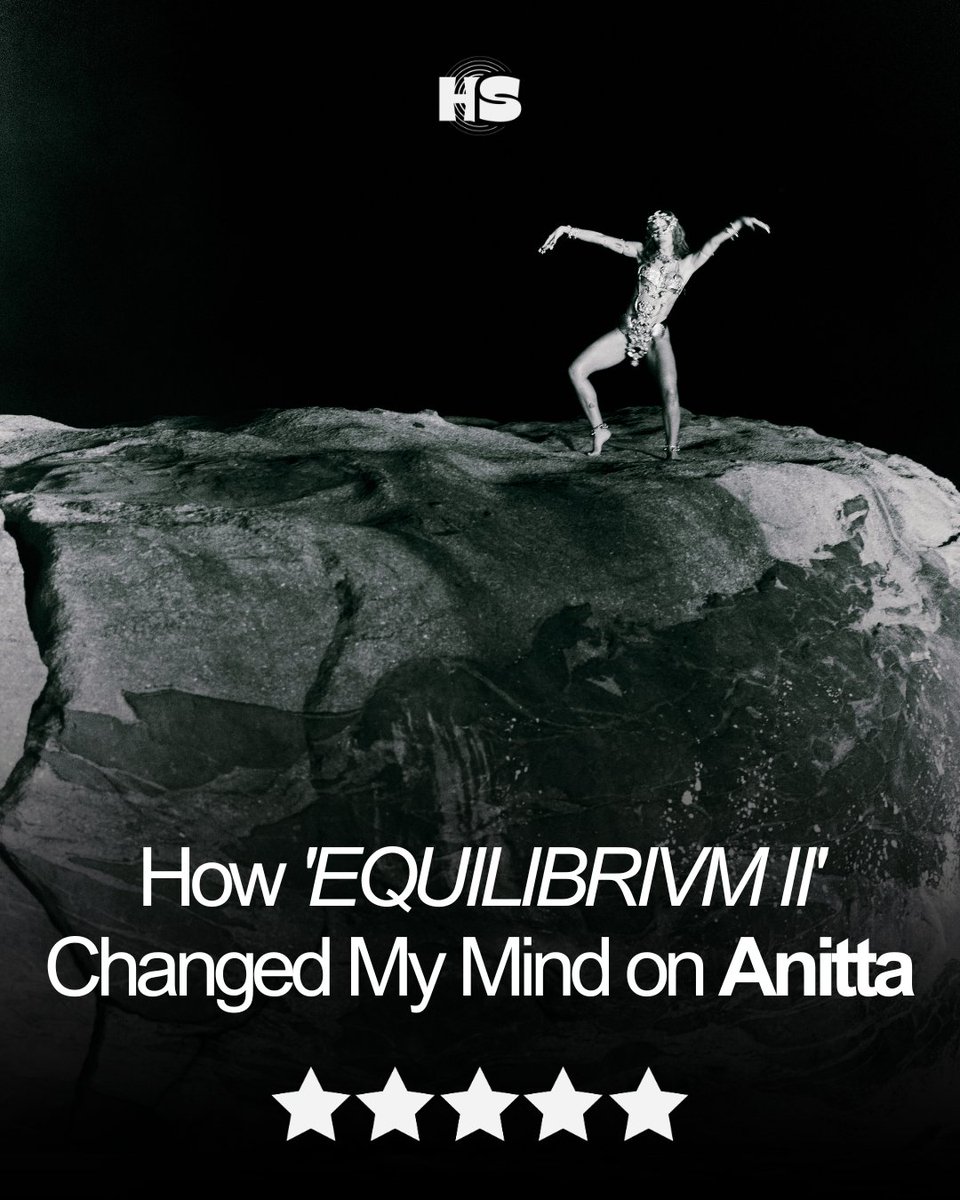
I wasn’t particularly familiar with Anitta’s discography going into ‘EQUILIBRIVM II.’ Outside a few of her biggest hits, like “Envolver,” which I always found generic and a little forgettable, I hadn’t paid much attention to her as an artist.
This album changed that completely.
From the first few tracks, the production pulls you in. Samba, axé, funk, and ijexá elements run through the entire project as its actual foundation, present in the percussion, the phrasing, the way songs build and release their tension. Every rhythmic choice feels considered rather than being added for just the sake of it, for the sake of texture.
What struck me most is how proudly Anitta presents her faith and her Brazilian heritage across the entire record. It’s unapologetic and front and center from the opening track onward, woven into the lyrics, the imagery, the sound itself. That confidence in her own identity gives the album a sense of purpose beyond just being a collection of songs. The collaborators reinforce that purpose rather than just padding the tracklist. Maria Bethânia’s appearance on “Ogum Me Rodeia” is one of the most significant pairings on the record, a veteran of Brazilian popular music lending real weight to a song built around an orixá. Even more striking is Grupo Ofá’s feature on “Contemplação,” made up of members from the Terreiro do Gantois community in Salvador, one of the most respected Candomblé houses in Brazil. Bringing them into the album isn't just a symbolic gesture but rather Anitta placing the actual keepers of the tradition inside her own music.
The second half leans even further into that, shifting toward a deeper emphasis on spirituality, with direct references to the orixás threaded through the lyrics and imagery. It’s a striking turn, it rewards a full listen rather than skipping around, because the album is clearly sequenced to build toward that spiritual weight.
Then there’s the vocal delivery. There’s a warmth running through these performances that feels genuinely personal, almost intimate in places. You can hear the emotion underneath the technical execution. Listening to it, I found myself picturing her smiling while recording, fully present in the moment, and that, in return, made me smile too.
The album is also accompanied by a 35-minute visual, and it’s genuinely one of the best visual companions I’ve seen in a while. The direction and depth reminded me of Beyoncé’s ‘Black Is King’ in terms of scale and intention, both projects paying homage to their ancestry through imagery, movement, and ritual. In Anitta’s case, it’s a direct homage to Afro-Brazilian roots, identity and religion, and the visual gives the album’s spiritual second half even more weight.
‘EQUILIBRIVM II’ is a genuinely great album, one that reframed how I think about her as an artist entirely. It’s fun, sultry, deep, emotional, personal. It’s made me a fan, and it made me want to go back and actually sit with the rest of her catalog.
My favorites: Você Já Sabe, Sal Grosso, Ponta de Pé, Orgum Me Rodeia, Divino Sexual, Oke.
5/5
Anitta não quer ir mais atrás do que conquistou, ela quer que o mercado internacional vá até ela 🇧🇷, assim ela poderá se aposentar tranquila. Sabendo que os artistas 🇧🇷 não precisam mais de migalhas de ninguém


![TrackAnitta's tweet photo. 🚨 EQUILIBRIVM” — Spotify Brasil:
#9. Você Já Sabe — 656.363 [NEW]
#19. Sal Grosso — 544.096 [NEW]
#21. Não Me Cutuca — 502.382 [NEW]
#25. Feitiço — 457.818 [NEW]
#29. Eu Não Sou Santa — 415.847 [NEW]
#46. Ponta do Pé — 360.040 [NEW]
#53. Abre Caminho — 323.431 [NEW]
#56. Tudo Isso — 321.534 [NEW]
#60. Ogum Me Rodeia — 313.062 [NEW]
#63. Pra Você Gostar de Mim — 309.108 [NEW]
#66. Sem Pressa — 306.896 [NEW]
#67. Deus Mãe — 304.966 [NEW]
#77. Divino Sexual — 287.287 [NEW]
#80. OKE — 279.771 [NEW]
#96. Contemplação — 254.823 [NEW]
#99. Desgraça — 252.251 [RE]
#115. Azul — 238.247 [NEW]
#147. Mandinga — 209.266 [RE]
#157. Respira — 203.032 [NEW]](https://pbs.twimg.com/media/HOFMkbWXgAA4KLC.jpg)





![TrackAnitta's tweet photo. 🚨 EQUILIBRIVM” — Spotify Brasil:
#9. Você Já Sabe — 656.363 [NEW]
#19. Sal Grosso — 544.096 [NEW]
#21. Não Me Cutuca — 502.382 [NEW]
#25. Feitiço — 457.818 [NEW]
#29. Eu Não Sou Santa — 415.847 [NEW]
#46. Ponta do Pé — 360.040 [NEW]
#53. Abre Caminho — 323.431 [NEW]
#56. Tudo Isso — 321.534 [NEW]
#60. Ogum Me Rodeia — 313.062 [NEW]
#63. Pra Você Gostar de Mim — 309.108 [NEW]
#66. Sem Pressa — 306.896 [NEW]
#67. Deus Mãe — 304.966 [NEW]
#77. Divino Sexual — 287.287 [NEW]
#80. OKE — 279.771 [NEW]
#96. Contemplação — 254.823 [NEW]
#99. Desgraça — 252.251 [RE]
#115. Azul — 238.247 [NEW]
#147. Mandinga — 209.266 [RE]
#157. Respira — 203.032 [NEW]](https://pbs.twimg.com/media/HOFMkbbXsAAG-q_.jpg)