PhD Student in the department of Aquatic Ecology at the University of Duisburg-Essen. Benthic invertebrates, impacts of multiple stressors, stream restoration
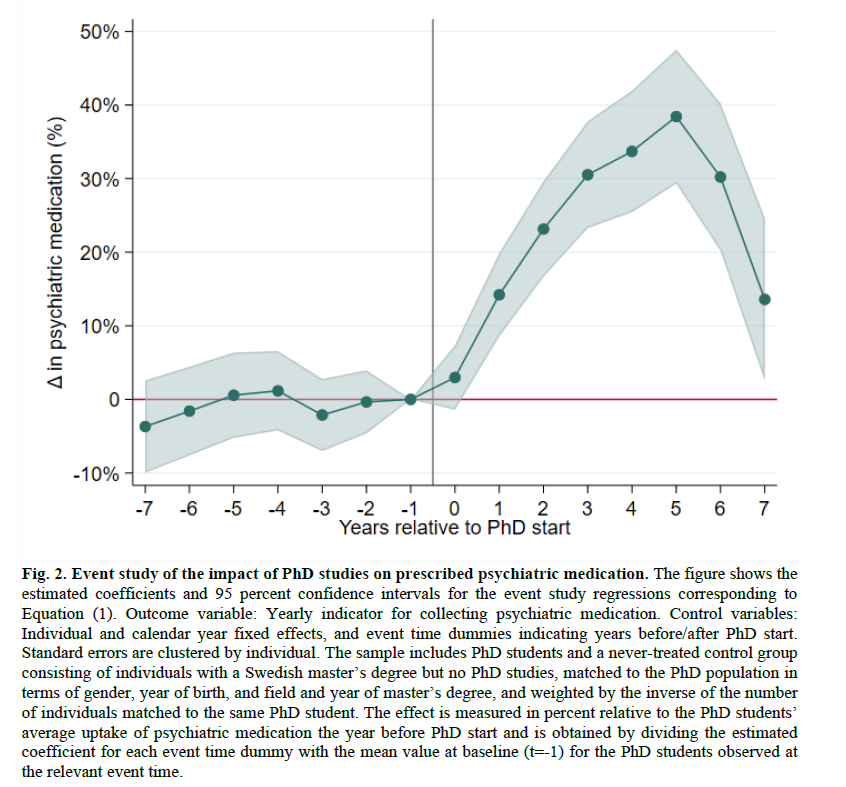
Pretty strong evidence of negative mental health effects of doing a PhD.
Recent working paper by
@EvaRanehill, @annahsandberg, Sanna Bergvall, and Clara Fernström.
Paper link: https://t.co/7X4uEjzPCC
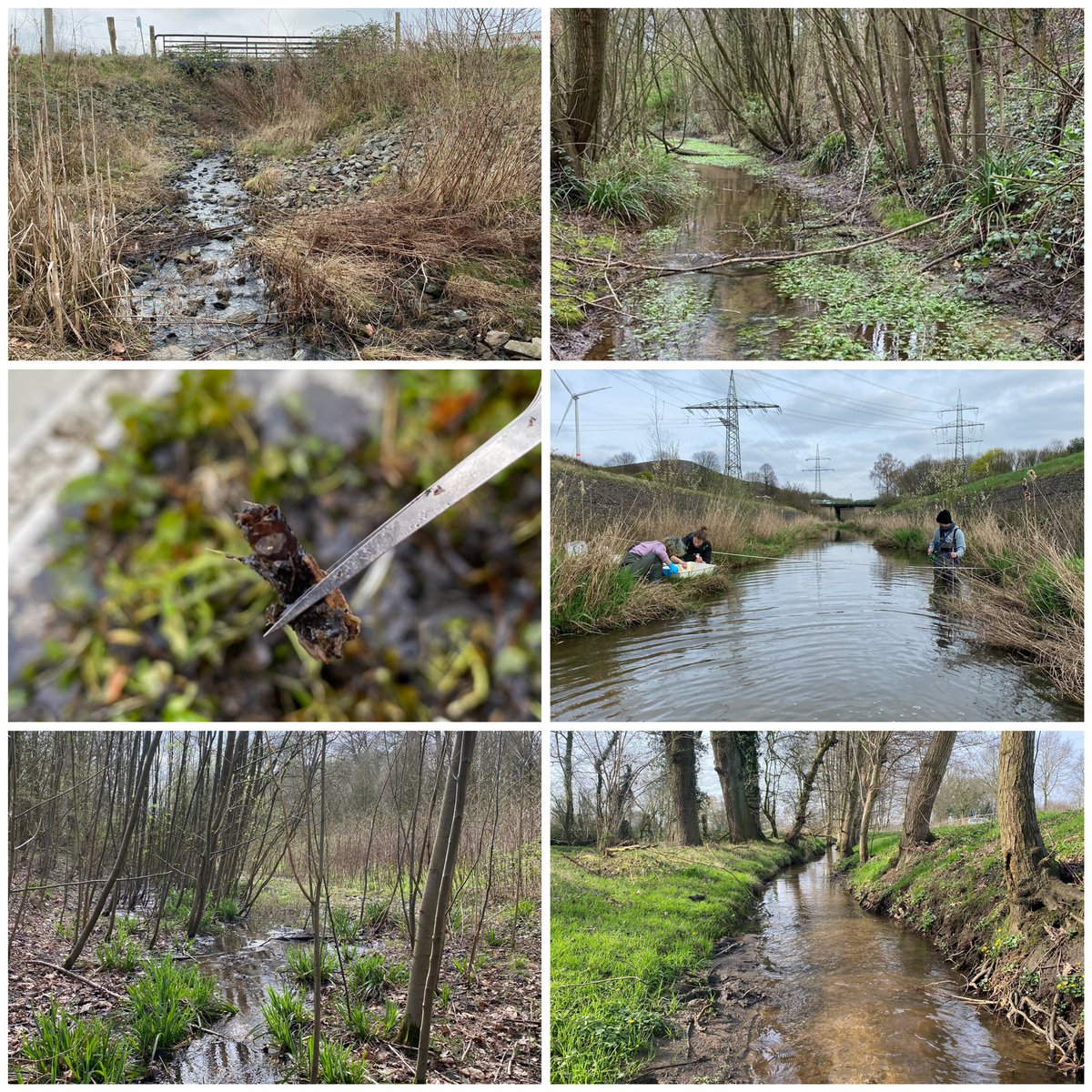
This week the 4th round of our annual sampling campaign in the Boye catchment for the @RESIST_CRC project commenced. At 20 sites we sampled macroinvertebrates, fungi, sediment and eDNA and measured different abiotic parameters. Hard work but great fun with a great team!
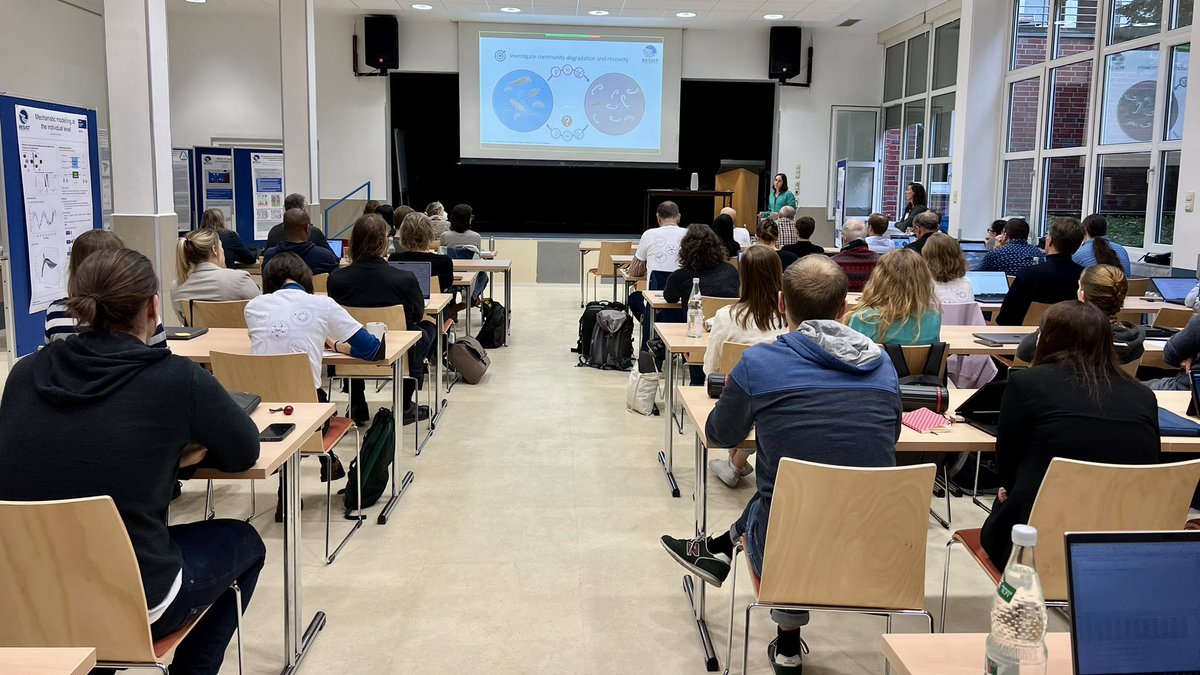
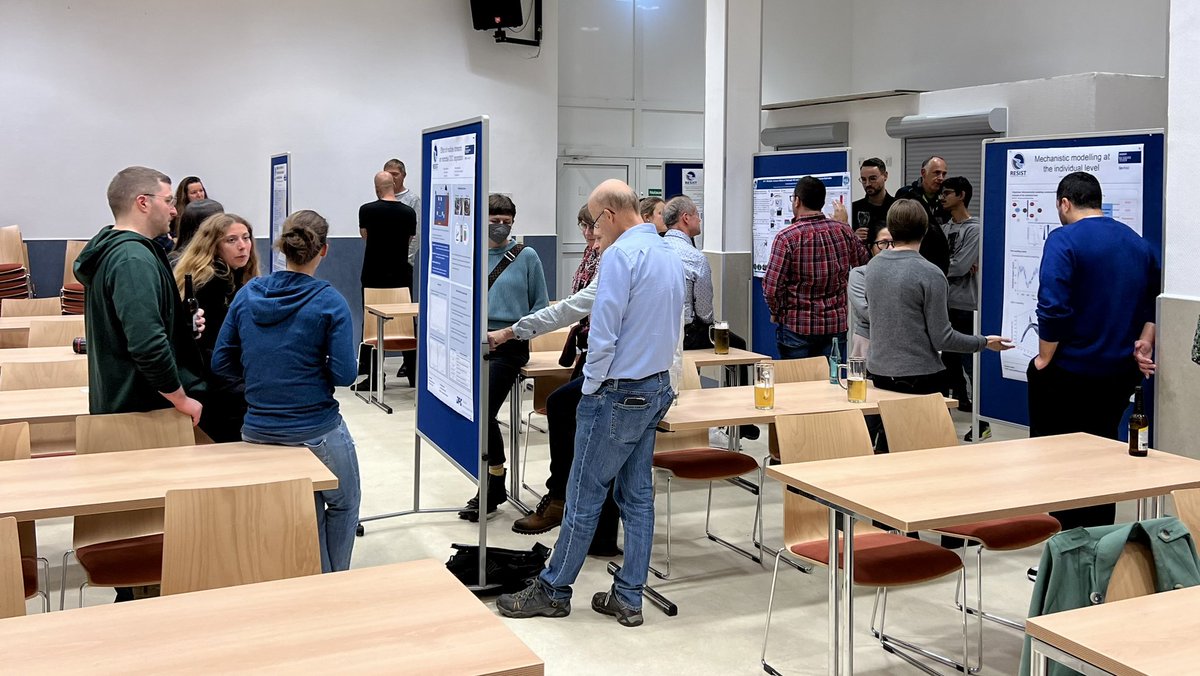
This week’s highlight: @dgl_ev annual congress in Cologne. One week to listen to, discuss & present new basic & applied #freshwater research + meet colleagues. We present #eDNA#genomics & #mesocosm results. Great representation also of @RESIST_CRC researchers @dfg_public#dgl_23
Erst kam die Erholung, dann die Stagnation der #Biodiversität in europäischen #Gewässern. Der Grund: Zahlreiche menschengemachte Belastungen. Doch es gibt Lösungen.
📷: @Senckenberg
https://t.co/Kte5bhn0HK
New #preprint out! Using #transcriptomics, we assessed #salinity effects on wild three-spine #stickleback. We found osmoregulatory stress #biomarkers below legal thresholds. We showcase transcriptomics potential for rapid field evaluation of #pollution https://t.co/YoQOUAR2LW
Finally published!!! Read all about the recolonisation of a former open sewer stream by benthic invertebrates and how it depends on the succession of riparian vegetation!
@DanielHeringUDE @EGLVde @RESIST_CRC #restoration#benthicinvertebrates
https://t.co/UwPhJbtKQP
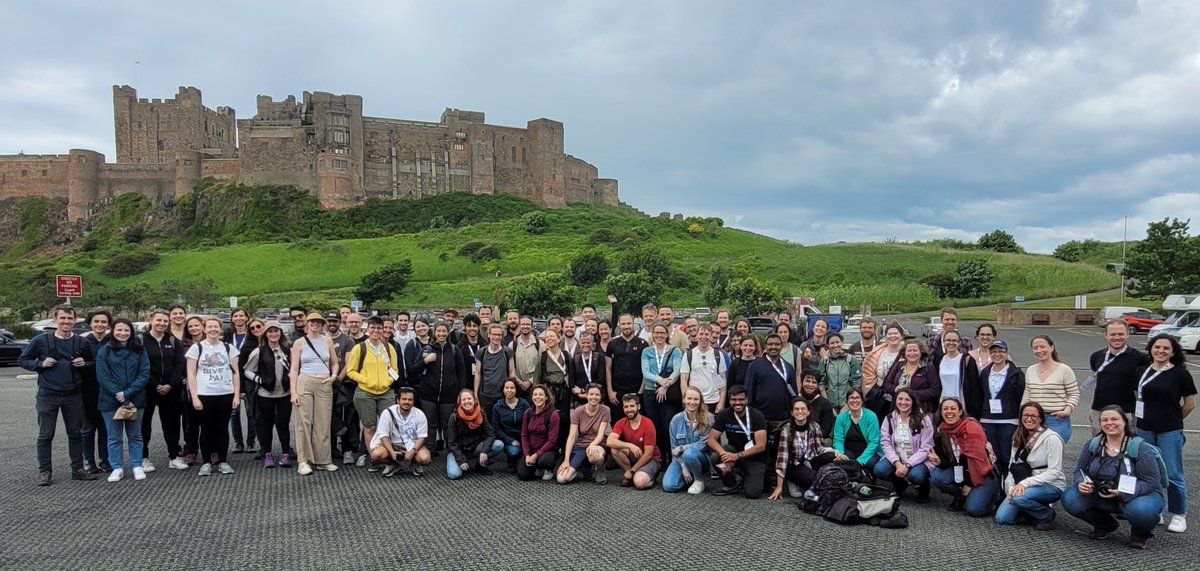
Well that’s it for #SEFS13. We’d like to thank delegates, sponsors, oral / poster presenters, organisers of trips & excursions for making it such an amazing symposium. We look forward to meeting you all again (hopefully on a dance floor) real soon. Safe journey home.❤️ from FBA
Are only macroparasites modulating diurnal drift of amphipods?
Microsporidians might possiblily do that as well.
@RESIST_CRC, @Julian_Enss, @Daniel_G1978, @ann_doli, @Bernd_AquatEcol
https://t.co/ZTDbJ0idcj
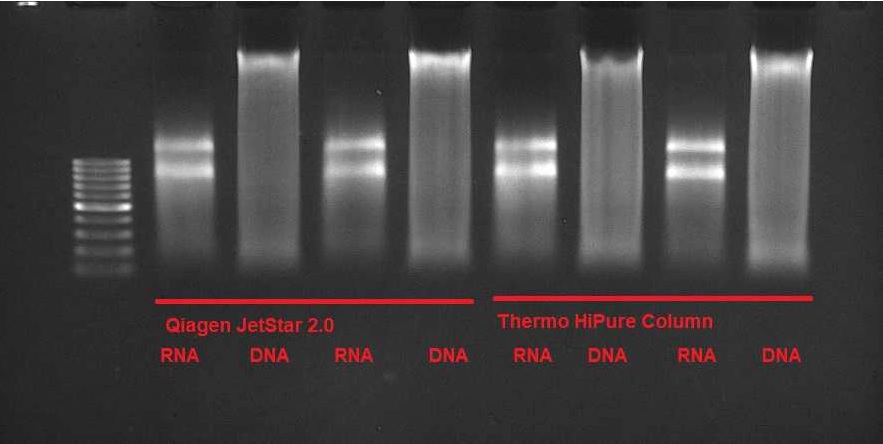
Just published our new protocol for co-extracting RNA and DNA from soil and sediment on https://t.co/ssy7fTXuBQ. High-quality samples for downstream analyses. Check it out: https://t.co/v5Q6IIngp8 #soilmicrobiology#RNA#DNA#protocolsio@leeselab 1/5
Rekordsommer: 820 Sonnenstunden wurden dieses Jahr aufgezeichnet. Darunter litt auch der #Rotbach in @stadt_dinslaken, dessen Flussbett vollständig austrocknete. Gegen die Hitzeperioden setzen wir weiterhin Renaturierungsmaßnahmen und das Prinzip der #Schwammstadt fort.
Wir führten kürzlich @unidue#eDNA Analysen eines Baches durch. Das Ergebnis war ernüchternd. Quasi 0️⃣ Nachweise für den Gewässertyp typischer Arten #Biodiversität. Der Kontext wird mir durch den #Panorama Beitrag jetzt klarer. @zwu_ude #Wasser#Umwelt 👉 https://t.co/2rr9PrnUVb
Wir sind begeistert: Die Flutung der neuen Mündungsaue der #Emscher in #Dinslaken/#Voerde im Beisein des nordrhein-westfälischen Ministerpräsidenten @HendrikWuest hat weite Kreise gezogen. Zahlreiche #Medien berichteten durchweg positiv – regional und überregional. #VielenDank
Am Mittwoch, 9.11., flutet die #Emschergenossenschaft die neue #Emscher-Mündung in #Dinslaken/#Voerde. Auf unserem Facebook- und YouTube-Kanal streamen wir ab ca. 11 Uhr #live: https://t.co/kmnf4mhRlN oder https://t.co/jA6nS7za7y Das Event vor Ort ist nicht öffentlich.
20 data presentations at @RESIST_CRC annual General Assembly show how active the team was & is; many results❗️ Some expected, some quite unexpected, fascinating, puzzling 🤯 Great job all ECRs 👏🏼 #freshwater#multiplestressors#biodiversity#ecology@dfg_public@unidue @zwu_ude
Where do #rivers carry water permanently or temporarily? And how does this affect #biodiversity? Researchers have developed the highest-resolution #map of the world's river systems ever produced. The #dataset comprises 726 million potential river sections: https://t.co/mb9Xwnr2nj
Environmental DNA metabarcoding read numbers and their variability predict species abundance, but weakly in non-dominant species
#eDNA#environmentalDNA
https://t.co/uqU3xXZKfe
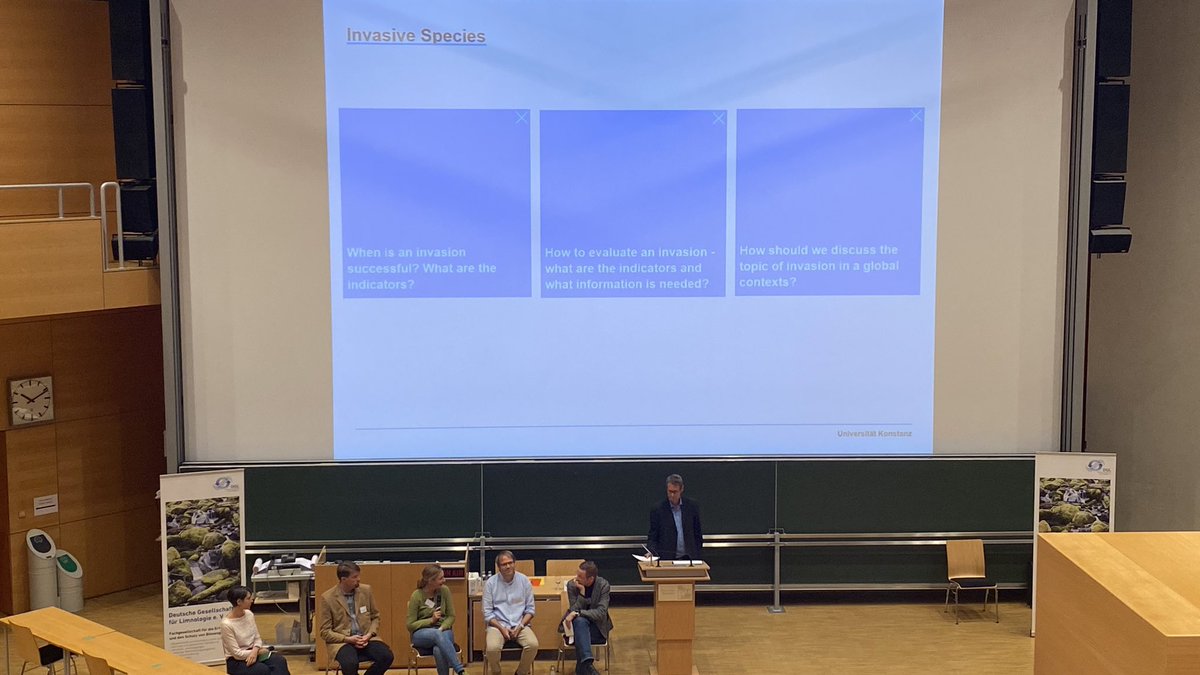
This morning at #DGL22 started with a nice keynote and discussion on Invasive Species with @SpaakPiet, @MKuemmerlen, Kathrin Theissinger and Alexander Brinker.
#dgl2022 people: come see my talk today at 11:50 in the #floodplain session to learn about how plants and animals can benefit from lateral river-floodplain #connectivity (spoiler alert: #restoration might be a good idea..)
Great keynotes and a very interesting panel discussion with @DanielHeringUDE, @SCJaehnig, @EGLVde and @nurietabonada to get #dgl2022@UniKonstanz really started. Excited to hear all these amazing talks in the upcoming days!