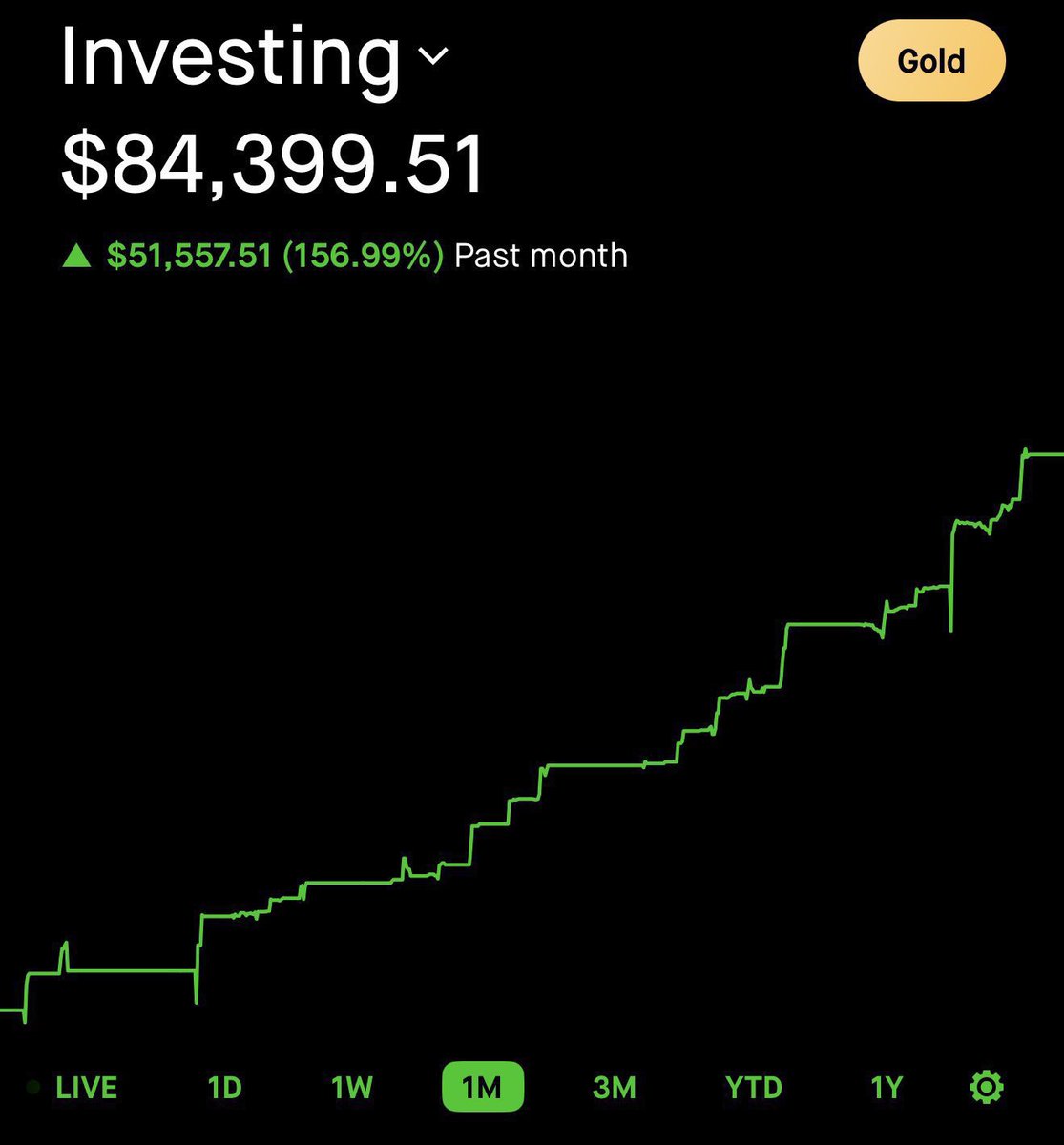
I AM OFFICIALLY RESTARTING THE $1,000 TO $1,000,000 $SPX 2026 CHALLENGE NEXT MONDAY! 💸
I’M GOING TO RESTART AND LET EVERYONE FOLLOW MY EXACT TRADES FOR COMPLETELY FREE IN A PRIVATE X GROUP CHAT! 🚀
LIKE, REPOST, & COMMENT “$SPX” TO BE ADDED! ❤️🔥
YOU MUST BE FOLLOWING ME TO JOIN! ☢️
உலகில் அதிக நிம்மதி கிடைக்கும் இடம் எது என்னை யாரேனும் கேட்டால், கிஞ்சித்தும் யோசிக்காமல் திருவண்ணாமலை இரமணாஸ்ரமம் என சொல்வது வழக்கம். அப்படிப்பட்ட புண்யபூமி அது. எனது அம்மா பிறந்த ஊர் திருவண்ணாமலை, இன்றும் பல உறவுகள் அங்கே இருந்தாலும் பெரிதாக தொடர்பில் இல்லை. எனது தாய் வழி தந்தை ரங்கநாதன் தாத்தா அரசாங்க வேலையில் இருந்ததால், பணி நிமித்தமாக 1970-களிலேயே கோயமுத்தூர் குடிபெயர்ந்து விட்டார். எனது தாத்தா சிறு வயதில் அதிக நாட்கள் இரமணாஸ்ரமத்தில் செலவிட்டுள்ளார், அதுமட்டுமல்ல இரமணரோடு பல நாட்கள் நேரம் செலவழித்துள்ளார். சிறு பையனாக அந்த 1930, 1940-களில் இரமணர் வாழ்ந்த அறையில் எப்போதுமே தாத்தா அதிக சலுகைகள் பெற்ற பையனாக சுற்றித் திரிந்து இருக்கிறார்.
இன்று இரமணாஸ்ரம கோவிலுக்கும், ஆஸ்ரமத்திற்கும் 16 ஆண்டுகள் கழித்து கும்பாபிஷேகம். நேற்றே சென்று, இன்று காலை முழுக்க கும்பாபிஷேகத்தில் கலந்துக்கொண்டு, இன்று இரவு சென்னை வந்து கும்பாபிஷேக விபூதியை 103 வயதான என் தாத்தாவுக்கு வைத்தவுடன் அவர் கண்களில் இருந்து கண்ணீர் பெருக்கெடுத்து ஓடுகிறது; பழங்கதைகளை பேச ஆரம்பித்து இரண்டு மணி நேரம் ஆகிறது, இன்னும் முடிந்தபாடில்லை.
அது சரி, நம்பிக்கை தானே கடவுள்?
Number 5 - potentially has killed many good ideas in my place. I have directly been affected by this.
I do have a follow up thought or question - is the only solution to jump to a smaller company ?
New product initiatives within large companies often fail to achieve their potential because they have too much rather than too little.
They have too much:
1) Headcount
You are now under pressure to come up with something for all these people to do. Especially in cultures where “engineers must always be coding” and a PM is seen as failing if engineers are even briefly “blocked on requirements.”
2) Democratic decision making
Creative ideas get killed (or watered down) by groups — yet this is the default in most big companies, even those that claim to use RAPID or similar frameworks.
3) Optics requirements
You must now manufacture metrics and milestones to show straight-line progress and demonstrate certainty — during what is, by its very nature, an uncertain journey.
4) Involvement of the “core” product group
To appease the leaders of the company’s cash cow, you make compromises that weaken your product. These leaders have the most power within the company and some may even try to confuse the CEO or quietly sabotage your initiative.
5) Reliance on the company’s distribution
Due to the mirage of distribution, you won’t be incentivized to deeply understand your customer like a real startup would. Your initial traction is misleading — you get a usage spike, but:
(a) those users are scattered across segments, not your core segment (have you even identified that core segment?)
(b) what’s given will be taken away — that homepage slot for your new product will disappear next quarter due to VP jealousy or shifting OKRs (with some hand-wavy “metrics neutral” excuse).
So if you are leading a new initiative within a larger company and your CEO/CxO asks you what you need to succeed, do not default to the answer that everyone in this situation gives: “I need more resources”.
Instead, consider asking for less — less reporting, less certainty, less consensus-driven decision making, less meddling, and less pressure to build out a “full team” & great operations early on. If your CEO is competent, they’ll respect it.
(clearly, this entire post is only for the intrepid product leaders who want to make winning products, it is not for everyone 🙂)
🔥🔥. Some realistic follow up thoughts on this :
- to internalize and realize the message itself is hard. Spend more time thinking on the second paragraph
- let’s assume we realized it. Now to put this to reality is the most challenging task of any pm in the world.
For highly ambitious, talented, entrepreneurial product people in their 30s: it is counterproductive to create your inner professional identity around things like “I create awesome OKRs” or “I send great status updates” or “I respond quickly on Slack” or “I know the Kano model (and all my peers don’t)” or “I talk to 5 customers/week”, etc. etc.
All of these are mere proxies. They are not the main thing. Often they are very poor proxies.
If you must create an identity, consider making it about building winning products & successful businesses. That is the main, non-negotiable thing.
This is a powerful reframing because, once you internalize it, you will see that most of the activities, qualities, and labels incentivized by large groups do little to secure success for your product & your company. Of course, you will still have to do some of these nonsense, low leverage activities. But you will stop getting the dopamine rush you get today with these activities. And that is a great first step that many product people never take.
After you take this first step, you will begin to get more excited & energized by activities that actually determine your product’s success. These activities are not always glamorous & cool. And most of the time, your peers will be confused about why you aren’t doing the things everyone else is doing. Some jealous & cutthroat peers might even complain vocally.
But you won’t care because you know exactly what game you’re playing, and why. You are playing to win, while everyone else is busy chasing their next dopamine hit to just get through their workday.
Absolutely, it needs a serious overhaul. Prioritizing salaries and skills would ensure that the best candidates are selected, not just those who get lucky in the lottery. It's time to make the system fair and efficient for both employers and workers. #H1BReform#MeritBasedSystem
New H-1B season, same old mess? USCIS is opening registrations from March 7-24. With backlogs, fraud concerns, and skilled workers in limbo, is it time for a merit-based overhaul?
Would prioritizing salaries and skills make more sense than a pure lottery?
Today an urgent meeting with leaders were called for , and they were discussing some of the prioritization changes at the BU level. 5 mins into the meeting , some middle manager , can you tell me how to measure success for these changes .. and the next 15 mins is gone ..
Apple Pie Position:
A statement that instantly elevates the person who is saying it and is simultaneously hard for anyone else to push back on, and so everyone avoids the personal risk and just nods “yes”, even though its actual value in this specific situation might be relatively low, zero, or even negative.
Because everyone in the workplace wants to come across as smart & competent, especially during meetings, Apple Pie Positions end up being frequently employed by your colleagues.
Examples of Apple Pie Positions
(trigger warning: might feel too painful at times)
1) “We need to define the success metrics for <whatever is being discussed>”
Also seen in the wild as:
“How will you measure success here?”
2) “Do you have any data to back that up?”
(narrator: it is either impossible to get useful data in this situation or the effort to get useful data would be greater than just doing it)
3) “We need more scalable team processes”
4) “We have too many meetings”
5) “We need to sync more often”
6) “This is a two-way door, so let’s just decide quickly”
(narrator: it was actually a one-way door. or, it was a two-way door with a hungry lion on the other side of the door, so we kinda died)
7) “We need more metrics before making a decision here”
8) “We need a better go-to-market motion to improve product adoption”
(narrator: the problem is you’ve built the wrong product, no amount of GTM sorcery is going to fix that)
9) “We need to clarify our expectations from people in this role so we can set them up for success”
(narrator: the problem is that you’ve hired too many people whose work overlaps with other functions)
10) “We need better internal documentation!”
(narrator: yes we do. we also need 50 other things so let’s just finally admit that this ain’t happening. besides OpenAI will solve this for us in 2024, right?)
11) “Let us not forget [quote one of the company’s core values].”
(narrator: sometimes used as a weapon to justify one’s position, especially when faced with objective & rational counter-arguments for an issue)
12) “We need to replace our team meeting with written updates”
Fast forward a few weeks/months:
“People are missing live interactions with team members, they don't know what's going on across the team, nobody's reading the written updates. We need a meeting”
13) “Our current org structure doesn’t set us up for optimal execution of our strategic goals. That's why we are announcing a re-org”
14) “We must not slow down our shipping velocity”
(narrator: usually applied to push back against a fairly rational measure that will cause a minor delay in shipping the product but will prevent bigger problems for the customers or the company further down the road)
15) “We need to post-mortem this”
(narrator: you should have pre-mortem'ed this, so you wouldn't have had to deal with an ugly post-mortem. and the systemic changes rarely happen and somehow we are doing another ugly post-mortem 3 months from now. repeat)
16) “After 13 amazing months as CxO, Bob has decided to leave for other personal pursuits. The company wouldn’t be the same without his contributions”
(narrator: this is not how it actually went down)
17) “We need an offsite so we can align the teams better with our strategic priorities”
(narrator: we said the same thing for the previous 6 offsites. it almost seems like we are doing offsites more than we are being onsites)
18) “Remember, we are a mission-driven company”
(narrator: particularly effective when justifying below-market salary / stock for current and prospective employees)
19) “We need to go on a customer listening tour to understand our customers better”
(narrator: no, you need to pay more attention to the customer research that’s already happened over the past 18 months that we haven’t done anything about. you then need to translate that into differentiated features, instead of just building me-too tablestakes)
20) “We need more apple pie”
(narrator: 🥧yum. yes we do)