Imam al-Ajhuri pernah menuturkan:
“Sesungguhnya barang siapa yang membaca:
حسبي الله ونعم الوكيل، ونعم المولى ونعم النصير
(Hasbiyallah wani’mal wakil, ni’mal maula wani’man nashir)
pada hari ‘Asyura (10 Muharram) sebanyak tujuh puluh kali, maka Allah Ta’ala akan mencukupkannya dan menjaganya dari berbagai keburukan sepanjang tahun itu.”
هامش إعانة الطالبين
Bahkan seorang sufi agung sekalipun seperti Ibnu Arabi dididik oleh perempuan. Kemudian mewarisi keilmuan lewat murid²nya yg mayoritas perempuan (khirqah). Sanad keilmuan tidak hanya bertumpu pada laki², tetap ada peran perempuan di dalamnya. Allahu Razzaq.
The Sufi path is followed by both men and women. There are several female Sufi masters, such as Sayyida Rābiʿa al-ʿAdawiyya (d. 801) and Aʿisha al‑Bāʿūniyya (d. 1517). The great Andalusian Sufi master Ibn ʿArabī studied under several female Sufi teachers, and in the list of fourteen people to whom he bestowed the khirqa (cloak of initiation and transmission of knowledge) in his Dīwān, thirteen are women.
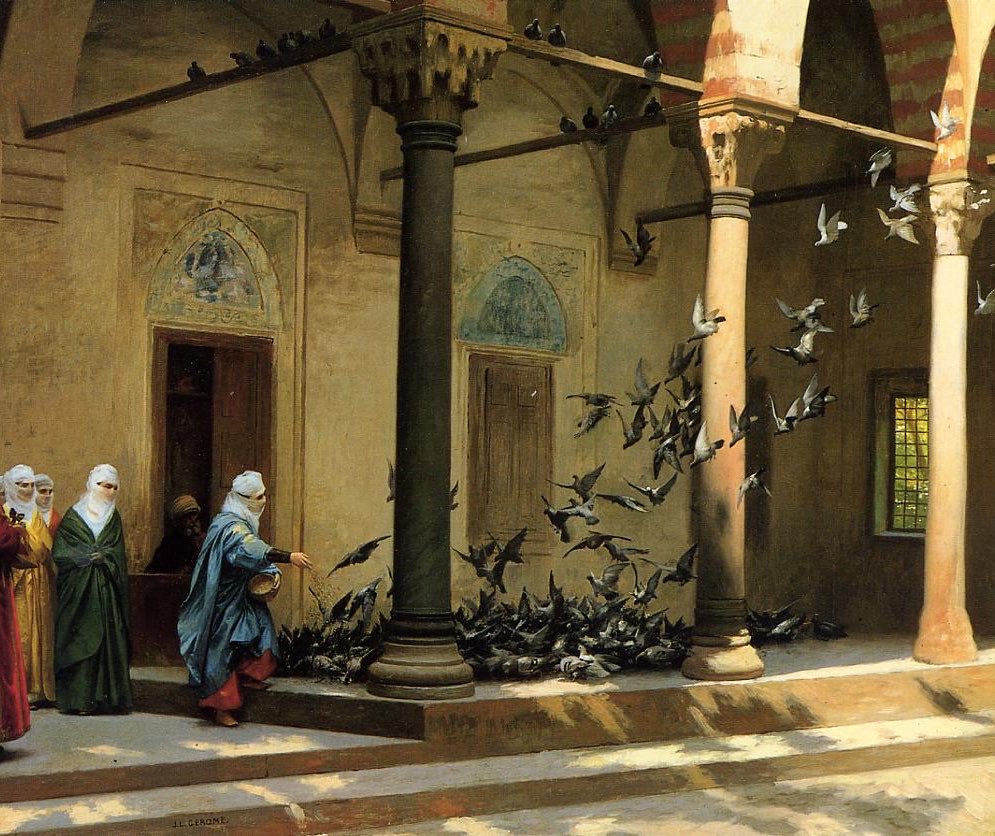
At the opening of one of the great mosques in Istanbul, the sultan invited a Sufi shaykh to give the first sermon. Everyone in the neighborhood crowded into the mosque and, just as the shaykh got up to deliver his sermon, a water carrier grabbed his sleeve.
(1/)
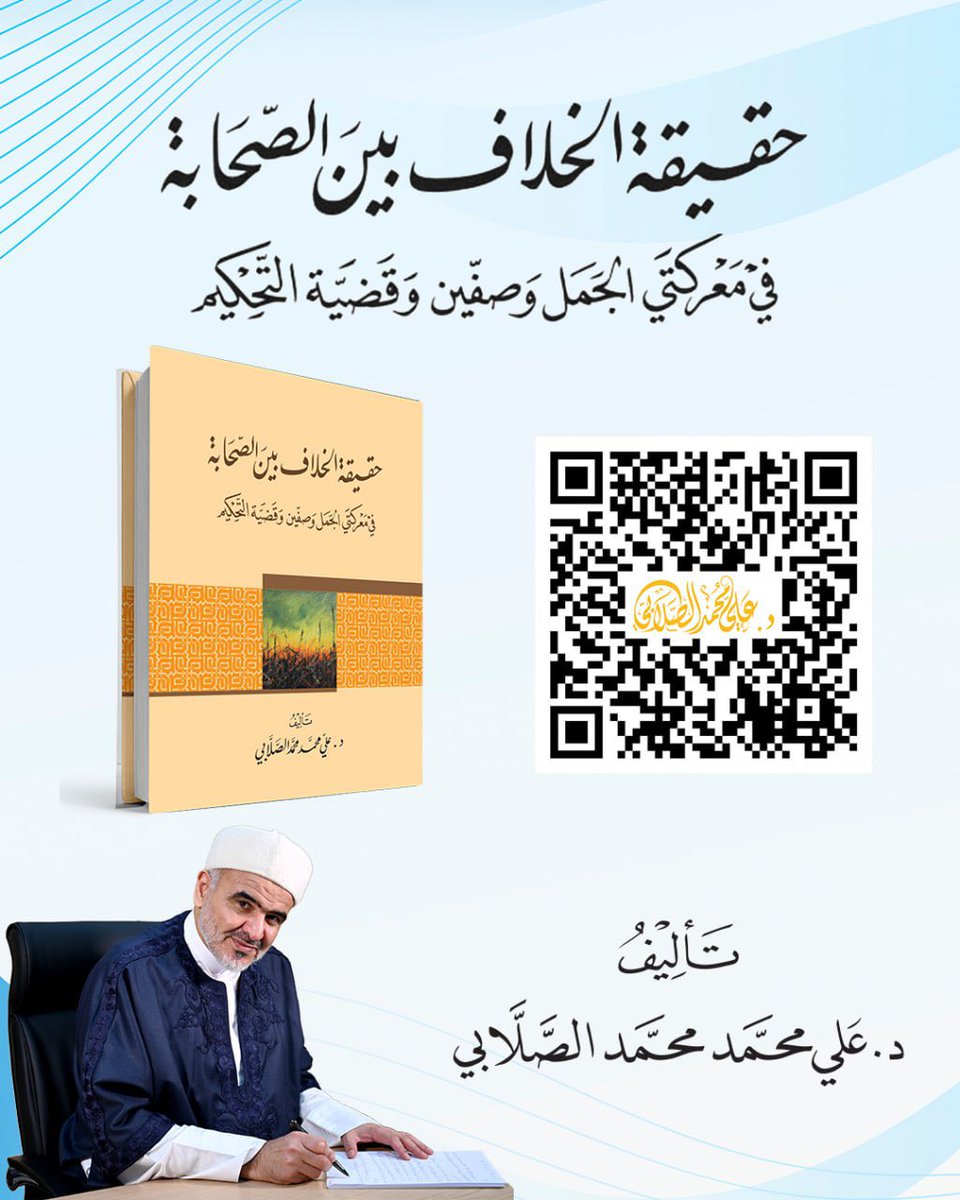
حقيقة الخلاف بين الصحابة في معركتي الجمل والصفين وقضية التحكيم
بسم الله الرحمن الرحيم
📚 يمكنكم تحميل كتاب:
📘 «حقيقة الخلاف بين الصحابة في معركتي الجمل والصفين وقضية التحكيم»
للدكتور علي محمد الصلابي
كتابٌ يتناول واحدةً من أكثر مراحل التاريخ الإسلامي حساسيةً وأثراً، ويقدّم قراءةً علميةً موثقةً لأحداث الفتنة الكبرى، بعيداً عن التهويل والانفعال، مع بيان مواقف الصحابة رضي الله عنهم ومنهج أهل السنة والجماعة في فهم تلك الوقائع التاريخية.
ويمكن تحميل الكتاب عبر مسح كود الـ QR أو من الرابط:
https://t.co/P42BgKuY5u
#الصلابي
#التاريخ_الإسلامي
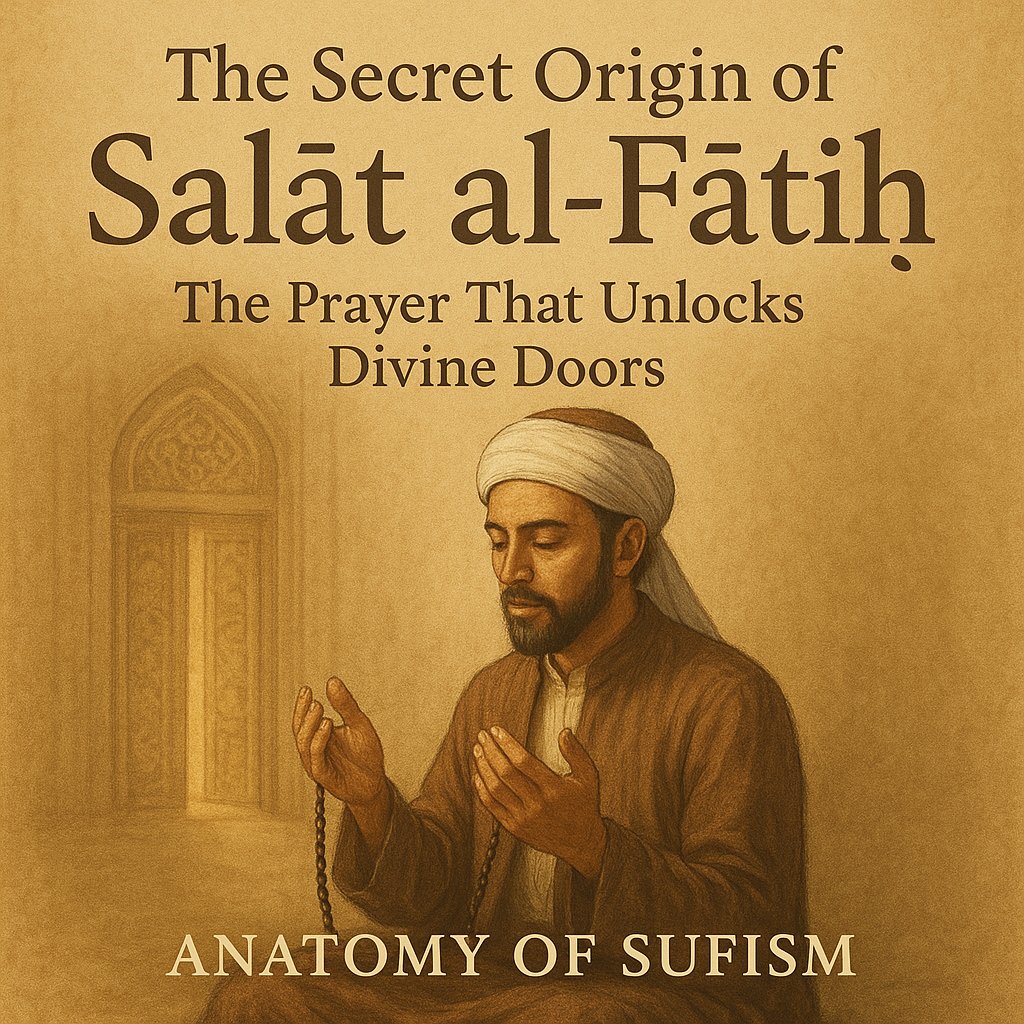
The Secret Origin of Salāt al-Fātiḥ — The Prayer That Unlocks Divine Doors
By: Anatomy of Sufism
___
A short thread on one of the most powerful prayers upon the Prophet ﷺ
🧵
Shaykh Yusuf al-Makassari (1626–1699), also known as Tāj al-Khalwatīyyah (Crown of the Khalwati Sufi order), was an Indonesian Sufi master who fought against the Dutch occupiers of Indonesia. He was a master in several Sufi orders and wrote about tawhid, inner purification, and living according to Islam. In Indonesia, he waged a guerrilla war in difficult terrain, using small, swift attacks on Dutch colonial positions. After his capture, he was exiled to the Cape, where as a Sufi master he played an important role in the spread of Islam in South Africa.
I am currently reading a fascinating book on him that explores these dimensions of his life in detail.
Imam asy-Sya’rani menuturkan:
“Barang siapa memperbanyak membaca shalawat kepada Nabi Saw, niscaya ia akan memperoleh kemuliaan yang agung. Di antaranya, ia akan didatangi oleh Rasulullah Saw menjelang wafatnya, saat sakaratul maut.
Dan pada saat itu, ia akan diberi kabar gembira dengan menyaksikan apa yang telah Allah siapkan baginya, berupa bidadari, istana-istana, para pelayan, serta pasangan yang banyak.
Ia pun akan disambut dengan ucapan salam dan penghormatan dari Allah ‘Azza wa Jalla, sebagaimana firman-Nya:
‘(Yaitu) orang-orang yang diwafatkan dalam keadaan baik oleh para malaikat, seraya mereka mengucapkan: “Salamun ‘alaikum, masuklah kalian ke dalam surga disebabkan apa yang telah kalian kerjakan.”’ (QS. an-Nahl [16]: 32).”
ISTIGHFAR SEBELUM TIDUR: SINGKAT NAMUN DAHSYAT KHASIATNYA
Imam as-Sya’ani menuturkan bahwa di antara doa atau istighfar yang lumayan sering dibaca oleh Rasulullah Saw adalah:
Al Bājūrī, in Tuḥfat al-Murīd, mentions two views on the soul (rūḥ). The majority view, which he attributes to Ahl al-Sunna among the theologians (mutakallimūn), hadith scholars (al-muḥaddithūn), jurists (al-fuqahāʾ), and Sufis (al-ṣūfiyya), is that the soul is a subtle body (jism laṭīf) permeating the human body. The second view, which he attributes to the Muʿtazila and some Sufis, and which is also associated with the philosophers though he does not mention them here, is that the soul is an immaterial substance (jawhar mujarrad). This is important because it shows that, contrary to popular assumptions, many kalām scholars understood the human soul not as a purely immaterial reality, but as a subtle body, that is, a real spatially related and temporally existing entity, albeit an extremely subtle one.







![zaada92's tweet photo. Imam asy-Sya’rani menuturkan:
“Barang siapa memperbanyak membaca shalawat kepada Nabi Saw, niscaya ia akan memperoleh kemuliaan yang agung. Di antaranya, ia akan didatangi oleh Rasulullah Saw menjelang wafatnya, saat sakaratul maut.
Dan pada saat itu, ia akan diberi kabar gembira dengan menyaksikan apa yang telah Allah siapkan baginya, berupa bidadari, istana-istana, para pelayan, serta pasangan yang banyak.
Ia pun akan disambut dengan ucapan salam dan penghormatan dari Allah ‘Azza wa Jalla, sebagaimana firman-Nya:
‘(Yaitu) orang-orang yang diwafatkan dalam keadaan baik oleh para malaikat, seraya mereka mengucapkan: “Salamun ‘alaikum, masuklah kalian ke dalam surga disebabkan apa yang telah kalian kerjakan.”’ (QS. an-Nahl [16]: 32).”](https://pbs.twimg.com/media/HHta_ReakAAhq5P.jpg)