Josh, I am where I am today because of you. I met many of my current friends through you and I will hold them tight for you. I will never forget our friendship and I promise to carry you with me forever. Enjoy the endless streams of sweet tea in heaven❤️
Airliners have an auto-brake system. You use a dial to select from various settings; the 737 has brake settings 1, 2, 3 & MAX (it also has a Rejected TakeOff, or RTO mode).
The settings are for different rates of deceleration. MAX is pretty aggressive & is only used on short fields or when the runway is “contaminated” (wet, snow, icy, etc.).
The brakes activate when the jet senses it’s on the ground, and they’ll continue until the system is overridden. There are a couple ways to do that, but pressing down on the brake pedals (at the top of the rudder pedals) is the most common that I see used. It’s why you often feel a little surge in braking on landing, then it lightens up…we’re overriding the auto brake system.
(the brakes use an anti skid system; instead of just holding the brakes against the rotor, the system is rapidly pumping the brakes to prevent the wheels from locking up & skidding)
When I need to use MAX brakes, I try to warn passengers to stow their items. We often end up with a cell phone or something sliding up to the first class galley from way back in economy.
Braking this hard requires the brakes to absorb massive amounts of energy. Boeing is demonstrating here that the brakes can do it & not immediately catch fire. The way that the brakes absorb the energy means that, after stopping, the brake temperatures continue to climb for something like 10-15 minutes after. Some airplanes have temperature gauges for the brakes, but the 737 does not. All airplanes have charts you can run, though, which will tell you how much risk you’re at.
This is where you run a risk of a brake fire; ideally, you can park into the wind & not set the brakes, which helps them cool (some airplanes have fans built into the wheel assembly that turn on & help cool the brakes down). If evacuating the airplane, you run at a 45° angle away from it…if the brakes explode, they’ll go out sideways, and if the tires explode, they’ll go forward & aft…so the 45° is to try to minimize exposure.
The KC-10 had a warning to not allow the fire department to spray down the brakes to try to help cool them, or they would explode. I haven’t seen the same warning on the 737, but I generally think this is a good idea. I have seen seen video of fire departments spraying down brakes, though, so I don’t know if this is outdated.
If the brakes reach a certain temperature, they melt “fuse plugs” in the wheels, which lets all the air out of the tires. This prevents the tires from exploding & causing more damage / injury.
Anyway, that’s my brain dump on airplane brakes. Enjoy that trivial knowledge!
Attention Columbus and beyond!
The first annual Gaudreau Family 5K run, walk & family fun day organized by family/friends to honor the legacies of Johnny and Matthew.
Proceeds will fund an adaptive playground at Archbishop Damiano School (ADS).
Info: https://t.co/uteGCEwnhS
From @TheAthletic: Saturday was a moment for Columbus to flex its size and passion for hockey. And perhaps most importantly, it provided an opportunity to honor the late Johnny Gaudreau. https://t.co/VUs6762vJr
Despicable. As families grieve, Trump should be leading, not lying. We put safety first, drove down close calls, grew Air Traffic Control, and had zero commercial airline crash fatalities out of millions of flights on our watch.
President Trump now oversees the military and the FAA. One of his first acts was to fire and suspend some of the key personnel who helped keep our skies safe. Time for the President to show actual leadership and explain what he will do to prevent this from happening again.
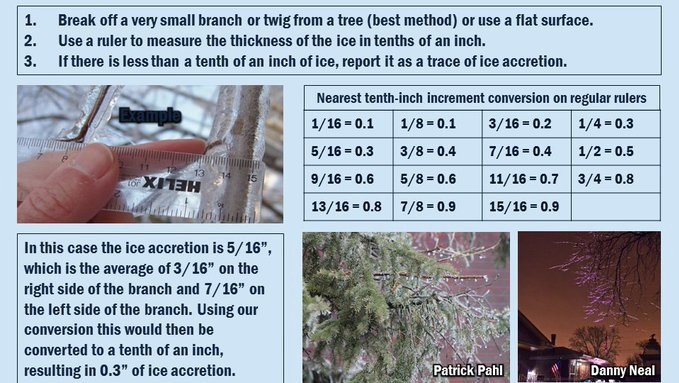
We are looking for storm total snowfall and ice reports! Please comment with a measurement, a photo, and your location. You can also submit reports by going here -> https://t.co/XjcnN5XEmy
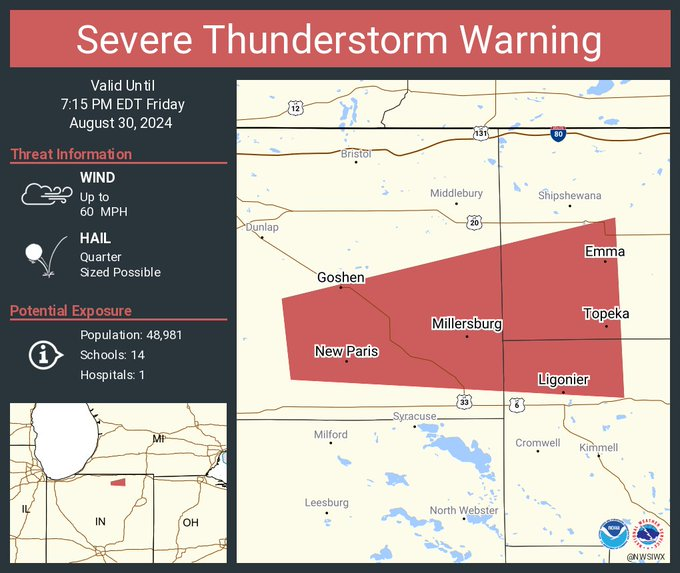
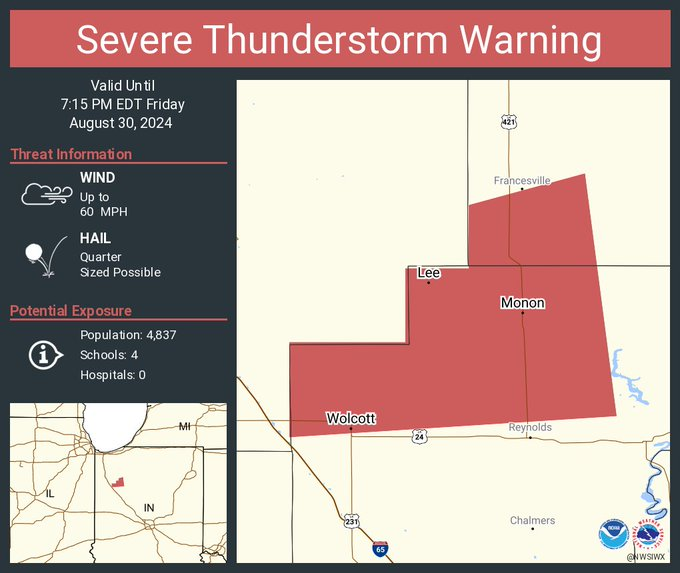
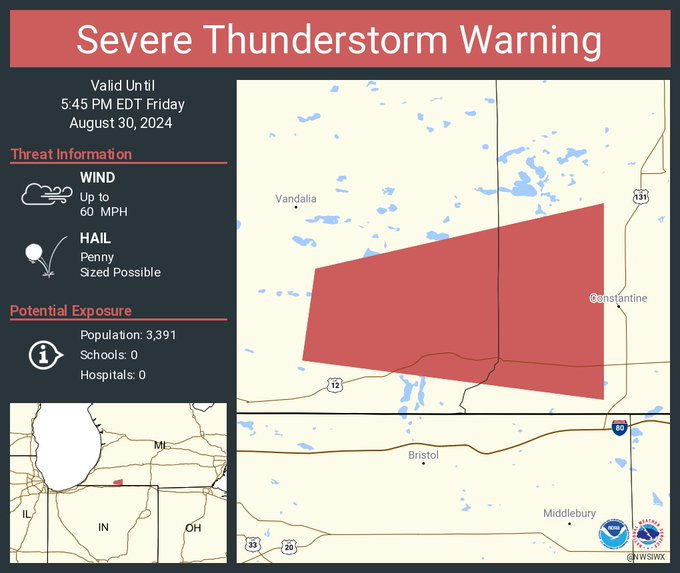
We are looking for wind speed or damage reports in the area of these warnings.
Cass and St Joseph MI
Pulaski and White, IN
Elkhart, Lagrange, and Noble, IN
Please let us know the time and location in the comments if you saw damage in these areas.
Congratulations Jacob Bruss for a successful MS defense with Purdue EAPS! His defense is titled “ZDR calibration of X-band Weather Radar Using Dry Snow." He is advised by Prof. Robin Tanamachi. #boilerup @tornatrix