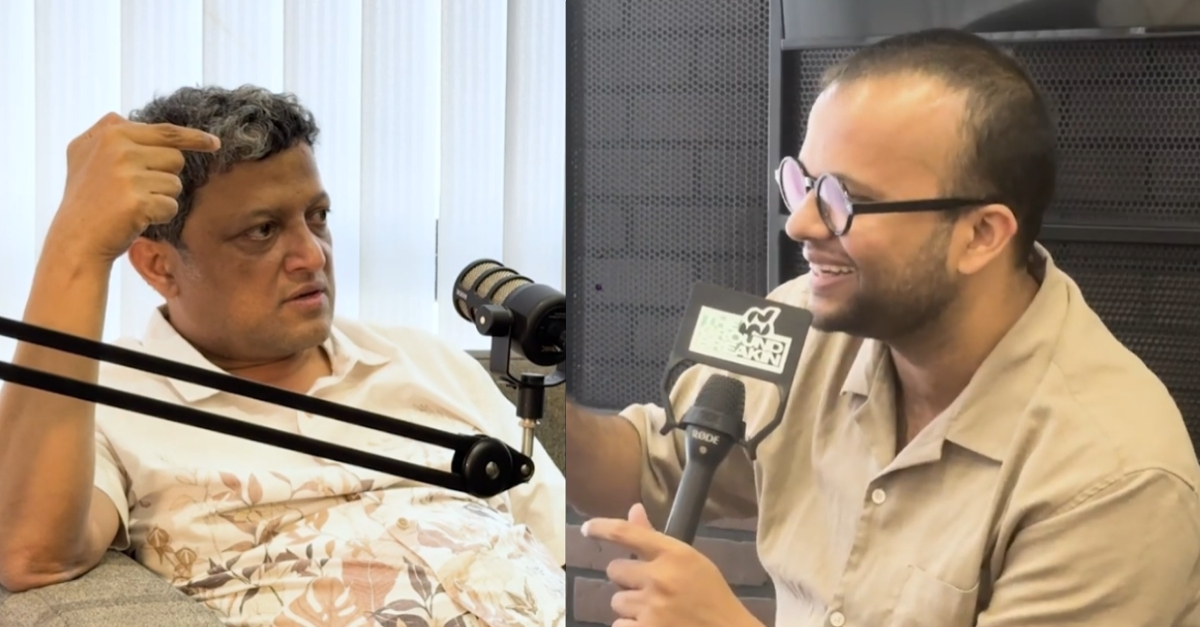
Snehal has spent 15+ years as a designer.
The last few? Designing train systems that cities will depend on for 40 years.
Here’s what designing for mass mobility actually taught him:
The fundamental shift:
• Consumer design = one user’s preference
• Mass mobility = an entire city’s movement
• One has alternatives. The other doesn’t.
• That difference changes everything.
The users nobody designs for:
• Not just the everyday commuter
• Urban planners. Government bodies. Infrastructure authorities.
• They have a job to do. Your design either enables it or fights it.
• Design that respects that is the only design that works.
On aesthetics vs function:
• Aesthetics are not about beautifying a product
• They convey the essential character of what it is
• That’s not styling. That’s product semantics.
• And that distinction took years to establish.
On designing for 30–40 years:
• A car stays relevant for 7–8 years
• A train has to stay relevant for four decades
• Every material, every surface, every system has to hold up
• That’s a completely different design mindset.
On intent:
• The most important shift wasn’t a job change
• It was getting clear on why
• Whether it’s trains, farming, or mentoring startups
• Intent is what keeps you on track.
The most honest thing about mass mobility design?
Your work will outlive most of your career decisions.
If you want your design to move cities, there’s nowhere better to be.
“Aesthetics are a dialogue more than an appeasement.”
Complex systems. Long timelines. Real societal impact.
Still some of the most important design work being done.
Podcast is up:
YouTube: https://t.co/9M9W0FIfQ6
Spotify: https://t.co/PPjiF70yHV
Munz was the designer behind Dunzo’s iconic brand.
Zero marketing budget.
Zero shortcuts.
Until it became a verb.
Here’s the simple breakdown:
The brand that outlived the company:
• Dunzo is gone. The word “Dunzo it” still exists.
• That doesn’t happen with campaigns. It happens with culture.
• One honest creative team. One real voice. Years of consistency.
The 3 things that actually made Dunzo iconic:
• Honesty: never pretended to be the best. Just the most real.
• Experimentation: mascots, push notification puns, saluting competitors
• Edge: talked politics. Faced boycotts. Did it anyway.
On the brand landscape right now:
• Every brand is trying to be funny. Nobody is being genuine.
• IPL ads all look the same. Same lighting. Same humor. Same forgettable.
• The most radical thing a brand can do right now? Make a good ad.
The thing founders get wrong:
• Marketing is not a magic button.
• Your product is your first campaign.
• Fix that first. Everything else gets easier.
On music vs design:
• Same spark. Same process. Same jam.
• Music has no agenda. Design does.
• That’s the only difference.
The real lesson from Dunzo:
• Great creative work is a by-product of great culture.
• Freedom creates ownership. Not micromanagement.
• And great brands make people look forward to Mondays.
“Brand building is not an IPL season. It takes time. Even Dunzo didn’t happen overnight.”
Honesty + patience + bold creative work.
Still the only moat that matters.
Anant Tambade just dropped the most honest take on design + AI.
Here’s the simple breakdown:
The designer’s role is dead. The product maker’s role is alive:
• Old role: Design in Figma. Hand off. Wait.
• New role: Research + Design + Build + Ship. All you.
• Copilot, agents & AI collapsed the 3 circles into 1.
The 3 things that will separate winners from the rest:
• Curiosity: experiment daily, not occasionally
• Agency: pay the $20/month. Use the latest model.
• Quality: taste is still yours. For now.
On the AI fear every designer has:
• Scared? That’s because you’re watching from the sidelines.
• The fix isn’t to understand AI. It’s to build with it.
• 1-person startups are already happening. Will you be one?
The new skill nobody is talking about:
• AI gives you 10 logo options in seconds.
• The skill is no longer creation. It’s curation.
• Can you pick the right one? Edit it? Defend it?
On PM vs Design vs Engineering:
• A decade ago: 3 separate circles.
• Today: one giant overlapping mess.
• And that’s a good thing. Speed demands it.
The proof:
• Build a cab-finder app across platforms in 5 minutes.
• Fix craft bugs using AI agents.
• Prototype entire flows with a natural language prompt.
“You’re not going to be just a designer. You’re going to be a product maker.”
That’s why curiosity + agency + quality is the only moat left.
Tune in to the full episode:
YouTube: https://t.co/n5MLn2AC6i
Spotify: https://t.co/QieaHm2lQ7
Hiring alert at @syqi_ops
Design Manager: 3+ yrs exp, knows AI processes, ready for case studies & building fintech AI brands/products.
2 Design Interns: Journalists who get AI, eager to build nice things.
We're client-focused + launching R&D dept.
Small team, growing brick by brick.
Fully remote.
Write or DM if you're game!
We’re hiring 3 sharp Product / UX Designers (2–3 yrs).
Work on real problems for India’s largest private bank.
High ownership.
Strong mentorship.
No fluff work.
Please DM!
Some people are great designers.
Some become great thinkers.
@ghate is both.
I’ve always admired people who don’t hide behind fancy design vocabulary - and Narendra is one of the sharpest, most honest thinkers I’ve ever spoken to. His journey is unusual: a mechanical engineer who spent 25 years at @tataelxsi, travelling around the world “selling software by doing projects,” and eventually leading design at @HDFC_Bank.
What I liked the most was how critical he is - not in a harsh way, but in a way that forces you to understand the real depth of design. He’s someone who has topped every organisation he’s worked at, not because of skill alone, but because of the way he thinks about problems.
This episode became one of those rare moments where I found myself asking questions I usually think twice before asking. And his answers were direct, unfiltered, and delivered with this calm clarity that instantly makes the room smarter.
We spoke about the “hyper-specialist” myth, why designers should think like a family doctor, the art of selling a future instead of a portfolio, and how behaviour design starts with something as simple as dimming the lights.
And his current mission at HDFC - simplifying finance for millions of Indians - might just be one of the most meaningful design problems of our time.
The episode with @ghate is live now.:
Spotify: https://t.co/1ZC4QtnGf8
YouTube: https://t.co/0Zgr0RKMFV
Type of a creative business culture we’re collectively trying to build at @syqi_ops:
trust > tactics,
consistency > hacks,
long-game > loud-game.
Some wins feel bigger than the work itself.
Last month at the @GffFintechfest, we quietly pulled off some of our best work with @PineLabs - and watching them ring the bell at their IPO made it hit different.
We’ve been deep in the trenches with their team for a while now… design ops, product communication, the tiny things that look invisible from the outside but actually move a business forward.
It’s surreal when the work you do behind the scenes ends up shaping how a company shows up at a global stage.
This little compilation captures a tiny part of what went into it - the real magic is always in the chaos you can’t see on video 😄
And fun timing too - Pine Labs just hit their IPO milestone a couple of days ago.
Seeing a partner win at that scale (even in a tiny way if we've contributed) is a different kind of high. Makes the work feel like it actually matters.
Also, @syqi_ops completes another year on the 14th of November (Truly a children's day celebration).
Four years of figuring things out, messing up, fixing things, scaling processes, and slowly earning the trust of people building real companies. Wouldn’t trade it for anything.
Shoutout to the folks at Pine Labs!
If there’s one thing this year has taught me, it’s this:
“Every successful project looks effortless from the outside.
On the inside, it’s chaos, clarity, and a team that refuses to drop the ball.”
Every good thing about Syqi comes from the team.
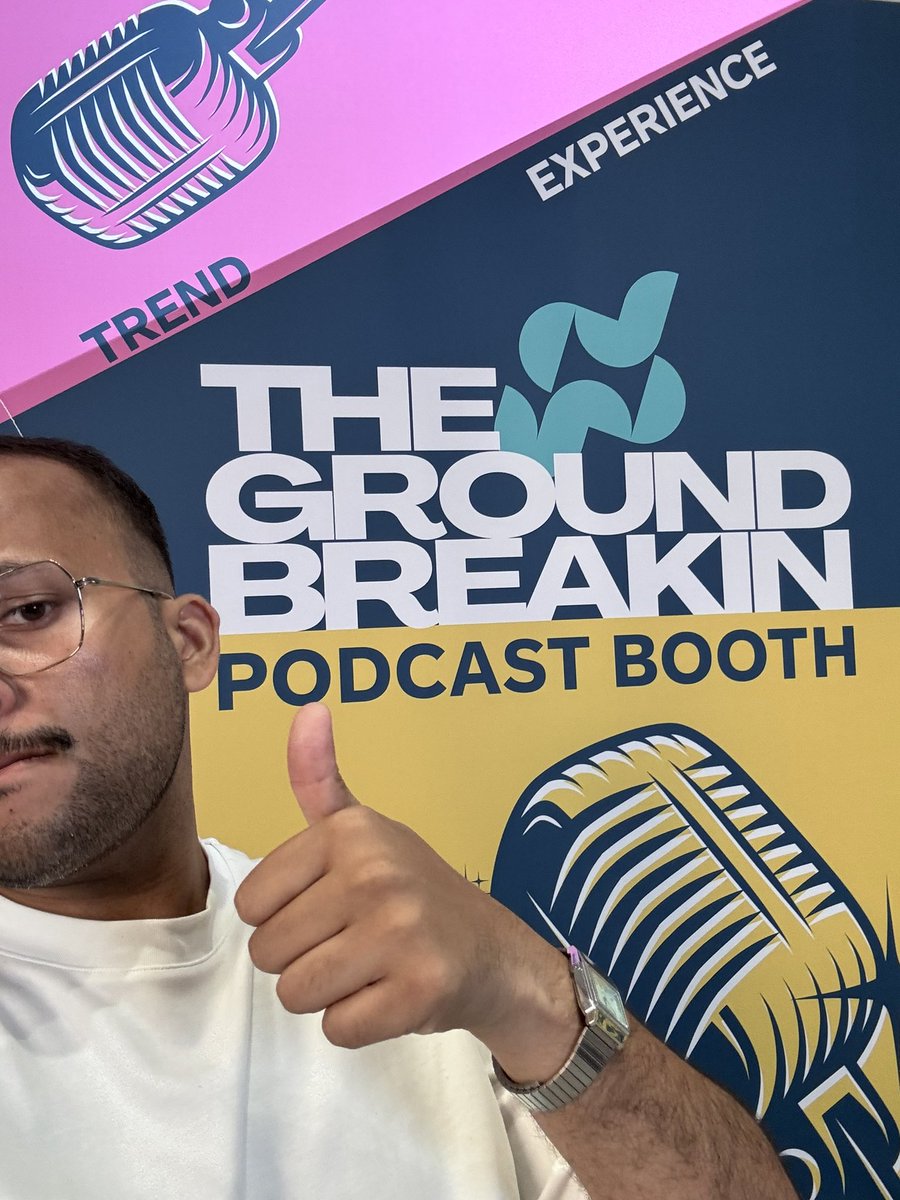
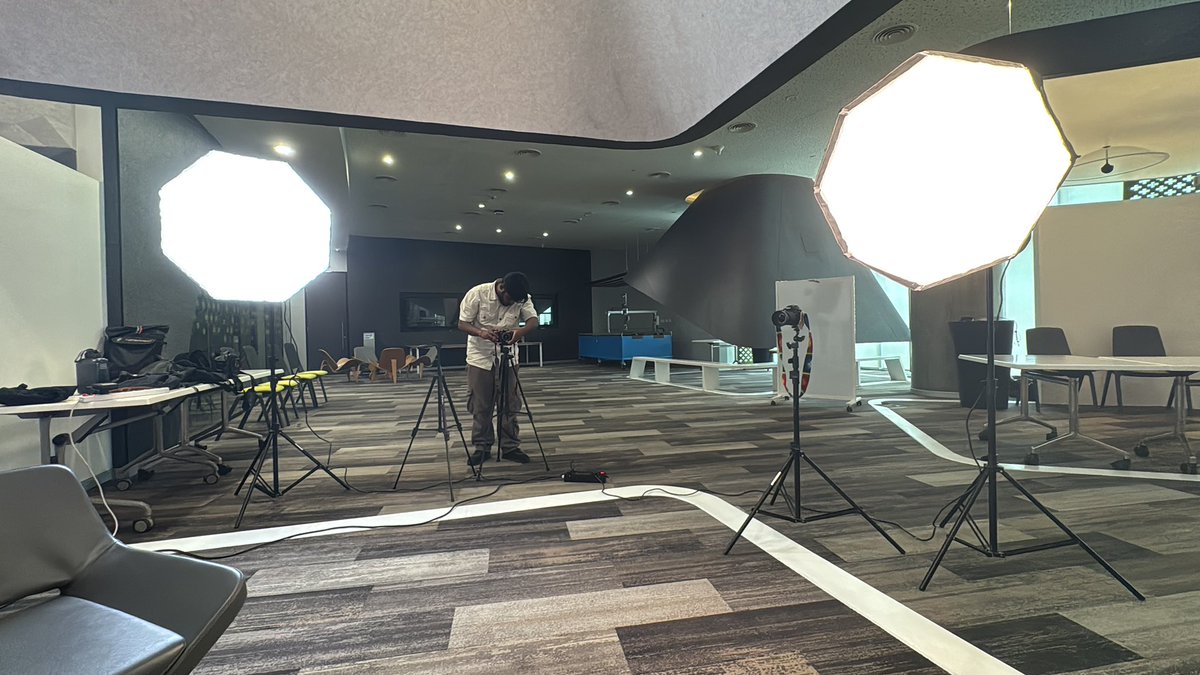
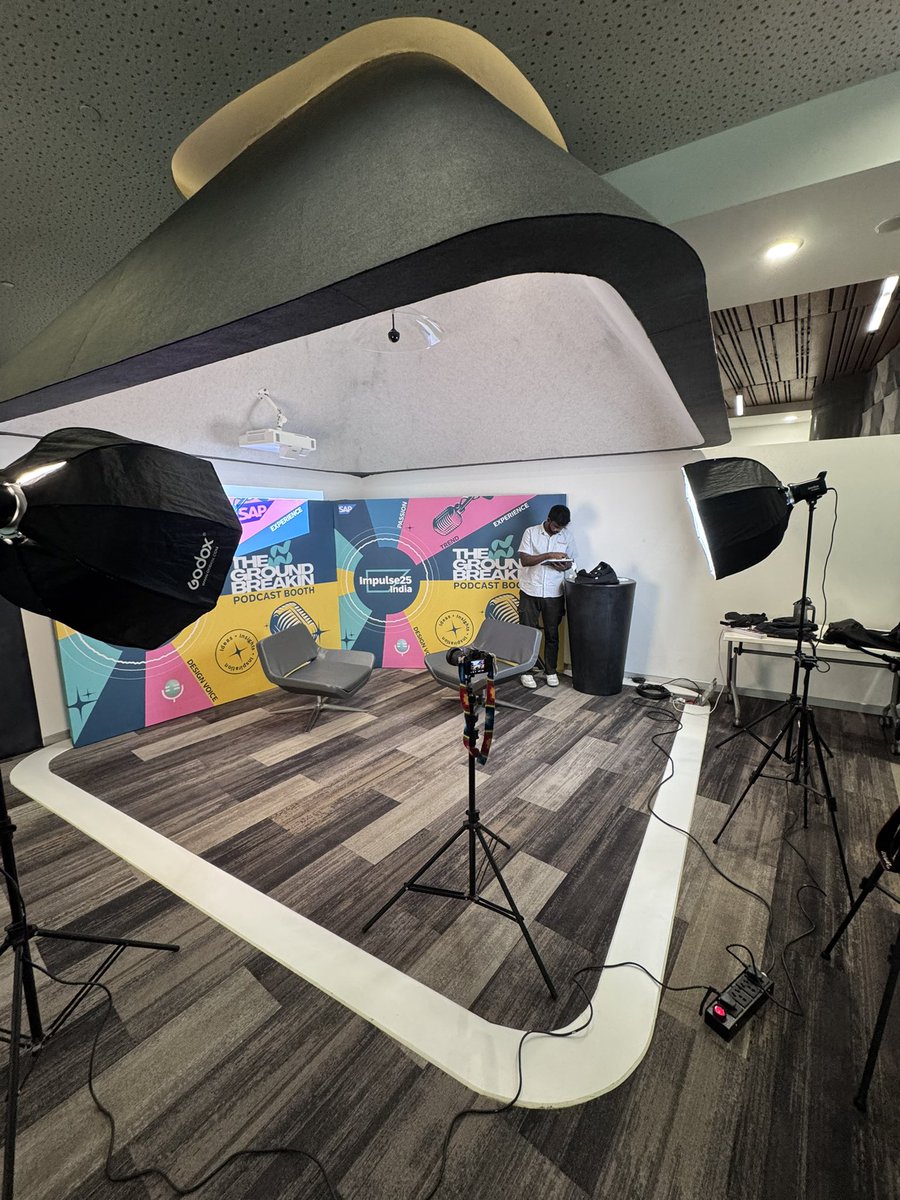
Had our podcast booth at SAP’s The Impulse - their global design festival.
Didn’t expect so many real takes on enterprise design, leadership, and creative culture.
Turns out big orgs are thinking sharper than most startups.
Total credit to the top team!
Dark patterns or design ethics? At scale, designers become guardians-not just creators.
When you sit down with someone who’s leading design at @myntra, a platform serving millions every day, you expect insights on scale. What you don’t expect is how refreshingly honest Shayak is about the realities of design leadership in India.
From his beginnings in architecture to co-founding one of Bangalore’s earliest UX agencies, Shayak’s journey is a crash course in building, scaling, and protecting design in consumer tech.
Some things we dove deep into:
- Why 80% of e-commerce design is Amazon-inspired—and why that’s not a bad thing.
- The ethics of design at scale: dark patterns, compliance, accessibility.
- Gen Z beyond the stereotypes: not gentrified experiences, but solving their real needs like affordability.
- His 4-stage framework for AI in design—from boosting efficiency to eliminating workflows altogether.
- The future of designers: moving from craftspersons to “pseudo-mathematicians”, orchestrating design systems instead of single screens.
- Why India needs to build our own creative worlds and narratives, not just borrow from the West.
- This one’s not just about e-commerce or Myntra-it’s about what design in India looks like when done at scale, with integrity, and with an eye on the future.
Tune in to the full episode:
YouTube: https://t.co/8u8tBHaZSv
Spotify: https://t.co/lTcZ7jYB4t
The best teams don’t need hierarchies.
They need trust.
Top takeaway from the conversations for this week's #Groundbreakin.
Over a breakfast almost a year ago, I had my first conversation with Ekta - and our conversation about design and the ecosystem has stayed with me since. Guess we had to do a podcast together :D
From starting as a graphic designer to now co-founding https://t.co/Hxq7cwqssG, a multidisciplinary studio, Ekta has built something amazing and rare: a design business that’s as rooted in trust and collaboration as it is in craft.
In this episode of hashtag#Groundbreakin, she shares:
// Why B2B branding is no longer optional - but essential.
// How her team avoids free pitches and built an advisory-first model.
// The culture of flat hierarchy and collaboration that fuels their work.
// Her take on AI, and why strategy + business acumen will be the real differentiators.
// The importance of authenticity and ethics in building a sustainable practice.
Honestly, there’s so much to grasp from the way Ekta moves things forward - not just as a designer, but as a founder shaping the future of B2B branding.
Tune in to the full episode:
YouTube: https://t.co/9EZEh7jnLr
Spotify: https://t.co/nd9h3t7jgY