The summer: Turn off my phone and head for the mountains.
The rest: Help business grow with modern IT.
Right now: Setting up a digital engineering studio.
I took a look at how my time is currently allocated to dev. 92% is spent on testing what I've created and improving the quality of those tests. And only 8% is actually spent working on project tasks.
It felt as though things were going much better.
For 9 months, I've been building a system that allows me to spend less and less time reading code and more time defining problems, making decisions and verifying results.
I'm now making the source code public:
https://t.co/MqUQVVXIlz
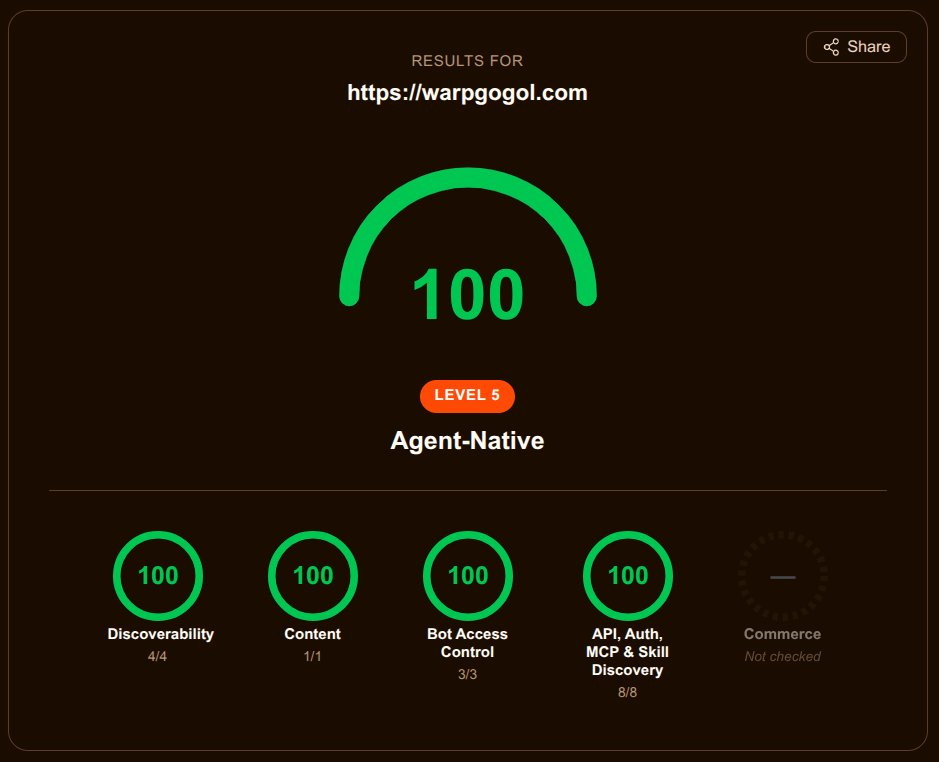
Well, to all those who scoffed at the idea that I wouldn't need to expend any effort to enable AI agents to work with my clients’ websites. Here's the latest news: https://t.co/bHNXUQxInv
And all my existing clients already have this, whilst for new ones it comes out of the box.
An analysis of 100,000 German businesses has identified three main problems with websites in 2026:
1/ Lack of structured data.
2/ Lack of social media integration.
3/ Lack of evidence of work carried out.
Methodology: https://t.co/vTfIMtYVsL
Research: https://t.co/yrX6fkUt6F
Faking expertise has become almost free. It has become harder to tell the difference between someone who really knows their stuff and someone who simply paraphrases well. When will the time come to look at the evidence?
I was thinking. What if Warpgogol line of dozens of agents starts churning out tech flawless sites that don't actually help the business? The metrics will be in the green. The audits will have been passed. And yet the result will still be wrong. Business. I need feedback!
An idea occurred to me yesterday. I’ve would like to share it. We need to design not only systems that work correctly, but also systems that are capable of realising that their creator is wrong. It’s a painful realisation. But it holds promise for the future.
I've discovered an extremely effective workflow for programming. Claude Opus writes the docs for https://t.co/MqUQVVXIlz, and SWE by Devin implements it. Now we can tackle even the most massive tasks in one go.
How can you turn a business website into more than just a website - into a genuine asset?
1/ Separate the facts from the presentation and transform them into a knowledge graph from which everything else is generated.
#warpgogol
Today I asked the AI agent to rewrite the project so that it would make sense to it, rather than to the operator. This is so that the AI agent can work as efficiently as possible. After all, over the last few months I haven't read or corrected a single line of code.
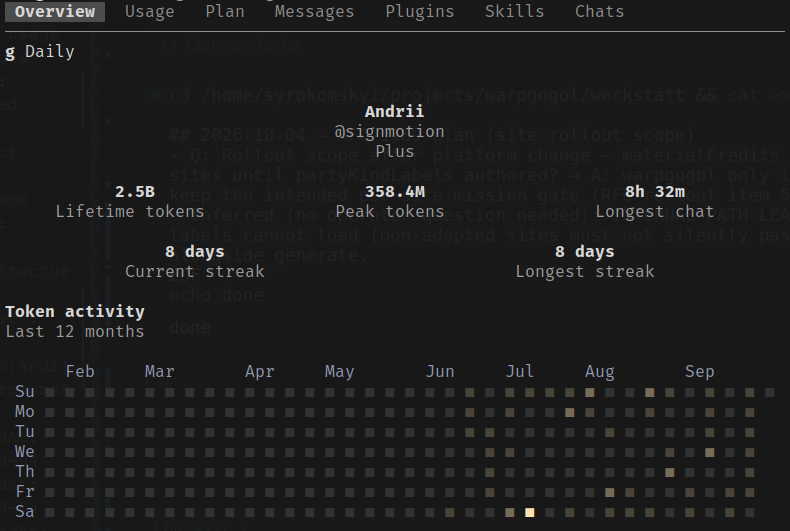
8.5 hours. That's how long my longest coding session with OpenAI's AI lasted. And that's despite the fact that I don't use Codex all that much. How can you check your own usage? `Codex v0.160` -> `/usage`.
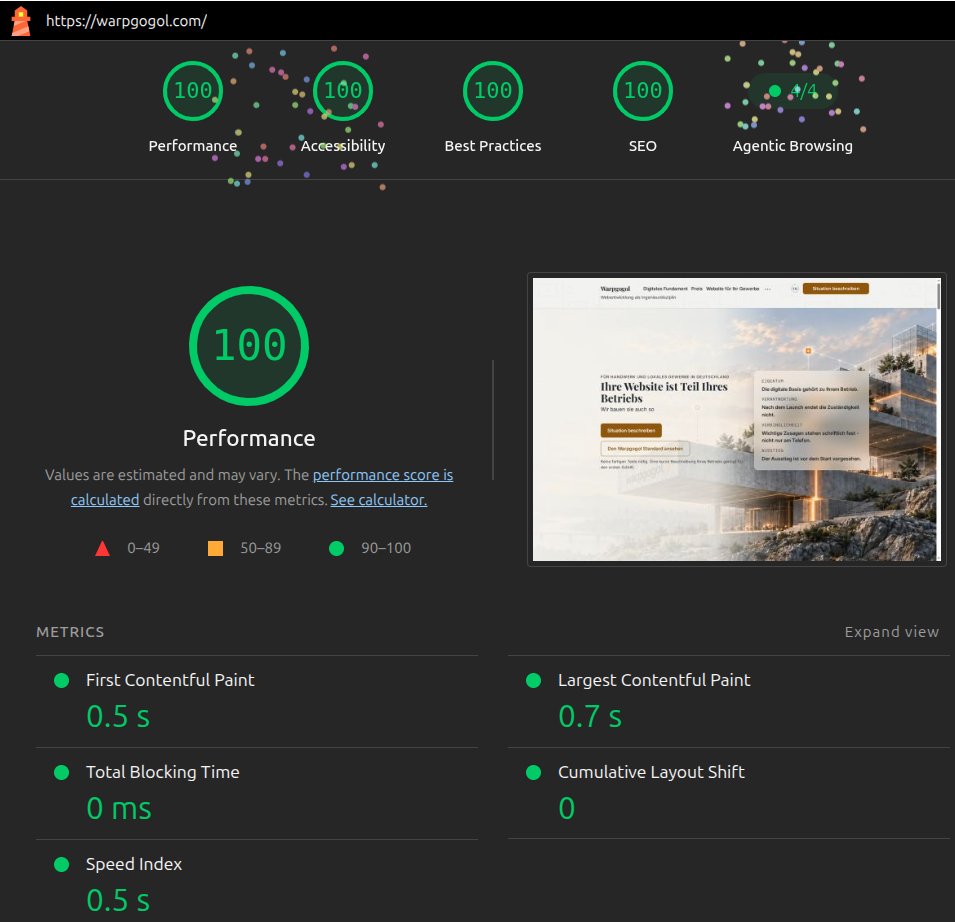
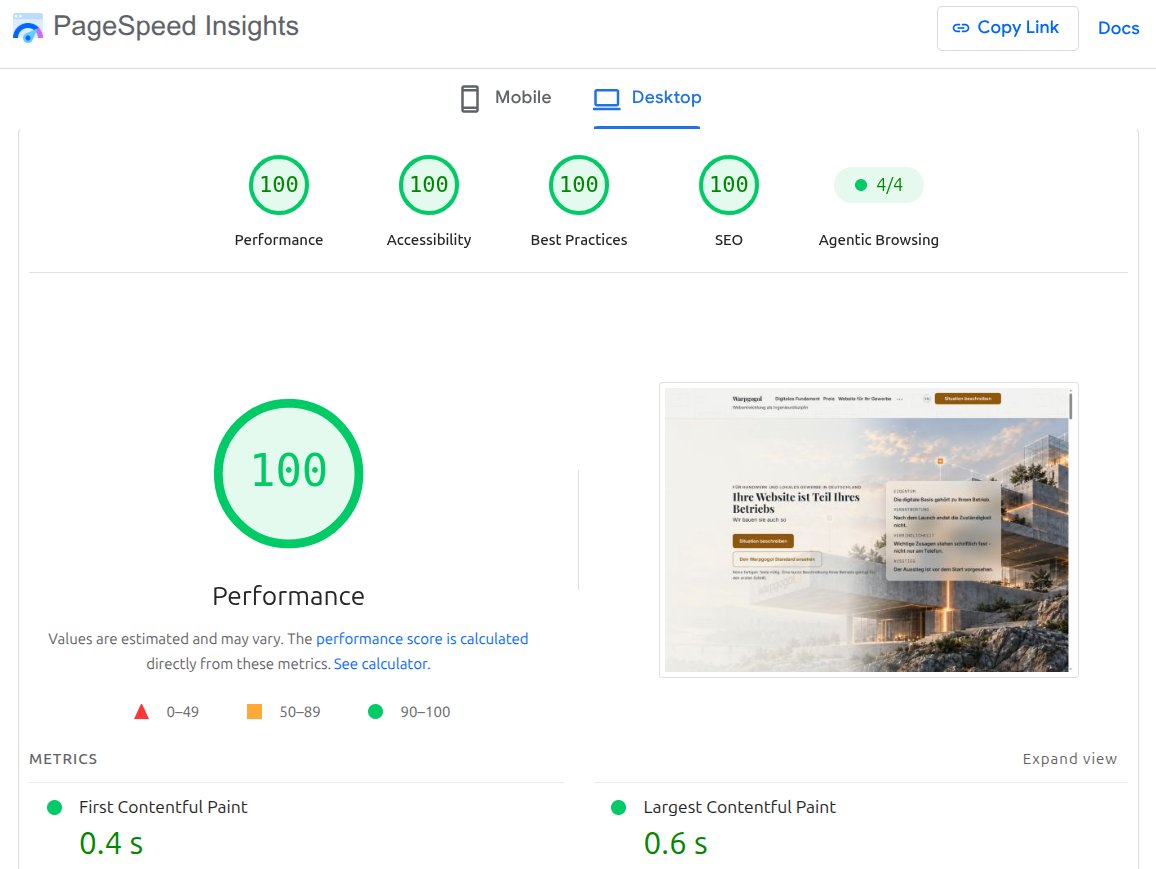
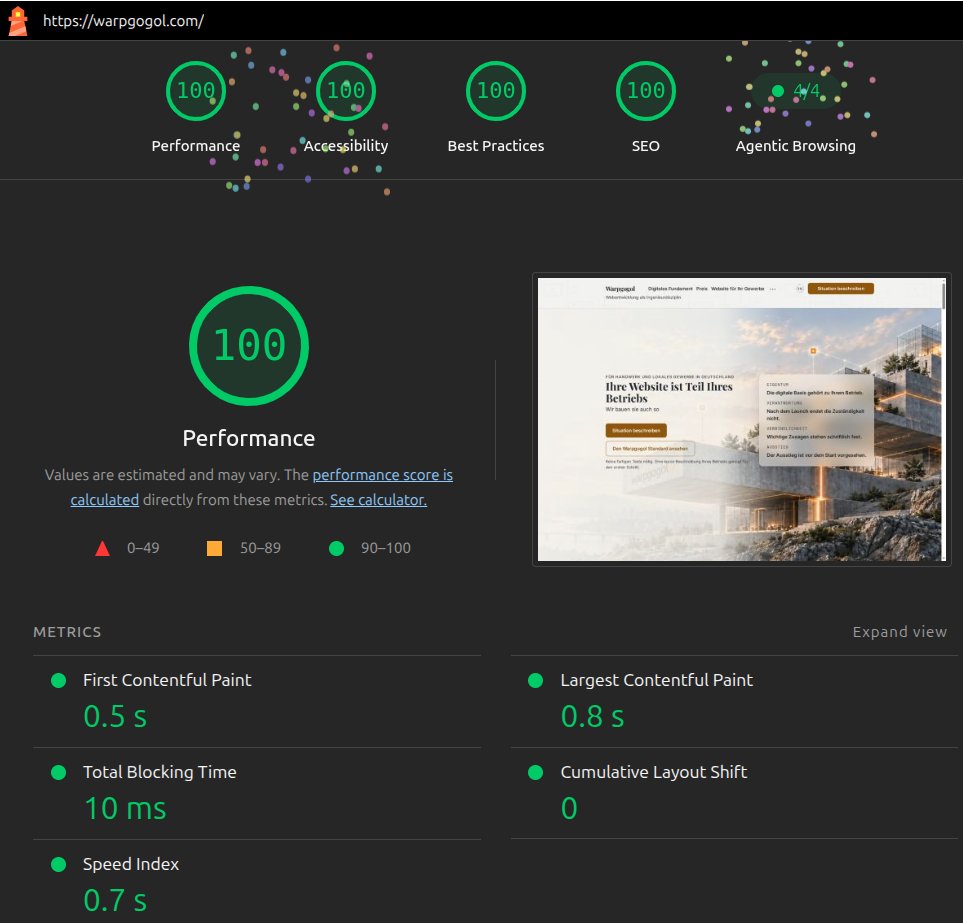
It's difficult to achieve 100% Lighthouse scores for your own website. But it's even harder to maintain a "green rating" for all your clients. After a year of work, I'm already close to achieving this.
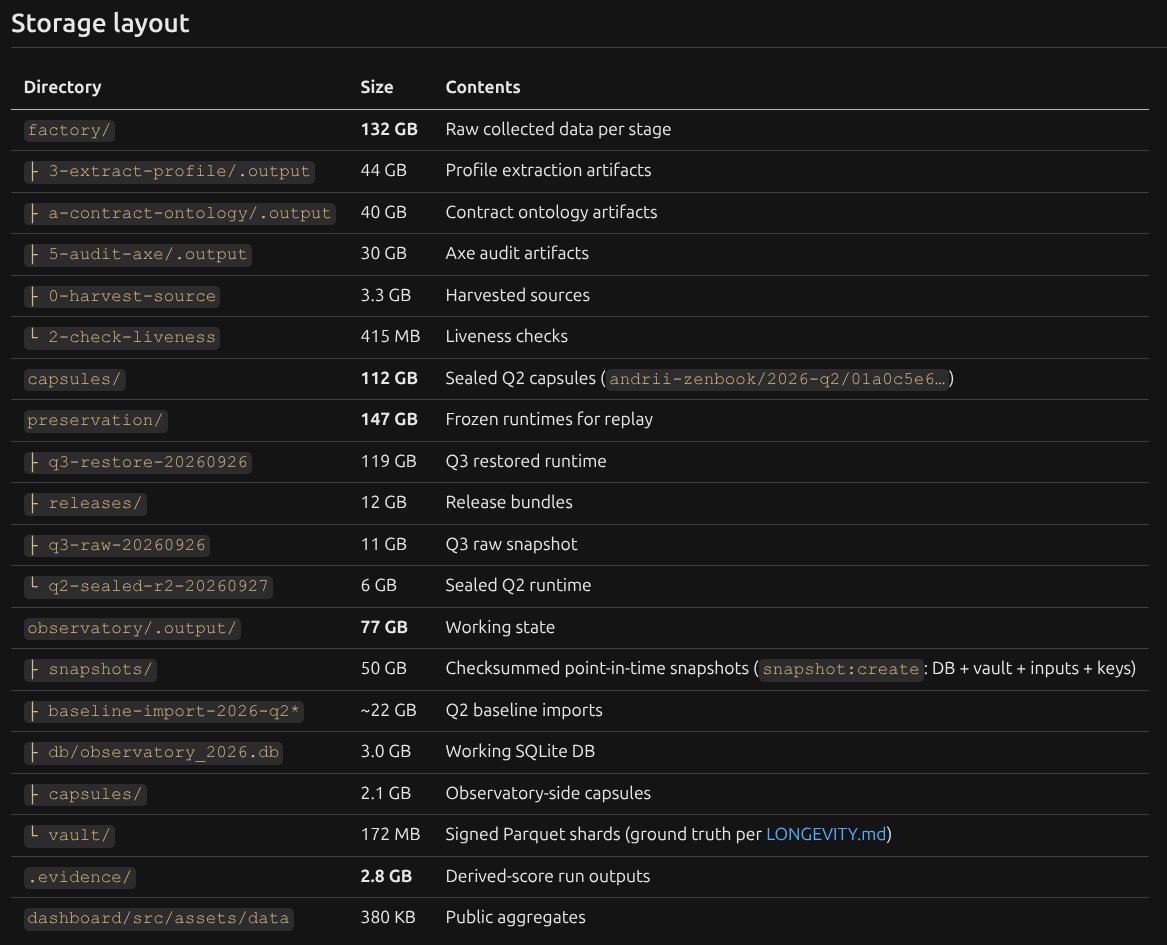
The German Business Digital Maturity Index for the first two quarters currently takes up ~470 GB, of which only 380 KB is publicly available at https://t.co/2scIuYZ9fA. Next quarter, I won't be able to manage without an external hard drive.
#HDRI
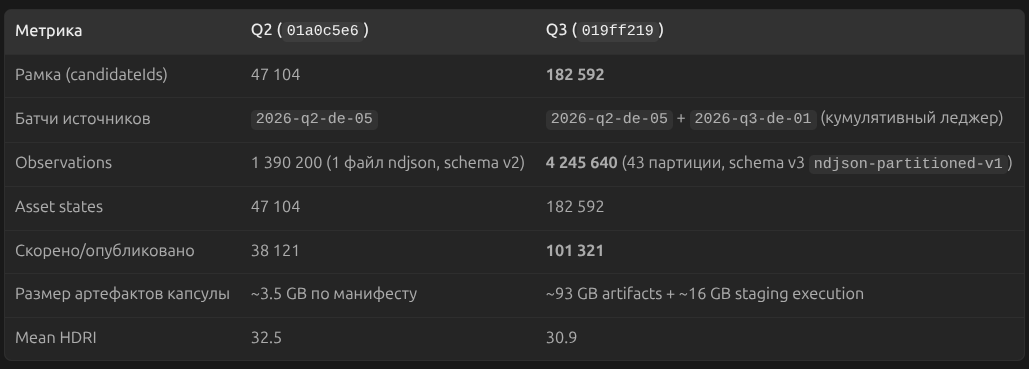
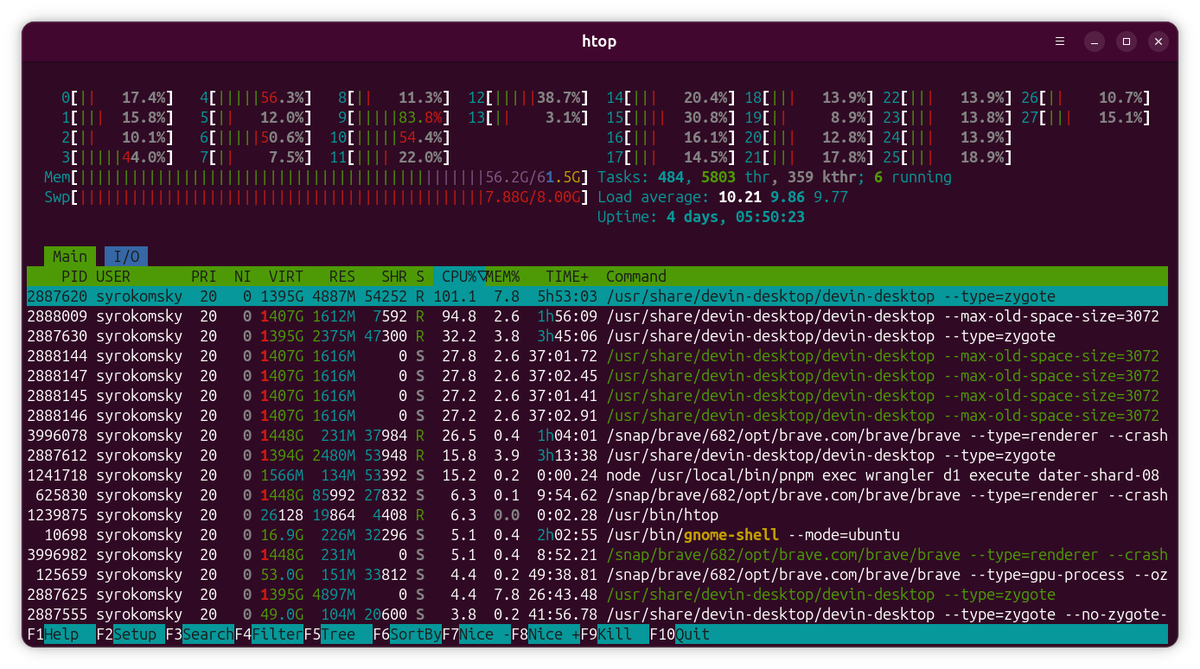
Huh... It took exactly 2 weeks to compile the latest quarterly snapshot of the digital maturity market for German businesses. And for 2 weeks, a comp with 28 processors and 64 GB memory worked tirelessly. Growth: 38,000 websites in Q2 -> 101,000 in Q3.
https://t.co/qZbQF0rlfa
Just a week ago, I was regretting having opted for "too much memory". Now, as well as memory, I'm already starting to think about storage... 64 GB and 1 TB aren't enough for webdev anymore.
Eric Schmidt, former CEO of Google. I watched an interview with him this week. "The demise of legacy interfaces due to AI-powered UI" - a perfectly predictable future. I'm glad that the websites we've created for our clients were based on this concept from the outset: