This account makes unlinked assertions based on intuition, is not a researcher, student, or professional in the field. It's meant to be useful, but not authoritative. I am a weather weenie trying to explain my reasoning for polar vortex stuff. :D
El Niño is likely to fizzle because of how strong it's coming on. Forecast the change, not the climate, and it will serve people well. https://t.co/qnQFtsPfiW
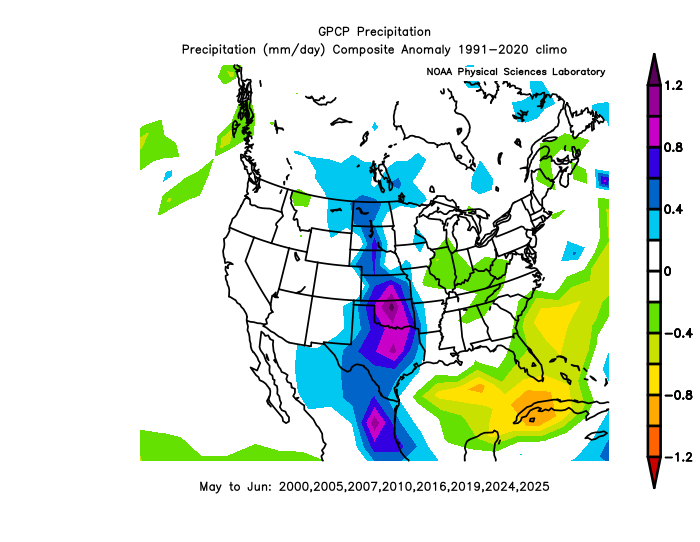
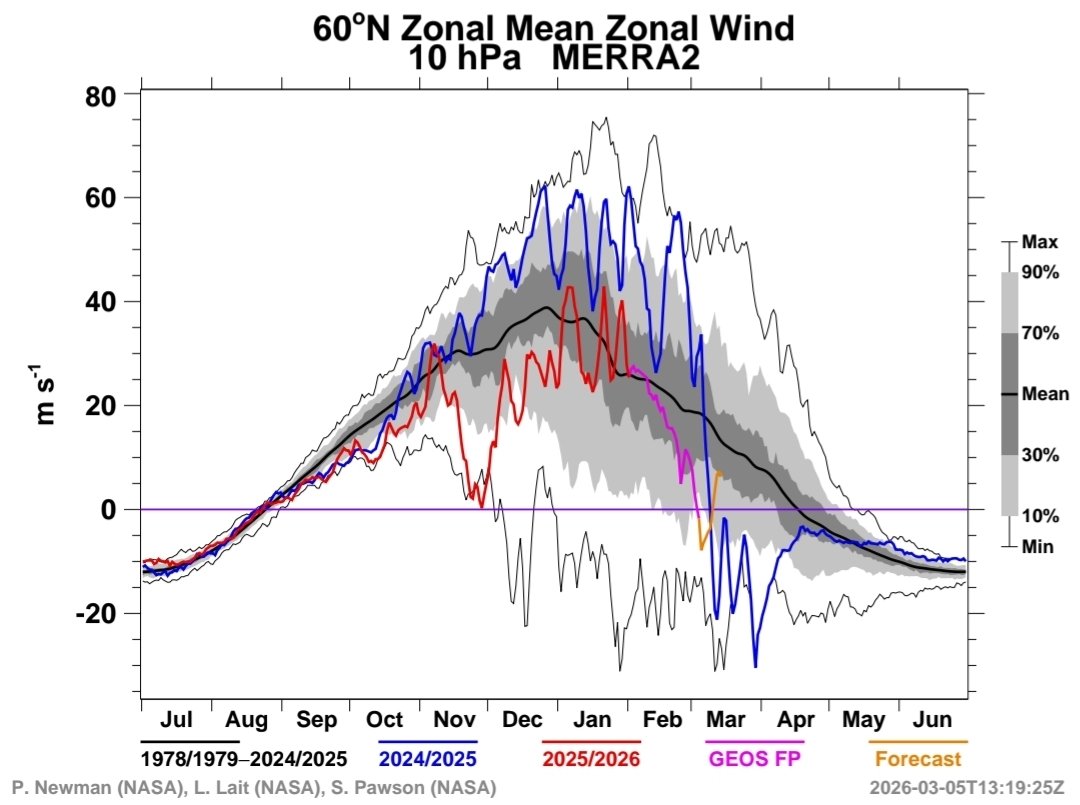
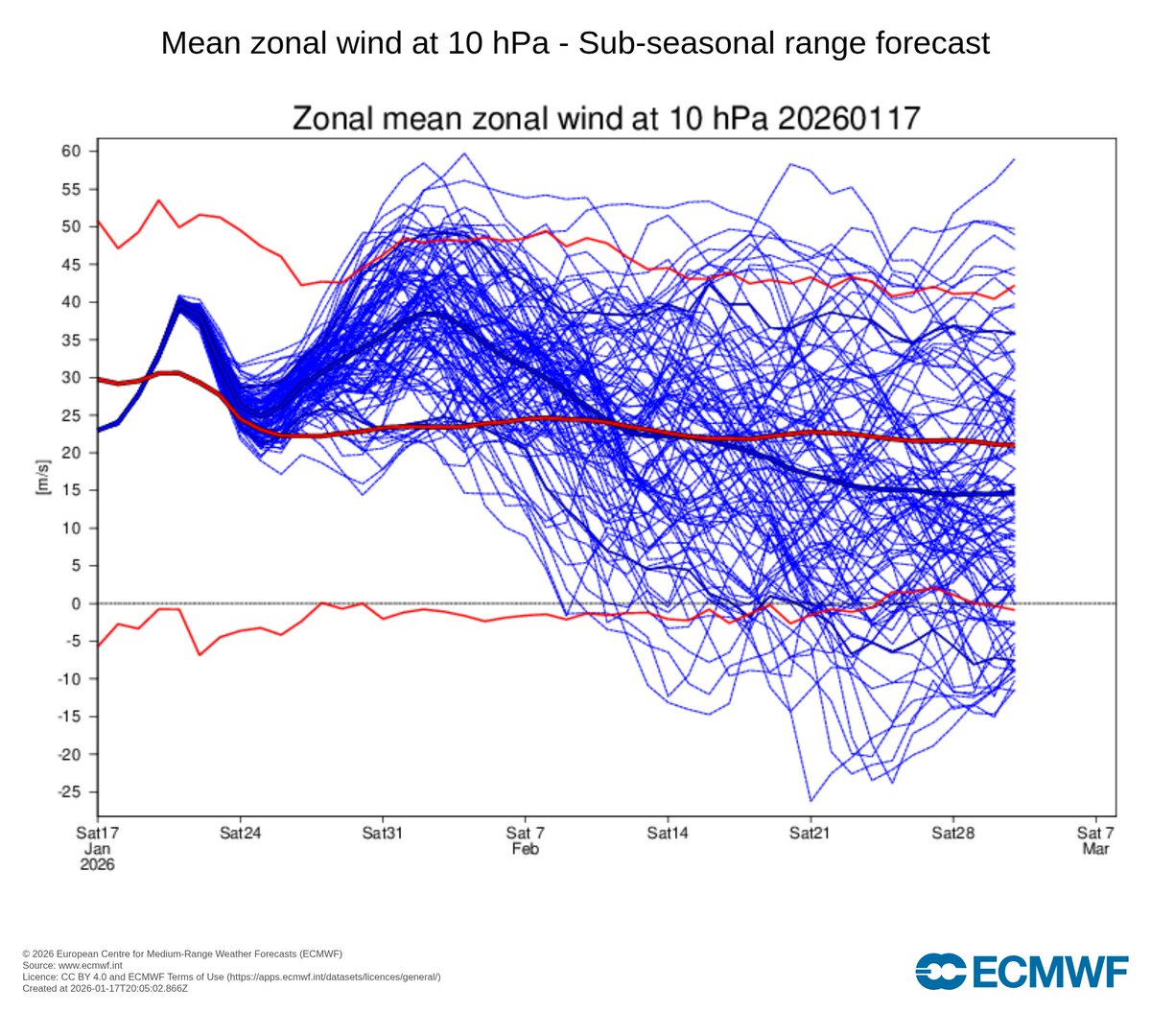
In my opinion, major SSW in late Feb - March favor stormy & wet spring conditions in the southern plains. Would like to see our current polar vortex split evolve into a final warming to add weight to this proposed link. It would be the 3rd year in a row of Texas flood.
winds popped up in the distant medium range in early February. the reflective factor will probably gain with chances of final SSW every week or two going through Feb into March, frequently weakly reflecting downward into turbulent lower strat.
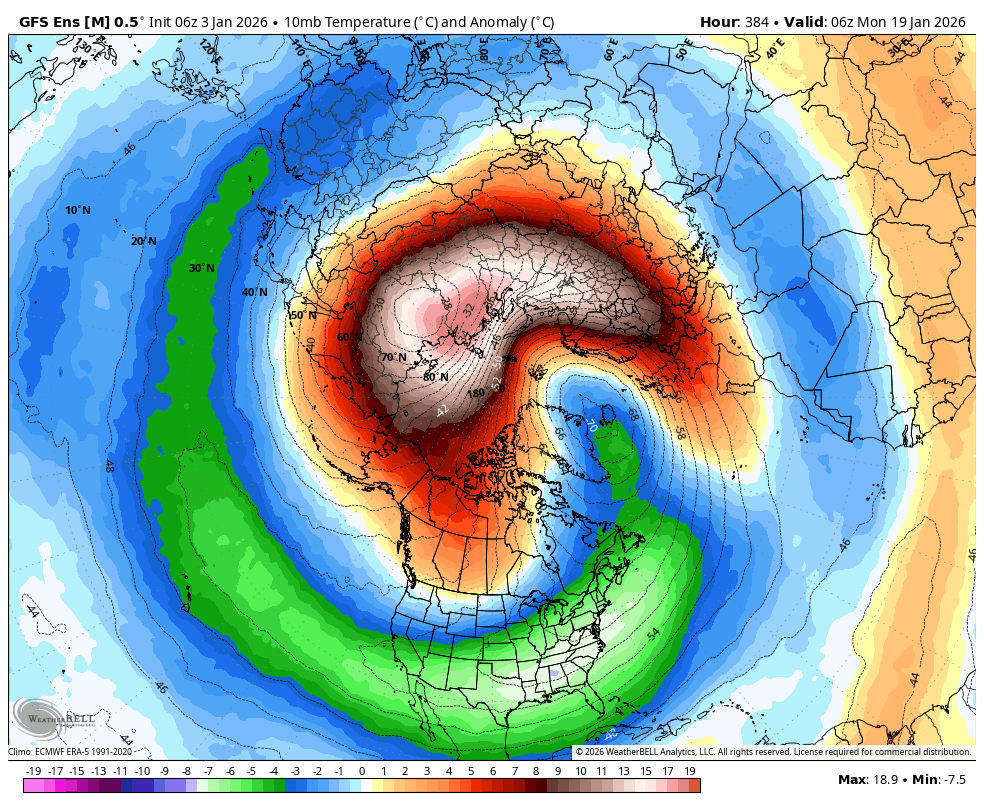
The medium range is showing the next wave interaction of the polar vortex, a reflecting distortion of the wind, but coming back together maybe even stronger than before. given the year we've had, I could see a final SSW mid to late February and look for this pattern in Spring
In the SH, wintertime sudden stratospheric warming is very rare & its downward impact on surface climate is not well known. Our new study reveals typical characteristics of SH winter stratospheric warming events & unique features of the 2024 winter SSW: https://t.co/4tnSRayfXR
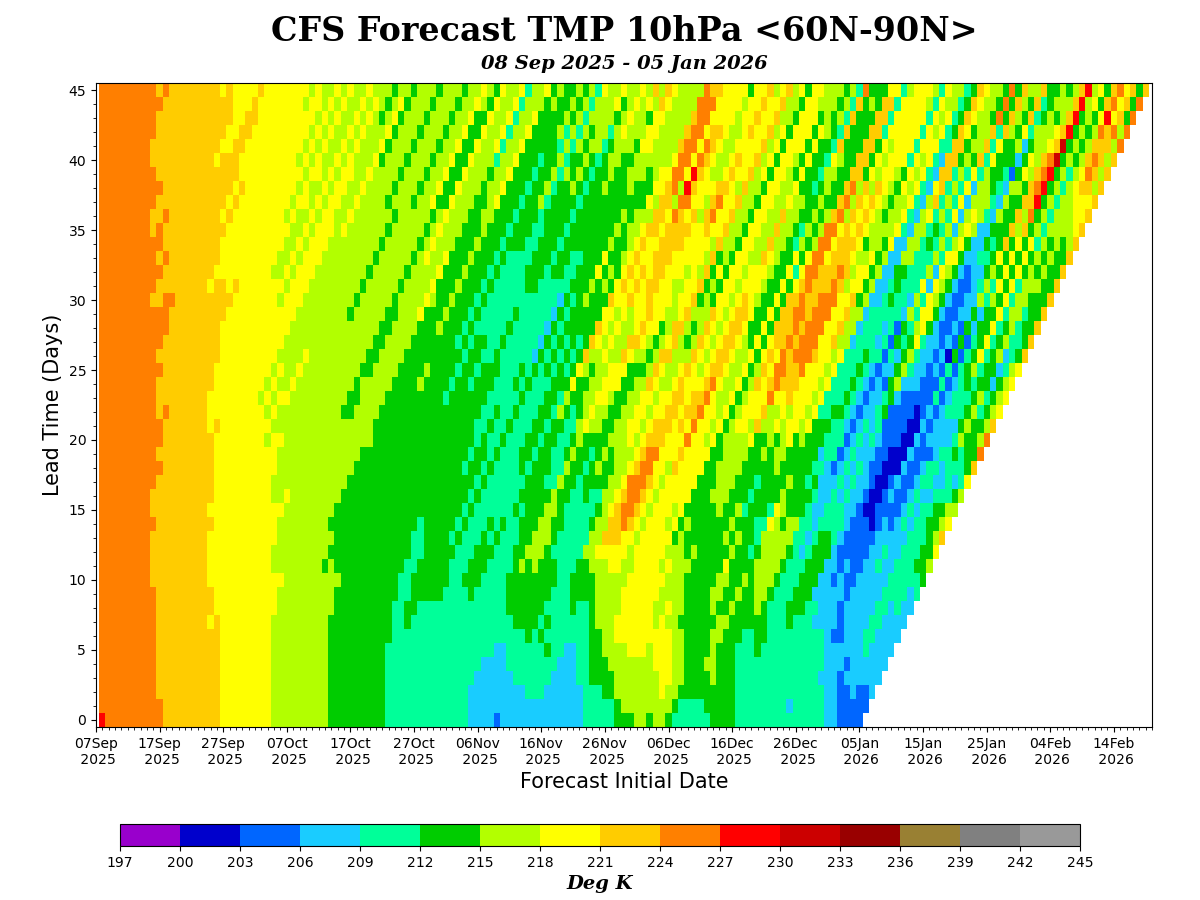
The cold polar stratosphere should last only a short time. Now we see warm signals around Jan 20th. I believe we'll see a related cold air outbreak in North America in the last week of January. Cold focus on Alberta, Idaho, Montana, but strong outbreak could push East as well.
GEFS in the distant medium range now exhibiting a wave 2. Signs point to a Mid-January wave reflection with potential building for repetition or absorption End-January.
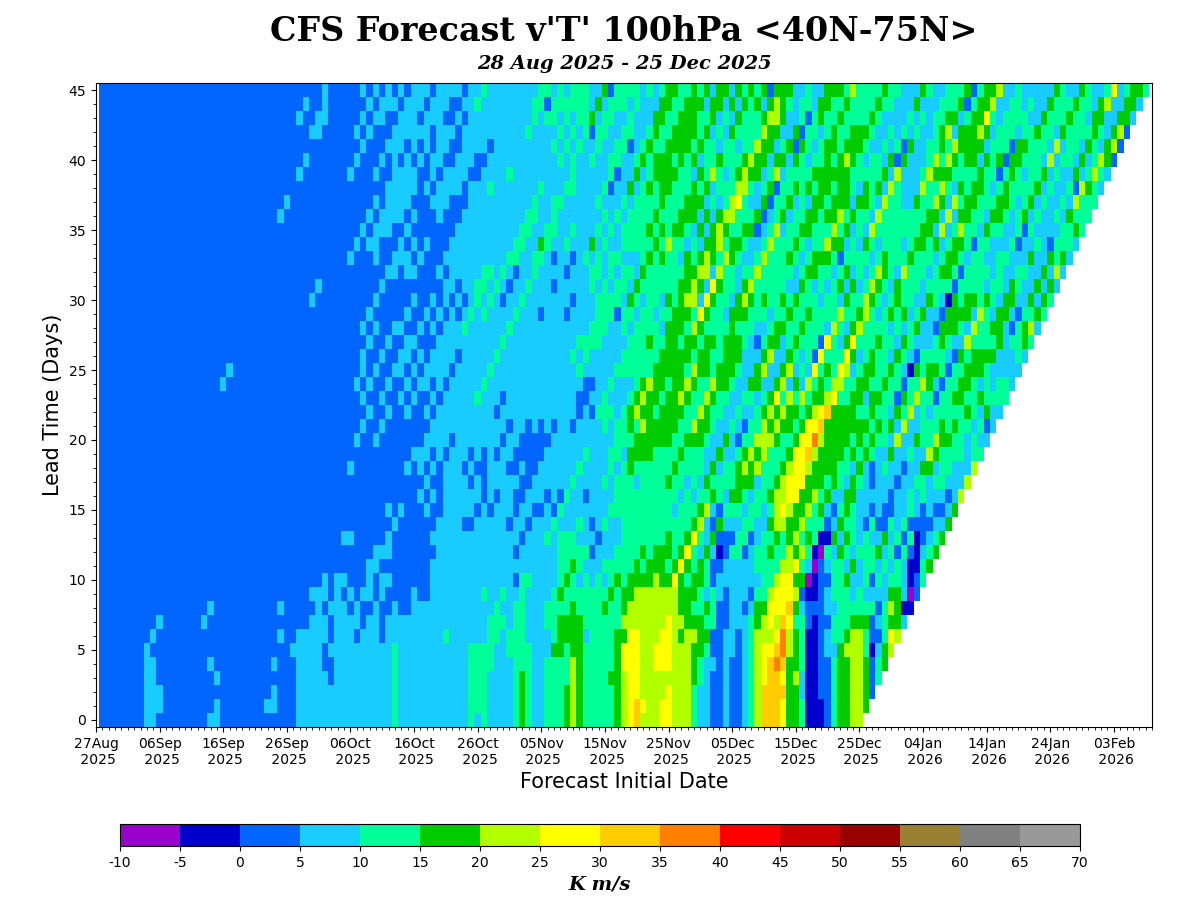
More wave driving than expected is now appearing in GEFS extended and CFSv2 forecast. Look at the angled line becoming more yellow than blue from left to right at a given lead time. Some more positive heat flux at 100hPa in forecast.
@tim_dunkerton The stratosphere appears to become stiffer to planetary waves with instantaneous full-column vertical translation. The atmosphere isn't just flowing, it is ringing like a bell, because the walls are closing in. Does this track with your observations?