Your OKRs don't usually go according to plan. AND that's OK.
Use our OKR starter kit to fail faster and get into the flow of things with more momentum. 👇
https://t.co/Pj3YGtHeOk
OKRs mistake #3: writing Objectives that aren't clear enough
Objectives should be clear and broad enough that any team could imagine a way they can contribute to success.
One dashboard for everyone serves no one particularly well.
The CEO wants two paragraphs of company-wide risk. The VP of Engineering wants which initiatives are slipping. The Head of Sales wants pipeline coverage.
Same data, completely different briefs. We wrote how to set up one per role →
https://t.co/FLU1b2DivD
You launched the strategy in January. By March, half the teams are interpreting it differently. By June, the thread to the company vision has frayed.
Strategic pillars are the missing piece — a small set of focus areas every team uses as their compass, so the strategy stays intact from deck to delivery.
How to define yours →
https://t.co/18CQ5Nqh71
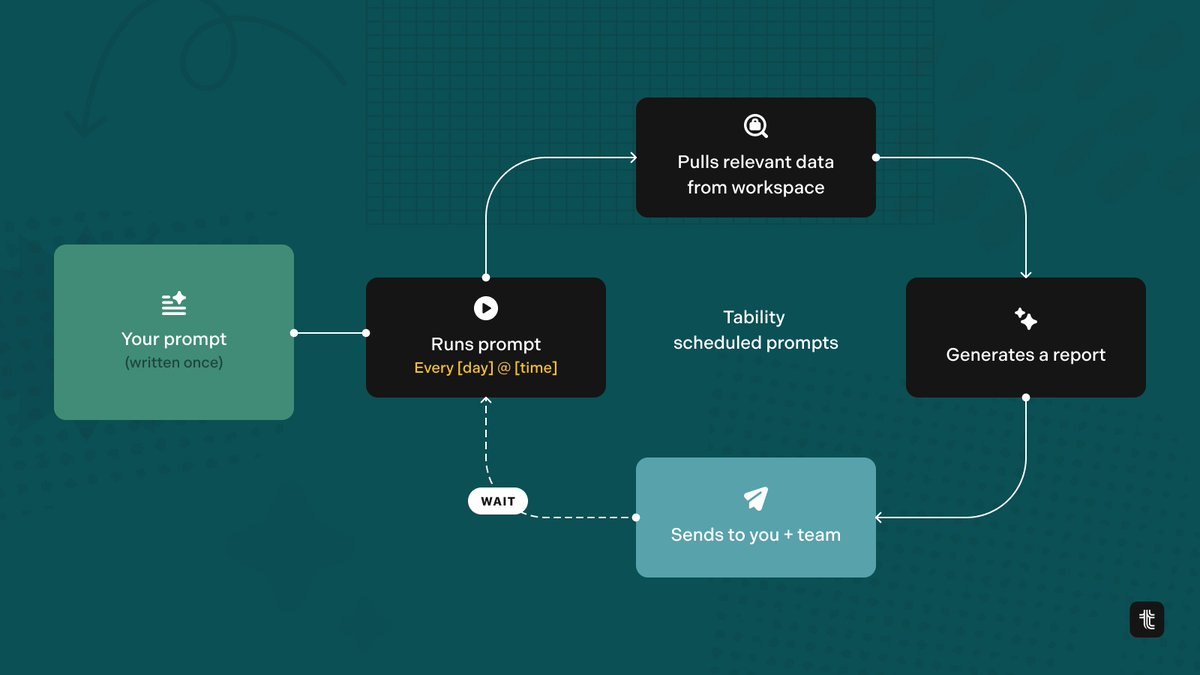
Three questions cover most of what a leader actually needs each morning:
→ What changed yesterday?
→ What's at risk and who owns it?
→ What deserves attention next 24h?
Three paragraphs in your inbox. Not a 15-page PDF, not a dashboard tour.
The prompt and the once-and-done schedule →
https://t.co/m9D2gESXgO
30 minutes is the setup time for your first AI teammate. Same length as a kickoff meeting that doesn't ship anything.
It picks up a goal, breaks it into work, drafts the output, and reports back. No prompting back-and-forth.
We filmed the whole thing unedited so you can see what 30 minutes actually buys you →
https://t.co/iluhKX3eUm
Momentum beats accuracy 🏃
It's better to run a flawed OKR cycle and learn from it than to spend months writing perfect goals that never get tracked. The teams that win aren't the ones with the best-written key results — they're the ones that show up every week.
https://t.co/ShrUbbW4rs
Three questions cover most of what a leader actually needs each morning:
→ What changed yesterday?
→ What's at risk and who owns it?
→ What deserves attention next 24h?
Three paragraphs in your inbox. Not a 15-page PDF, not a dashboard tour.
The prompt and the once-and-done schedule →
https://t.co/m9D2gESXgO
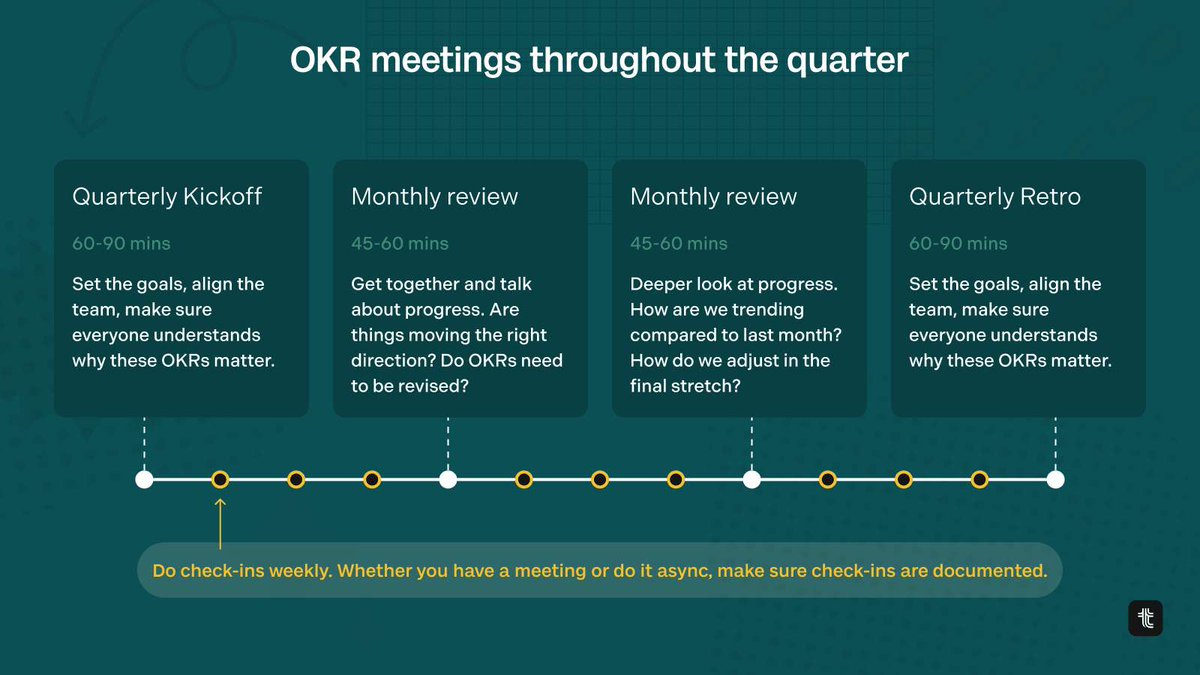
Most teams over-meet and under-decide on OKRs.
The cure isn't more meetings. It's the right four:
- Quarterly kickoff
- Weekly check-in (the heartbeat)
- Monthly review (catch drift)
- Quarterly retro
Skip the weekly one and the rest unravels by week 6.
How to run all four without burning the team out →
https://t.co/nXwvnPa9WF
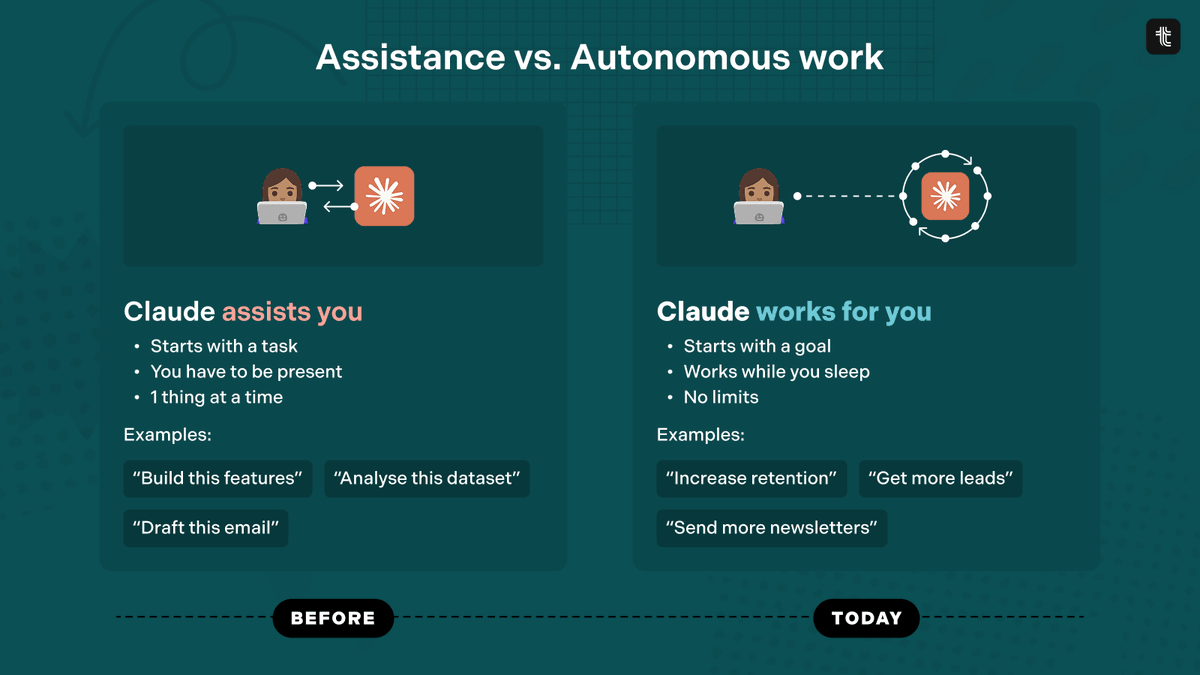
2025: how can AI help me work faster?
2026: what work can AI just do?
That's the shift. Agents stop being a tool you consult and start being a teammate you delegate to. They pick up goals from a queue, do the work, and report back.
We wrote up the shift and how to set up your first agent →
https://t.co/2zhClrLN5G
The #1 reason OKR programs fail? No cadence.
Goals without a regular check-in are just a document collecting dust. Try this: 30 mins on Monday to surface risks, 30 mins on Friday to share what shipped. One hour a week. That's the actual work.
https://t.co/Pj3YGtHeOk