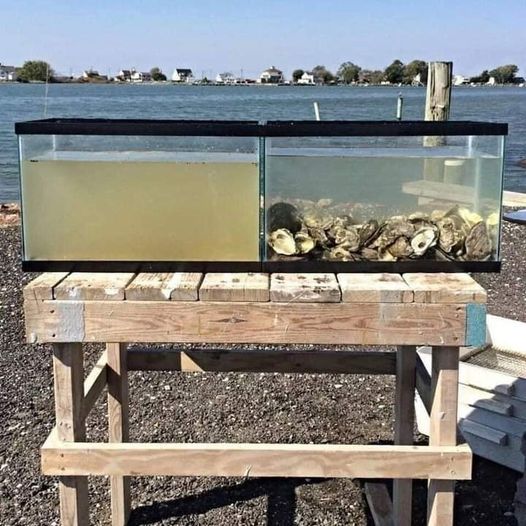
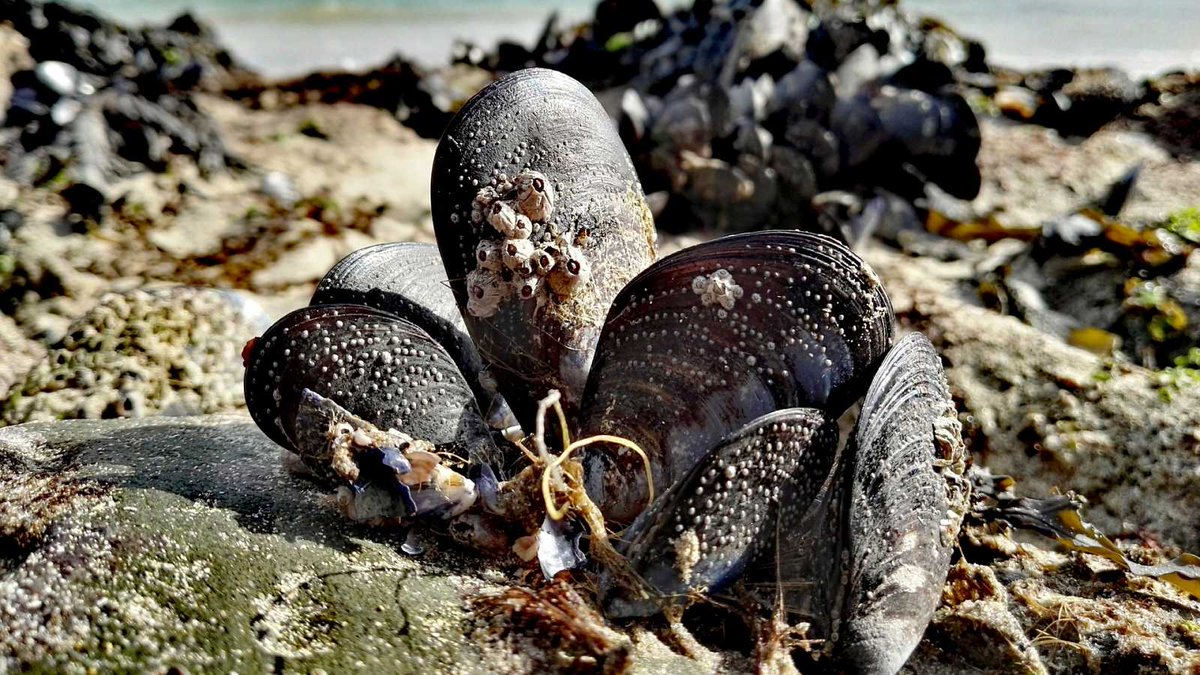
Los moluscos puede filtrar o purificar el agua del mar. Cada pecera fue llenada al mismo tiempo con la misma agua tomada de un tramo de mar, con la única diferencia de que la derecha contiene ostras. #ecosistemas#acuáticos
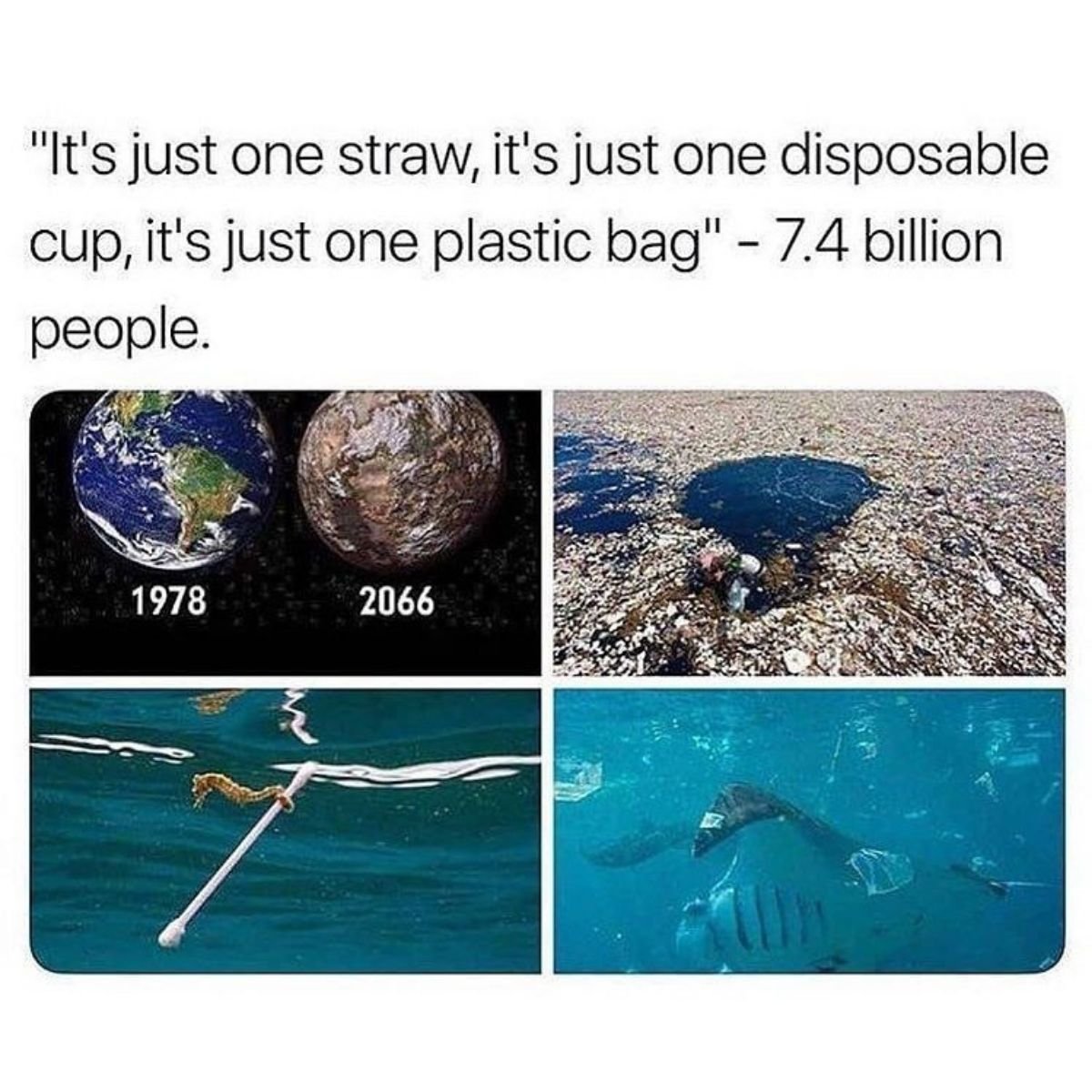
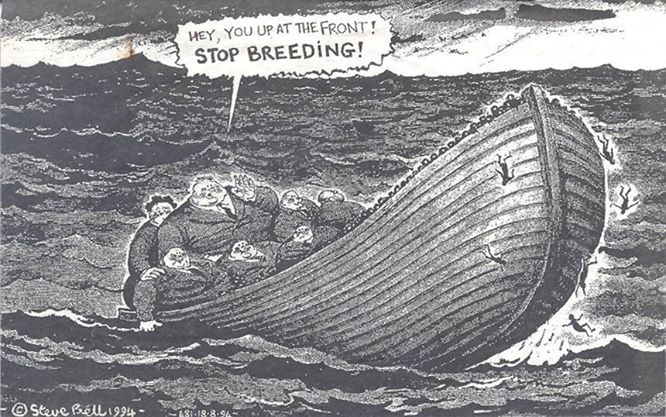
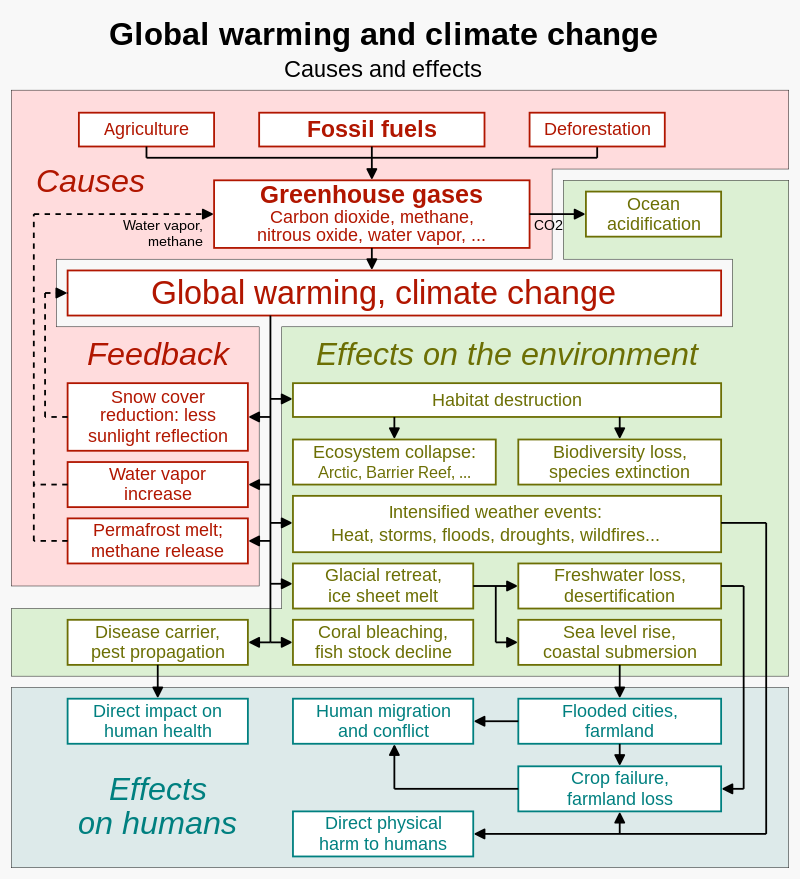
Something is seriously wrong with our economy when destroying our planet in real-time is more affordable than renewing, restoring, and sustaining it. We must rethink our priorities and invest in a sustainable future for all. #sustainability#climatechange
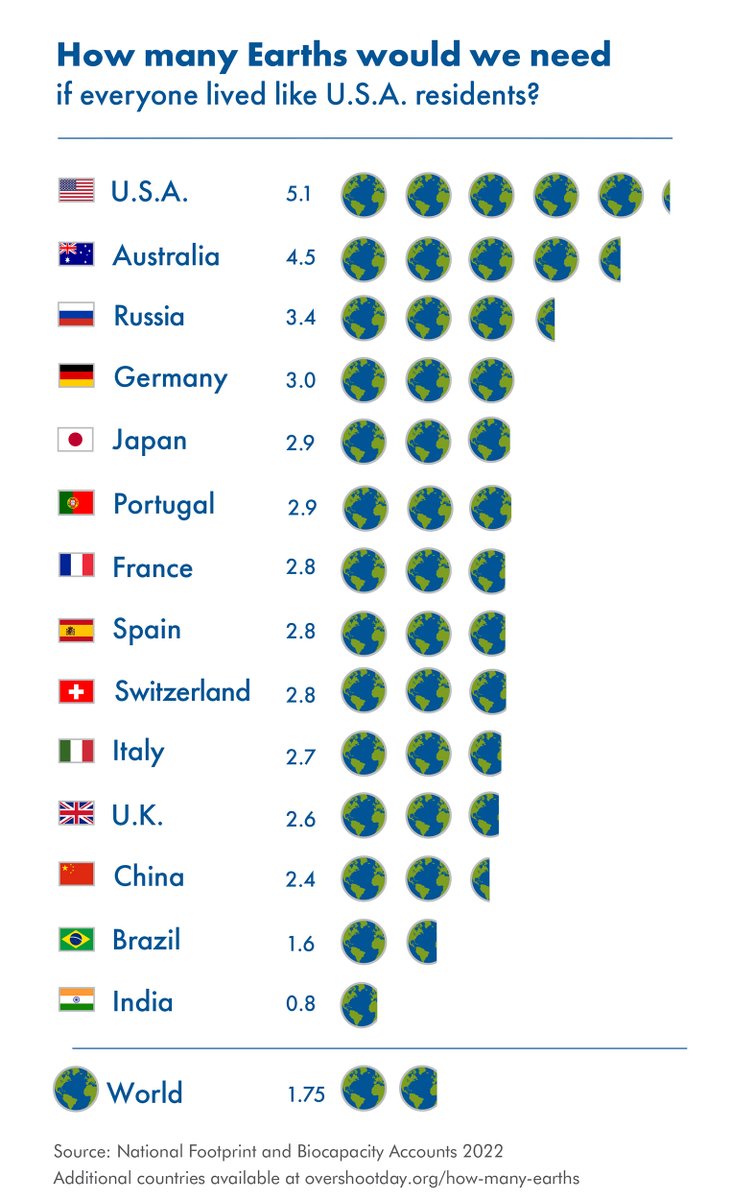
Just because we can't see the consequences of our actions, it doesn't mean they're not there. If the world lived like the U.S., we'd need 5 planets each year to satisfy our resource needs. Earth Overshoot Day falls on July 28 this year, highlighting the urgent need for change.
Still, transitioning to renewable energy is one of the most powerful ways for a country to reduce its Ecological Footprint. But unfortunately, many countries still have a long way to go.
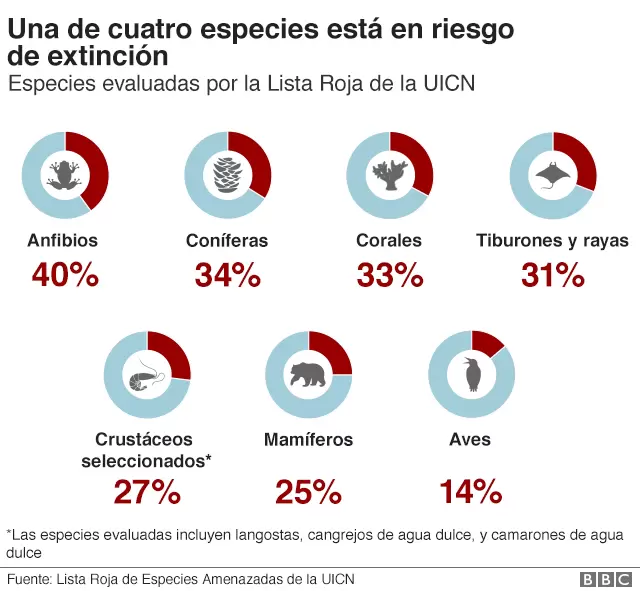
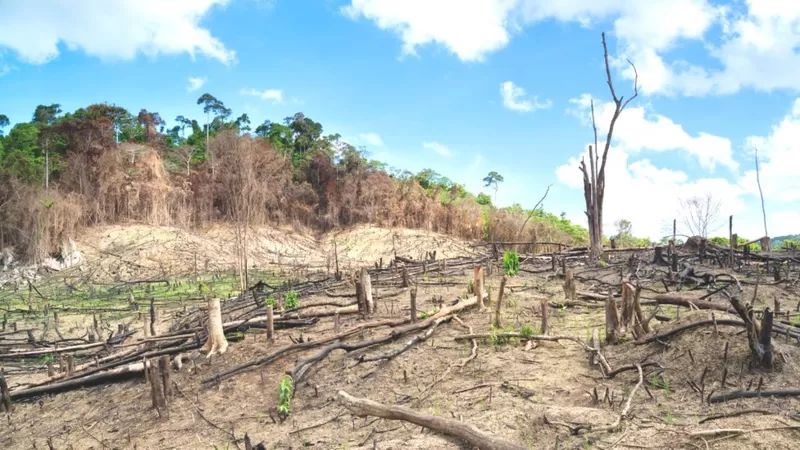
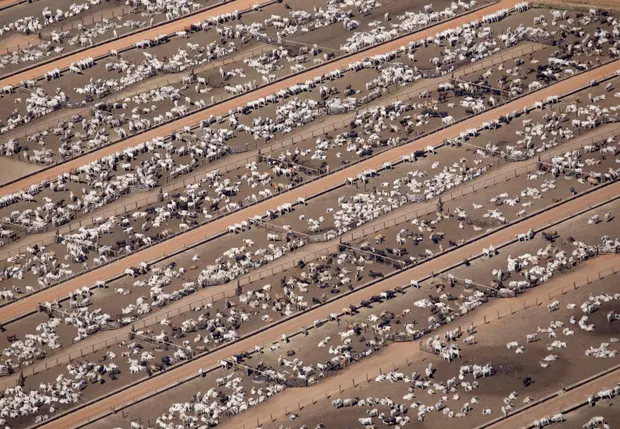
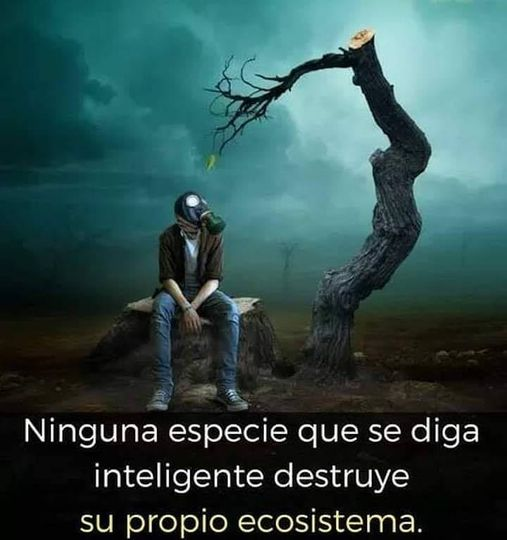
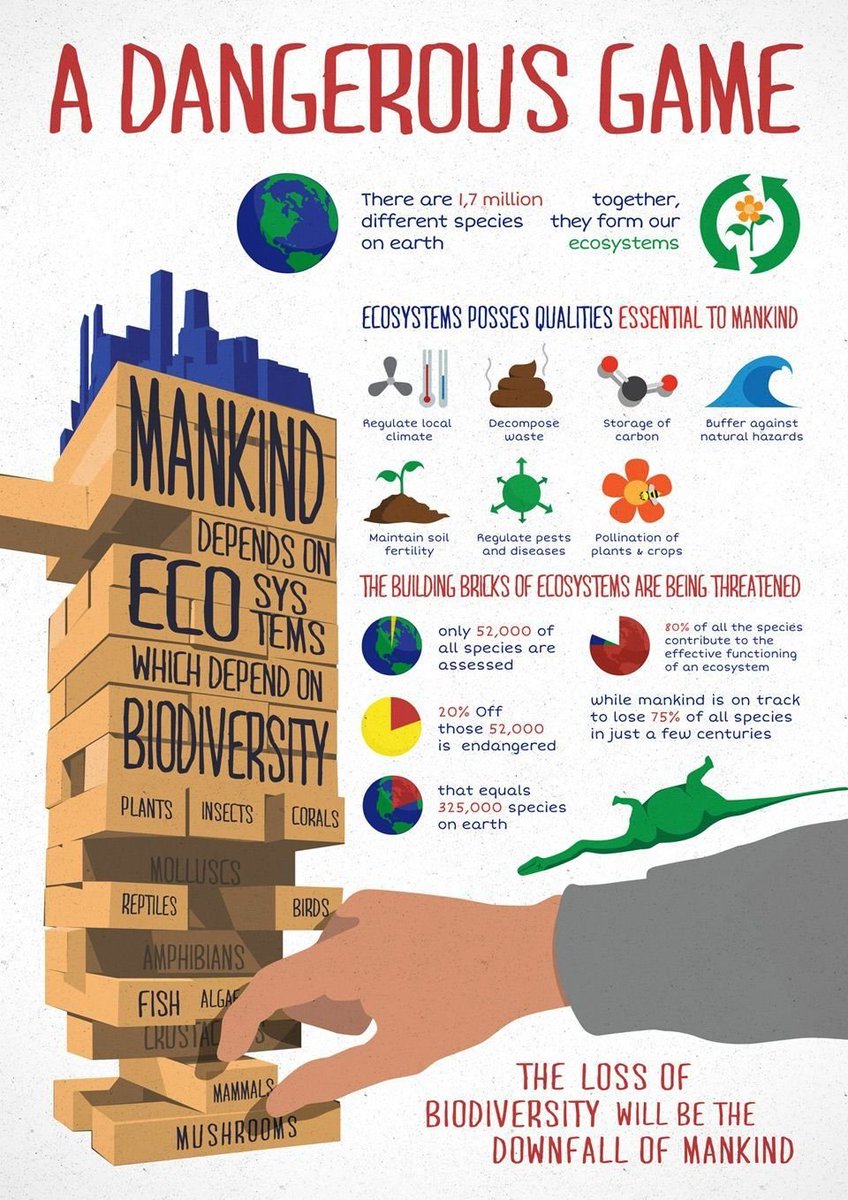
Humans just 0.01% of all life but have destroyed 83% of wild mammals. The destruction of wild habitats for farming, logging, and development has resulted in the start of what many scientists consider the sixth mass extinction of life to occur in the Earth’s 4 billion-year history
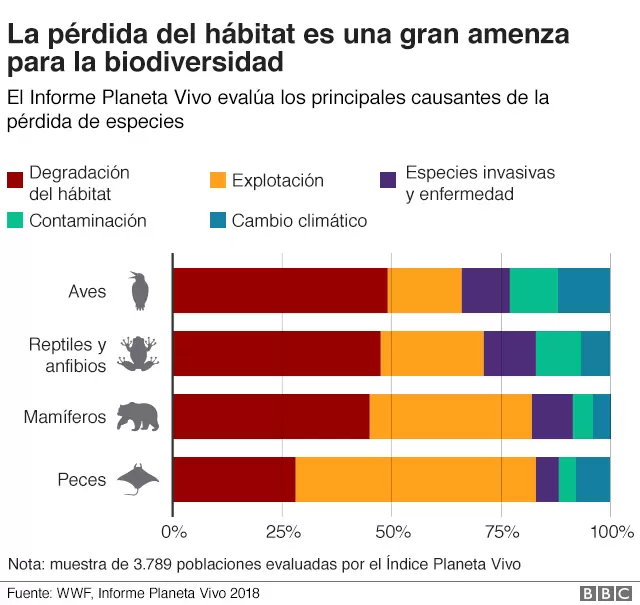
Los principales impulsores del declive de la biodiversidad continúan siendo la pérdida de hábitat natural para obtener alimentos, combustible y madera, y la sobreexplotación de plantas y animales por parte de los humanos a través de la tala, la caza y la pesca.
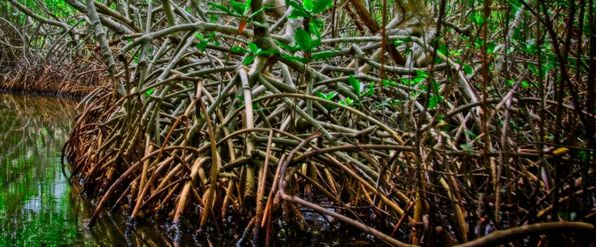
Los estados de #Chiapas, #Jalisco, #Sinaloa, #Nayarit y #Tabasco son los principales pescadores y cultivadores de #mojarra en México; en 2021, juntos alcanzaron un volumen de producción de 82 mil 555 toneladas, 81% del total nacional. Fuiente: SIAP
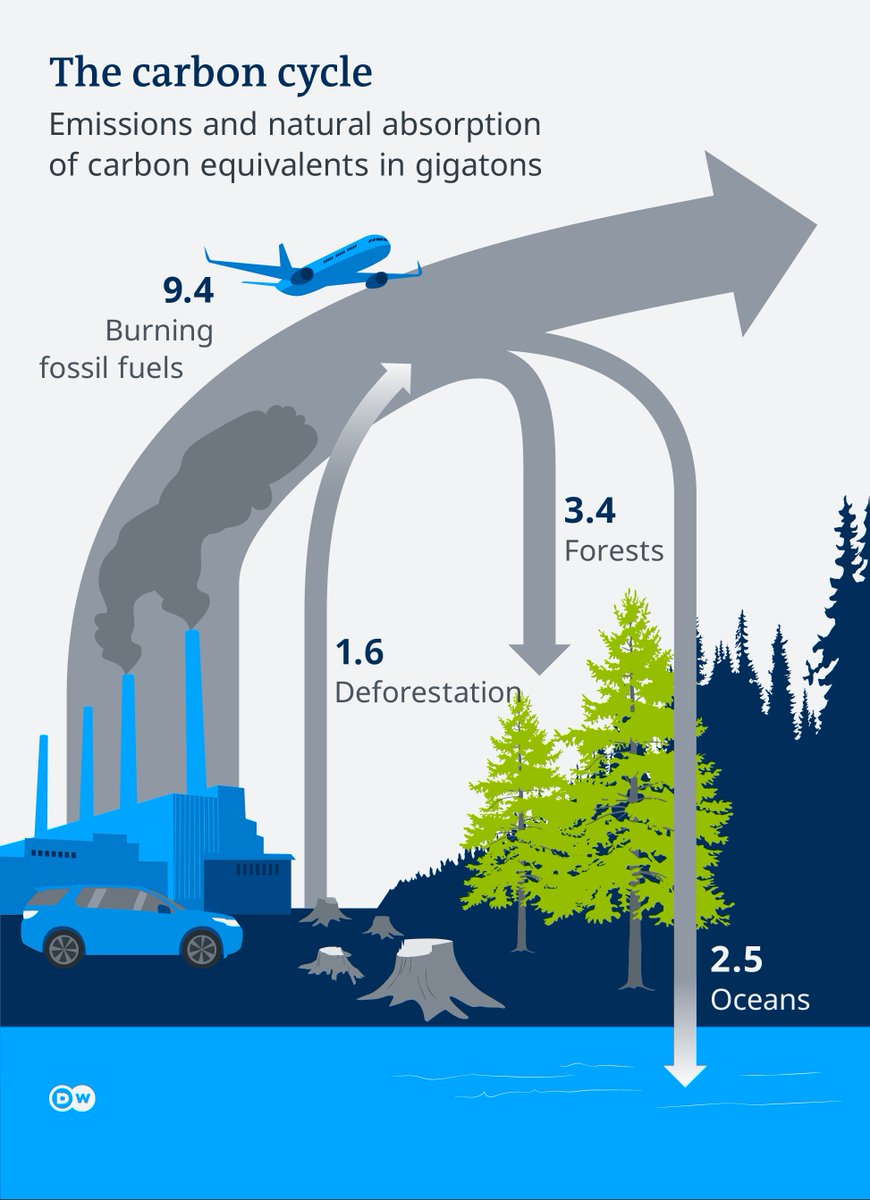
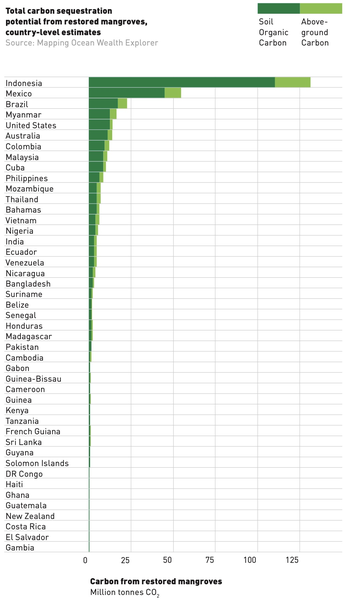
Oceans are better at storing carbon than trees. In a warmer future, ocean carbon sinks could help stabilize our planet. The ocean is essential to tackling climate change. So why has it been neglected in global climate talks?