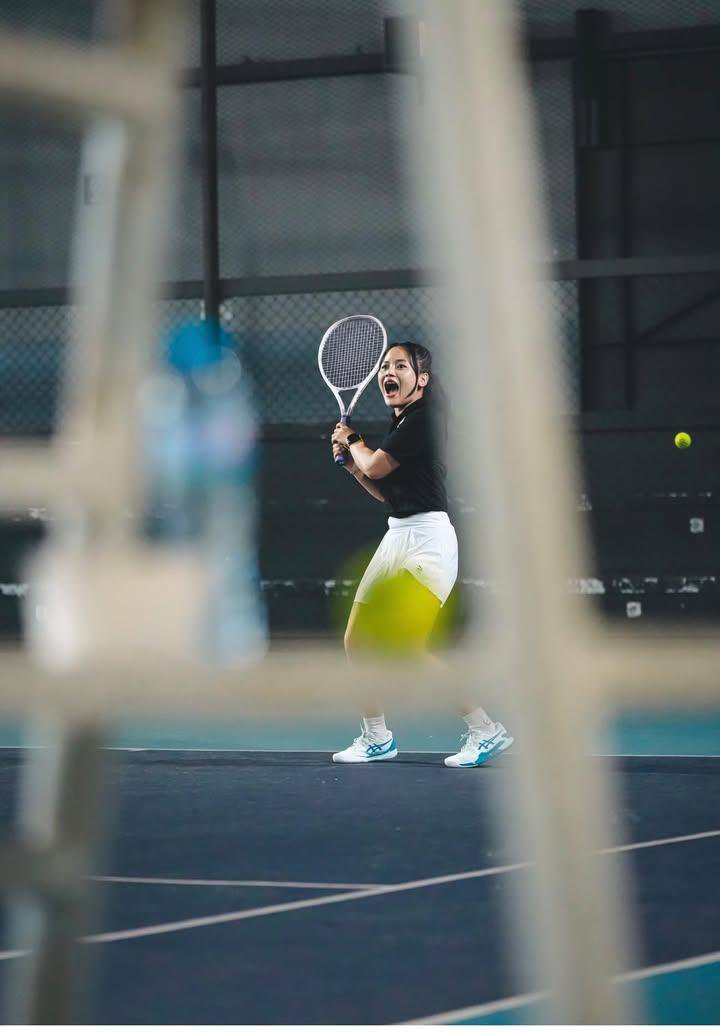
Scarlett Johansson being one-and-done with nudity but producing some of the most gratuitous nude scenes through that is one of the most bittersweet things there is.
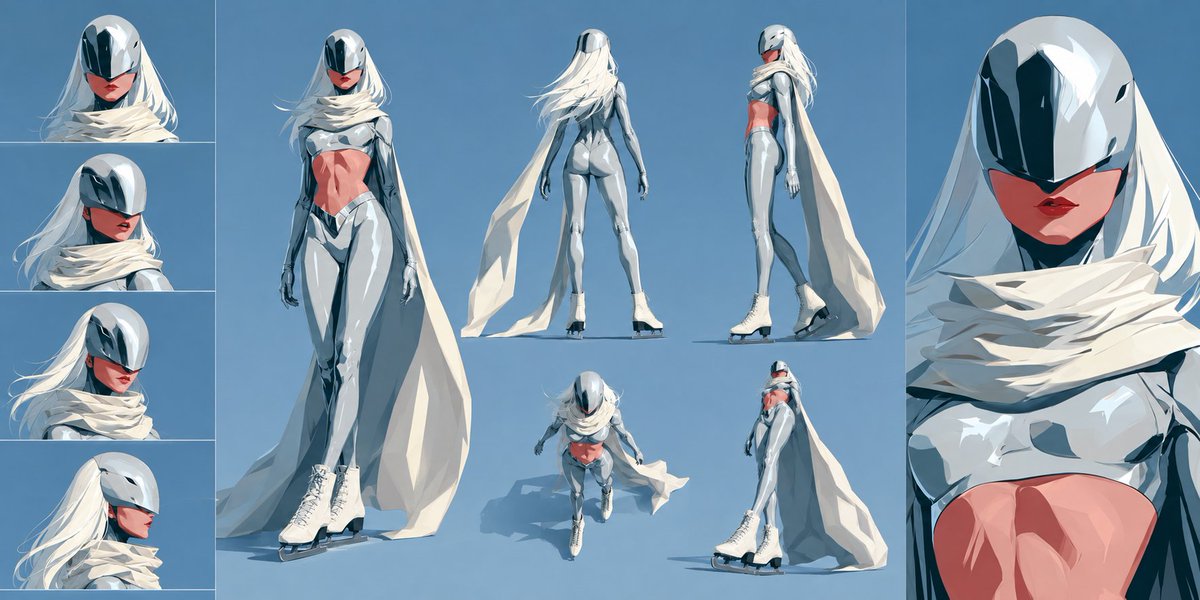
GPT Image 2 Character Sheet Prompt
A lot of people have been asking for this character sheet prompt, so I'm sharing it here. I've actually shared it under a few of my previous posts before but it seems like most people missed it.
It works from a reference image you provide and I originally designed it specifically to preserve the visual style of referenced Midjourney images as closely as possible.
You can change the aspect ratio however you like. Also it would work with Seedream 5 and other image models.
Prompt:
Create a 2:1 premium cinematic CHARACTER IDENTITY BOARD using Image A as the sole character and style reference.
Match Image A exactly: same identity, proportions, hairstyle, outfit, colors, visual medium, linework, shading and texture. Do not redesign or reinterpret. Correct obvious anatomy or generation errors like hands without changing the intended design. without sword and yellow dots.
REFERENCE LOOK LOCK
First analyze Image A and establish a strict visual identity lock from all observable character traits, proportions, design details and stylistic rules. Apply this locked identity consistently across every angle, pose and expression. Nothing may drift, relocate, disappear, duplicate or be invented; only perspective-dependent visibility may change.
COMPOSITION
Use a clean minimal background color chosen to contrast clearly and elegantly with the character’s palette. Avoid grids, blueprints and standard turnaround-sheet design. Never overlap or crop the studies.
RIGHT 25%: HERO PORTRAIT
The rightmost 25% must be a full-height, edge-to-edge close-up portrait completely filling that area with no margins or empty space. Match Image A’s identity, art style, lighting, colors and background treatment exactly. Keep the face and defining head silhouette clearly readable. Place no text or other studies over it.
LEFT 10%: EXPRESSIONS
Reserve the leftmost 10% for exactly four expression portraits. Place the four clearly separated expression portraits vertically.
Give each portrait a strong, distinctly different emotion and head direction: front-facing, left three-quarter, right three-quarter and side profile. The gaze should naturally follow each head angle. Do not repeat the same angle or expression. Preserve the exact same facial identity, proportions, features and art style in all four portraits.
CENTER 65%: BODY STUDIES
Use the central 65% for:
- one large off-center hero full-body pose, facing directly toward the viewer with the head straight, eyes clearly visible and the face sharp, unobstructed and easy to recognize
- back full-body view in a different pose
- side full-body view in a different pose
- one top-down body angle
- one low-angle body angle
Keep all views fully visible, clearly separated and consistent with the locked reference identity.
No text, arrows, labels, handwritten notes, annotation marks, silhouettes, detail studies, seated poses, leaning poses, crouching poses, environments, extra characters, alternate costumes, logos, watermarks, style drift, malformed anatomy, inconsistent features, duplicated details, obscured faces or overlapping figures.
사용한 모델: Nano Banana Pro
[프롬프트]
Create a photorealistic three-panel character reference sheet based strictly on the uploaded reference image. The uploaded image is the single source of truth for identity, age, facial structure, hairstyle, body proportions, skin tone, clothing design, fabric, colors, and accessories. Do not redesign or reinterpret.
LAYOUT — Horizontal landscape composition, read left to right, arranged as three vertical panel areas of equal height and equal width. All three panel areas must have exactly the same width, each occupying one third of the total image width. The first two panels are full-body views, and the third is a face / upper-body close-up. The three panel areas must form one continuous, seamless composition with no visible divider lines, borders, frames, gutters, gaps, spacing, or changes in the background between panels.
PANEL 1 — FULL-BODY FRONT VIEW (HEAD OMITTED)
Standing straight in a neutral pose, arms naturally at the sides, facing directly toward the camera. The outfit is fully visible from the neckline down to the footwear. First establish the figure at exactly the same full-body scale and framing as in Panel 2, then omit only the head area above the neckline, leaving normal empty space where the head would have been. No decapitation effect, no wound, no severed neck, no surrealism, and no anatomical damage — a clean character-design presentation in which the head information has been intentionally removed. Never enlarge, zoom, reframe, shift, or re-crop the body to compensate for the missing head.
PANEL 2 — FULL-BODY REAR VIEW
The exact same character seen from directly behind, in the same neutral pose, arms at the sides. Clearly show the back silhouette, the hairstyle from behind, the garment construction and seams, the lower-body garment, and the footwear, exactly as in the reference.
PANELS 1 & 2 — SCALE-LOCKED
Shot consecutively as if from a tripod that never moved: identical focal length, camera height, camera distance, subject scale, and lighting. Identical on-screen shoulder width, torso length, leg length, shoe size, shoulders-to-floor distance, and side margins. Both figures share one identical horizontal ground baseline and one identical horizontal shoulder line, and each figure occupies the same percentage of the panel height. No zoom, crop, vertical shift, or difference in body size between them. Near-orthographic, technical feel with minimal perspective distortion.
PANEL 3 — FACE / UPPER-BODY CLOSE-UP
Head-and-shoulders portrait of the exact same character, cropped from the upper chest upward. Turn the head slightly to the subject’s right, creating a subtle three-quarter angle while keeping the face mostly toward the camera. The subject’s left cheek and left side of the face must be visibly more exposed than the right side, with the nose pointing slightly toward the subject’s right rather than straight at the camera. Keep both eyes clearly visible and maintain direct eye contact with the camera. Do not use a perfectly frontal, symmetrical face angle. Maintain a serious neutral expression. Keep the entire head, hairstyle, chin, and hair outline fully inside the frame with a small amount of space above the hair. Preserve the exact identity, age, facial structure, hairstyle, skin texture, wrinkles, and natural asymmetry of the reference.
CONSISTENCY
Identical character identity, age, skin tone, hairstyle, body proportions, wardrobe (every garment, its cut, and all accessories exactly as in the reference), fabrics, colors, lighting, and color grading across all three panels. This is a technical visual reference / costume documentation sheet, not a creative reinterpretation.
BACKGROUND
Neutral mid-grey (#808080) seamless background extending continuously across the entire image without any interruption or panel separation. Identical background color and brightness across all three panel areas.
LIGHTING & RENDER
Clean soft even lighting, large diffused key light with gentle fill, soft natural shadows, no harsh highlights, true-to-life skin tones, neutral white balance, minimalist high-fashion editorial look, polished modern professional model-sheet aesthetic, shot on a full-frame camera with an 85mm lens, deep controlled depth of field with the entire figure in focus, crisp tack-sharp detail, high dynamic range.
NEGATIVE
No text, labels, typography, logos, measurements, props, furniture, environmental objects, decorative graphic design, divider lines, borders, frames, gutters, panel gaps, or visible seams between panels. No unequal panel widths, and no panel wider or narrower than the others. No rim light, colored lighting, harsh spotlight, or theatrical lighting.
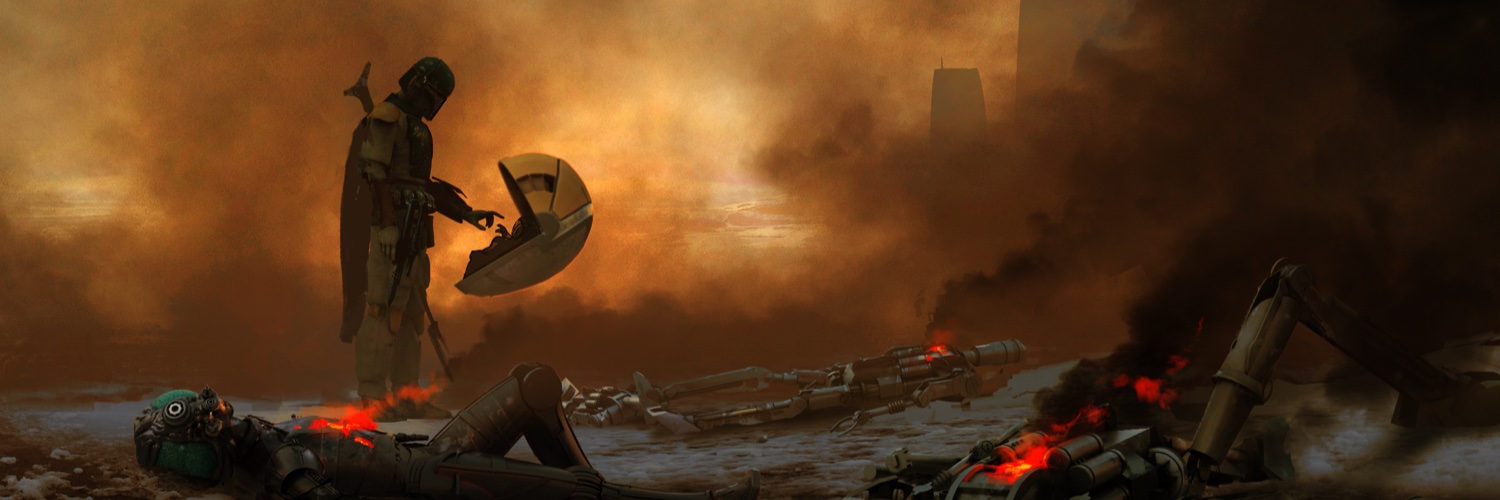
🎨 CINEMATIC WARTIME CHRONICLE 🎨
Prompt :
A Cinematic Wartime Chronicle featuring [SUBJECT], portrayed through grainy, scratched film stock typical of wartime newsreels. Utilize faded military-inspired hues of [COLOR1] and vintage-muted [COLOR2] tones, complemented by gentle camera shake and reel flicker
Check ALTS
Mid-century travel picture-book illustrations of American cities
GPT Image 2
Prompt:
[DESTINATION] = [CITY NAME]
Create a charming vertical 4:5 mid-century travel picture-book illustration of [DESTINATION], inspired by playful 1950s–60s European city books.
Depict the city as an affectionate, imperfect travel memory—not a map, postcard, architectural rendering, landmark collage, or cinematic panorama.
Include:
• 1 distinctive primary landmark
• 1 smaller secondary landmark
• 1 distant/partially hidden local feature
• 1 recognizable local vehicle
• 3–5 subtle everyday city details
• 5–6 ordinary people doing simple local activities
Compress these naturally into one imaginary street, plaza, park, or waterfront. Keep the primary landmark slightly off-center, with open foreground, shallow theatrical depth, gentle curves, and generous museum-white negative space. The city should be recognizable without feeling geographically accurate.
STYLE:
Hand-drawn picture-book illustration with loose charcoal/navy ink, trembling contours, crooked architecture, uneven proportions, sparse windows, simplified silhouettes, occasional double strokes, and minimal detail. Use the fewest lines necessary. Slightly awkward, intelligent, warm, humorous, and handmade.
PEOPLE:
Simple expressive figures with oversized heads, thin legs, narrow bodies, tiny faces, tilted accessories, and awkward but readable gestures. Show ordinary local life, not celebrities, models, stereotypes, or tourist clichés.
COLOR:
Use a restrained 6–7 color destination-specific palette with flat matte gouache shapes, uneven brush edges, white gaps, slight misregistration, and occasional color spilling beyond ink. Mostly unpainted sky/paper. No gradients or realistic shading.
MEMORY DISTORTION:
Gently compress geography and distort scale: distant landmarks may appear nearby, roads may curve strangely, buildings may overlap, and people/vehicles may be slightly oversized or undersized. Keep it balanced, affectionate, and culturally respectful.
OPTIONAL TEXT:
“[DESTINATION]” in small uneven hand-drawn capitals near the bottom. No slogans, dates, labels, logos, or promotional text.
AVOID:
Photorealism, map-like accuracy, landmark checklists, aerial views, cinematic lighting, technical perspective, dense crowds, detailed ornament, polished vector art, CGI, 3D rendering, gradients, sepia/beige paper, artificial aging, distressed textures, and hyper-detailed watercolor.
Overall feeling: [DESTINATION] remembered lovingly-recognizable, spacious, human, humorous, slightly improbable, and beautifully imperfect.
Seedance 2.5 made this feel like a forgotten European documentary from the 1980s. You’d swear it was real. 🎞️✨
Prompt:
Create a 30-second ultra-photorealistic early-1980s French countryside documentary, shot on vintage Kodak 16mm. It must look like genuinely forgotten archival footage discovered decades later—not modern footage with a vintage filter.
STYLE:
Faded warm Kodak colors, organic 16mm grain, subtle light leaks, soft highlight bloom, slight gate weave, exposure fluctuations, natural motion blur, imperfect focus, realistic skin texture and period-authentic optical imperfections. Warm golden afternoon sunlight. No digital sharpness, AI smoothness, glossy cinematic grading or commercial polish.
CAMERA:
Shoulder-mounted handheld 16mm documentary camera operated by a real human. Subtle shake, imperfect framing, focus hunting, natural camera lag, occasional reframing and slight exposure breathing. Observational and spontaneous. Nobody acknowledges the camera.
0–5s:
A slim, naturally beautiful blonde European woman in her early 20s walks through a quiet cobblestone street in a small French village. She wears a simple beige linen midi dress and brown leather sandals, carrying a woven basket filled with flowers and bread. Her hair is loosely tied with flyaway strands. No makeup, no posing. She trails her fingers along old stone walls while glancing at flower-filled windows. Close handheld tracking shot.
5–10s:
The camera falls slightly behind as she enters a cozy village square. A baker carries fresh baguettes, an elderly couple chats on a bench, colorful bicycles lean against ivy-covered buildings, and a small golden retriever crosses the camera path. The camera instinctively shifts to avoid the dog, creating an authentic human reaction. She continues walking naturally.
10–15s:
Outside a tiny flower shop, a little girl accidentally drops a bouquet of wildflowers. The woman gently kneels, gathers the flowers and returns them with a soft spontaneous smile. The child smiles shyly and runs toward her mother. Completely unstaged; nobody looks at the camera.
15–20s:
She continues through rustic stone streets with wooden shutters, laundry, flower boxes and small market stalls. A breeze moves her dress and hair. She pauses briefly at a bakery window, looking at fresh bread. The handheld camera drifts and corrects naturally.
20–25s:
She leaves the village and walks toward a quiet overlook. The camera follows from behind as the scene opens into rolling green vineyards and distant hills beneath golden afternoon light. Birds cross the sky.
25–30s:
At an old iron railing, she rests both hands and watches birds over the valley. Wind moves loose hair across her face; she tucks it behind her ear and smiles subtly. She walks away. The camera pauses, lets her become smaller in frame, then gently follows.
CONTINUITY:
Same woman, blonde hair, beige linen dress, basket and natural appearance throughout. Authentic early-1980s environment with no modern objects, clothing, cars or architecture.
FINAL LOOK:
True archival 16mm documentary realism, Kodak film grain, faded colors, realistic skin pores, organic exposure, subtle flicker, light leaks, gate weave, imperfect focus and authentic handheld motion. No AI beauty smoothing, plastic skin, excessive depth of field, slow motion or modern cinematic polish.
ASPECT RATIO: 16:9
Wow, What do you think?:
This may have been made with Seedance 2.5, but that's not the key point.
Watch the credits: the team is Chinese.
While we’re still comparing models, Chinese creators are already building the full AI filmmaking pipeline—faster, cheaper, and better than most of us realize🤯
Wow. Maciej Dobrodziej - twórca cyfrowy „ożywił” jedno z najsłynniejszych zdjęć Warszawy. Fotografie biegnącej w deszczu dziewczyny na ulicy Puławskiej zrobił Zbigniew Siemaszko w 1968 roku.
Ciekawostka: po latach udało się odnaleźć panią Grażynę, która jest bohaterką zdjęcia. Rozpoznała siebie widząc.. fotografię na Fb.
GPT image 2 on chatgpt
Prompt
Transform the image into a minimalist hand-drawn doodle illustration. Use simple brush-pen outlines with slightly wobbly, imperfect strokes. Reduce all details to cute, childlike shapes while preserving the main subject and composition. Naive sketchbook aesthetic, playful and whimsical character design, clean white background, minimal linework, expressive simplicity, handmade doodle style, water color ink drawing, charming imperfections, simple cartoon illustration.
Prompt : Create a 30-second short film in the same handcrafted miniature papercraft style as the reference image: folded-paper characters, visible fibers, tiny imperfections, soft natural light, shallow depth of field, gentle stop-motion movement, and cozy miniature environments. Keep the pace calm, curious, and magical. Use dialogue sparingly. Let natural ambience carry most scenes, with a soft piano and glockenspiel theme appearing only during discoveries and emotional moments. 15 shots: Morning. The boy ties his shoes beside the front door while rain taps the window. His mother hands him a tiny paper umbrella. “Looks like rain.” Outside, he notices a little red balloon caught in a tree. A handwritten tag hangs from it: “Please bring me home.” Curious piano notes begin as he frees the balloon. He walks through a misty vegetable market, balloon floating behind him. An old fruit seller points uphill. “I saw one like that yesterday.” The boy cycles toward a quiet hill, following tiny red ribbons tied to fences. He stops at a railway crossing as a miniature train slowly passes. On the other side, a curious dog begins following him. Rain suddenly pours. The boy and dog shelter inside an abandoned bus stop. He notices a child’s drawing taped beneath the roof: the same red balloon. Following the final ribbon, they reach a tiny house beside a sunflower field. A little girl opens the gate and gasps, “You found Ruby!” The music gently returns as she hugs the balloon. The boy rides home at sunset with the dog now sitting proudly in his bicycle basket. He laughs, “I guess you’re coming too.”


![LudovicCreator's tweet photo. 🎨 CINEMATIC WARTIME CHRONICLE 🎨
Prompt :
A Cinematic Wartime Chronicle featuring [SUBJECT], portrayed through grainy, scratched film stock typical of wartime newsreels. Utilize faded military-inspired hues of [COLOR1] and vintage-muted [COLOR2] tones, complemented by gentle camera shake and reel flicker
Check ALTS](https://pbs.twimg.com/media/HPXbKAFXoAAA8a4.jpg)
![LudovicCreator's tweet photo. 🎨 CINEMATIC WARTIME CHRONICLE 🎨
Prompt :
A Cinematic Wartime Chronicle featuring [SUBJECT], portrayed through grainy, scratched film stock typical of wartime newsreels. Utilize faded military-inspired hues of [COLOR1] and vintage-muted [COLOR2] tones, complemented by gentle camera shake and reel flicker
Check ALTS](https://pbs.twimg.com/media/HPXbJyGXEAAsdq9.jpg)
![LudovicCreator's tweet photo. 🎨 CINEMATIC WARTIME CHRONICLE 🎨
Prompt :
A Cinematic Wartime Chronicle featuring [SUBJECT], portrayed through grainy, scratched film stock typical of wartime newsreels. Utilize faded military-inspired hues of [COLOR1] and vintage-muted [COLOR2] tones, complemented by gentle camera shake and reel flicker
Check ALTS](https://pbs.twimg.com/media/HPXbJiiXwAAV6_3.jpg)


![Goodmanprotocol's tweet photo. Mid-century travel picture-book illustrations of American cities
GPT Image 2
Prompt:
[DESTINATION] = [CITY NAME]
Create a charming vertical 4:5 mid-century travel picture-book illustration of [DESTINATION], inspired by playful 1950s–60s European city books.
Depict the city as an affectionate, imperfect travel memory—not a map, postcard, architectural rendering, landmark collage, or cinematic panorama.
Include:
• 1 distinctive primary landmark
• 1 smaller secondary landmark
• 1 distant/partially hidden local feature
• 1 recognizable local vehicle
• 3–5 subtle everyday city details
• 5–6 ordinary people doing simple local activities
Compress these naturally into one imaginary street, plaza, park, or waterfront. Keep the primary landmark slightly off-center, with open foreground, shallow theatrical depth, gentle curves, and generous museum-white negative space. The city should be recognizable without feeling geographically accurate.
STYLE:
Hand-drawn picture-book illustration with loose charcoal/navy ink, trembling contours, crooked architecture, uneven proportions, sparse windows, simplified silhouettes, occasional double strokes, and minimal detail. Use the fewest lines necessary. Slightly awkward, intelligent, warm, humorous, and handmade.
PEOPLE:
Simple expressive figures with oversized heads, thin legs, narrow bodies, tiny faces, tilted accessories, and awkward but readable gestures. Show ordinary local life, not celebrities, models, stereotypes, or tourist clichés.
COLOR:
Use a restrained 6–7 color destination-specific palette with flat matte gouache shapes, uneven brush edges, white gaps, slight misregistration, and occasional color spilling beyond ink. Mostly unpainted sky/paper. No gradients or realistic shading.
MEMORY DISTORTION:
Gently compress geography and distort scale: distant landmarks may appear nearby, roads may curve strangely, buildings may overlap, and people/vehicles may be slightly oversized or undersized. Keep it balanced, affectionate, and culturally respectful.
OPTIONAL TEXT:
“[DESTINATION]” in small uneven hand-drawn capitals near the bottom. No slogans, dates, labels, logos, or promotional text.
AVOID:
Photorealism, map-like accuracy, landmark checklists, aerial views, cinematic lighting, technical perspective, dense crowds, detailed ornament, polished vector art, CGI, 3D rendering, gradients, sepia/beige paper, artificial aging, distressed textures, and hyper-detailed watercolor.
Overall feeling: [DESTINATION] remembered lovingly-recognizable, spacious, human, humorous, slightly improbable, and beautifully imperfect.](https://pbs.twimg.com/media/HPTEOu0bQAAqacF.jpg)
![Goodmanprotocol's tweet photo. Mid-century travel picture-book illustrations of American cities
GPT Image 2
Prompt:
[DESTINATION] = [CITY NAME]
Create a charming vertical 4:5 mid-century travel picture-book illustration of [DESTINATION], inspired by playful 1950s–60s European city books.
Depict the city as an affectionate, imperfect travel memory—not a map, postcard, architectural rendering, landmark collage, or cinematic panorama.
Include:
• 1 distinctive primary landmark
• 1 smaller secondary landmark
• 1 distant/partially hidden local feature
• 1 recognizable local vehicle
• 3–5 subtle everyday city details
• 5–6 ordinary people doing simple local activities
Compress these naturally into one imaginary street, plaza, park, or waterfront. Keep the primary landmark slightly off-center, with open foreground, shallow theatrical depth, gentle curves, and generous museum-white negative space. The city should be recognizable without feeling geographically accurate.
STYLE:
Hand-drawn picture-book illustration with loose charcoal/navy ink, trembling contours, crooked architecture, uneven proportions, sparse windows, simplified silhouettes, occasional double strokes, and minimal detail. Use the fewest lines necessary. Slightly awkward, intelligent, warm, humorous, and handmade.
PEOPLE:
Simple expressive figures with oversized heads, thin legs, narrow bodies, tiny faces, tilted accessories, and awkward but readable gestures. Show ordinary local life, not celebrities, models, stereotypes, or tourist clichés.
COLOR:
Use a restrained 6–7 color destination-specific palette with flat matte gouache shapes, uneven brush edges, white gaps, slight misregistration, and occasional color spilling beyond ink. Mostly unpainted sky/paper. No gradients or realistic shading.
MEMORY DISTORTION:
Gently compress geography and distort scale: distant landmarks may appear nearby, roads may curve strangely, buildings may overlap, and people/vehicles may be slightly oversized or undersized. Keep it balanced, affectionate, and culturally respectful.
OPTIONAL TEXT:
“[DESTINATION]” in small uneven hand-drawn capitals near the bottom. No slogans, dates, labels, logos, or promotional text.
AVOID:
Photorealism, map-like accuracy, landmark checklists, aerial views, cinematic lighting, technical perspective, dense crowds, detailed ornament, polished vector art, CGI, 3D rendering, gradients, sepia/beige paper, artificial aging, distressed textures, and hyper-detailed watercolor.
Overall feeling: [DESTINATION] remembered lovingly-recognizable, spacious, human, humorous, slightly improbable, and beautifully imperfect.](https://pbs.twimg.com/media/HPTEN9dawAAtUgS.jpg)



![cheerselflin's tweet photo. 生成一段 [总时长] 秒、[画幅] 的 [地点/主题] 旅行 Vlog,共 [镜头数] 个镜头,全程只出现同一位 [人物]
人物锁定:[脸、发型、体型、肤色、妆容] 全程一致
固定造型:[服装、鞋、包、配饰]
条件道具:[道具] 只在 [指定场景] 出现
统一质感:[光线、色彩、手机/相机质感、真实感]
剪辑节奏:快速切换,每个镜头只完成一个主动作和一个自然反应
[镜头 01|开始时间–结束时间|镜头目的]
场景:[地点与必要环境]
动作:[一个主动作 → 一个自然反应]
摄影机:[景别、机位、单一运镜]
结束状态:[人物位置、朝向、手中道具和情绪]
[按相同格式继续后续镜头]
声音:[每个场景对应的环境声、动作声和音乐]
禁止:[变脸、换装、额外人物、道具无故消失、过度磨皮、棚拍感、CGI 感]
最终画面:[最后一帧的人物动作、表情、道具和背景]](https://pbs.twimg.com/media/HPSJX1zbcAEJlbm.jpg)


![LudovicCreator's tweet photo. 🎨 CINEMATIC WARTIME CHRONICLE 🎨
Prompt :
A Cinematic Wartime Chronicle featuring [SUBJECT], portrayed through grainy, scratched film stock typical of wartime newsreels. Utilize faded military-inspired hues of [COLOR1] and vintage-muted [COLOR2] tones, complemented by gentle camera shake and reel flicker
Check ALTS](https://pbs.twimg.com/media/HPXbKNrWAAAXKvj.jpg)

![Goodmanprotocol's tweet photo. Mid-century travel picture-book illustrations of American cities
GPT Image 2
Prompt:
[DESTINATION] = [CITY NAME]
Create a charming vertical 4:5 mid-century travel picture-book illustration of [DESTINATION], inspired by playful 1950s–60s European city books.
Depict the city as an affectionate, imperfect travel memory—not a map, postcard, architectural rendering, landmark collage, or cinematic panorama.
Include:
• 1 distinctive primary landmark
• 1 smaller secondary landmark
• 1 distant/partially hidden local feature
• 1 recognizable local vehicle
• 3–5 subtle everyday city details
• 5–6 ordinary people doing simple local activities
Compress these naturally into one imaginary street, plaza, park, or waterfront. Keep the primary landmark slightly off-center, with open foreground, shallow theatrical depth, gentle curves, and generous museum-white negative space. The city should be recognizable without feeling geographically accurate.
STYLE:
Hand-drawn picture-book illustration with loose charcoal/navy ink, trembling contours, crooked architecture, uneven proportions, sparse windows, simplified silhouettes, occasional double strokes, and minimal detail. Use the fewest lines necessary. Slightly awkward, intelligent, warm, humorous, and handmade.
PEOPLE:
Simple expressive figures with oversized heads, thin legs, narrow bodies, tiny faces, tilted accessories, and awkward but readable gestures. Show ordinary local life, not celebrities, models, stereotypes, or tourist clichés.
COLOR:
Use a restrained 6–7 color destination-specific palette with flat matte gouache shapes, uneven brush edges, white gaps, slight misregistration, and occasional color spilling beyond ink. Mostly unpainted sky/paper. No gradients or realistic shading.
MEMORY DISTORTION:
Gently compress geography and distort scale: distant landmarks may appear nearby, roads may curve strangely, buildings may overlap, and people/vehicles may be slightly oversized or undersized. Keep it balanced, affectionate, and culturally respectful.
OPTIONAL TEXT:
“[DESTINATION]” in small uneven hand-drawn capitals near the bottom. No slogans, dates, labels, logos, or promotional text.
AVOID:
Photorealism, map-like accuracy, landmark checklists, aerial views, cinematic lighting, technical perspective, dense crowds, detailed ornament, polished vector art, CGI, 3D rendering, gradients, sepia/beige paper, artificial aging, distressed textures, and hyper-detailed watercolor.
Overall feeling: [DESTINATION] remembered lovingly-recognizable, spacious, human, humorous, slightly improbable, and beautifully imperfect.](https://pbs.twimg.com/media/HPTEPcCbsAAxNbB.jpg)