Европейские пользователи сообщают, что Антивирус Касперского практически умер. Не работают обновления баз, пропал менеджер паролей со всеми паролями, VPN прекратил существование. Сама компания уверяла европейцев, что не хранит их конфиденциальные данные в России, а делает это...
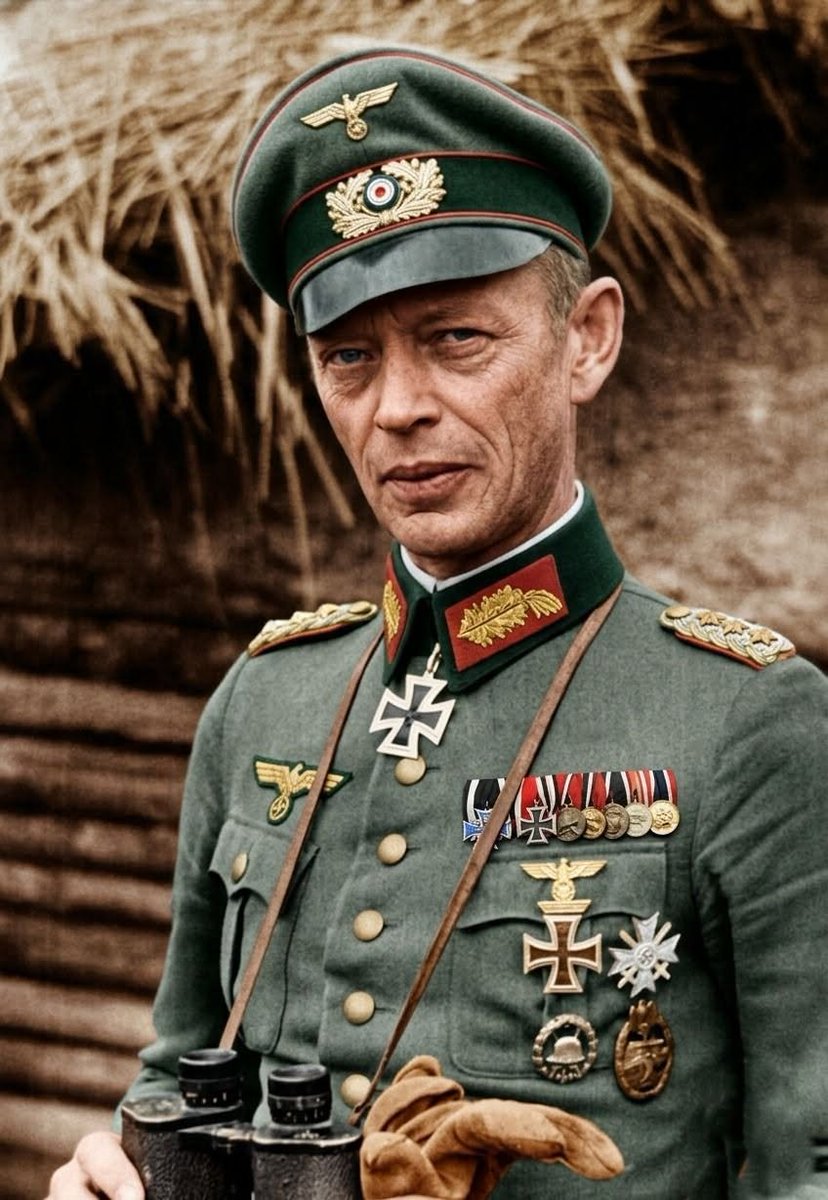
Gotthard Heinrici might be the most underrated German general of WW2. He was arguably the best defensive commander of the war, and most people have never heard of him.
He was small, quiet, and devoutly religious, which made him unpopular with the Nazi Party. His troops called him "our poison dwarf."
Heinrici spent most of the war on the Eastern Front, where he perfected a simple trick. When his intelligence signaled a Soviet offensive was coming, he would quietly pull his men out of the front line the night before. The Soviet artillery would spend hours pounding empty trenches. Then the attacking infantry would walk forward into his real defensive line, fully intact.
In late 1943 and early 1944, his 4th Army held off a series of major Soviet offensives near Orsha despite being badly outnumbered.
By March 1945, the Red Army was on the Oder River, about 50 miles from Berlin. Hitler had given command of the army group defending that sector to Heinrich Himmler, who had no real military experience and was out of his depth. Heinrici was brought in to replace him.
On April 16, Marshal Zhukov launched his assault on the Seelow Heights with one of the largest artillery barrages in history, backed by searchlights meant to blind the defenders.
Heinrici had done it again. He'd pulled his men back the night before. The barrage hit mostly empty ground. The searchlights reflected off the smoke and dust and blinded Zhukov's own troops. A battle the Soviets expected to win quickly took three days and cost them tens of thousands of dead.
But Heinrici had no illusions. The war was lost. He refused to throw away his men defending Berlin street by street, and kept steering his forces west so they could surrender to the Americans and British instead of the Soviets.
Hitler's high command relieved him of command days before the end.
He spent three years as a POW and lived until 1971. The man who made the Red Army pay for every mile to Berlin is barely a footnote today.
@May_Roma У нас у русских просто родовая травма после гражданской и Великой отечественной войны. А потом ещё жизнь в СССР наложила свой сильный отпечаток. Моя бабушка маленькой застала немецкие бомбежки Туапсе. Родители жили в СССР до 30, а потом случился 1991 и развал СССР.