🎸🕊️ Fallece Carlos "Indio" Solari, una de las figuras más influyentes del #rock argentino.
El cantante y compositor marcó a generaciones con su trayectoria al frente de Patricio Rey y sus Redonditos de Ricota, además de consolidar una exitosa carrera solista.
🎶 El músico, de 77 años, padecía #Parkinson desde hace más de una década.
#OnceNoticias 🔻
Cuántas birras se destaparán hoy, cuánto fernet derramado por saltar y poguear cada canción, cada rastro de voz que supo alegrarnos. Quizás no supimos entender la grandeza del Indio en vida, pero hoy alcanzó la inmortalidad. El dolor más puro es el de haber sido tan feliz.
Adiós, Indio. Gracias por haber hecho de la vida un lugar más lindo gracias a tus canciones, gracias a todo lo que representaste y vas a seguir representando. Se nos va una leyenda.
Adiós, Carlos Alberto Solari.
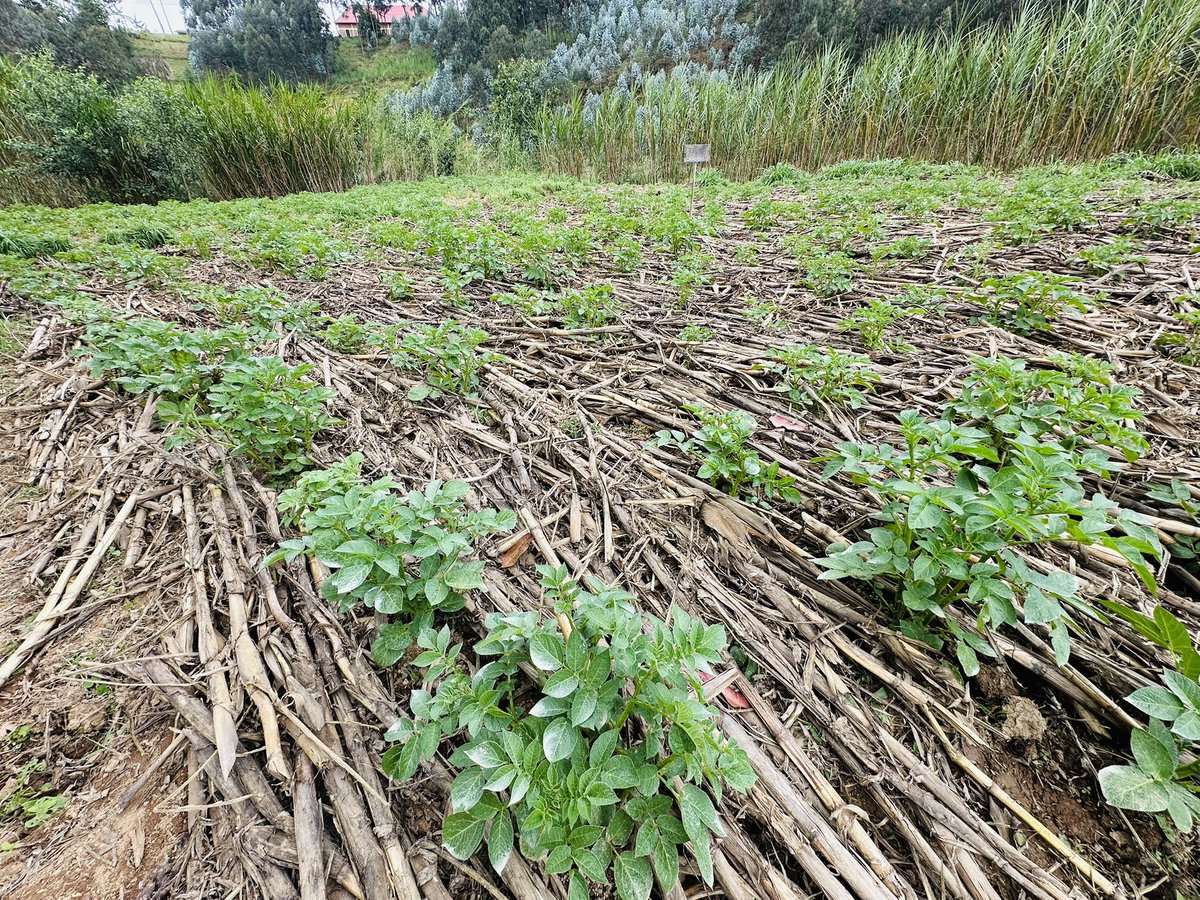
THIS IS WHAT REGENERATIVE AGRICULTURE LOOKS LIKE
At first glance, some farmers may look at this field and wonder:
“Why is the soil covered with crop residues instead of being clean and fully ploughed?”
The answer is simple: the soil is being protected.
What you see here is a potato field managed using Regenerative Agriculture practices. Instead of removing crop residues or leaving the soil bare, the farmer has covered the land with organic materials that act as mulch.
This natural cover plays a powerful role in restoring soil health.
It helps conserve moisture, suppress weeds, reduce soil erosion, and protect the soil from direct sunlight. As the mulch slowly decomposes, it adds organic matter and nutrients back into the soil, improving fertility naturally.
Beneath the surface, something even more important is happening. Earthworms, beneficial microorganisms, and other forms of soil life are working to improve soil structure and nutrient availability. This creates a healthier environment for crop growth and stronger root development.
The result?
✅ Healthier potato plants
✅ Better moisture retention
✅ Reduced weed pressure
✅ Lower production costs
✅ Improved soil fertility
✅ More resilient farming systems
This is the essence of Regenerative Agriculture, working with nature rather than against it.
Through the Power for Food Partnership (P4FP), farmers are being encouraged to adopt practices such as mulching, minimum tillage, crop rotation, compost use, and renewable energy solutions like solar-powered irrigation. Together, these approaches help farmers restore their soils, increase productivity, and build resilience to climate change.
The lesson from this field is clear:
A healthy harvest begins with healthy soil. And sometimes, the best way to grow more is to cover the soil, protect it, and allow nature to do its work.
The Power for Food Partnership is led by @SNVRwanda , and implemented by key partners:
@RccdnRwanda | @kilimoEAC | @peace_pdn | @epd_rwanda | @L4dRwanda
#P4FP #RA_PURE #RegenerativeAgriculture
The grass was greener
The light was brighter
The taste was sweeter
The nights of wonder
With friends surrounded
The dawn mist glowing
The water flowing
The endless river
Forever and ever