The Yen carry trade is dying.
Before April 2025, the USD/JPY currency pair showed a close correlation with the 10Y rate differential between US and Japanese bonds.
This was driven by investors borrowing in Yen to fund higher-yielding US Dollar assets through the carry trade.
That relationship broke down after "Liberation Day," when trade war uncertainty triggered a surge in market volatility and forced investors to unwind some of their carry trade positions.
Meanwhile, the 10Y Treasury note yield is now trading ~2.0 percentage points above the Japanese 10Y Government Bond Yield, falling -1.0 percentage point since April 2025, near the lowest gap since 2021.
Yet, USD/JPY continued to move higher as the US Dollar strengthened against the Yen, despite the narrowing yield gap, breaking away from the interest rate differential that historically drove the pair.
In other words, the carry trade is losing its influence, with the Yen no longer driven primarily by rate differentials as investors increasingly price in Japan’s heavy debt burden and rising debt servicing costs.
Japan’s rising debt costs are becoming impossible to ignore.
🇲🇦🇪🇸| À Reuters, un officiel marocain met en cause le LAXISME MIGRATOIRE dans l'appel d'air ayant conduit à l'incident de "Ceuta" :
« L’Europe 🇪🇺 nous demande d’empêcher les migrants de traverser, mais de l’autre côté 🇪🇸, ils déroulent le tapis rouge quand ils passent […] leur message c'est passez et vous serez protégés »
Le responsable marocain 🇲🇦 pointe en particulier la décision de la Cour suprême espagnole 🇪🇸, ayant interdit début juillet les refoulements des migrants arrivés par la mer, comme un facteur déterminant :
« La digue migratoire n’a pas cédé sous les passeurs, mais sous une décision de justice espagnole. Le Maroc, lui, n’a jamais failli à ses engagements et responsabilités. »
Cette décision a été « rapidement exploitée par les réseaux de trafic » opérant au Maroc 🇲🇦 et dans le reste de l'Afrique 🌍 et « bien connu des autorités espagnoles » qui « ne pouvaient pas ignorer qu’il fragilisait tout le dispositif ».
Et à la même source de s’interroger : « Est ce que quelqu’un a alerté le Maroc pour se préparer? Non! Quelqu’un a anticipé des conséquences pourtant très prévisibles? Non ! »
Le responsable marocain rappelle par ailleurs que sur les 5 dernières années, plus de 360,000 tentatives d’immigration clandestine ont été avortées par le Maroc 🇲🇦, avec près de 79,000 tentatives de passage irrégulières interceptées en 2024 et 74,000 en 2025.
Enfin, le Maroc 🇲🇦 affirme qu'il « n’avait ni assoupli les contrôles aux frontières ni réduit les déploiements de sécurité avant le passage massif de jeudi », rappelant le « déploiement d'environ 24,000 agents de sécurité le long de sa côte nord » ainsi que la « réadmission rapide des migrants qui entrent illégalement sur le territoire espagnol 🇪🇸 ».
« Si depuis des années, le flanc ouest de la Méditerranée est le moins problématique pour l’Europe, ce n’est pas parce qu’il n’est pas prisé par les réseaux de trafic d’êtres humains, mais parce que le Maroc a mobilisé efficacement des moyens considérables, et continue de le faire à ce jour ».
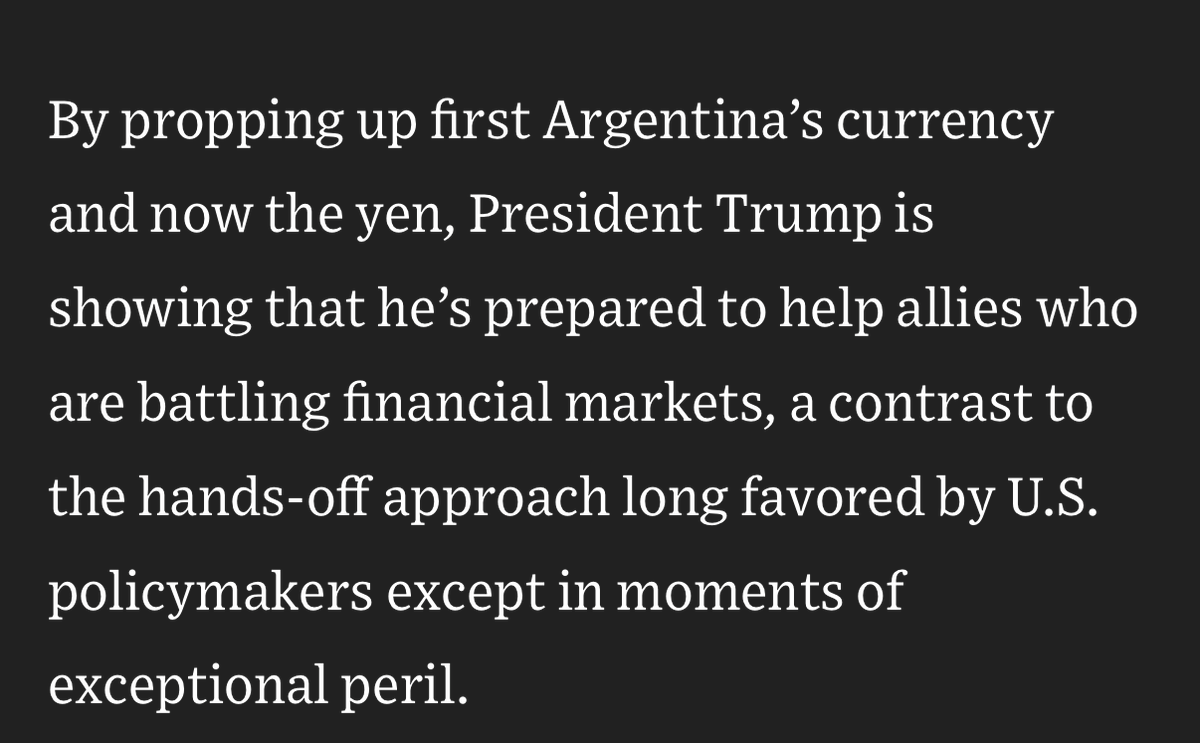
It’s unusual to see Japan and Argentina grouped together in the same economic story (as highlighted in the WSJ excerpt below). Yet,
Both countries have benefited from significant US foreign exchange market backing.
In both cases, currency intervention was accompanied by strong words of support from President Trump and Treasury Secretary Bessent.
Having said that, the similarities end there.
Japan’s economic and financial fundamentals are vastly different (stronger) from Argentina’s.
(I also suspect Japan doesn’t share Argentina’s enthusiasm for FIFA under its current leadership!).
#economy #markets #yen #japan @wsj
🚨 BREAKING: Japan's 2-year and 5-year bond yields just hit their highest levels in 31 years.
The 2-year is at 1.579% and the 5-year at 2.098%.
Both were near zero just two years ago.
Japan's bond market crisis keeps getting worse.
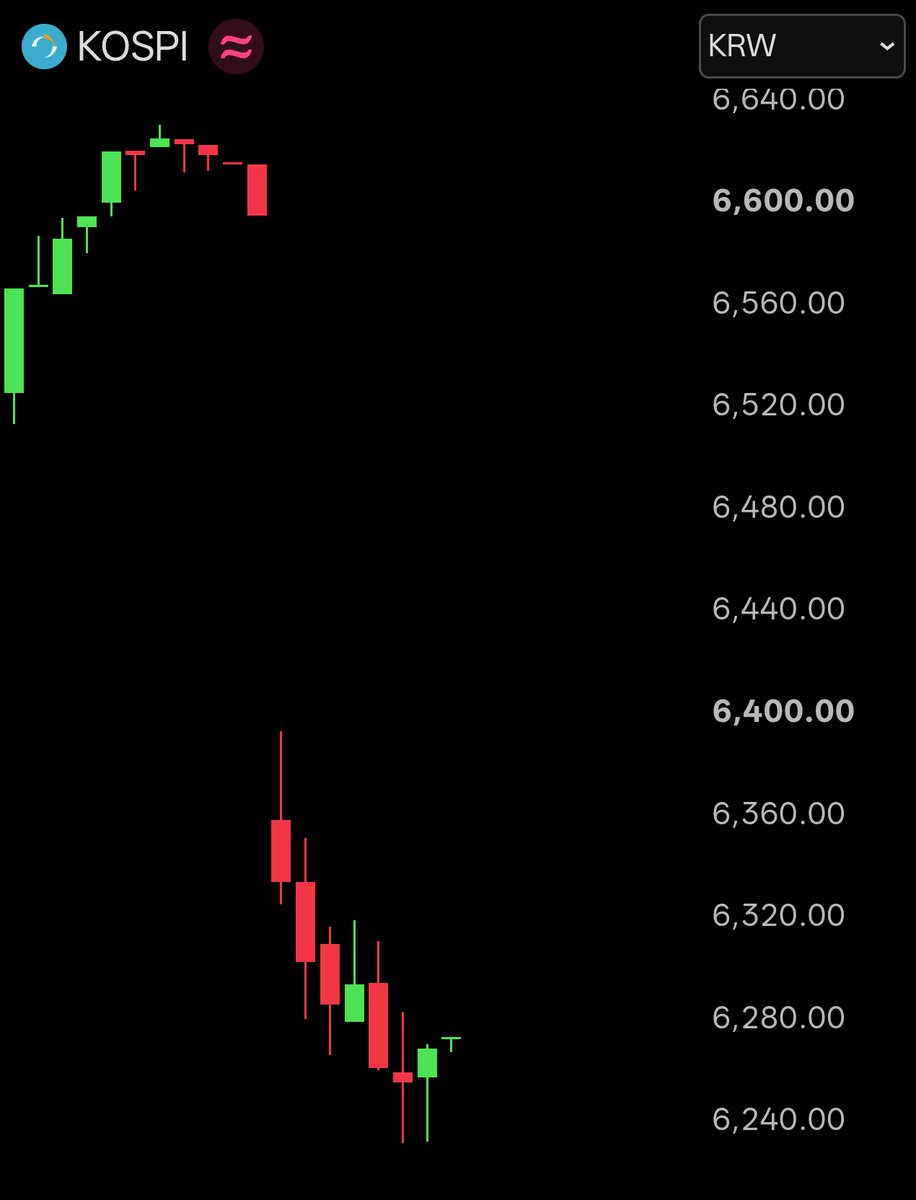
‼️South Korea's MARKET CRASH is the fastest and most severe in modern Asian market history:
The index has fallen ~38% from its June peak in just 27 trading days, before rebounding on Friday.
This is a deeper decline than any of the other 4 major Asian market crashes tracked over a comparable window, including the Asian financial crisis and the Global Financial Crisis.
On Monday, the market resumed its fall, with the KOSPI dropping as much as -5.5%.
Samsung and SK Hynix both fell about -9%, reversing part of the gains that saw them surge +27% and +30%, respectively, in Friday's record rally.
Foreign investors, who had purchased a record amount of KOSPI shares on Friday, drove Monday's reversal, selling -$698 million of Korean stocks in early trading.
China's rapid advances in AI and semiconductors, raising concerns about future competition for Korean chipmakers, added to the headwinds weighing on sentiment.
Truly unprecedented.
دوزت نهار كامل كنقلب ب OSINT على قضية سبتة، وتبعت القصة نقطة بنقطة من 8 يوليوز حتى 31 يوليوز.
بدات ب جملة ف صفحة جريدة محلية إسبانية، الساعة 13:01:52
من بعد 6 سوايع، ترجمات للعربية ف تيلكيل. الترجمة كانت صحيحة
من بعد 7 سوايع ونص، ��لع أول تعليق: "دابا واش لي شدوه غوارديا يدخلوه؟"
من بعد 10 سوايع، أول "vamos a espania".
من بعد 11 ساعة ونص، ولّات صورة زرقا بمعلومات غالطة كتدور ف صفحات الحريك.
من بعد 22 ساعة، ولّات فيديو ديال واحد كيشجع على الحريك و 424 ألف مشاهدة.
من بعد 23 ساعة، محامي إسباني شرح الحكم ف تيك توك و استعمل عبارة "alta mar" وترجموه من بعد للعربية
من بعد يومين، تزادو أفكار أخرى للقصة بحال ما غديش يرجعك إذا دخلتي للمياه الدولية، وحوايج أخرى ما كيناش في الحكم.
من بعد 4 أيام، فيديو بالدارجة كيشرح "القانون الجديد" وصل 1.3 مليون مشاهدة.
من بعد 10 أيام، بدات كتنتشر في فيسبوك "لي بغا يحرگ لسبتة ��وز الخاص"
من بعد 11 يوم، طلعات لائحة ديال المعدات لي خاصة باش تحرك كتدور في فيسبوك.
من بعد 18 يوم، تعليقات كتسول على شكون يمشي نهار الخميس لسبتة
من بعد 20 يوم، تدار گروب واتساب فيه 120 واحد، كيهدرو على كيفاش ممكن يديرو حريك منظم و المؤسسين ديالهم عندهم أرقام +213
من بعد 21 يوم، القنوات الإسبانية الكبيرة دخلات على الخط، وبينات نجاح الحريك ديال بنات ودراري وكل فيديو تشاف 5 مليون مرة
من بعد 22 يوم، عشرات الآلاف ف الحدود.
تبعت كل نقطة نهار بنهار، ولقيت شنو تكتب، شكون كبر هادشي آشمن مؤثرين بارطاجوها، شحال جمعات د المشاهدات...
كنفكر ندير فيديو معمّق على كيفاش كتنتشر ال misinformation إلا لقيت الوقت، وإلا غادي نكتبها هنا مقال كامل.
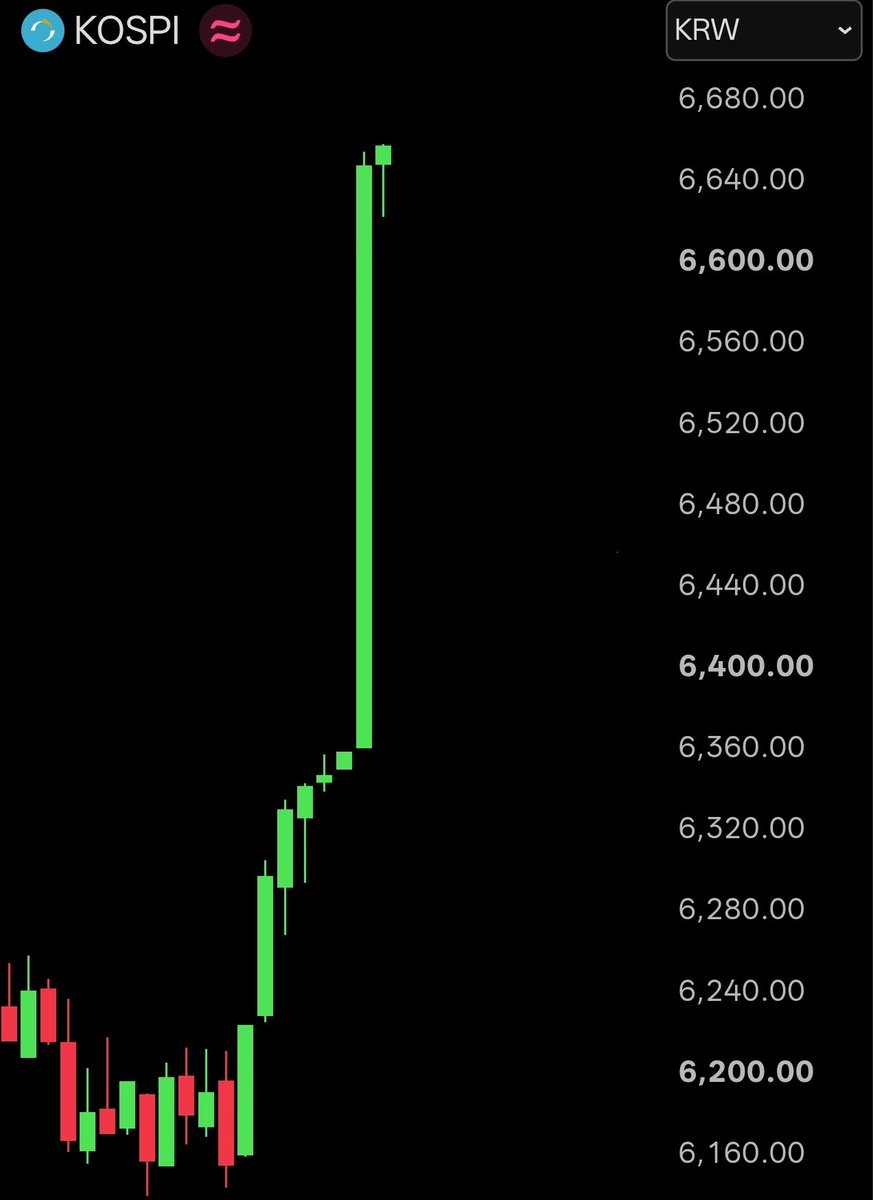
BREAKING: South Korean stock market halted program selling for 5 minutes.
KOSPI opened with a huge gap-down and crashed -5.5% after a historic rally on Friday.
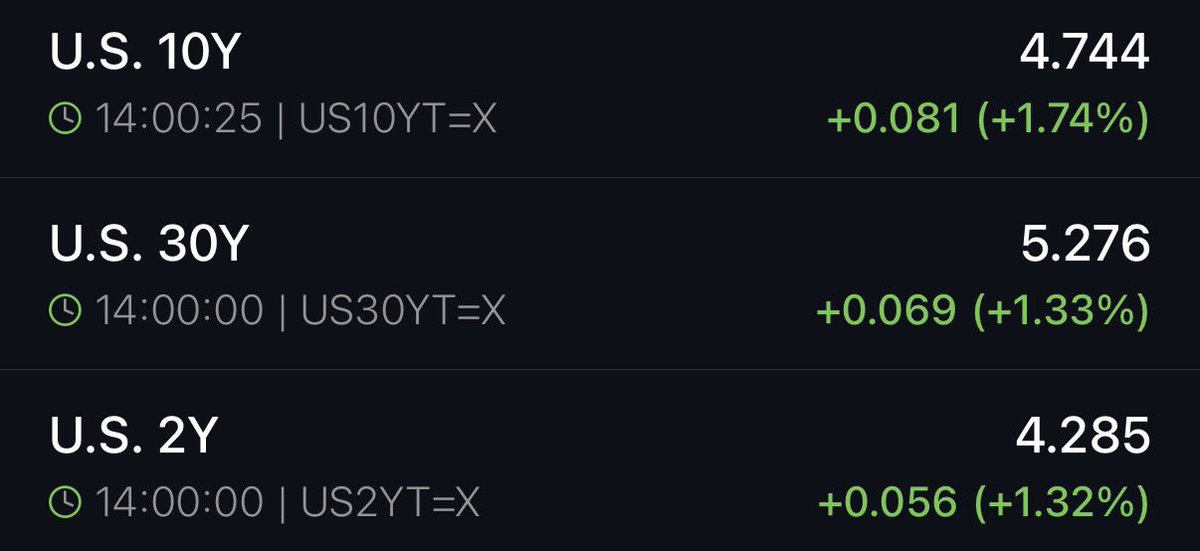
🚨 THE BOND MARKET IS CLOSING IN ON A CRITICAL CROSSOVER POINT.
Historically, when the 10-year Treasury yield was below 5%, rising yields often coincided with rising stock prices, usually because rates were increasing alongside stronger economic growth.
But once the 10-year treasury yield moves above 5%, the relationship flips.
Historically, higher yields above that level have been associated with falling stock prices.
The 10-year yield has now climbed to roughly 4.75%, up 57 basis points year to date as it closes in one the 5% crossover point.
« Attention avant de vous lancer dans un achat immobilier à deux. »
Cette phrase résume à elle seule toute la fragilité d’un projet qu’on croit toujours solide au départ.
Dans ce témoignage, Ghita Emtil, notaire, raconte l’histoire d’un couple fraîchement marié, venu la voir pour concrétiser l’achat de leur premier logement. Le crédit était prêt, les papiers avançaient, tout semblait aller dans le bon sens. Mais quelques semaines plus tard, tout s’est effondré : une séparation brutale, un divorce qui se passe mal, et une rétractation en urgence avant la signature.
Derrière les chiffres et les taux d’intérêt, il y a des histoires humaines, des couples qui se projettent trop vite face à une réalité parfois bien différente. Ce témoignage met des mots sur ce que beaucoup vivent en silence : l’immobilier, ce n’est jamais qu’une question de mètres carrés, c’est aussi une question d’engagement et de confiance.
Un récit brut, sur les coulisses d’un métier où l’on croise autant de bonheurs que de drames intimes.
#Alternatives
🚨 JAPAN IS RUNNING OUT OF OPTIONS.
The U.S. sold euros to buy yen in the first joint intervention in 15 years.
Japan already deployed nearly $59 billion.
Japan must choose: save the yen or risk a global recession.
🦔The US Treasury bought Japanese yen on Friday for the first time since 2011. But it didn't sell dollars to do it. The NY Fed sold euros and bought yen on behalf of the Treasury through Goldman Sachs and Morgan Stanley, according to the Financial Times. A Reuters photographer caught Treasury Secretary Bessent's notepad at a Camp David cabinet meeting. It read "To Do Buy Japanese Yen $5-10 bil." Japan spent $58.97 billion in a single day to defend its currency, the largest intervention in its history. In January, Bessent refused to help.
My Take
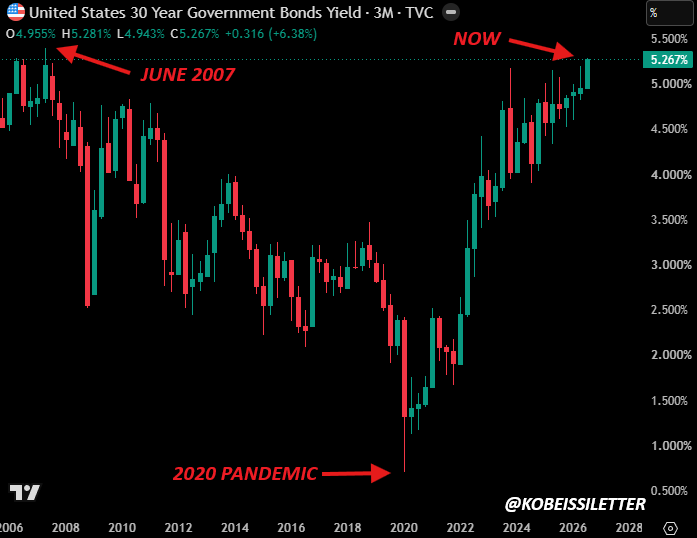
Japan holds $1.19 trillion in US Treasury bonds, the largest foreign holder on earth. When the yen falls this far, Japan sells those bonds to raise dollars and defend its currency. Every bond Japan sells adds supply to the US bond market and pushes yields higher. The 30-year yield hit 5.23% this week, highest since 2007. Your mortgage, car loan, and credit card APR all follow Treasury yields. The US sold euros to buy yen because if it sold dollars instead, that would weaken the dollar, which goes against US policy. So the euro took the hit and Europe didn't get a vote.
Bessent refused to touch the yen six months ago. Friday he bought it with euros through Goldman and Morgan Stanley. Japan also has access to the Fed's FIMA Repo Facility, which lets it borrow dollars against its Treasury holdings instead of outright sales. That could keep over a trillion in US bonds off the open market and hold yields where they are. Japan and the US may announce a joint currency policy as early as next week. A currency crisis in Tokyo just became a US fiscal priority because the chain from a weak yen to a higher American mortgage payment runs straight through the Treasury bond market.
Hedgie🤗
Ceuta/Sebta yesterday at 22:00 from port area to the Moroccan border. It is mostly calm with men and women walking. I didn’t record near the border, many soldiers present, I saw Moroccans still returning. All in all it feels very calm. I crossed the border in 20min. Moroccan side is heavily guarded too.
I'm being asked why the US broke a decade-plus policy of not interfering with the market-setting of exchange rates.
I suspect the drivers include:
Trade Competitiveness: Washington sees an excessively weak yen as a drag on American trade competitiveness, not just in bilateral trade with Japan but also in third markets across the globe.
Yield Concerns: In past solo interventions, Tokyo has tended to fund its yen purchases by selling US Treasuries, a move that inadvertently pushes bond yields higher and drives up domestic borrowing costs for the American government, companies, and households.
The upside for both countries is clear: This type of joint intervention carries a lot more weight, and markets are paying attention, at least initially.
The catch for the US? Washington has now signed onto a strategy whose ultimate success doesn't rest in its own hands. Instead, as discussed in previous posts, it hinges on a comprehensive policy alignment in Tokyo among the Bank of Japan, the Ministry of Finance, and the Prime Minister’s Office.
#economy #markets #japan #yen #currency #intervention #fx
🚨 HISTORIC ALERT: Washington just SOLD EUROS to BUY Japanese YEN in an extremely rare market intervention.
The U.S. is now acting as the BANK OF JAPAN!!
This is concrete proof the Reverse Carry Trade UNWIND is already underway and accelerating FAST.
Trillions in cheap yen-funded bets across the globe are about to get violently crushed. Markets are going to seize up, risk assets will cascade lower, and the pain will be brutal.
They wouldn’t do this unless they were 100% certain the RCT reverse is happening RIGHT NOW.
This is how the 2008 crisis started… but 10x worse.
Brace yourselves!!
Bessent is in panic mode... he intervened to support the yen.
To prevent Japan from selling even more US assets, he joined Japan in a massive coordinated intervention.
But instead of selling USD, the US sold EUR.
To keep this war going, the US has to bail out major holders of US assets to prevent them from selling... especially Treasuries.
The US simply can't afford this war, which is why it only escalates when markets are closed.
The bond market situation is crazy.
While everyone focuses on AI, US borrowing rates just hit the highest level since June 2007.
Credit card "serious delinquencies" are at the highest since 2010 and mortgage rates could near 8%.
What's happening? Let us explain.
(a thread)
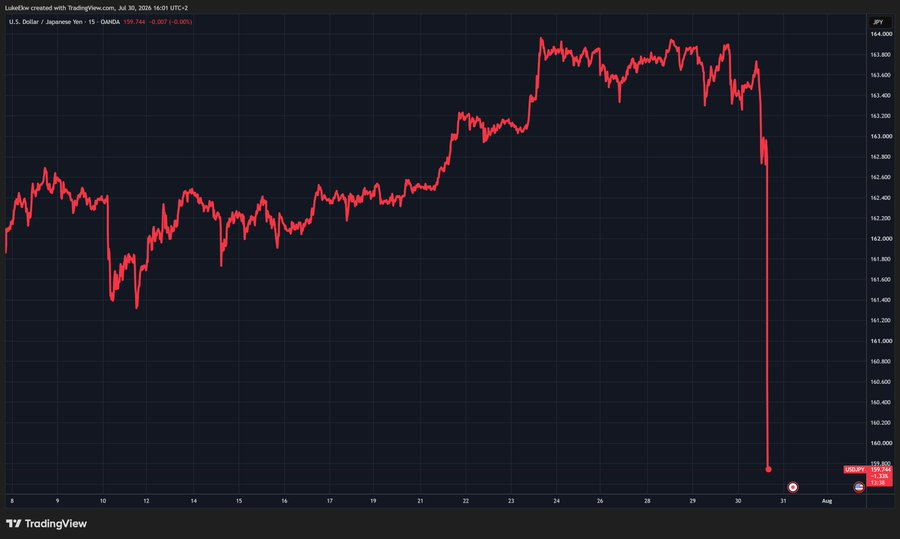
As the initial yen rally (post $50 billion intervention by the Japanese authorities) began to lose steam, the US stepped in with a late Friday assist, the second one in the last 24 hours (Bloomberg details below).
This helped the yen appreciate back after it had crossed 160 per US dollar.
The big question remains: Will this intervention hold?
#economy #japan #markets #yen
The bond market carnage just won’t stop.
Yields are moving in a literal straight-line higher.
At what point does the Trump Administration intervene or shift course?
It happened in April 2025 and can happen again.



![MoroccoIntel's tweet photo. 🇲🇦🇪🇸| À Reuters, un officiel marocain met en cause le LAXISME MIGRATOIRE dans l'appel d'air ayant conduit à l'incident de "Ceuta" :
« L’Europe 🇪🇺 nous demande d’empêcher les migrants de traverser, mais de l’autre côté 🇪🇸, ils déroulent le tapis rouge quand ils passent […] leur message c'est passez et vous serez protégés »
Le responsable marocain 🇲🇦 pointe en particulier la décision de la Cour suprême espagnole 🇪🇸, ayant interdit début juillet les refoulements des migrants arrivés par la mer, comme un facteur déterminant :
« La digue migratoire n’a pas cédé sous les passeurs, mais sous une décision de justice espagnole. Le Maroc, lui, n’a jamais failli à ses engagements et responsabilités. »
Cette décision a été « rapidement exploitée par les réseaux de trafic » opérant au Maroc 🇲🇦 et dans le reste de l'Afrique 🌍 et « bien connu des autorités espagnoles » qui « ne pouvaient pas ignorer qu’il fragilisait tout le dispositif ».
Et à la même source de s’interroger : « Est ce que quelqu’un a alerté le Maroc pour se préparer? Non! Quelqu’un a anticipé des conséquences pourtant très prévisibles? Non ! »
Le responsable marocain rappelle par ailleurs que sur les 5 dernières années, plus de 360,000 tentatives d’immigration clandestine ont été avortées par le Maroc 🇲🇦, avec près de 79,000 tentatives de passage irrégulières interceptées en 2024 et 74,000 en 2025.
Enfin, le Maroc 🇲🇦 affirme qu'il « n’avait ni assoupli les contrôles aux frontières ni réduit les déploiements de sécurité avant le passage massif de jeudi », rappelant le « déploiement d'environ 24,000 agents de sécurité le long de sa côte nord » ainsi que la « réadmission rapide des migrants qui entrent illégalement sur le territoire espagnol 🇪🇸 ».
« Si depuis des années, le flanc ouest de la Méditerranée est le moins problématique pour l’Europe, ce n’est pas parce qu’il n’est pas prisé par les réseaux de trafic d’êtres humains, mais parce que le Maroc a mobilisé efficacement des moyens considérables, et continue de le faire à ce jour ».](https://pbs.twimg.com/media/HO1VBKgX0AEu5ie.jpg)