📢A casi un mes de la agresión contra la periodista y #defensora, Estefanía Galicia Argumedo, seguimos exigiendo su incorporación al @Mecanismo_MX.
Las medidas de protección y prevención son necesarias para evitar que los ataques se concreten en violencias más extremas.
¡Justicia para Estefanía Galicia‼️
👇🏽
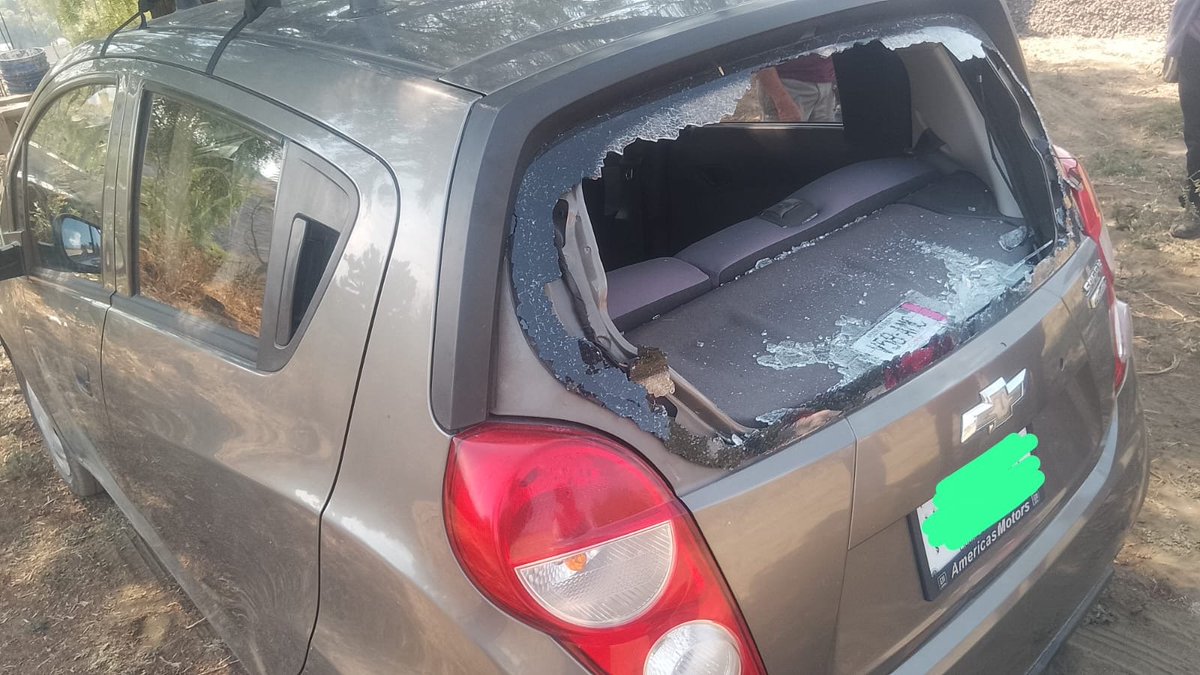
📢 Disparan con arma de fuego al domicilio de Estefanía Galicia, periodista de Radio Zapote y defensora de derechos humanos.
Estefanía centra sus coberturas en temáticas medioambientales y delitos como la extorsión que se viven en #Xochimilco:
🔗 https://t.co/rtWY7NHedZ
¡Alerta!
Desde la digna rabia denunciamos las agresiones hacia nuestras compañeras y compañeros de San Gregorio Atlapulco.
Exigimos paren las violencias y hostigamientos hacia quienes buscan un bien común.
COMUNICADO URGENTE - 14/04/2026
Denunciamos agresiones a integrantes de la Asamblea Gral. Permanente del Pueblo de San Gregorio Atlapulco por parte de operadores-golpeadores políticos morenistas (...)
#atlapulco#urgente#xochimilco#denuncia#comunicado
https://t.co/1u6GmKRPsD
📍MÉXICO
🚨 Recibimos información preocupante sobre agresiones físicas en contra de la defensora de derechos humanos Hortensia Telésforo y otros integrantes de la Asamblea Permanente de San Gregorio Atlapulco en Xochimilco, CDMX.
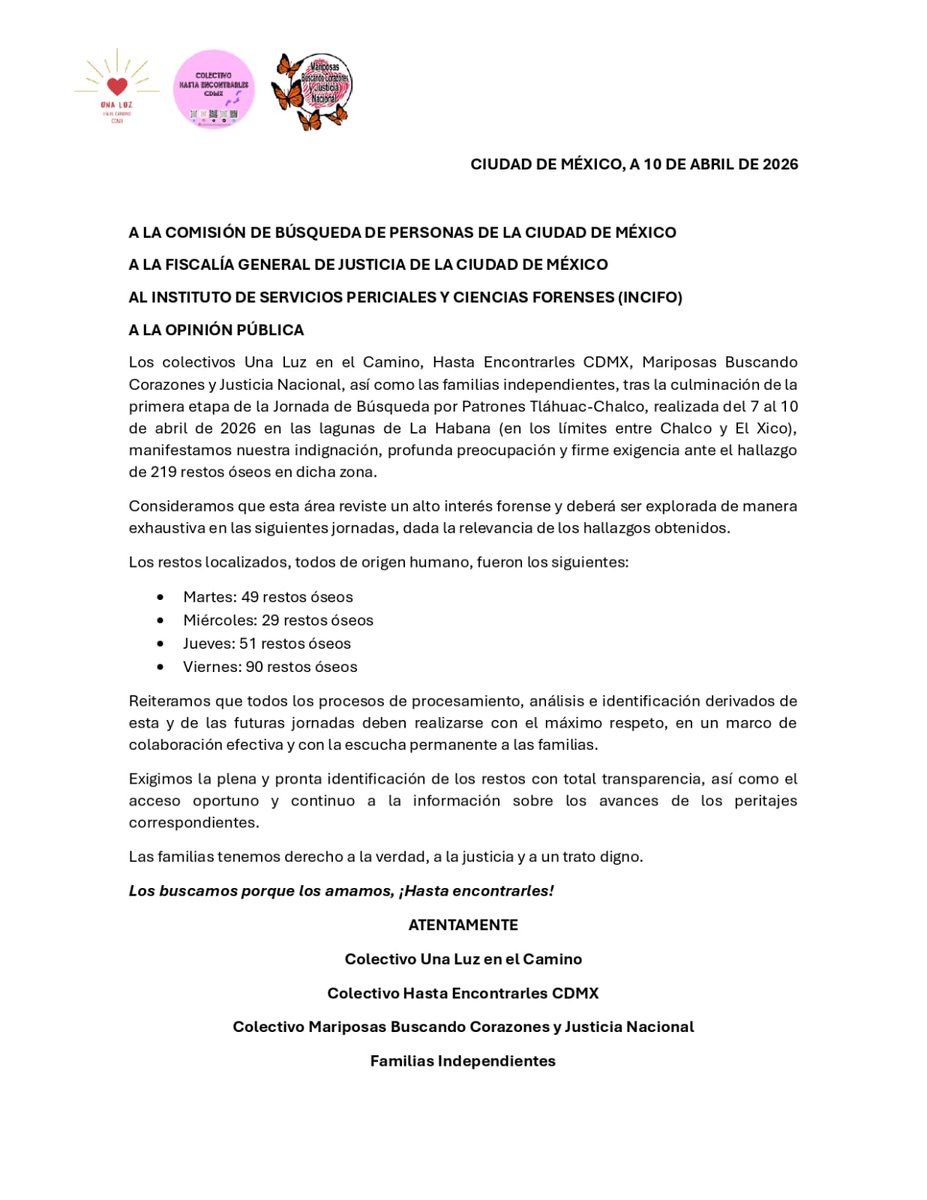
📢 COMUNICADO
Durante la Jornada de Búsqueda Tláhuac-Chalco localizamos 219 restos óseos de origen humano
Exigimos procesos de identificación claros, transparente y con acceso real a las familias.
Esta zona debe seguirse explorando exhaustivamente.
#Hastaencontrarles
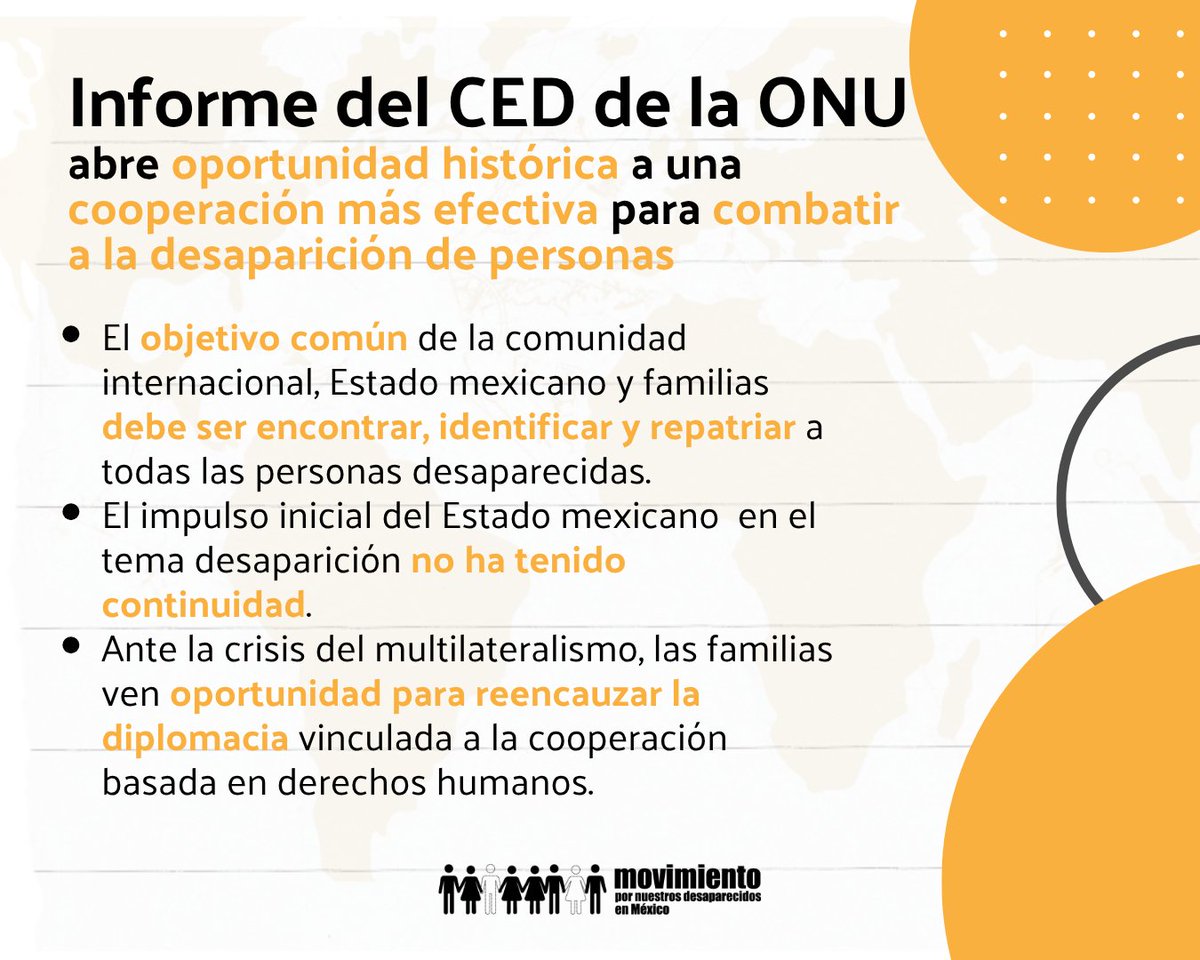
Hoy, la ONU ha encendido una alerta que no puede ignorarse. El informe del Comité contra la Desaparición Forzada no es una amenaza para México: es una oportunidad histórica. Una oportunidad para escuchar, corregir y actuar.
Miles de familias Seguimos esperando respuestas. Seguimos buscando. Seguimos resistiendo.
Reconocer la gravedad del problema no debilita al Estado. Lo fortalece. Es momento de dialogar para actuar, porque encontrarles no puede seguir esperando.
Conoce el comunicado completo del MNDM: https://t.co/1XzmlPeqsX
#HastaEncontrarles #DesapariciónForzada #DerechosHumano #SinLasFamiliasNo
@Claudiashein@SEGOB_mx
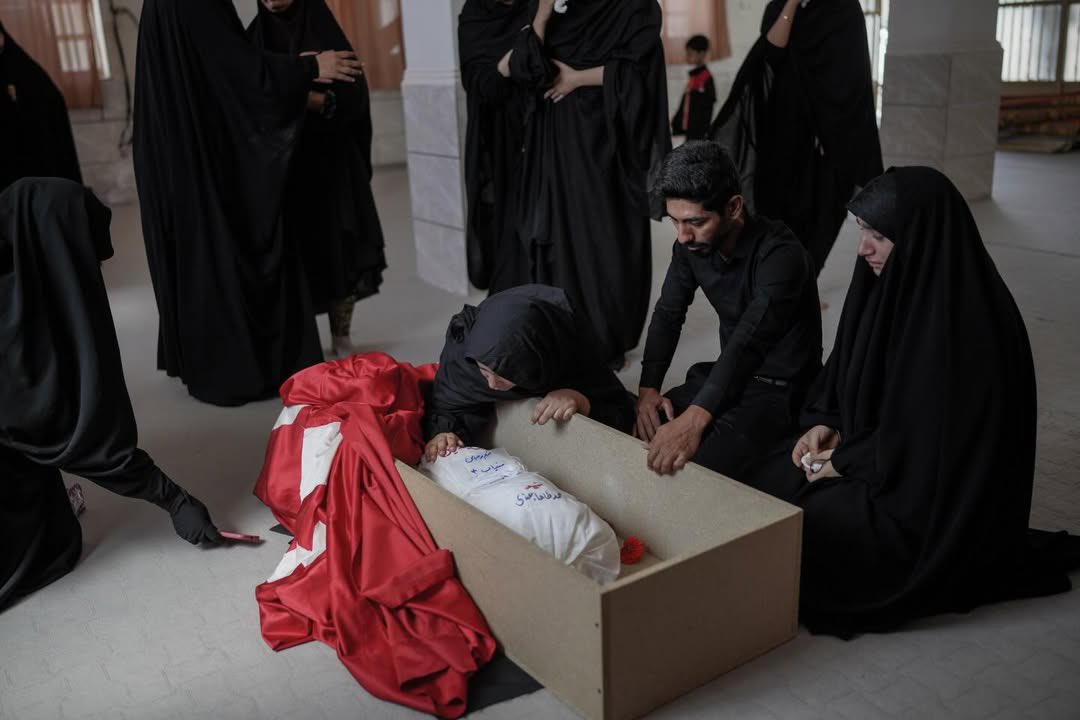
Raha was one of the schoolgirls from Minab who was killed in a US double tap strike in Iran.
Raha was found twice.
The first time was by her father, Reza Zarei as he rummaged through rubble, dust, and body parts in the chaotic minutes after missiles struck the Shajareh Tayyebeh Elementary school in Minab. Raha’s body was limp and half of her face was covered in blood.
The second time, two days later, in a morgue.
Raha’s aunt, Farzaneh Bastami had begged to wash the lifeless body herself, a last act of care for her 7 year-old niece whom she had loved so dearly. But the traditional burial washers told her they’d be doing the washing later instead. They would cleanse Raha with soap and water, recite prayers over her, and wrap her small body in white cloth.
Still, Bastami moved through rows of the dead, lifting shrouds one by one, hoping for a last glimpse of her niece. There were children without limbs. Bodies without heads.
And then finally Raha.
Raha, with her thick curly hair and contagious laugh, was an only child. Her mother, Fariba, had prioritized her career as a midwife for 15 years before she met Reza, a salesman, through one of her colleagues. Neither of them had been sure they would ever have children; when Raha was born, she became the center of their world.
Photos by Mohammad Mohsenifar
Today's videos of Iranian villagers grabbing rifles to fire at US helicopters are a reminder that resistance is not an organisation that can be destroyed but a fundamental human disposition in the face of invasion and occupation, which transcends time and place.
It was precisely this disposition that gave rise to the Islamic Revolution, which was at one and the same time a revolt against internal tyranny and a war of liberation against American imperial power in Iran, and it is the same disposition that produced Hizbullah in South Lebanon.
This is why Hizbullah’s “Islamic Resistance”, with a capital R, should not be understood as a singular bounded political project, but as the most recent historical expression of resistance with a small r, of resistances in the plural, each the historically specific expression of a condition that recurs wherever occupation does.
That this disposition is recognised in international law through the peremptory right of peoples to self-determination is therefore worth noting, not least because international law was constructed by the colonial powers whose occupations made resistance necessary in the first place. Yet mass resistance across the Global South forced its recognition as jus cogens, a norm extracted from below rather than granted from above.
Seen in this light, the question of whether Hizbullah can be disarmed or destroyed misses the deeper point. Even in the most implausible scenario where Hizbullah were militarily eradicated what would remain would not be a pacified population but an occupied one, and occupied populations resist even when some or even most of the population choose neutrality or accommodation. Those who accommodate do not nullify the sovereign disposition of those who refuse; they merely miscalculate that submission offers survivability. But even in the unlikely scenario where survival could be guaranteed, resistance would still emerge, because occupation demands not only material submission but the relinquishment of dignity and the right to determine the conditions of one’s collective existence and future, which is the essence of sovereignty.
The specific form, organisation, and ideology through which resistance expresses itself may change. In South Lebanon and Iran, however, that logic has taken a form particularly resistant to dismantlement, rooted not only in weapons but in the collective memory of communities shaped by occupation and in the Karbala paradigm that transforms martyrdom into a forward-looking act of sovereignty, neither of which can be proscribed or dismantled.
El mismo acuerdo nacional para borrar homicidios de las estadísticas lo quieren aplicar ahora para las desapariciones. El espíritu de “la barredora” del CJNG elevado a política de estado sobre registros y cifras.
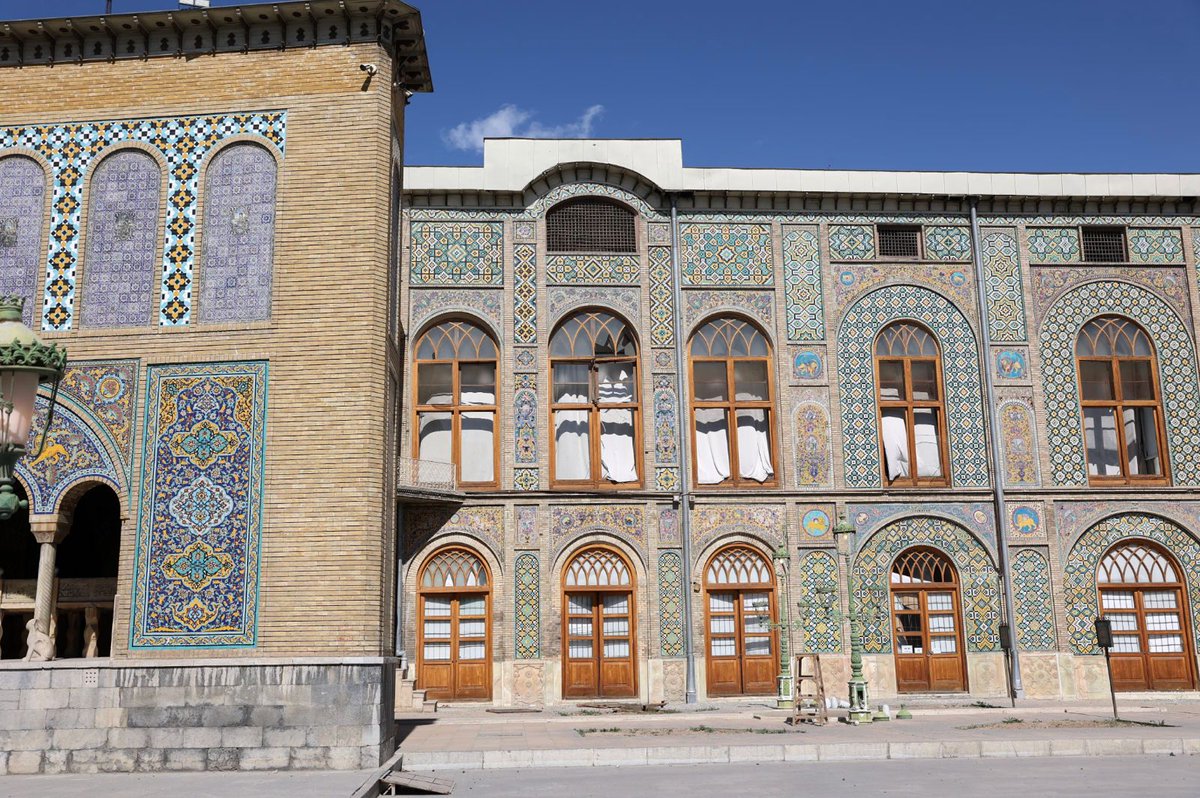
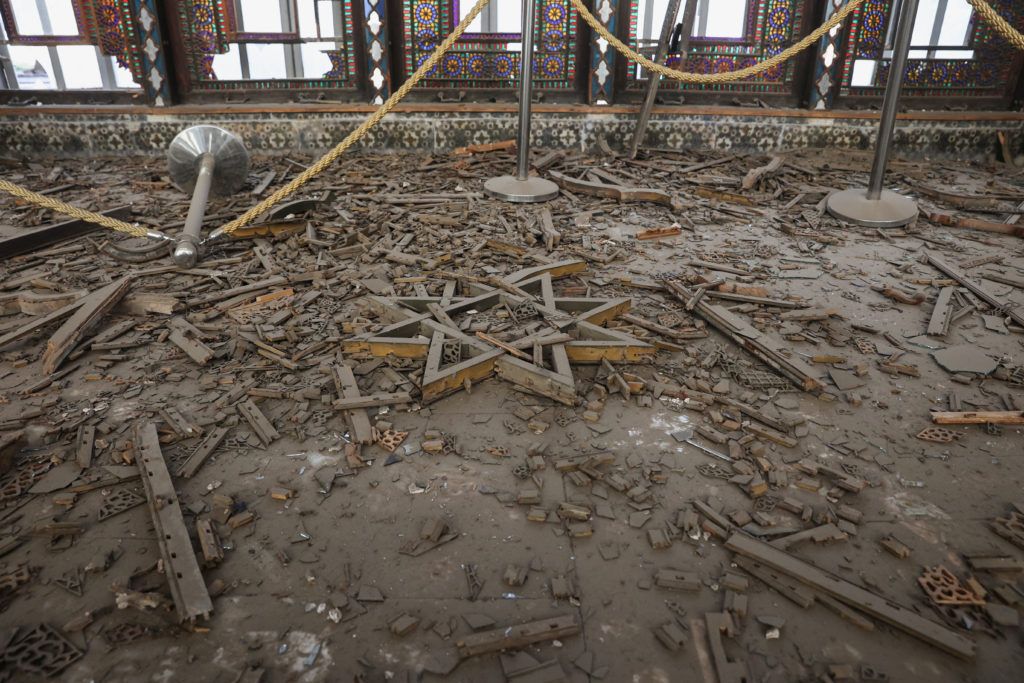
🇮🇷 Iran is calling for an emergency UNESCO meeting after U.S.-Israeli strikes damaged some of the world's most protected heritage sites.
The sites most likely on the damage list: Golestan Palace in Tehran, Chehel Sotoun Palace in Isfahan, the 1,000-year-old Jameh Mosque, and prehistoric cave sites in Khorramabad.
These are irreplaceable buildings.
Source: @PressTV
@PeynsaertBill :" Isfahán es 2700 años más antigua que Washington. Algunas de sus características más impresionantes:
• Plaza Naqsh-e Jahan: una de las plazas más grandes de la Tierra, rodeada de una arquitectura impresionante.
• Mezquitas safávidas (Imam y Sheikh Lotfollah): algunas de las cúpulas y trabajos de azulejos más intrincados jamás creados.
• Puentes como Si-o-se-pol y Khaju: no son solo puentes, sino vida social, poesía y atmósfera plasmadas en piedra. • Gran Bazar de Isfahán: una red comercial centenaria que aún sigue activa, donde se venden alfombras y se exhiben artesanías de gran calidad.
• Arquitectura persa-islámica en general: toda la ciudad parece un museo viviente de diseño de nivel imperial. Una vez más, los líderes estadounidenses optan por destruir aquello que la civilización estadounidense no puede producir."
❤️
@IvanTewari@TxemaBatzuetan@MNdAntropologia@MuseoMAX No pues no es lo mismo el Museo del despojo genocida de Londres que el MNA en México pero este aún esta muy lejos de dejar de ser ese engendro colonial execrado de aquellos museos imperiales del que solo pueden estar orgullosos mexicanos blanqueados inconscientes de si mismos.
@IvanTewari@TxemaBatzuetan@MNdAntropologia@MuseoMAX Ese INAH que no reacciona, ni actúa, ni responde si levantan torturan y ejecutan a alguno de sus estudiantes de la ENAH, o si sufren brutales torturas sexuales a manos de Federales, o golpizas brutales a manos de granaderos o encarcelamiento político de horas o 1 año o 5 años?