Dreams don’t varnish, they wait. Sometimes, life gives us a nudge when we least expect it. That morning, Alice took a step she didn’t realize she was ready for.
https://t.co/3KNCm9lxYK
Starting something new: #100DaysOfEditorial 🎨 [DAY 0]. They say, “Form follows function,” but what if the function is pleasure? I’m about to find out.
To keep this journey fun (and avoid the creative chaos), I’ve enlisted ChatGPT to be my guide. Ready to see what unfolds?
Now picture Jane. She spends 20 mins filling out the form, only to realize she needs docs she doesn’t have. Her progress is gone when she returns. 😩 The language doesn’t show us her frustration—only the data point of "low success."
Take something like: “The multi-step inquiry form has a low success rate.” Sounds polished, but what’s the real issue? Is the form too long? Frustrating? Do users feel like it’s easier to call than submit? 🤷♀️
Professional language has its place—it helps organize and keep things efficient. But when language becomes too refined, it can abstract away the real problem and make it hard to connect with the people behind the data. #DesignThinking#humancentereddesign
Ever sit in a meeting and hear “Let’s leverage synergies” and think… "What does that really mean?" 🤔 Let’s talk about how complex language can distance us from solving real problems. 🧵👇 #Communication#UX#Empathy
That the most powerful (& affordable) driver of product growth is surprise, delight, and intrigue. People don’t rave about a product doing what they expected, they rave about it doing something they didn’t expect. (think Tesla’s games, easter eggs in games…). Prioritize this!
That the best way to review a product experience is to ask 3 questions on EVERY screen: “how did I get here?” “what do I do now?” “where do I go next?” — these questions will reveal flaws in object model, UX, onboarding, and orientation.
That perceived performance matters more than actual performance (perception is reality when it comes to UX!), and can be achieved as much by designers than engineers. 👀
You know that iconic scene, at the end of The Matrix when Neo suddenly “gets it” and picks bullets out of thin air as if they are cute and curious little things? Been thinking: what’s the equivalent of “seeing the matrix” for product leaders?
10+ Realizations that come to mind:
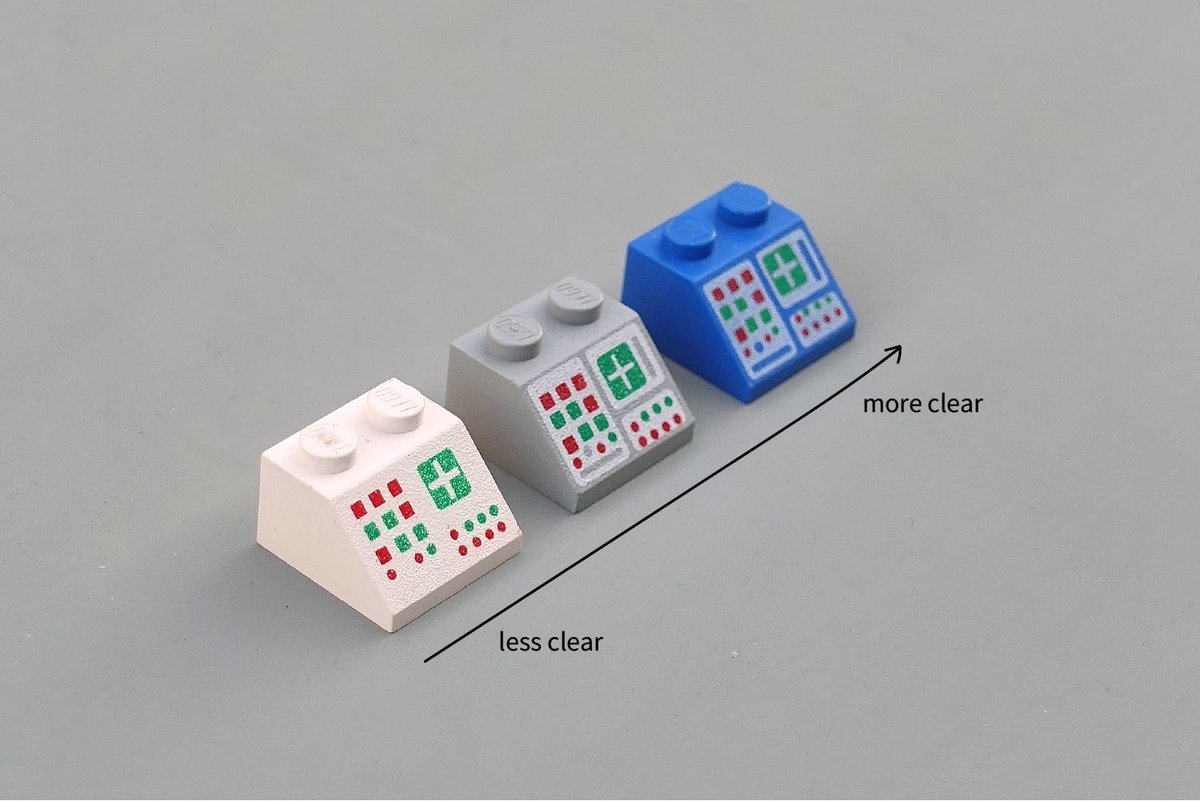
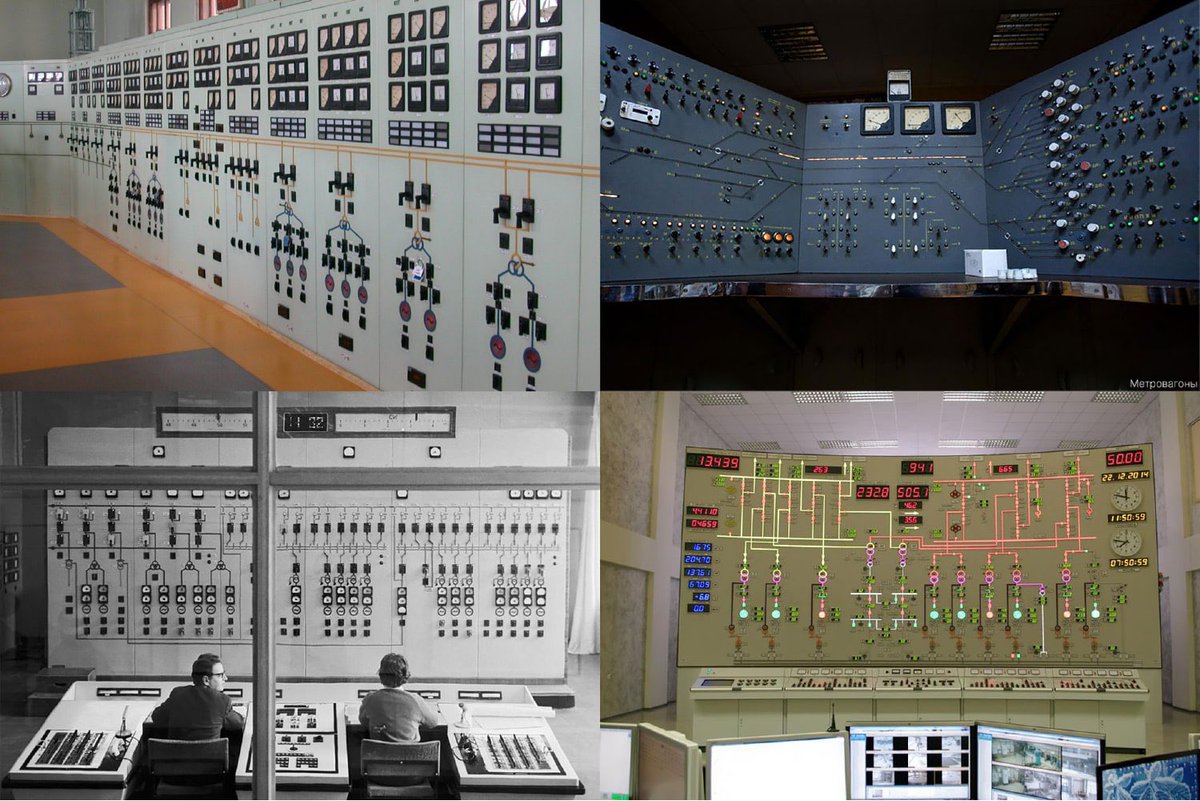
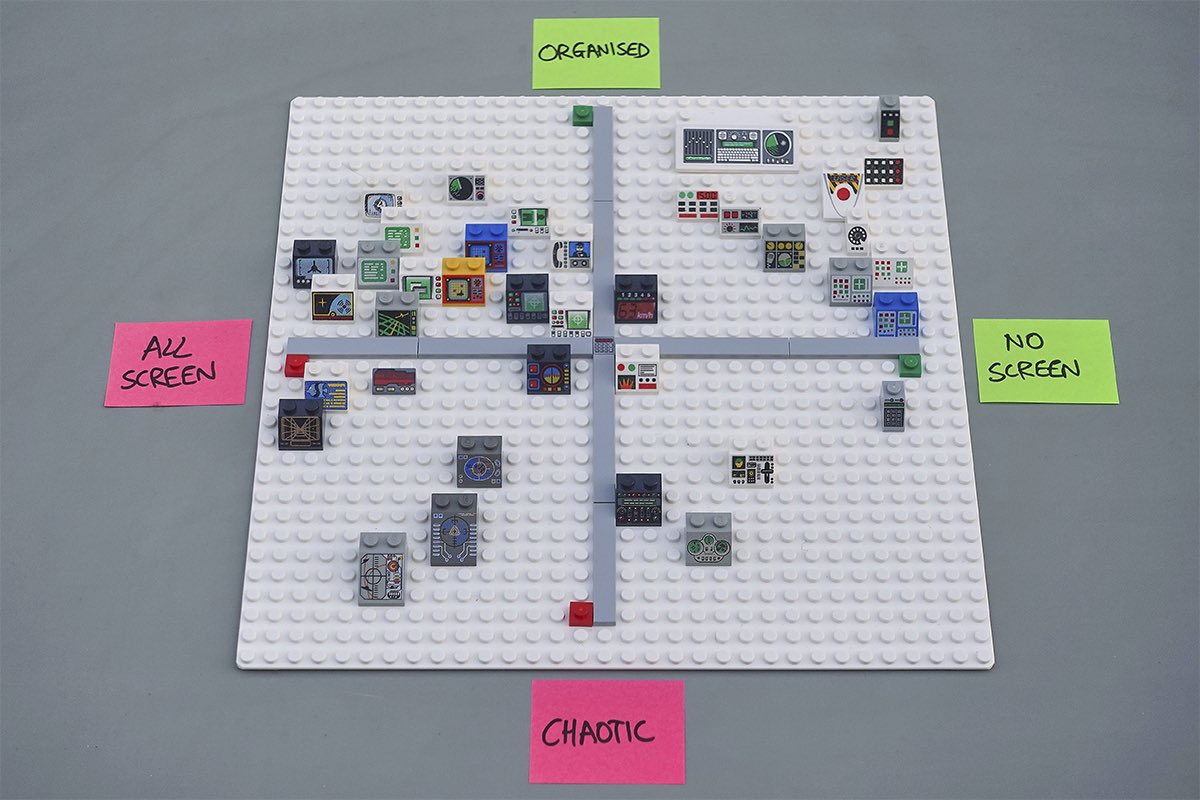
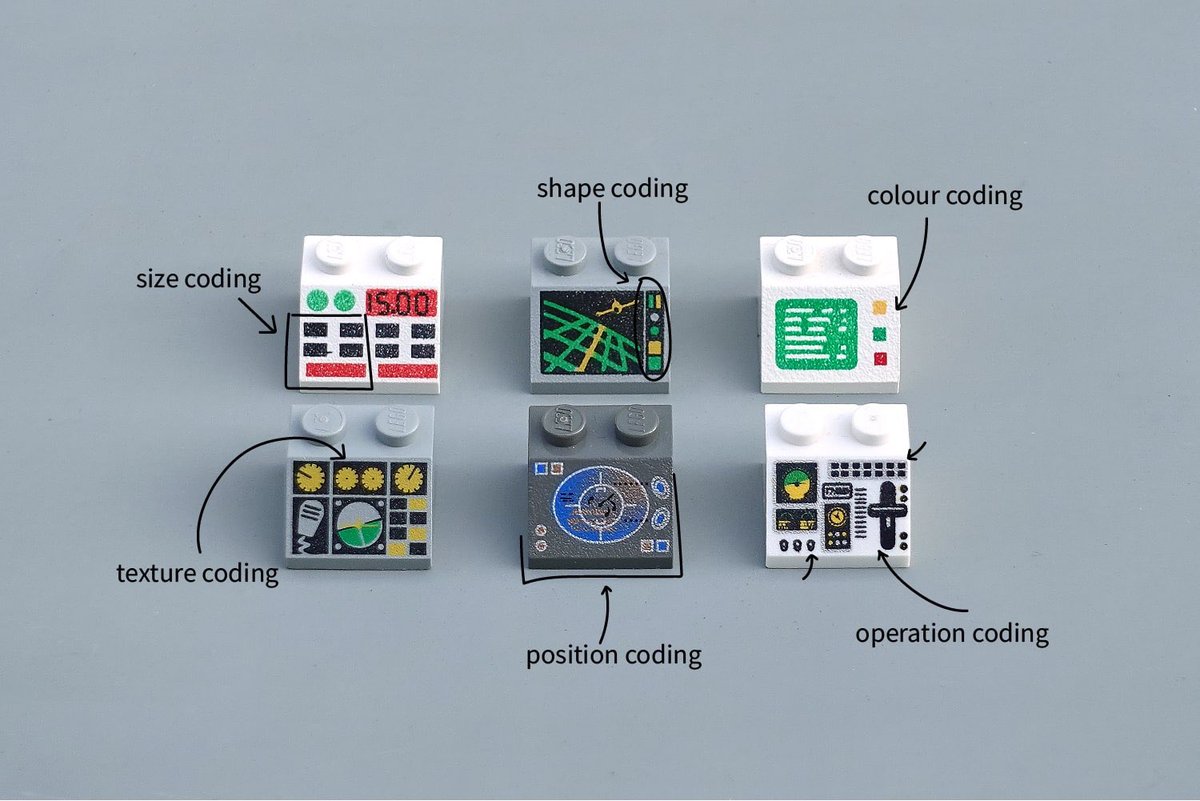
If you want a nice introduction to the history and principles of UX design, this article illustrates these ideas using LEGO interface panels (the 52 unique bricks with screens & controls on them that go into LEGO vehicle) compared to real examples. https://t.co/U2KaFU05R9




![tasharonyc's tweet photo. Starting something new: #100DaysOfEditorial 🎨 [DAY 0]. They say, “Form follows function,” but what if the function is pleasure? I’m about to find out.
To keep this journey fun (and avoid the creative chaos), I’ve enlisted ChatGPT to be my guide. Ready to see what unfolds? https://t.co/ekUYM48chd](https://pbs.twimg.com/media/GZYcPc1XEAAFjB8.jpg)