I help you learn, build & land better software jobs • Lead Full Stack Engineer • Career Coach • 100K+ learners • Building Sefism • DM for collabs & promos
Resume not getting shortlisted?
The short answer 👇
If your resume is not getting shortlisted, you are not alone, and it rarely means what you fear. A resume not getting shortlisted is almost never about your ability, and almost never a robot.
In my experience it is one of three things:
The resume does not show evidence that you can do the job, it does not match the specific role you applied for, or it only ever travels through the most crowded channel there is, the "Apply" button on a popular job post.
A student in the final year of a master's in computing wrote to me recently. Excellent grades, top of the classification scale, a clear goal of working at a large tech company, and one line describing the problem: "Can't get resume shortlisted."
I hear a version of this every week, from fresh graduates in Lahore and Karachi, from developers with two or three years of experience, and from people who have just moved to a new country and suddenly hear nothing back.
This article explains how resume screening actually works in 2026, why capable people get filtered out, and exactly what to change. It ends with a four week plan and a checklist you can run before you send your next application
read here: https://t.co/JtkJiIfDfz
𝗦𝘆𝘀𝘁𝗲𝗺 𝗗𝗲𝘀𝗶𝗴𝗻: 𝗪𝗲𝗲𝗸 𝟭-𝟱 𝗧𝗼𝗽𝗶𝗰𝘀 𝗘𝘅𝗽𝗹𝗮𝗶𝗻𝗲𝗱
Each topic is linked with detailed explanations to help you go deeper.
System Design Roadmaps/Cheatsheets
→ System Design Roadmap: https://t.co/RjuQMaYCak
→ System Design Cheatsheet: https://t.co/lxiShjOKNL
System Design Survival Roadmap (Week1 topics):
→ Scalability: https://t.co/rZvkebtJPG
→ API Gateway: https://t.co/VmWa3yLmUR
→ Load Balancing: https://t.co/ZRpe8JA8PQ
→ Caching: https://t.co/sMCU9WyjuA
→ CAP & PACELC Theorems: https://t.co/TcZFoi6ci7
→ Bloom Filters: https://t.co/k7LWXYR9tu
System Design Survival Roadmap (Week2 topics):
→ Databases: https://t.co/e4a6ZdnVRN
→ Data Modeling: https://t.co/8WeIWCui7A
→ Partitioning & Sharding: https://t.co/ePP0qfPEYM
→ Redundancy & Replication: https://t.co/W5KzBzXUgk
→ Data Distribution Patterns: https://t.co/35CC13P7oR
System Design Survival Roadmap (Week3 topics):
→ Networking: https://t.co/dNuqExfqcS
→ REST: https://t.co/t3zh8Gdyog
→ gRPC: https://t.co/qfHbfsQXtm
→ GraphQL: https://t.co/P2ddQRn0qM
→ DNS & Proxies: https://t.co/NFwh0LHDBO
→ WebSockets & Polling: https://t.co/bE7h4G9rnk
System Design Survival Roadmap (Week4 topics):
→ Distributed Systems: https://t.co/z3fNZAkZBJ
→ Consistency Models: https://t.co/ha3LieIPzM
→ Quorum: https://t.co/ZEzpDGNA4r
→ Leader / Follower :https://t.co/ihiaWmrsiH
→ Merkle Trees: https://t.co/1N6QQoa80q
→ Consistent Hashing: https://t.co/wnvbty10bT
System Design Survival Roadmap (Week5 topics):
→ APIs: https://t.co/jwfySF81OJ
→ API Architectural Design: https://t.co/9QnpDgOGfQ
→ Architectural Design Patterns : https://t.co/D5Tdifa01O
→ Microservices Architecture: https://t.co/AoSLbjNr1l
→ Microservices Patterns: https://t.co/M63A4nY7s7
→ Architectural Patterns Comparison: https://t.co/4ZgshO8lY1
I've also built Sefism, a free platform helping engineers learn, build projects, and grow their careers. It's been a rewarding way to help 100K+ learners navigate the industry.
I know you are struggling with life & careers but I am here to help you: https://t.co/VRXck7vgYR
♻️ Repost to help someone: prepare system design interviews
➕ Follow me (Tauseef Fayyaz) for more
#systemdesign #coding #interviewtips #softwareengineering
OpenAI’s statement is carefully worded. The criminal complaint and DOJ statements provide additional details worth understanding.
Here’s what has reportedly happened.
The individual accused is Abdulrahman Alfozan, 35, a Saudi national and engineer on OpenAI’s product team who joined in July 2025.
According to the criminal complaint filed in the Northern District of California:
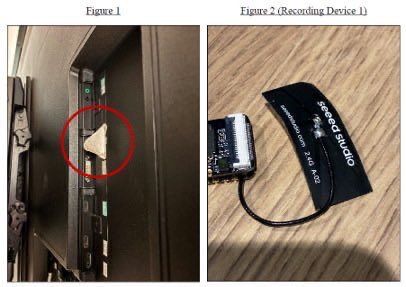
🔹 A concealed recording device: On September 30, OpenAI’s technical surveillance team discovered an encrypted audio recording device plugged into a USB port behind a TV in an executive conference room. It was allegedly concealed in toilet paper and installed around September 28.
🔹 Access to sensitive meetings: The room was used for confidential technical, commercial, and strategic discussions. Prosecutors allege Alfozan had no authorization to access the room or attend meetings there. CCTV reportedly captured him near the room on multiple occasions.
🔹 A second device: On October 5, he allegedly entered the room and appeared to look behind the TV. The same day, he reportedly left an unattended bag in another room containing his wallet, identification, and a second similar recording device.
🔹 Prior research: Before the alleged installation, he queried internal tools for building addresses, meeting rooms, room capacities, calendars, and the locations of leadership and external partner meetings.
🔹 AI-assisted preparation: Between September 24 and 30, a chatbot account linked to his spouse reportedly submitted prompts about building a continuous audio recorder, encrypting an SD card, concealing the device, enabling Wi-Fi and remote access, and identifying the device’s MAC address.
The charge: Using or attempting to use a device to intercept oral communications under 18 U.S.C. § 2511.
If convicted, he faces a maximum of five years in prison, a $250,000 fine, and three years of supervised release.
He was arrested on October 9, made his initial court appearance on October 13, and remains in custody. A detention hearing is scheduled for October 19.
OpenAI says it used its own models to help identify the individual, coordinated his termination with the FBI, and progressively restricted his access beforehand. The company also says it has found no evidence that model weights, source code, or customer data were exfiltrated.
The U.S. Attorney’s Office has characterized the case as a national security matter, while the FBI has identified protecting American AI innovation as a high counterintelligence priority.
There’s a bigger lesson here for every technology company.
Insider threats aren’t limited to someone stealing source code, downloading a database, or exfiltrating model weights.
Sensitive information can also be compromised through physical access, unauthorized recording, and the interception of confidential conversations.
You need both physical and digital security controls. Access logs, surveillance, least-privilege permissions, behavioral monitoring, and effective incident response all matter.
And one more important point: wiretap charges don’t require successful data theft. The alleged interception itself can be a criminal offense.
The details of this case also illustrate why insider-threat detection must consider more than traditional data exfiltration.
Based on reporting by The San Francisco Standard, statements from the DOJ and the U.S. Attorney’s Office for the Northern District of California, and OpenAI’s own statement. The allegations have not been established as facts at trial.
We discovered a sophisticated recording device that was hidden inside one of our offices. We used our models to understand the device and where it had come from, identifying that a specific employee had planted it a few days earlier. We referred the matter to the FBI, and we’re grateful to the agents and prosecutors who moved quickly to make an arrest. The FBI’s investigation is ongoing and we will continue to support their work.
At this time, we have no indications of this individual inappropriately accessing or exfiltrating model weights, source code, or customer data. The employee was terminated.
We take protecting our technology, data, and people seriously, and as a matter of national importance. Our security program is designed to protect against a wide range of threat actors, from insider risks to cybercriminals to nation states, and this case is an example of how AI can help address these sophisticated security threats.
ایک چور کا ایسا استقبال، جو آپ نے پہلے کبھی نہیں دیکھا ہوگا!
سیالکوٹ میں ایک نوجوان نے ایک دکان سے تقریباً 2 لاکھ کا موبائل چوری کیا اور غائب ہو گیا۔
دکانداروں نے CCTV کی مدد سے FIR کروائی، پولیس کے ساتھ مل کر اسے گوجرانوالہ سے ڈھونڈ نکالا۔
جب پولیس اس کے گھر پہنچی تو اس کے والدین نے خود اپنا بیٹا آگے کر دیا اور کہا، "اگر اس نے غلطی کی ہے تو اسے سزا دیں۔"
موبائل بھی برآمد ہو گیا۔ پوچھنے پر پتہ چلا کہ وہ لڑکا سٹوڈنٹ ہے، ویڈیو ایڈیٹنگ آتی ہے، لیکن اس کے پاس اپنا موبائل ہی نہیں تھا کام کرنے کے لیے۔ مجبوری میں اس نے یہ قدم اٹھایا۔ اور ان دو دنوں میں اسی چوری کے موبائل سے اس نے ایڈیٹنگ کر کے 10 ہزار بھی کما لیے تھے۔
یہاں سے کہانی بدل گئی۔
دکانداروں نے سوچا، اگر ہم اسے سزا دلواتے ہیں تو اس کا پورا مستقبل خراب ہو جائے گا۔ اس کی مجبوری اور اس کے والدین کا رویہ دیکھ کر انہوں نے اسے معاف کرنے کا فیصلہ کیا۔
تھانے کی کارروائی کے بعد وہ اسی لڑکے کو، جسے وہ پکڑ کر لائے تھے، اپنی مارکیٹ لے گئے۔
ڈھول بجائے، اسے ہار پہنائے، عزت کے ساتھ کھانا کھلایا، اور پھر اپنی گاڑی میں واپس اس کے والدین کے پاس گوجرانوالہ چھوڑ آئے۔
صرف ایک نصیحت کے ساتھ "اپنی قابلیت کو صحیح جگہ استعمال کرو۔"
دکاندار نے کہا، "اللہ ہزاروں گناہ معاف کر دیتا ہے، ہم ایک غلطی معاف نہیں کر سکتے کیا؟"
اللہ اس نوجوان کو سیدھی راہ دکھائے اور ان دکانداروں کو اس بڑے دل کا اجر دے۔ آمین۔
AI won’t make you a better engineer if you don’t understand the code it’s writing.
You can generate an entire feature in minutes.
But can you explain:
→ Why the code is structured that way?
→ What happens when something fails?
→ Where the security risks are?
→ How it’ll behave under real traffic?
→ Whether there’s a simpler solution?
AI makes writing code cheaper.
Understanding what to build, reviewing what AI generates, and taking responsibility for what ships are still your job.
Don’t just become faster at writing code. Become better at engineering.
AI agent with an MCP server project structure
Every folder and file explained
For developers who want to give AI assistants safe access to their own data or API.
✅ Built with TypeScript and the official MCP SDK.
✅ Organized by feature (tasks, projects), with each feature owning its tools, resources, and prompts.
✅ Supports stdio for local hosts and Streamable HTTP with OAuth for remote clients.
✅ Includes a lightweight agent and evals to verify that models can use the server effectively.
Explore it here (Fully Interactive): https://t.co/uwIj1Vzaeb
If you find this helpful, go repost or share your feedback!
- Tauseef Fayyaz
#softwareengineering #mcp #aiagents
And remember: real systems often combine these approaches.
Push delivers immediate updates.
Pull retrieves missed data or synchronizes state after reconnection.
A message broker buffers events between producers and consumers.
Each component solves a different problem.
The best architecture isn’t the one with the most sophisticated technology. It’s the simplest one that meets your requirements without creating unnecessary problems.
Here’s the part many system design answers miss.
Push and pull aren’t just two ways to deliver data.
They represent different ways of managing control.
With pull, consumers decide when to request more work.
With push, producers decide when to send it, so the system needs mechanisms to prevent consumers from being overwhelmed.
This distinction matters enormously in distributed systems.
So, what should you use?
• Dashboard refreshing every minute? Polling might be enough.
• Live chat? WebSockets may be a better fit.
• Live feed from server to browser? Consider SSE.
• Service-to-service event notifications? Webhooks may fit.
• Background event processing? A message broker might be appropriate.
These technologies aren’t direct substitutes for one another. Choose based on the actual requirements.
With push, you now have different problems to solve:
• Managing thousands or millions of connections
• Handling disconnected clients
• Recovering missed messages
• Dealing with slow consumers
• Scaling connection-heavy servers
You haven’t eliminated complexity.
You’ve changed where it lives.
Imagine you’re building a chat application.
Every client sends a request to the server every 5 seconds:
“Any new messages?”
Seems harmless, right?
Now imagine 1 million users doing the same thing.
That’s 200,000 requests per second.
Even when nobody has sent a message.
So why not push updates from the server instead?
That’s where technologies like WebSockets and Server-Sent Events come in.
Instead of asking repeatedly, clients establish a connection and receive updates when they’re available.
But here’s the catch:
Fewer requests doesn’t automatically mean a cheaper or simpler system.
This is the problem with polling.
Your system spends resources checking whether something has changed instead of delivering actual value.
And reducing the polling interval isn’t a real solution.
Poll less frequently, and users wait longer for updates.
Poll more frequently, and your infrastructure handles more requests.
You’re trading latency for load.
Your API can be perfectly optimized and still waste millions of requests every day.
The culprit? Polling.
And it’s one of the most overlooked decisions in system design.
🧵 Here’s why it matters, and when you should use something else.