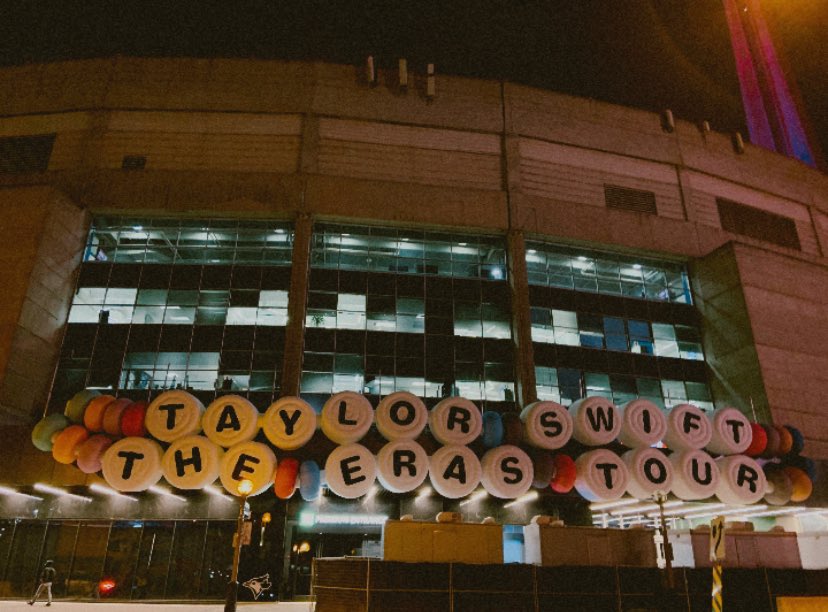
The Toy Story marketing team looking at each other when Taylor said she’ll change her 5th album cover to clouds instead of seagulls and make her essential playlist full of her track 5s and capitalise every TS instead of just a normal tweet
DID YOU KNOW? Taylor Swift’s “Chloe or Sam or Sophia or Marcus” does not refer to people’s names, they are types of wine!
Happy National Wine Day, Mother 🍷
watching netflix’s persuasion and they’ve completely ruined anne’s character; they’ve made her snarky, clumsy, bitchy, and qUiRkY instead of calm, sensible, and mature
Roughly 60 days of food is sitting on your body right now. About 131,000 calories of fat, packed and waiting. Your stomach still growls four hours after lunch, and your body treats that fat like a savings account it refuses to spend.
Take the hunger hormone, ghrelin. Its job goes way beyond saying "eat now." Ghrelin spikes when the stomach is empty, makes food taste better, and quietly tells fat cells to hold on tighter. Researchers at the French health institute INSERM showed in 2016 that ghrelin pushes the body to store more fat and burn what is already there more slowly, even when appetite stays the same. So the same hormone that yells "I'm hungry" is whispering "but keep the fat just in case."
The body burns fuels in a strict order. It keeps about 2,000 calories of fast-access fuel in the liver and muscles, a stored sugar called glycogen. That stash empties in 12 to 24 hours of skipping meals. Only after that does the body get serious about pulling from fat. A 2018 paper in the journal Obesity calls this changeover the metabolic switch, and it does not really flip until 12 to 36 hours into a fast. Four hours after lunch, the fat is barely on the menu.
The growling itself is mostly housekeeping. Every 90 to 120 minutes between meals, a hormone called motilin sets off a wave of contractions that sweep leftover food bits, mucus, and stray bacteria through the gut. The noise is that sweeping. Doctors call it the migrating motor complex. It runs on a clock, no matter how much fat is sitting in storage.
And the brain raises the alarm first. The brain is only 2% of body weight, but it burns about 20% of all daily energy, and it prefers sugar as fuel. When blood sugar dips even a little, the brain panics long before the body has touched the fat downstairs.
For 200,000 years, missing a few meals could mean food was gone for weeks. The body still acts like that famine is one bad day away. The growl is an old security system protecting a savings account the body does not know you want to spend.
Cuando entras al mundo laboral te das cuenta que el bullying de la escuela no es nada comparado con lo que pueden hacer personas infelices y frustradas de 30’s y 50’s