Assoc. Professor @HarvardMed | Advanced Endo @BIDMCHealth | @BrighamMedRes & @BrownMedicine Alum | Favorite initialisms: ERCP/EUS/AI. Link below for COI
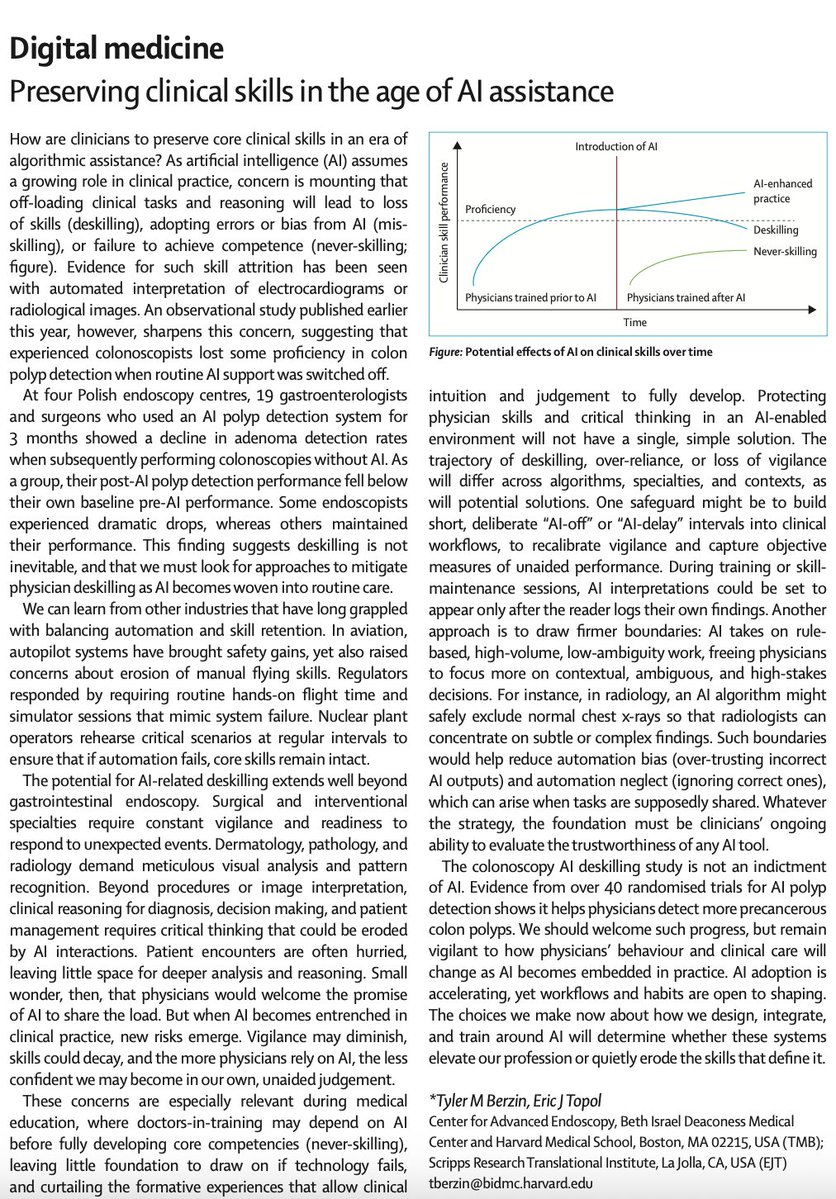
The field of gastroenterology has pioneered live AI deployment in medicine. In this @TheLancet commentary with @EricTopol, we explore the next challenge: keeping core clinical skills sharp as algorithms assist more of our work. @ASGEendoscopy@AmerGastroAssn@AmCollegeGastro
Will A.I. lead to de-skilling of physicians?
And if so what can be done to preempt it?
@tberzin and I address this in a new @TheLancet piece
https://t.co/rK5Lf77YtK
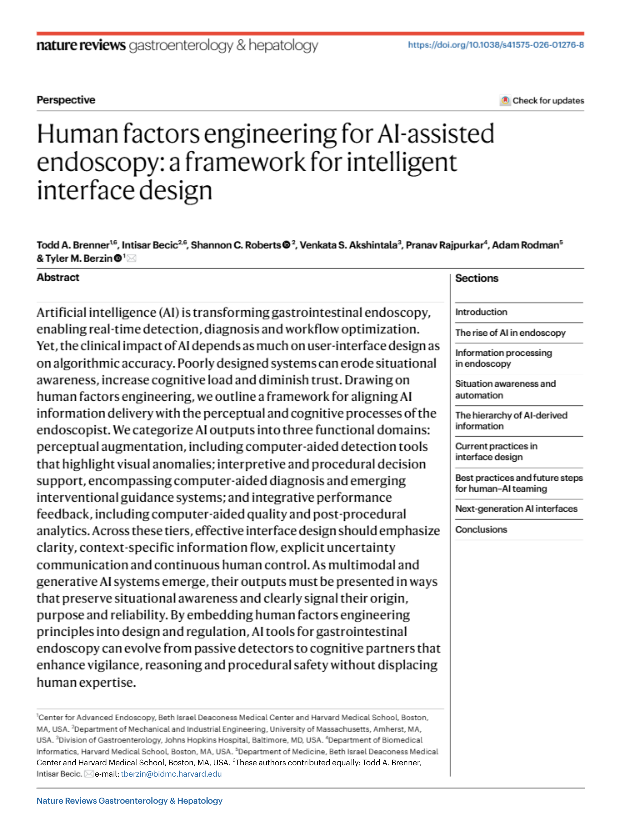
Proud to share our cross-disciplinary project published today in @NatRevGastroHep, exploring Human Factors Engineering principles, as we prepare for the expansion of AI interfaces in GI endoscopy. Led by @BIDMC_GI ERCP fellow #ToddBrenner.
Free full text: https://t.co/fxnF0lQFoq
The Center for Advanced Endoscopy at BIDMC/HMS is now accepting applications for a one-year International Trainee Clinical Advanced Endoscopy Fellowship, for training starting July 1, 2028.
App deadline: January 1, 2028.
More details at Linkedin: https://t.co/gghD1lwJMf
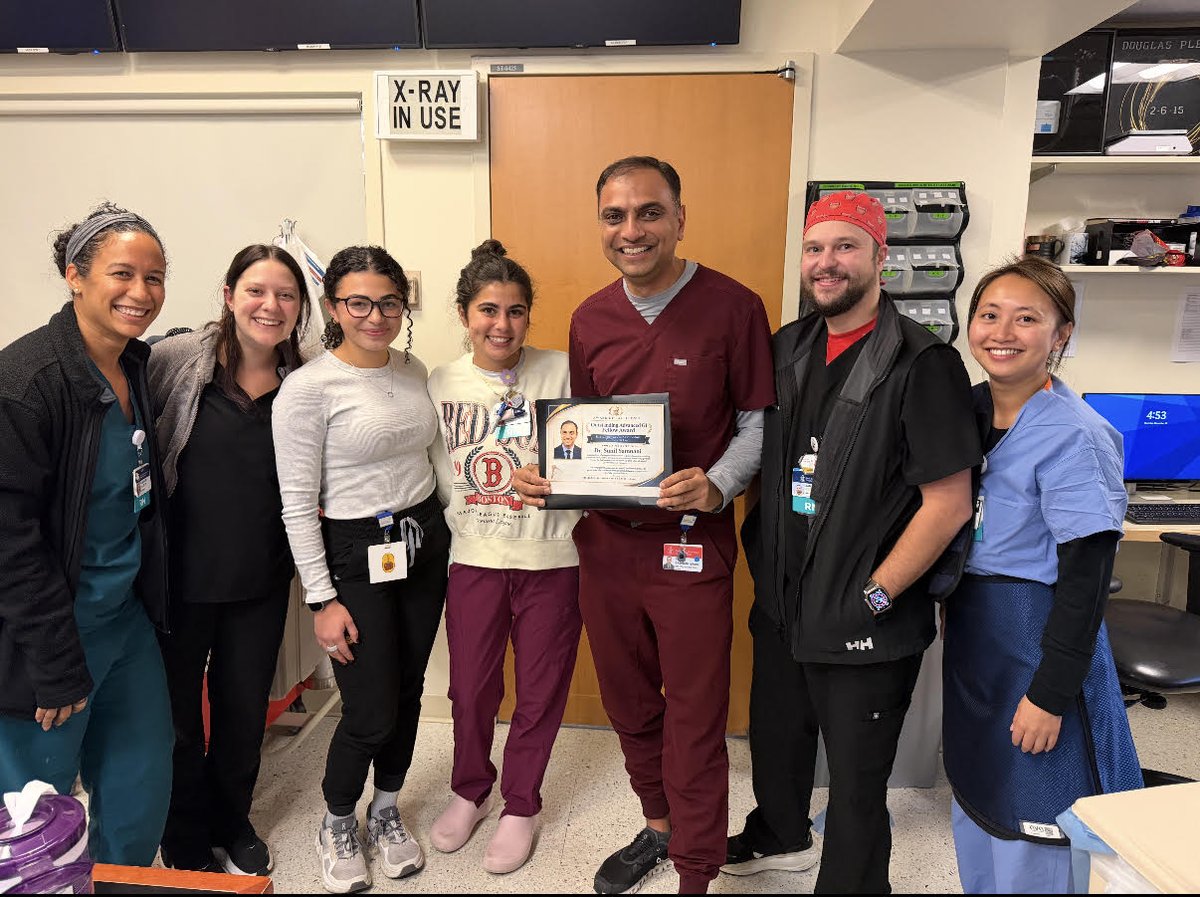
A pretty good sign as a trainee when your nurse colleagues spontaneously come together and create an award, just for you, on a random Thursday in the middle of your fellowship. Congratulations @SamnaniSunil
Health systems I'm chatting with are saying the challenge for them is they'd probably go with a B minus solution from Epic even over an A plus from a vendor. There's basically no point in hearing the pitch if the solution isn't integrated into the Epic workflow.
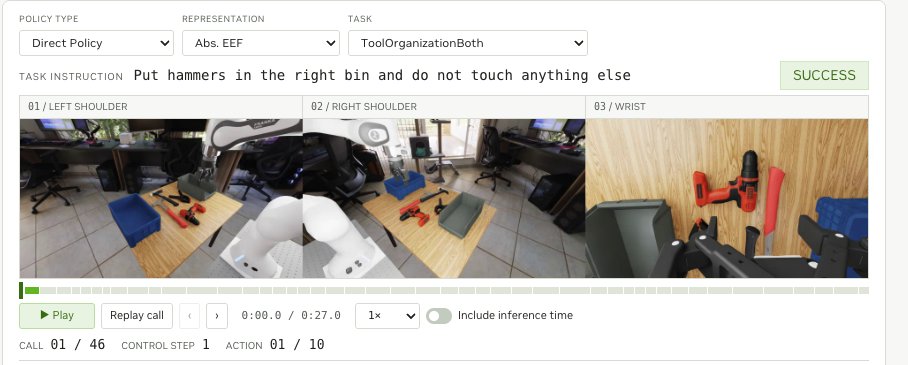
Bitter lesson of AI appears to move to robotics (relevant for medical apps). Many of us still shocked. Highlights first (more details in reply):
1. ChatGPT Astra (general purpose LLM) given a robotic arm and camera (details in the reply below) outperforms state-of-the-art specialized robot models trained on thousands of hours of video.
2. Geometric prompting: Even though in theory the Ai models know all about the robot arms and their mechanics, giving the specs what makes speed and success of learning possible. Implications for rapidly enabling transfer learning with RL in other domains including medicine are massive.
3. Orchestrated agents << unconstrained agentic policy (cont'd)
Foundation models predict cancer survival from a face photo and 130 diseases from one night of sleep study data. Superhuman medical capabilities.
We have over 4M full-length endoscopy videos. What could a video model predict from them? Any labs want to find out with us?
I can't believe it's really happening! For the last year, @bratogram and myself have been putting together a brand new AI Center at @bethisraellahey that we hope will serve as a catalyst across the entire system for advancing the responsible study and adoption of AI in medicine.
AI will not automate radiologists like you think
We have been talking for years now about AI automating jobs. Radiology has been a prime target, with Geoff Hinton once claiming, “people should stop training radiologists now, it’s just completely obvious that within five years, deep learning is going to do better than radiologists”, which is funny since he said that in 2016. There is now more demand for radiologists than ever, so clearly things did not turn out the way many thought. Here I will make a prediction that while radiology will change in the coming decade, radiologists will not be automated away any time soon. I will use radiology as an example but I think these principles will broadly apply to any field where demand can be elastic and quality can scale with increased intelligence.
First of all, we have seen in the short history of language models that there is a “jagged edge of intelligence”, where AI excels at verifiable tasks with a lot of data but is underwhelming on less common tasks. One thing most AI researchers underestimate about radiology is that it is actually extremely multi-task. There are at least a hundred conditions that can be diagnosed from x-rays alone, and thousands using CT and MRI. AI will first master common and easy-to-see conditions and it will not be as good as experts at less-common diseases just because there is less data for that. This jagged edge will certainly improve over time but this means that AI will certainly be used as a triage tool at first, rather than full automation in one go. I would guess that this process from solid triage tool to full automation would take 3-5 years in the best case scenario, because training AI to get all the edge cases right will be bottlenecked by data collection of rare diseases, and also because radiology isn’t currently a focus for frontier labs.
Second, there will be elastic demand for radiology as it gets cheaper per unit. I think elastic demand (“Jevons paradox”) is the most underrated phenomenon when people think about AI automation. In software, it is obvious that I have way more demand than before because Claude Code makes it so easy. These days I ask Claude Code to build a custom three-thousand line html viewer to help me visualize every little RL run that I do. The same thing will happen in radiology. If there is essentially no cost or latency of interpreting an MRI, a physician can order many scans preemptively to better diagnose a case. So with AI tools, a radiologist might have to read only 20% of inbound scans, but there might be 5x more scans inbound. Many developing countries have fewer than one radiologist per million people and they will also want to send a lot of radiology to be interpreted.
Longer term, cheap and fast radiology interpretation will also drive incentives to build cheaper radiology scanners. If an MRI had essentially no latency for interpretation, medical devices companies will want to build much cheaper MRI machines that can be used more frequently, perhaps even in the middle of a surgery. AI will accelerate the development of scanning technology, too. If a full body MRI was only $100 dollars I would totally want to get one every month instead of every two years. I can imagine a world where people get 10 or 100x the number of scans they do today, largely for preventative care, if radiology were 10-100x cheaper.
Third, even if we did have a model that could outperform the world’s best radiologists today, that would not be the end of all work on radiology. Medicine is a field of change. We may develop new treatment protocols that require reading radiology images in a way that radiologists currently aren’t used to. New scanners may reveal diseases that we cannot currently diagnose today with radiology alone. Some radiologists will change their work from reading scans to doing frontier research to advance our understanding of radiology and translate new knowledge into updated models.
Moreover, I am sure that we will ask for more out of our AI models than ever before. With a good flywheel, we may one day train AI models that can use radiology images to predict disease probabilities far into the future. With good prediction algorithms, cancer may be detected months earlier than we can detect it now. Society will invest a lot into this research and this will contribute even more to increased demand for radiology and the best AI around it.
On top of all of this, the medical system is typically slower to adopt new technology and has more regulation compared to technology companies. There is legacy infrastructure and medical centers need to constantly support patients which makes it hard to integrate new technology. This is even more true in developing countries. Moreover data access tends to be limited due to HIPAA, deidentification, IRBs, etc. So I think radiologists will be in demand for a while.
While some worry about radiology being totally automated, I think there is a more exciting future for radiology than ever before—one where there is more demand and we ask for more predictive power from our intelligence. This is similar to how many of us feel that programming will thrive more than ever before despite drastic change in the field. More generally, any domain where demand can be elastic and quality can scale with increased intelligence will, like radiology, similarly flourish with the development of AI. This is certainly a more exciting and nuanced future than what Hinton described in 2016!
(Finally, to be fair to Hinton, he did acknowledge in a recent podcast that he was wrong and also agrees with the elastic demand argument.)
Thanks @JayRothschild and @engyziedan for feedback on this post.
Robotic colonoscopy in action 🔦🤖🕹️
This first-in-human study presented today by Marcin Romanczyk at #UEGWeek showcases the Triton system, which uses a remotely controlled colonoscope and overtube incorporating dual dynamic rigidisation technology. By selectively stiffening flexible segments, it maintains scope configuration, minimises looping and enables precise tip deflection and rotation. This potentially improves navigation, stability and endoscopist ergonomics.
His proof of concept study included 50 patients across two phases. Caecal intubation was achieved in 100%, without repositioning, abdominal pressure or conversion to conventional colonoscopy. Median caecal intubation time was 13 minutes. Adenoma detection rate was 54.2%, with successful resection of all 77 polyps. No adverse events occurred during 14-day follow-up. This causes far less physical and mental load for the endoscopist, and in is view, is way better than conventional colonoscopy.
Could we be seeing a glimpse of the future of colonoscopy?
And none of this would have been possible without @BIDMChealth being one of the most innovative centers for AI on the planet (I, of course, stand on the shoulders of giants: Warner Slack, Howard Bleich, John Halamka, etc).
Today @TheLancet published our AMIE study with @BIDMC_Medicine, the first prospective study of patient-facing conversational diagnostics in a real clinic.
AMIE is a research system people can chat with before doctors appointments. Testing AMIE outside the lab with real urgent care patients showed how technology can help gather medical histories safely. Clinicians reported that the summaries helped them prepare for visits in 75% of cases and influenced their approach to care in more than half. AMIE’s differential diagnoses also matched the doctors’ final diagnoses 90% of the time giving clinicians more time to focus on patient care.
It’s Google’s first-ever paper in The Lancet’s main journal!
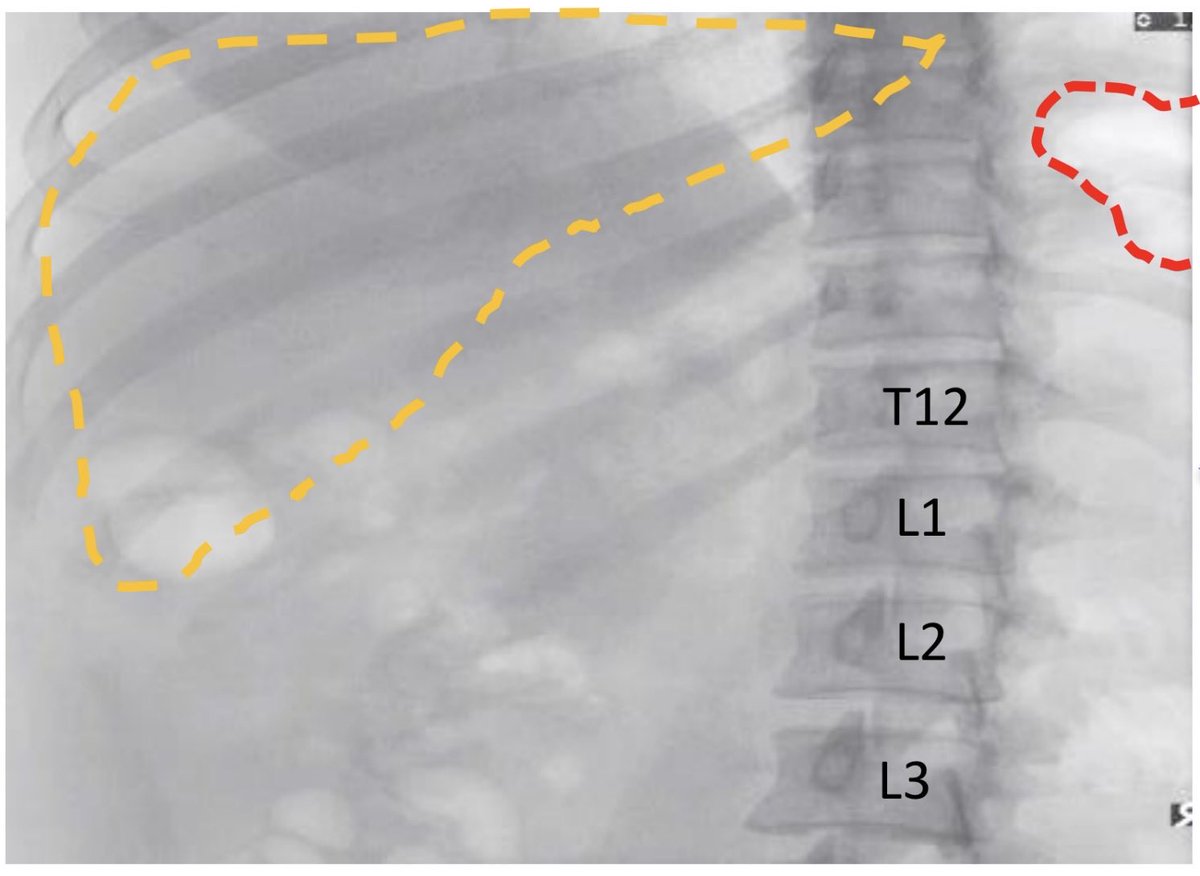
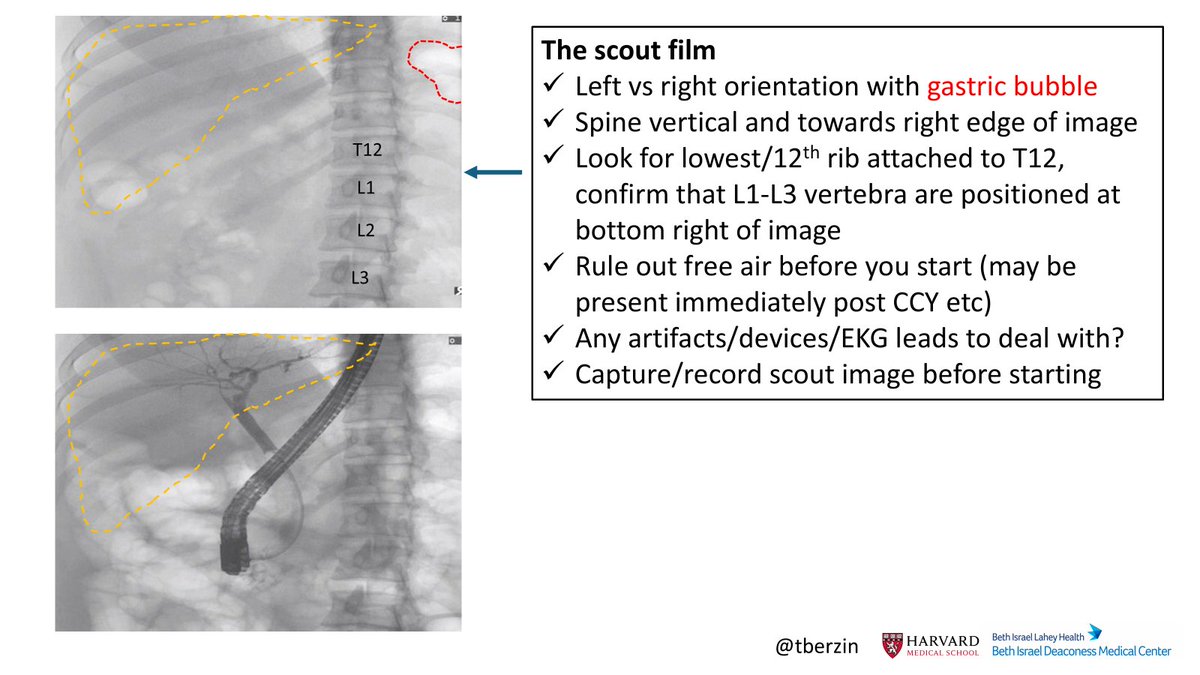
The scout film is an underappreciated starting point for successful ERCP.
Before the scope goes in:
– Orient with the gastric bubble
– Use 12th rib to identify T12
- Then position L1–L3 at bottom right of image
– Rule out free air *before* you start and save image
Impressive. Now try outside hospital records: faxed, scanned at 40%, re-faxed, page 3 of 11 missing, and “CONFIDENTIAL” stamped over the only critical lab value.
I used GPT-6 Astra to break an unsolved cipher to one of Napoleon's generals that had gone unread for 217 years.
What makes this impressive isn't actually the codebreaking, but that Astra completed the entire multi-modal workflow in ~6 hours from a single image and goal.
1/6🧵
Is it time for a radiology society devoted to AI opportunistic screening yet? The field seems to be gathering momentum:
-Breast 5-year AI risk: good data, commercially deployed
-Osteoporosis screening from CTs: mature, commercially deployed
-ASCVD risk from CT/mammo: emerging, commercially deployed (mature in the form of quantification of calcs at least)
-5-year cancer risk from chest CT: good data
-Cardiometabolic risk from CXR, abdominal CT/MRI: hot topic of interest/research
And that's just off the top of my head. We're in the imaging biomarker explosion era.
Or even broader if you consider our cardiology colleagues and what they're doing with echo...
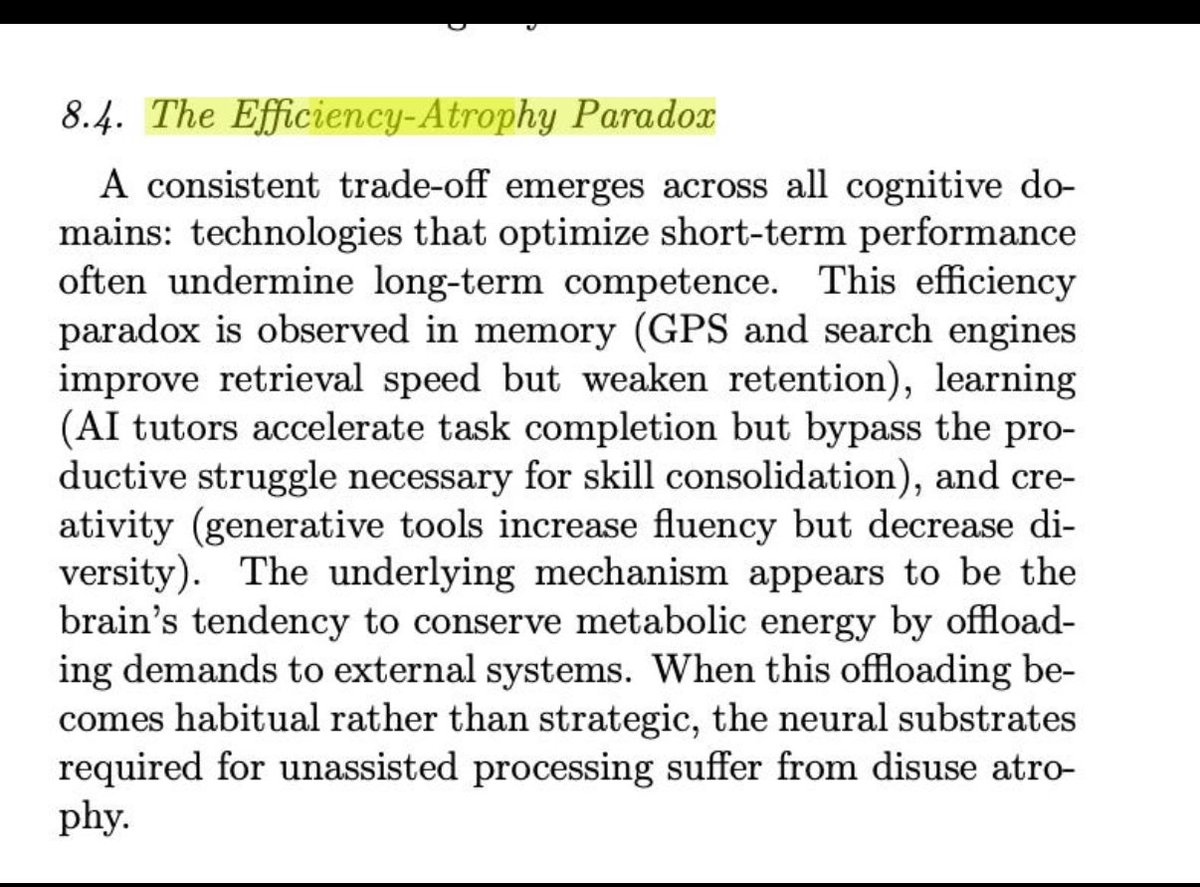
The efficiency-atrophy paradox: a critical issue re understanding AI deskilling and never-skilling in medicine.
h/t: @ProfCalNewport
Source: https://t.co/cSMq5YFdPd