PhD molecular biologist with expertise in hematology @CincyChildrens. Outside of lab, I am a father, husband, sports coach, and scout leader. Views are my own.
🚨Apparently all NIH Study Sections have been suspended indefinitely.
For those who don’t know, this means there won’t be any review of grants submitted to NIH
Depending on how long this goes on for, this could lead to an interruption in billions in research funding.
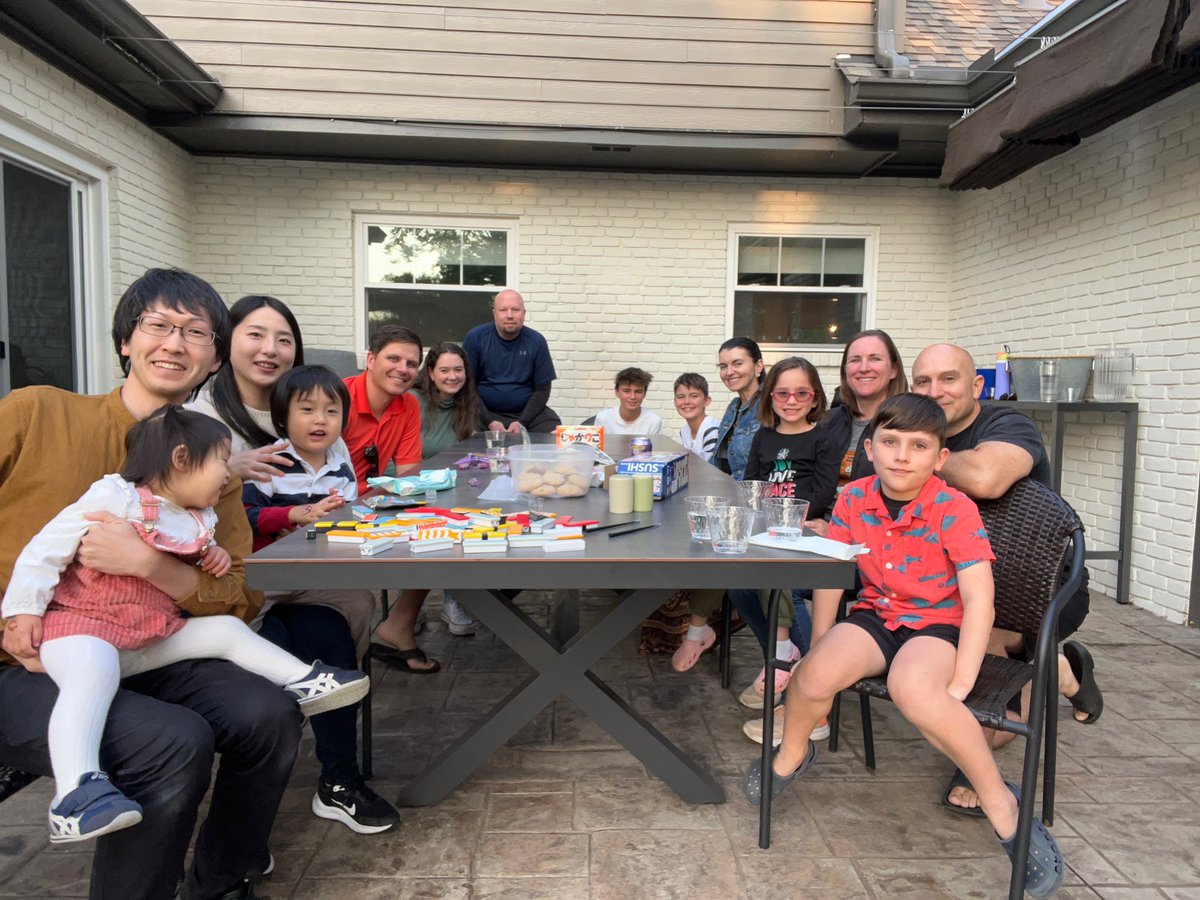
We celebrated the second annual Chlon lab summer party this evening. It is a highlight of my summer to enjoy the company of the whole group and their families together in my backyard. I am so lucky to have such an amazing group working with me.
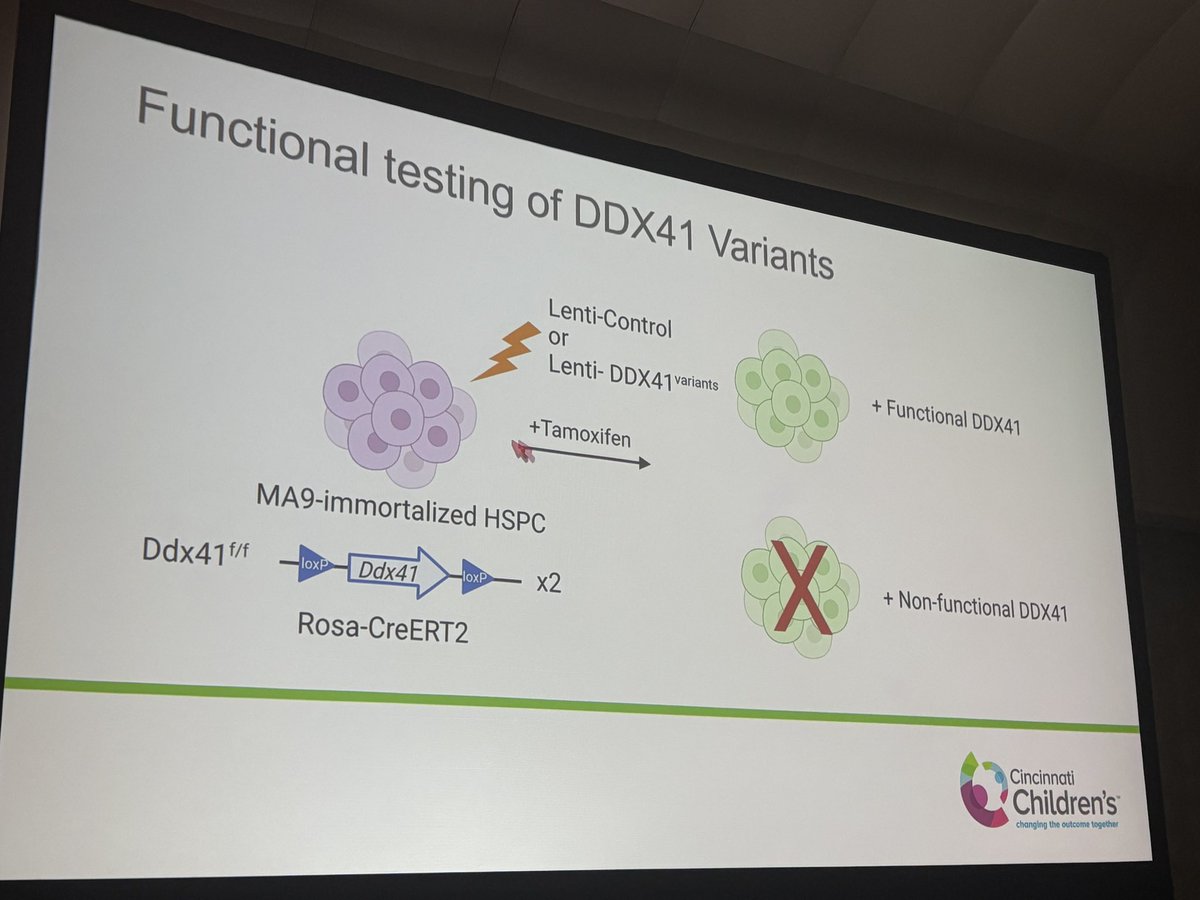
Dr. Emily Stepanchick from the Chlon lab (@tchlon) at @CincyChildrens led this study showing that DDX41 haploinsufficiency causes inefficient #hematopoiesis under stress ⚡ and cooperates with p53 mutations to cause hematologic malignancy.
👉 https://t.co/tMONPYq460
The paper is entitled “DDX41 haploinsufficiency causes inefficient hematopoiesis under stress and cooperates with p53 malignancy to cause hematologic malignancy”
I am proud to present my lab’s first research paper, published online in @LeukemiaJnl today! Check it out https://t.co/T3TNpQEru2
Congrats to first author Emily Stepanchick!
Mechanistically, we find that Ddx41-het progenitor cells have activated cellular stress signaling pathways, including the p53 and cFos/Jun signaling. Innate immune signaling is also observed.
Heterozygosity for p53 rescues the HSPC defects and reduces cell stress signaling but leaves innate immune activation in place. Combined Ddx41/p53 heterozygosity results in a highly penetrant, often fatal hem malignancy, modeling aspects of the patient disease.
We show that heterozygous loss of DDX41, which models patients with germline predisposition to MDS/AML, causes hematopoietic stem and progenitor cell defects under conditions of stress. The erythroid lineage is particularly affected, resulting in mild anemia.