👉The frequency and intensity of extreme heat events are increasing in Cyprus, as in the rest of the world, heightening the health risks and productivity loss for workers both outdoors and indoors. In a joint effort between CARE-C and EEWRC researchers of the Cyprus Institute to assess the heat's impact on labour productivity, we used climate and biological data to calculate physical heat stress indicators for different levels of work intensity and sun exposure. Then, combining the projected physical impacts with economic data, we assessed that lost economic output due to hotter working conditions may amount to 101 million Euros in 2030, or 0,4% of GDP, and 303 million Euros in 2050, or 0,7% of GDP. Cumulative economic losses up to 2050 could reach 0,5% of the entire GDP of Cyprus of that period, if no further adaptation measures are taken in workplaces.
Our study is the first one using Cypriot data to estimate the economic damage caused by lost work hours due to extreme heat. Most European countries may face greater losses in labour productivity due to climate change because their indoor workplaces are not adequately adapted, but the impacts on the most vulnerable and exposed workers in Cyprus may also be severe and require adaptation measures to monitor and protect workers’ health.
This Policy Brief summarizes our work.
The Cyprus Institute joins Airbus-led European project on aviation emissions and climate impacts: “Particle emissions, Air Quality and Climate Impact related to Fuel Composition and Engine Cycle”
For more: https://t.co/yYggPkt65a
According to an international study led by @MaxPlanckChem, @CyprusInstitute, and University Medical Center Mainz, nearly two million deaths per year worldwide are attributable to exposure to ultrafine particles, found in the air.
For more information: https://t.co/Frx7IhA23W
Dust episodes affecting Europe are intensifying, posing growing challenges for air quality and public health.
For more information: https://t.co/wd5wTF9r6V
Μελέτη στο Nature αποκαλύπτει νέο βασικό μηχανισμό σχηματισμού νεφών με συμβολή του Ινστιτούτου Κύπρου
Νέα διεθνής μελέτη, που δημοσιεύθηκε στο κορυφαίο επιστημονικό περιοδικό Nature με καθοριστική συμβολή του Ινστιτούτου Κύπρου, προσφέρει σημαντικές νέες γνώσεις για τον σχηματισμό των νεφών και τη λειτουργία του κλιματικού συστήματος της Γης.
Η έρευνα καταδεικνύει ότι οι φυσικές εκπομπές από τους ωκεανούς επηρεάζουν τον σχηματισμό των νεφών σε πολύ μεγαλύτερο βαθμό απ’ ό,τι θεωρείτο μέχρι σήμερα. Τα ευρήματα συμβάλλουν στην επίλυση μιας μακροχρόνιας ασυμφωνίας μεταξύ παρατηρήσεων της ατμόσφαιρας και κλιματικών μοντέλων και αναμένεται να βελτιώσουν την ακρίβεια των κλιματικών προβλέψεων.
Η Δρ Rima Baalbaki, ερευνήτρια στο CARE-C του Ινστιτούτου Κύπρου και πρώτη συγγραφέας της μελέτης, σημείωσε ότι η καλύτερη κατανόηση αυτού του μηχανισμού επιτρέπει πιο ολοκληρωμένη κατανόηση της λειτουργίας του κλιματικού συστήματος και συμβάλλει στη βελτίωση της αξιοπιστίας των κλιματικών προβολών.
Ο Αναπληρωτής Καθηγητής Δρ Θεόδωρος Χριστούδιας υπογράμμισε ότι τα ευρήματα έχουν ιδιαίτερη σημασία για την Κύπρο και την Ανατολική Μεσόγειο, μία από τις πλέον ευάλωτες περιοχές στην κλιματική αλλαγή, καθώς ενισχύουν την ικανότητα προετοιμασίας και προσαρμογής στις επιπτώσεις της.
Τα αποτελέσματα παρουσιάστηκαν και σε συνέντευξη Τύπου που πραγματοποιήθηκε στο Ινστιτούτο Κύπρου στις 26 Ιουνίου 2026, στο πλαίσιο της ευρύτερης διάχυσης των ευρημάτων.
Η δημοσίευση στο Nature αναδεικνύει τη συμβολή της ερευνητικής κοινότητας του Ινστιτούτου Κύπρου στην πρόοδο της διεθνούς έρευνας για το κλίμα και την ατμόσφαιρα, καθώς και τη σημασία της για την ενίσχυση της ανθεκτικότητας της περιοχής απέναντι στην κλιματική αλλαγή.
🔗 Διαβάστε περισσότερα: https://t.co/A47ZKEp0vg
Nature study reveals key driver of cloud formation with contribution from The Cyprus Institute
A new international study published in the leading scientific journal Nature, with a major contribution from The Cyprus Institute, provides important new insights into cloud formation and the Earth’s climate system.
The research shows that natural ocean emissions play a greater role in cloud formation than previously understood. The findings help explain longstanding differences between atmospheric observations and climate model predictions and are expected to improve the accuracy of future climate projections.
Dr. Rima Baalbaki, researcher at the Climate and Atmosphere Research Center (CARE-C) of The Cyprus Institute and first author of the study, noted that a better understanding of this mechanism allows scientists to gain a clearer picture of how the climate system operates and to improve the reliability of climate projections.
Associate Professor Dr. Theodoros Christoudias highlighted that these findings are particularly important for Cyprus and the Eastern Mediterranean, one of the regions most vulnerable to climate change, as they contribute to strengthening preparedness and resilience.
The findings were also presented at a press conference held at The Cyprus Institute on 26 June 2026 as part of the broader dissemination of the results.
The publication in Nature underscores the contribution of The Cyprus Institute’s research community to advancing international climate and atmospheric science and highlights its relevance for strengthening climate resilience in the region.
🔗 Read more: https://t.co/A47ZKEp0vg
@StavrosMalasCY
The Cyprus country profile provides a concise overview of key trends across environment and climate; socio-economic change; and system change (energy, mobility and food):
https://t.co/k0pKTOIHka
Projections suggest that Cyprus will surpass the target of a 55% reduction in the health impacts of air pollution by 2030 compared with 2005. Despite improvements, estimates showed 693 premature deaths due to PM2.5 in 2022:
https://t.co/XdztdkhJxu
New CARE-C, @CyprusInstitute, study highlights uncertainties in emissions data used to quantify transboundary pollution in the Eastern Mediterranean.
For more information: https://t.co/ZJLS6IN6Vm
The European Workshop on Atmospheric Dust, hosted by CARE-C of The @CyprusInstitute , and within the context of the @Dust_Dn doctoral network, was successfully held on 20–22 April 2026 at the Sandy Beach Hotel in Larnaca, Cyprus.
More information:
https://t.co/jPNFawdacq
MedCLIVAR 2026 – Call for Abstracts
We invite researchers and scientists to submit their abstracts for MedCLIVAR 2026, taking place in Limassol, Cyprus (21–25 September 2026).
For more information: https://t.co/IN58M6CrSV
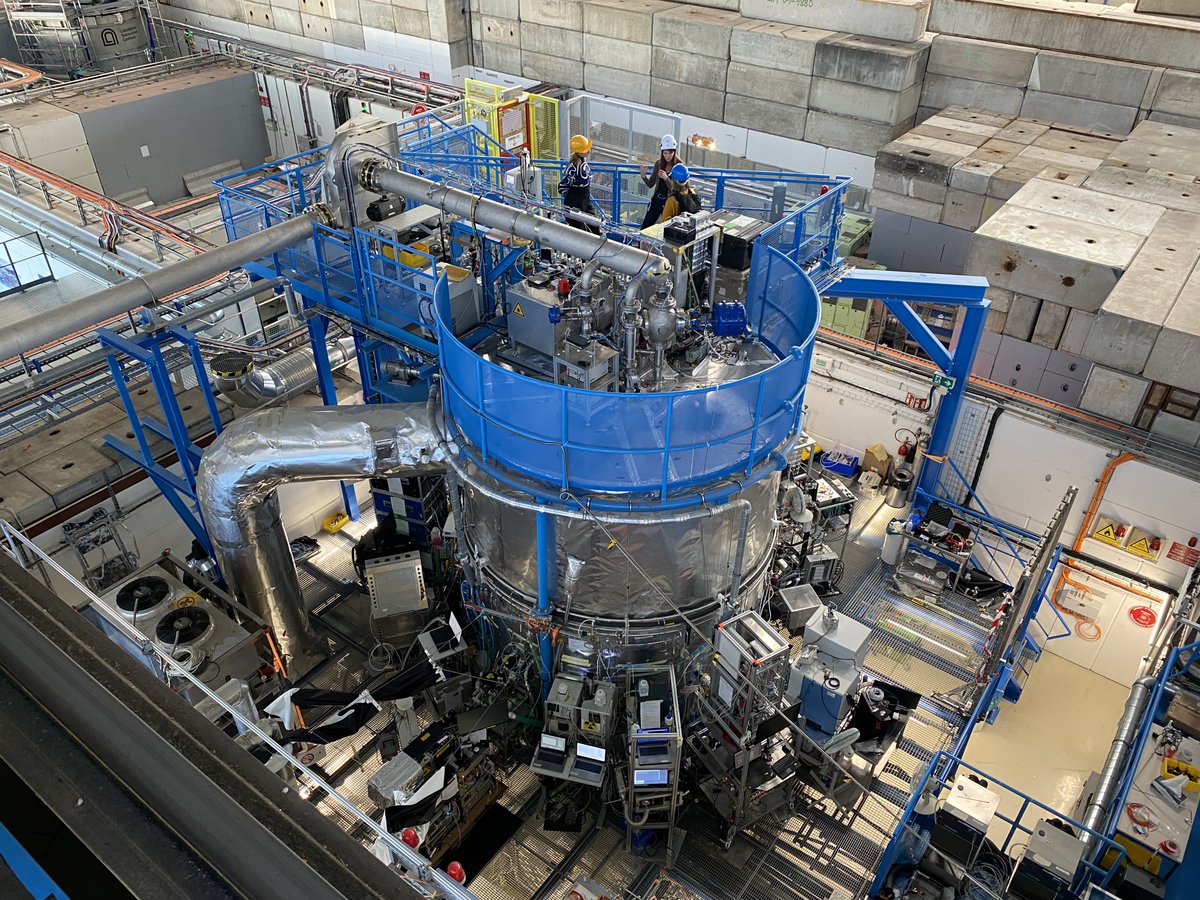
Between the 2nd and 6th of March, CARE-C, The Cyprus Institute, researchers attended the CLOUD Doctoral Network final conference.
For more: https://t.co/dvlR3NdjmT
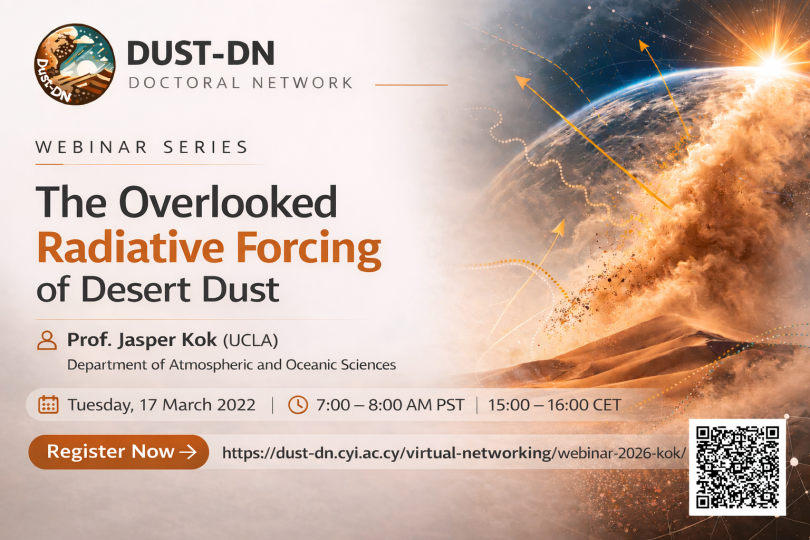
🌍 Join the next Dust-DN Webinar!
🎙 Prof. Jasper Kok (UCLA)
📌 The Overlooked Radiative Forcing of Desert Dust
📅 Tue, 17 March
🕒 15:00–16:00 CET
Discover new insights into the role of desert dust in the Earth’s climate system.
🔗 https://t.co/qg0NXpukLt
Severe dust events reduce solar energy production by more than 20%, finds new study by CARE-C, @CyprusInstitute, in collaboration with @CyUniTech and industry partners, within the framework of the PV Dust project.
To find out more visit our website: https://t.co/drEOuJHni3