Principios básicos del estoicismo
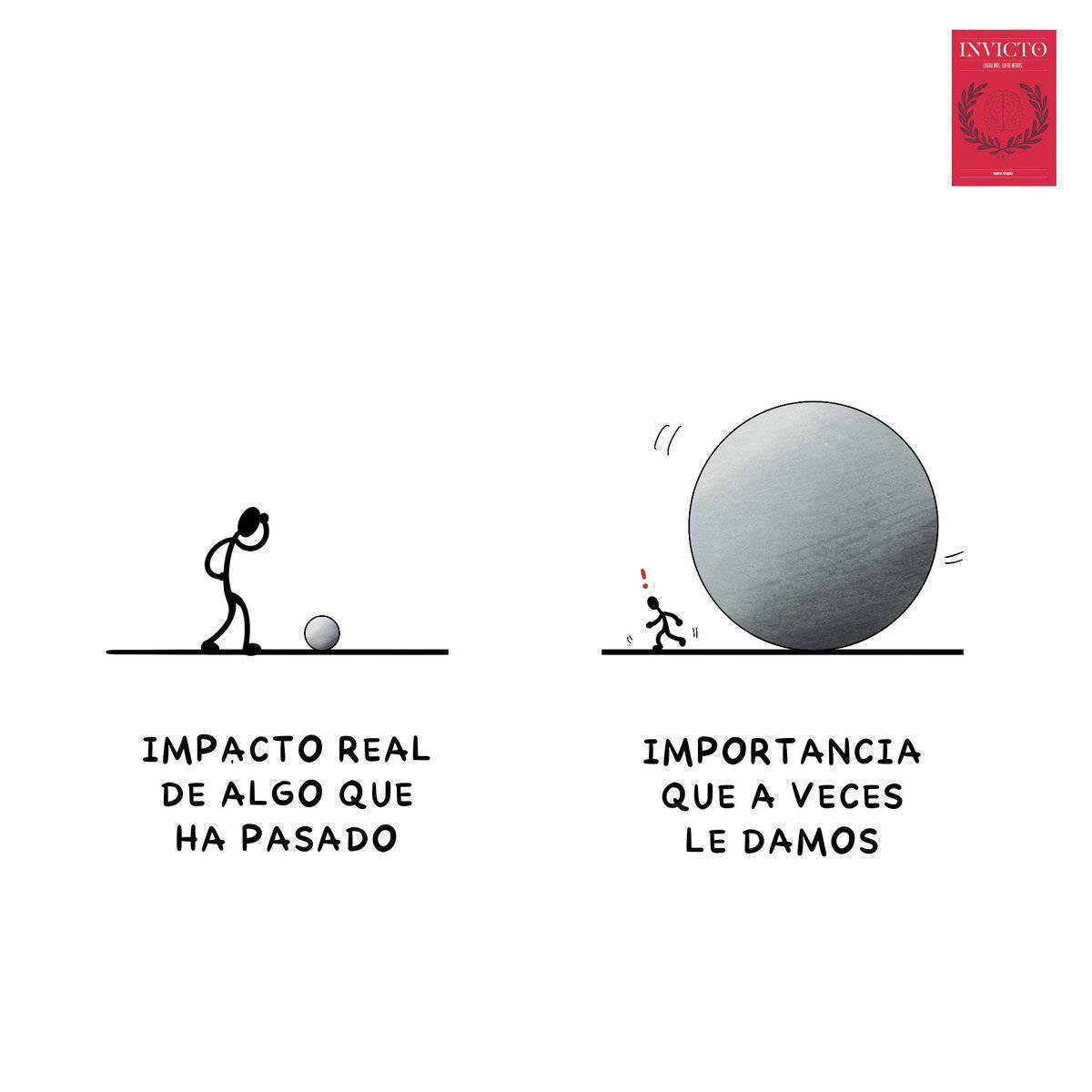
A menudo, sufrimos más en la imaginación que en la realidad
Nuestro cerebro es una máquina diseñado para anticipar, especialmente, posibles amenazas.
Lo que genera miedo y ansiedad.
Aunque mayoritariamente estás amenazas nunca ocurren
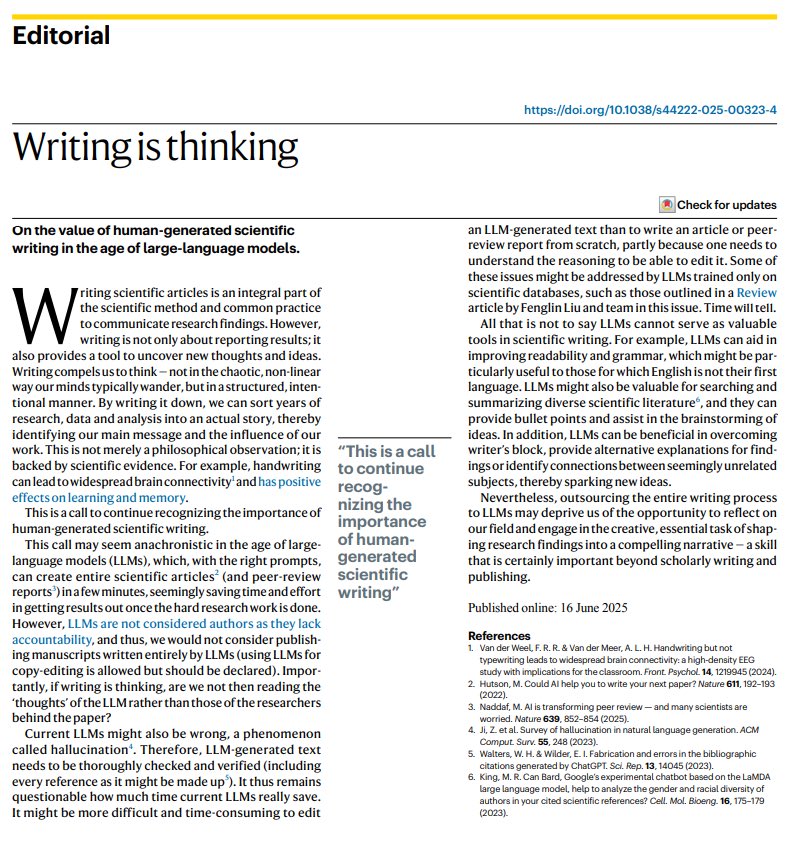
"Escribir es pensar". Escribir nos obliga a pensar, no de forma caótica y desordenada, sino de manera estructurada e intencionada. Es una herramienta para descubrir nuevas ideas. https://t.co/N8o8zVvsnE
Si Huelva es la provincia con más horas de sol al año desde el comienzo de la primavera, ¿esto la convierte en la provincia con la capacidad de aportar mayor felicidad? ☀️
https://t.co/U4yHPLOWix
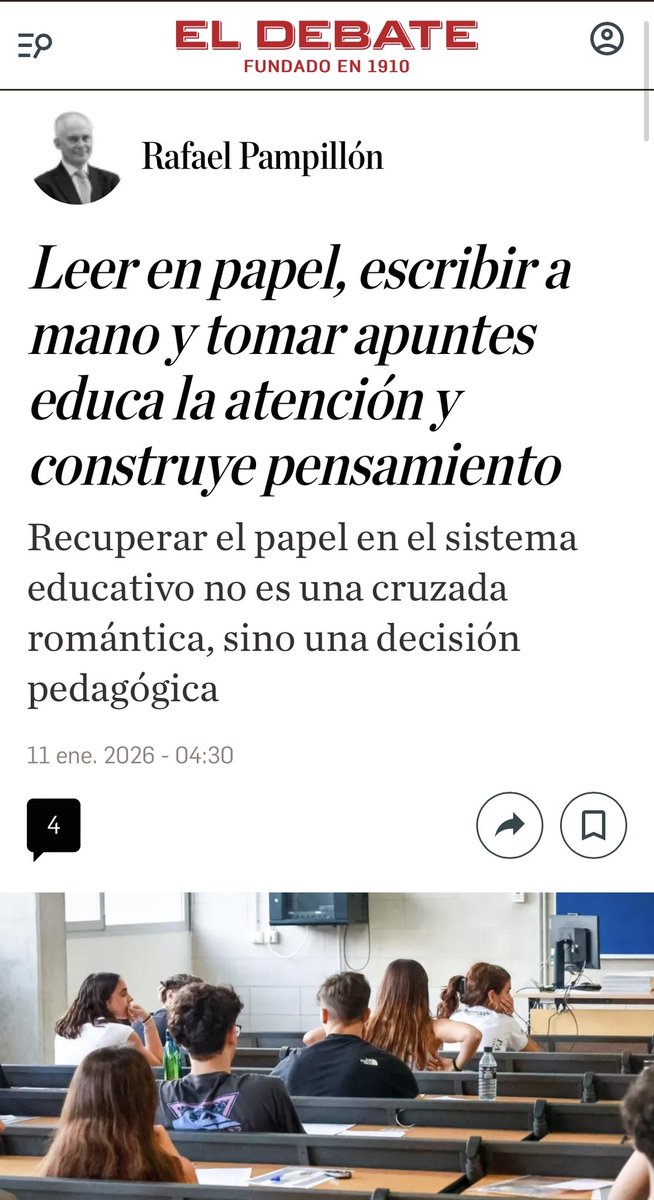
✏️ Recuperar el papel en el sistema educativo no es una cruzada romántica, sino una decisión pedagógica.
Antes de usar IA o buscar en internet, hay que saber leer, escribir y pensar por cuenta propia.
Los medios no pueden sustituir a los fines. @Rafaelpampillon https://t.co/x5SZU3pcr5
A message from a Kindergarten teacher:
After forty years in the classroom, my career ended with one small sentence from a six-year-old:
“My dad says people like you don’t matter anymore.”
No sneer. No malice. Just quiet honesty — the kind that cuts deeper because it’s innocent. He blinked, then added, “You don’t even have a TikTok.”
My name is Mrs. Clara Holt, and for four decades, I taught kindergarten in a small Denver suburb. Today, I stacked the last box on my desk and locked the door behind me.
When I started teaching in the early 1980s, it felt like a promise — a shared belief that what we did mattered. We weren’t rich, but we were valued. Parents brought warm cookies to parent nights. Kids gave you handmade cards with hearts that didn’t quite line up. Watching a child sound out their first sentence felt like magic.
But that world slowly slipped away. The job I once knew has been replaced by exhaustion, red tape, and a kind of loneliness I can’t quite describe.
My evenings used to be filled with construction paper, glitter, and glue sticks. Now they’re spent filling out digital reports to protect myself from angry emails or lawsuits. I’ve been yelled at by parents in front of twenty-five children — one filming me with his phone while I tried to calm another child mid-meltdown.
And the kids… they’ve changed too. Not by choice.
They arrive tired, anxious, overstimulated. Their tiny fingers know how to swipe a screen before they can hold a crayon. Some can’t make eye contact or wait in line. We’re expected to fix all of it — to patch the gaps, heal the trauma, teach the curriculum, and document every move — in six hours a day, with resources that barely fill a drawer.
The little reading corner I once built, full of soft beanbags and paper stars, was replaced by data charts and “learning metrics.” A young principal once told me, “Clara, maybe you’re too nurturing. The district wants measurable results.”
As if kindness were a weakness.
Still, I stayed. Because of the small, holy moments that no spreadsheet could measure —
a whisper of, “You remind me of my grandma.”
a shaky note that read, “I feel safe here.”
a quiet boy finally meeting my eyes and saying, “I read the whole page.”
Those tiny sparks were my reason to keep showing up.
But this last year broke something in me.
The aggression grew sharper. The laughter in the staff room turned to silence. The light went out of so many eyes. I watched brilliant teachers — my friends — vanish under the weight of burnout, their joy replaced by survival.
I felt myself fading too, like chalk on a board that’s been wiped one too many times.
So today, I began my goodbye. I pulled faded art off the walls and tucked thirty years of handmade cards into a single box. In the back of a drawer, I found a letter from a student from 1998:
“Thank you for loving me when I was hard to love.”
I sat on the floor and cried.
No party. No applause. Just a handshake from a young principal who called me “Ma’am” while checking his notifications.
I left my rocking chair behind, and my sticker box too. What I carried with me were the memories — the faces of hundreds of children who once trusted me enough to reach out their hands and learn. That can’t be uploaded. It can’t be measured. It can’t be replaced.
I miss when teachers were partners, not targets. When parents and educators worked side by side, not in opposition. When schools cared more about wonder than numbers.
So if you know a teacher — any teacher — thank them. Not with a mug or a gift card, but with your words. With your respect. With your understanding that behind every test score is a heart that cared enough to try.
Because in a world that often overlooks them, teachers are the ones who never forget our children.
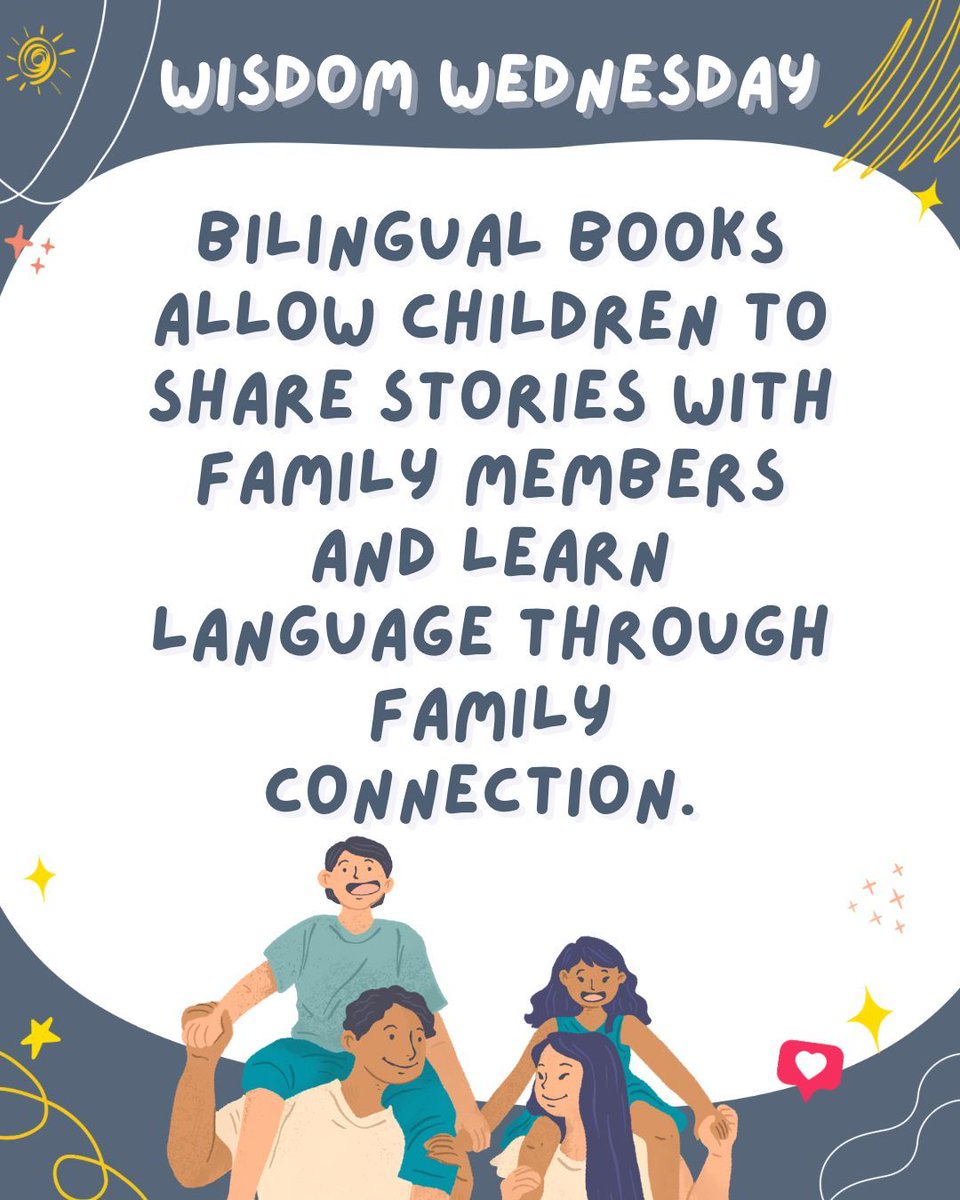
📚Wisdom Wednesday📚
Being biliterate is more than knowing two languages—it’s about building bridges. When children read and write in both languages, they deepen family connections, preserve culture, and strengthen identity. Language is love across generations.🫀
#bilingual
Países como España, Francia o Italia que doblan sus contenidos tienen peores resultados en inglés que los que subtitulan.
👂 Subtitular = + nivel en inglés
🎯 La diferencia no se explica por el colegio ni por el idioma nativo.
Es una cuestión de exposición cotidiana
@Woessmann https://t.co/kczO0ulj2B
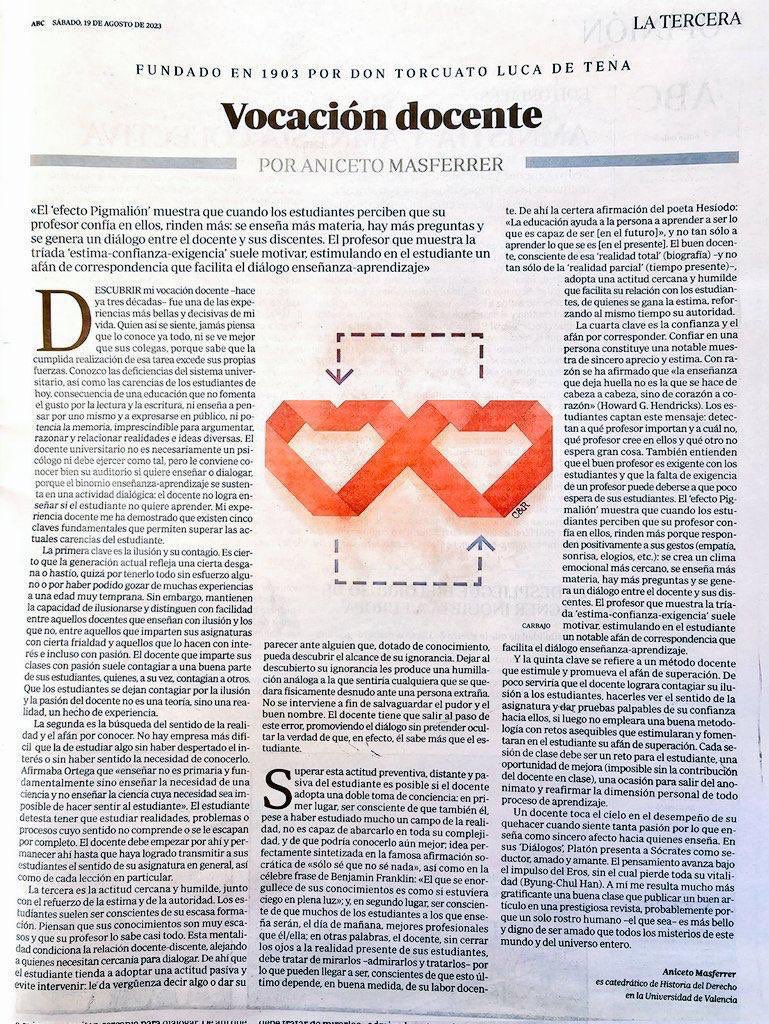
“ El docente que imparte clases con pasión suele contagiar a una buena parte de sus estudiantes, quienes, a su vez, contagian a otros. Que los estudiantes se dejan contagiar por la ilusión y la pasión del docente, no es una teoría, sino una realidad, un hecho de experiencia”
Sometimes students need great roles more than they need great lessons.
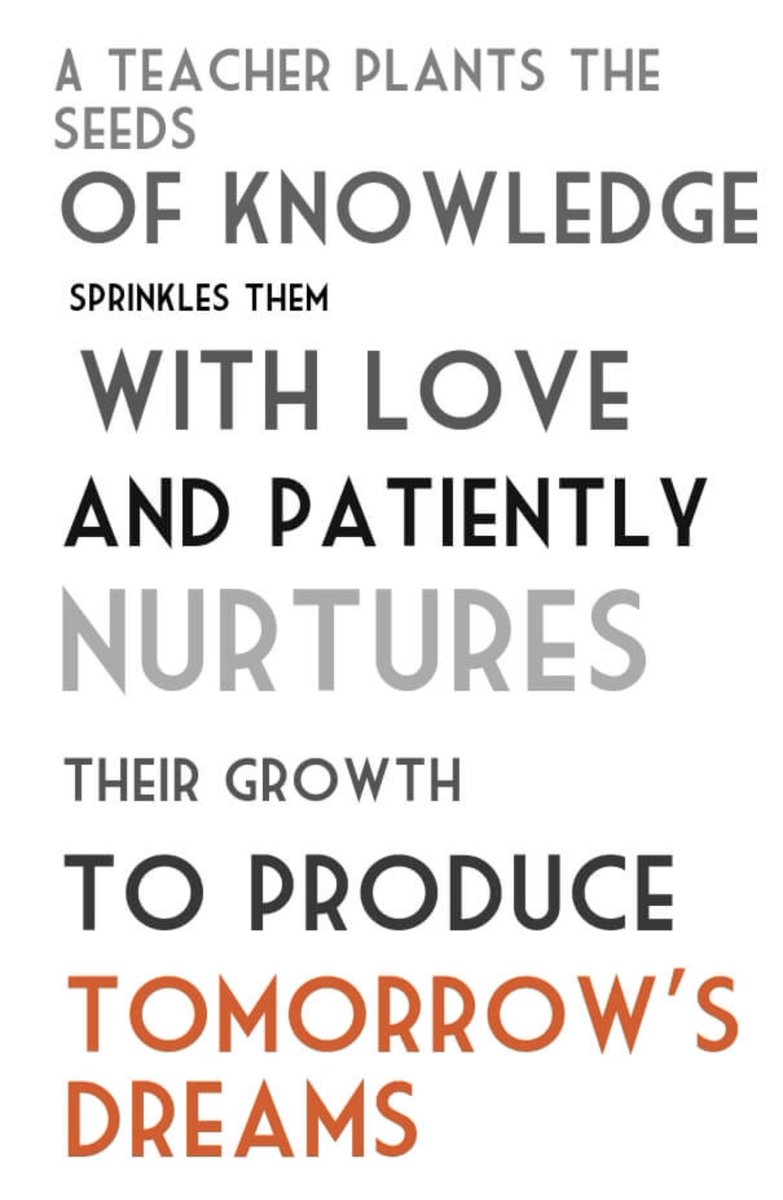
Teachers should never lose sight of the fact that their impact on kids often transcends the lesson.
#WisdomWednesday🌍 Children who grow up bilingual gain more than just language skills—they develop cognitive flexibility, cultural awareness, and a competitive edge for the future. Bilingual education isn’t a luxury; it’s a necessity! 🌍📖 #BilingualEd#Bilingual
🧠🎯 Wisdom Wednesday 🎯🧠
Bilingual kids don’t just speak two languages—they also shine in conflict resolution and interactive play!
Their ability to switch perspectives and communicate effectively helps them build stronger relationships and solve problems with empathy.
#Texas
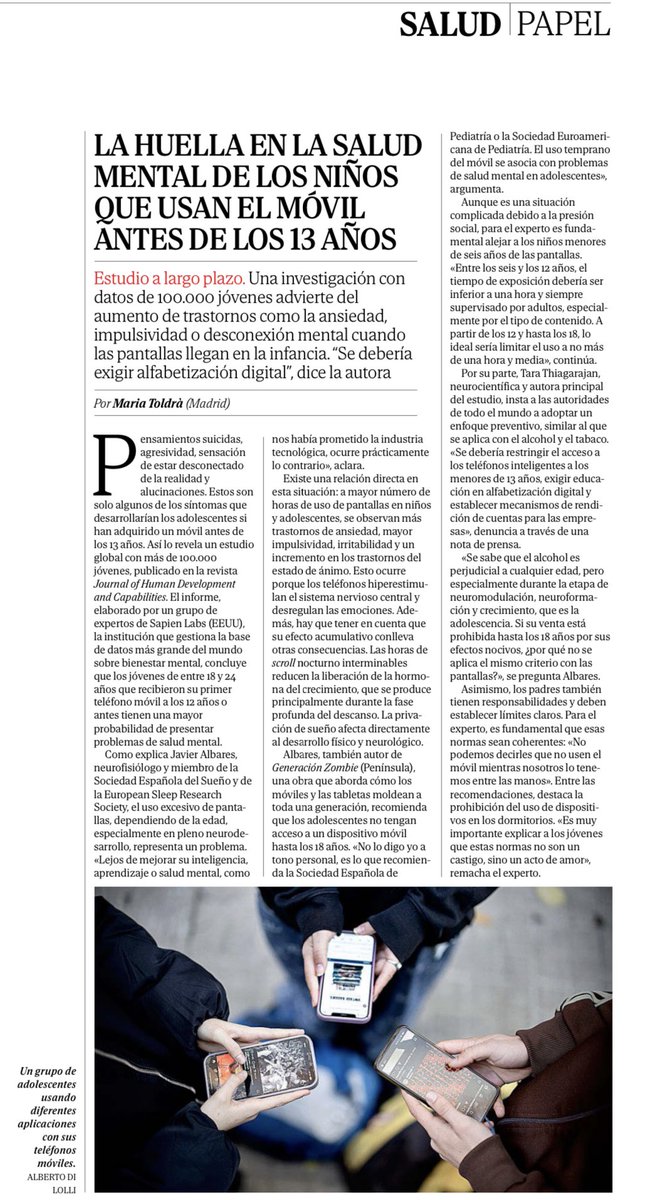
📱 Los niños que reciben su primer móvil antes de los 13 años tienen mayor riesgo de ansiedad, impulsividad y desconexión mental. Un estudio con 100.000 jóvenes alerta: las pantallas en la infancia pasan factura a la salud mental. Hoy en EL MUNDO
Quote:
When we teach with Maslow before Bloom—and then add Gardner, Jung, and Goleman—we don’t just deliver content, we connect with the whole child. By meeting students’ basic needs (Maslow), sparking curiosity (Bloom), honoring unique strengths (Gardner), helping them find meaning and identity (Jung), and building emotional intelligence (Goleman), we create classrooms where students feel safe, seen, and supported. This human-centered approach doesn’t just reduce behavior issues—it fuels engagement and boosts achievement. Because when kids feel valued, they show up, open up, and rise up.