Labour’s ideologically driven policy to introduce VAT on independent school fees has hurt pupils, parents, and schools. I have written to the new Education Secretary urging her to change course. The question now is: will she listen?
Finally got round to watching this great @NIFDI talk on the science of reading by Kurt Engelmann. Worth watching if you work with early readers or want to see what DI actually looks like when it's done properly. https://t.co/VRmPzsGHSx
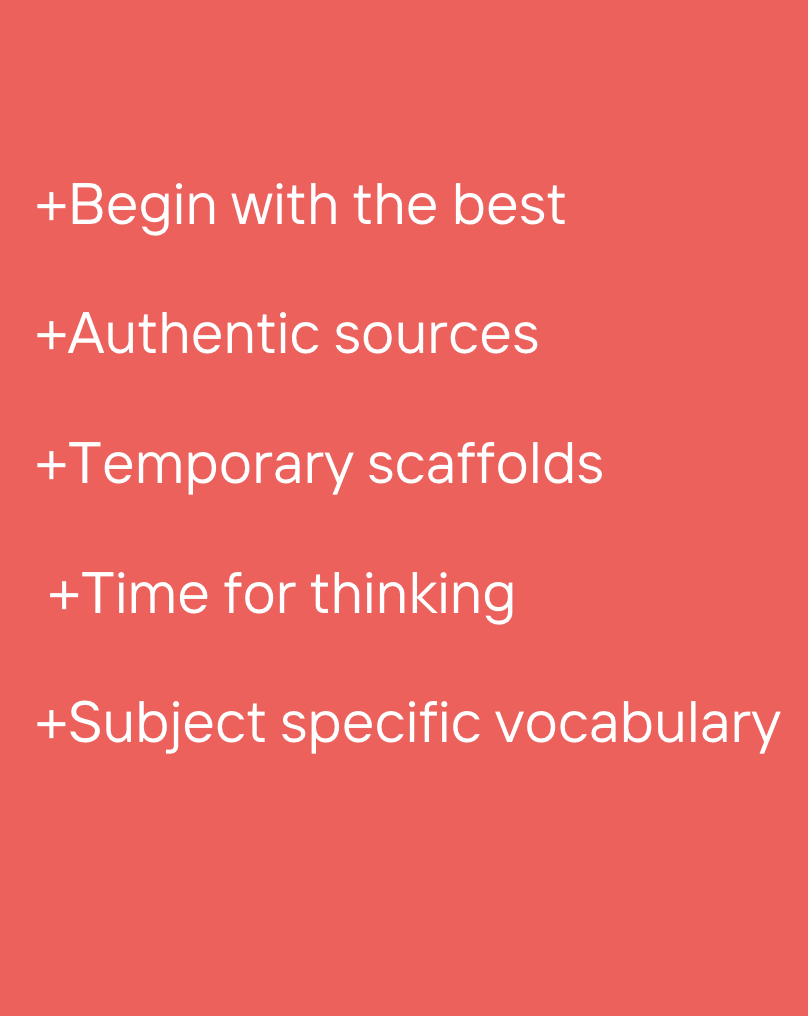
Use subject vocabulary from the start. Language is not a reward for understanding. It is the means by which understanding develops.
Year 7 is not a settling-in period. It's the first chapter of an ambitious story.
It doesn't have to be this way. One school refused to accept the drift and instead of treating Year 9 as a waiting room for Key Stage 4, they asked a different question:
Same old story from Andrew Bailey, saying he won't rush to raise interest rates. He should be warning that interest rates will rise if surging inflation justifies it. More false reassurance from the #BoE Governor, issuing misleading “forward guidance”. https://t.co/FyFhjyusjt
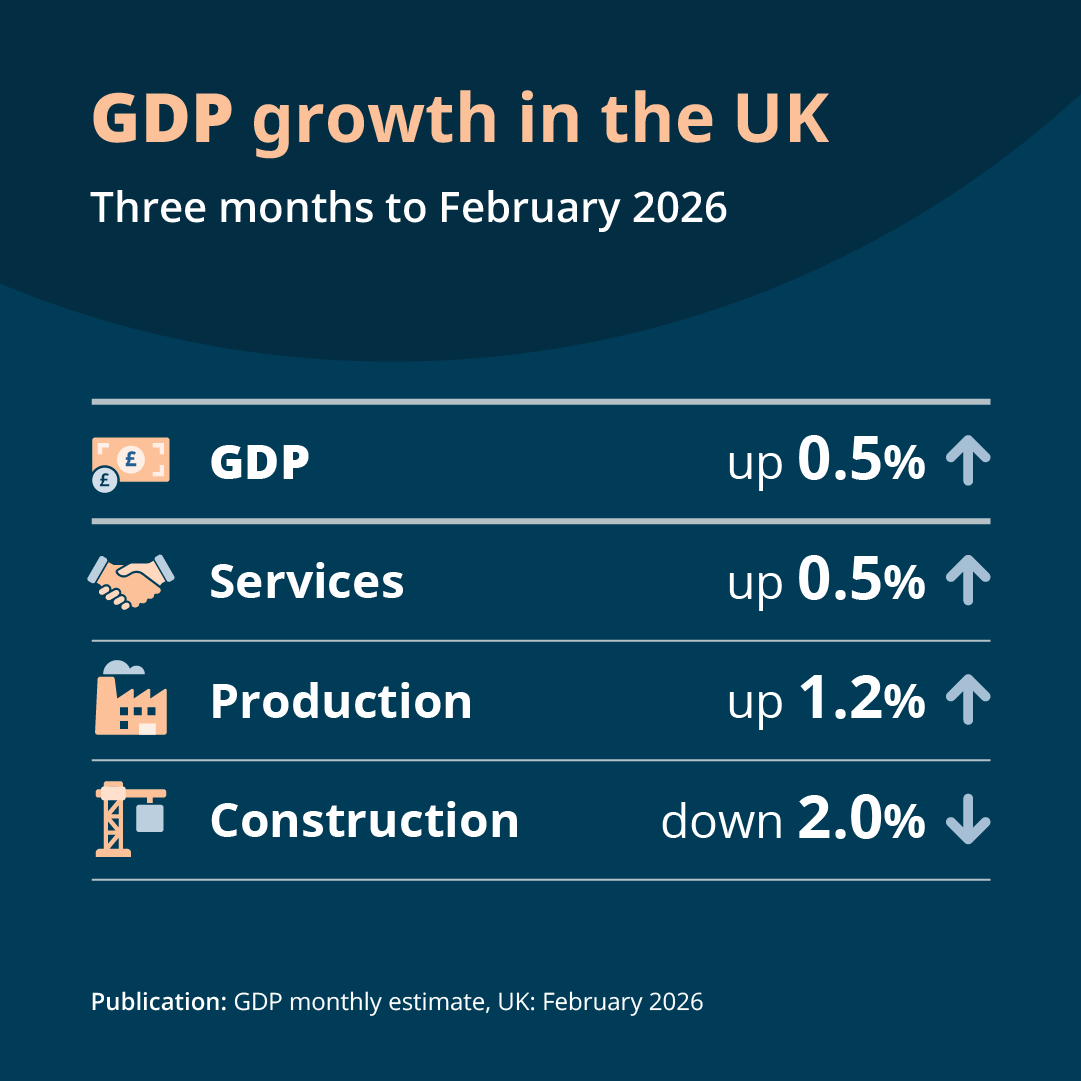
GDP grew 0.5% in the three months to February 2026. Services (+0.5%) and production (+1.2%) both increased, but construction (-2.0%) fell.
Read the article ➡️ https://t.co/0o1qetyWNv
The total underlying trade deficit narrowed £0.3 billion to £2.8 billion in the three months to February 2026.
Read the article ➡️ https://t.co/MVJUt2lpVk
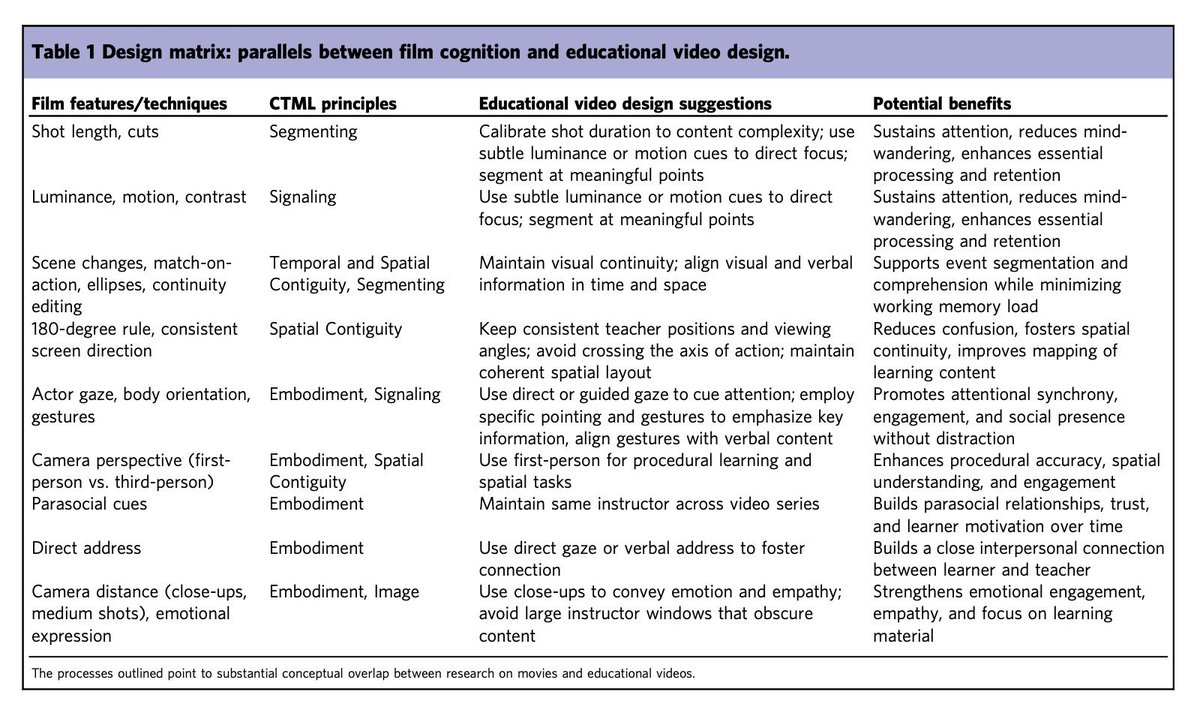
What can Hollywood cinema teach us about the design of educational videos? Just read this really interesting paper which maps classic film techniques onto Mayer's Cognitive Theory of Multimedia Learning.
Takeaways:
1. Shorter shots sustain attention: engagement drops after 6 mins; frequent cuts create event boundaries that reset attention and reduce mind-wandering
2. Arrows, circles, and highlights are the video equivalent of underlining every word in a textbook. Research on film shows that luminance shifts, motion cues, and contrast guide attention without adding extraneous load. (Basically, the best signal is one the learner doesn't consciously notice.)
3. Continuity editing is spatial contiguity: The 180-degree rule means the camera always stays on the same side of those two people, so they stay in the same positions. If the camera suddenly jumps to the other side, Person A is now on the right and Person B is on the left, and your brain has to throw away its map and build a new one. That costs working memory.
4. First-person POV wins for procedural tasks: when the task is "do this with your hands," show what the learner's hands would see not an instructor explaining it.
5. Instructor presence is a trade-off: small retention benefit, but large instructor windows occlude content and can reduce transfer; show the face strategically, not by default
Super intereting that having a teacher's face visible on screen during a video or app gives learners a small boost in remembering things it feels more human, more connected. But if that face takes up too much of the screen, it literally covers the stuff the learner is supposed to be looking at. And worse, it can actually make it harder for learners to apply what they've learned to new situations.
full paper here: https://t.co/gTeFNiVjYN
Are you looking to harness feedback and pupil understanding in the classroom to adapt your teaching?
The new Education Endowment Foundation (EEF) ‘Check.Adapt’ tool offers a simple scaffold for reflection.
Find it here: https://t.co/zT0QcQiUzY
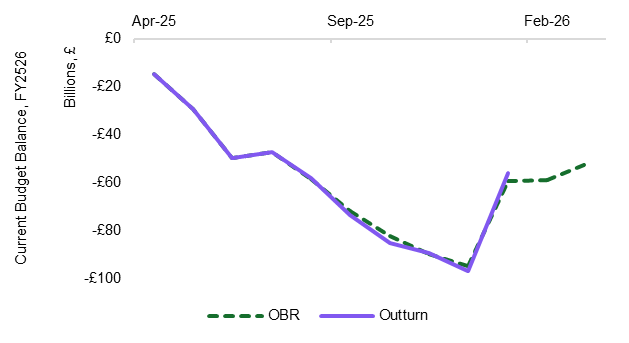
Wow. A couple of big beats on UK economic data. Bumper January tax receipts (a £30.4bn current surplus) putting the YTD current deficit lower than the OBR's November forecast. And retail sales up 1.8% MoM; 4.5% YoY. Reinforces a recovery in economic momentum since the November Budget.
Today’s public finance figures show borrowing is falling, and falling even faster than forecast back in November.
This is important: the Chancellor’s plan for meeting her fiscal rules is predicated on borrowing falling significantly this year and next.
Will AI take educators jobs? @AndrewYang's argument here is compelling but if your teaching can be fully described as 'processing information and presenting it to someone,' then yes, AI replaces you. But if your job is designing instruction so that the learner does the cognitive work, that's engineering, not information processing. Engelmann understood this 50 years ago maybe better than anyone.
This doomer argument applied to education usually describes what happens when you optimise for information transfer and then a cheaper transfer mechanism arrives. Education made this mistake decades ago; confusing coverage with learning. The jobs that survive will be the ones that were never really about information in the first place.
https://t.co/ktpFSqWlHX
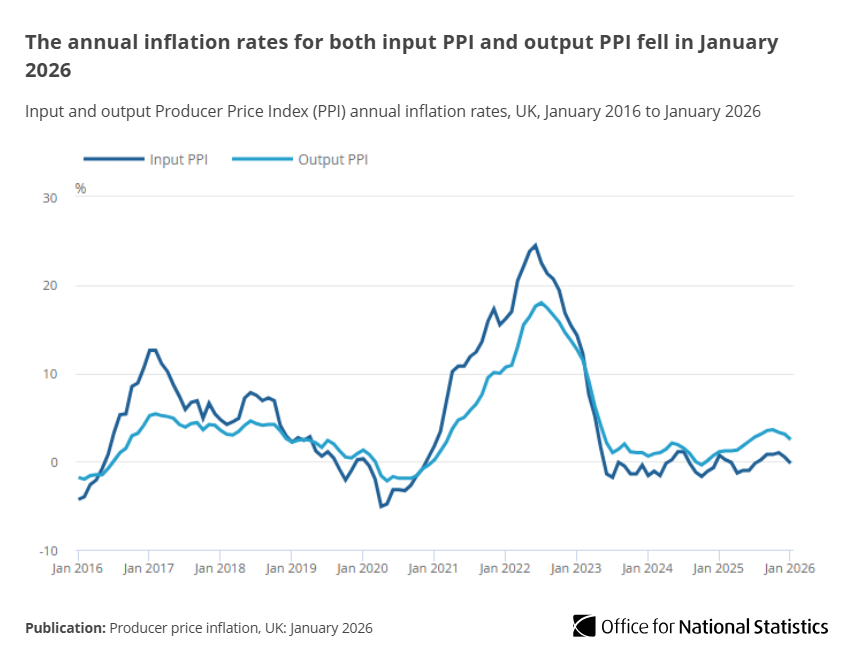
Factory gate prices rose by 2.5% in the year to January, down from a revised rise of 3.1% in the year to December.
Meanwhile, input prices fell by 0.2% in the year to January, down from a revised rise of 0.5% in the year to December.
Read more ➡️ https://t.co/pxHRxI2Caa
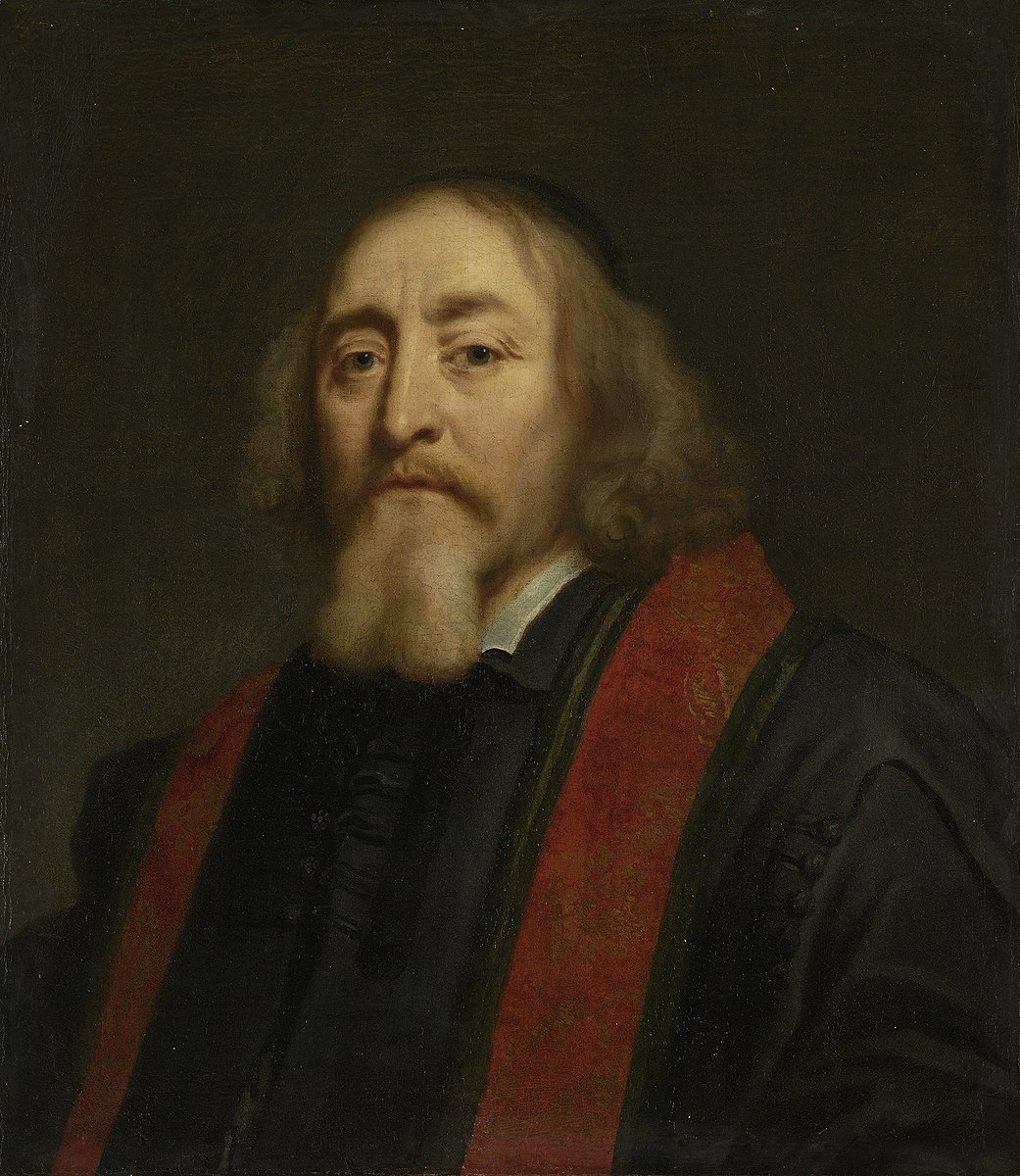
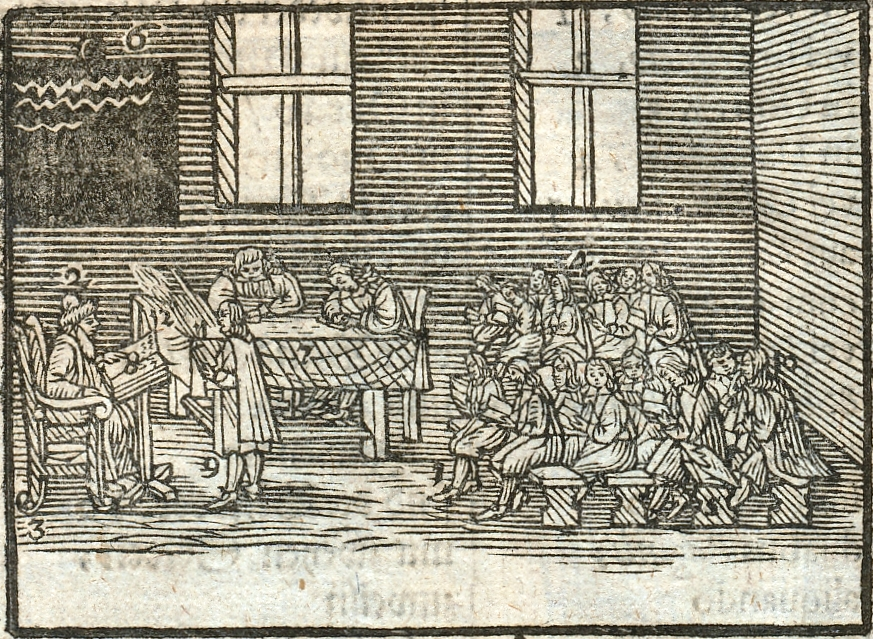
Doing some research for a new book on AI and learning and reading Comenius' Didactica Magna. It's such a fascinating read in terms of the history of education and where we are now with AI. He basically foreshadows the whole structural logic of ITS.
His maxim that 'Nature makes no leaps' (Natura non facit saltum) is so good, its really a sort of proto-algorithmic view of learning, and this idea that knowledge must be sequenced in precise, manageable increments. Top man.
“The journey is part of the understanding.”
As part of his guest edit, historian @holland_tom wants to talk about the impact AI has had on research.
Writer Kate Mosse and @amolrajan talk about why using AI as a research tool is not necessarily the best option.