@TheRealLindsay2 #2
So students can practice rotations and the teacher can give feedback on meeting expectations. Students will need to be taught what the expectations are when they are not meeting with the teacher. Once routines are established, then the implementation of teaching small groups.
@TheRealLindsay2 Implementing Small group instruction has to start with routines and procedures (teach,model,practice) so students know and understand the expectations of what it looks like, sounds like, and feels like during this time. I recommend not pulling a small group for a little bit.
Teachers! I'm giving away a signed, personalized class set of the new paperback edition of #wishtree, which includes a letter from me, discussion questions, and more. ❤️🌳
RT + follow for a chance to win for your classroom! I'll pick a random winner this Wednesday, 4/26.
I went to see Bill Schonely last week. I asked the legendary broadcaster if there was something he wanted you to know. One last word from the voice of a city.
Schonz didn't hesitate.
Column: https://t.co/nU7xpbgrSY
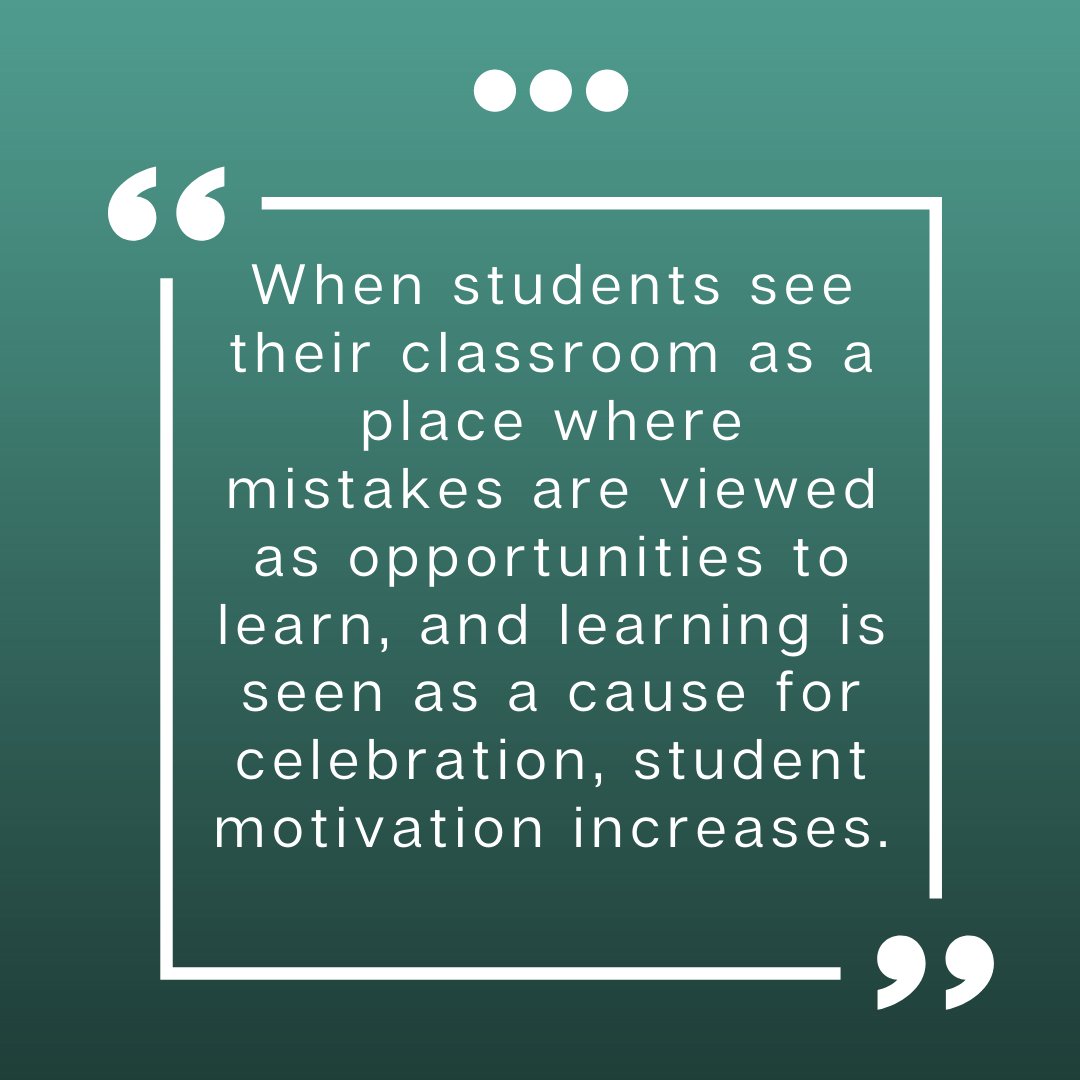
Make this scenario an everyday reality in the classroom. You’ll expand your students’ capacity to thrive as they take responsibility for their learning.
Visit https://t.co/IHj1X1euG4 to discover more about Developing Assessment-Capable Visible Learners and access free resources.
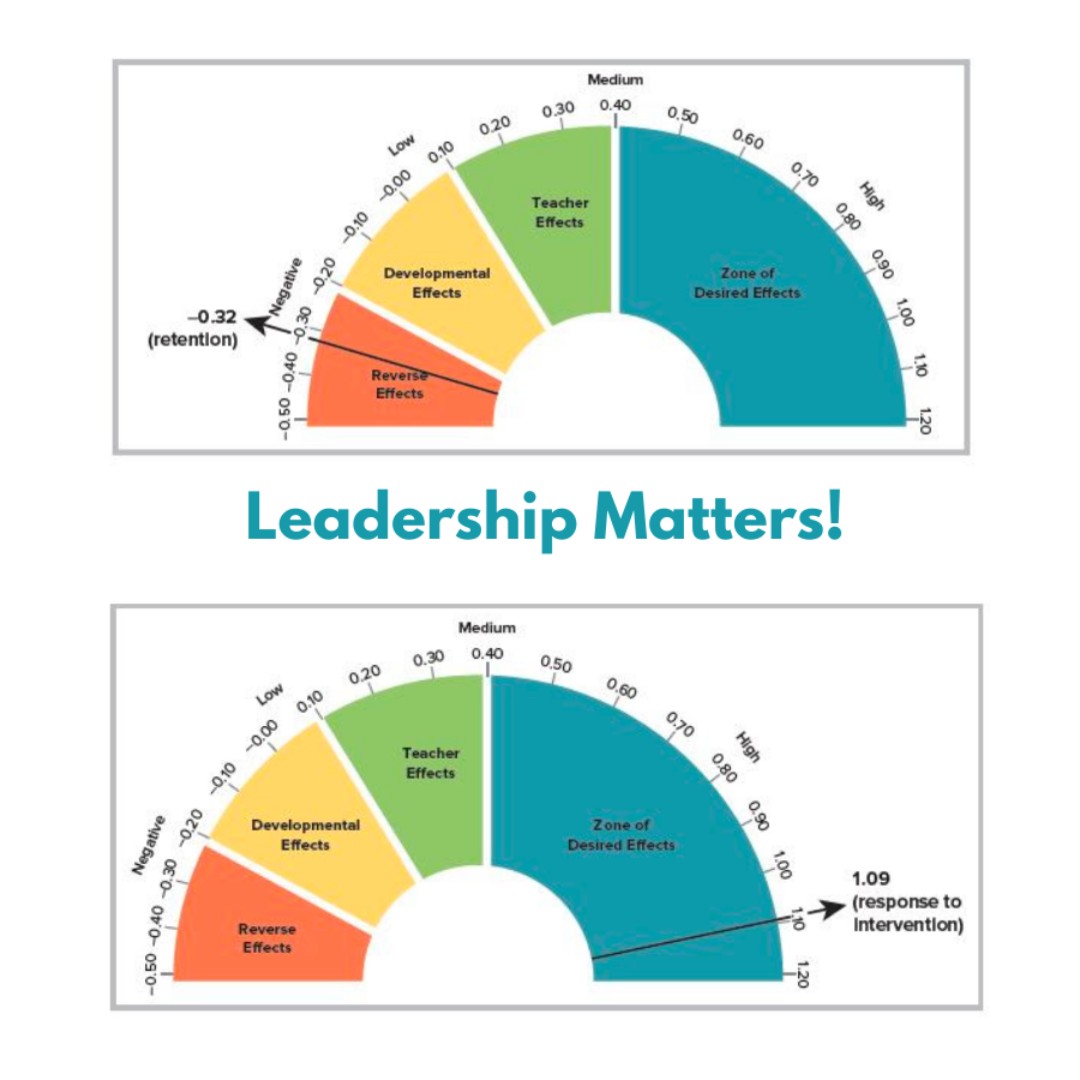
Leadership matters! Proven by the research, there is a positive impact on student learning when we provide quality intervention rather than retain a student.
Gain insights into what works best in our new book at https://t.co/4XROafJ2OA.
Pay attention everyone. This is the challenge: The conflating of teaching reading and the science of reading with being only about “phonics”. Educate yourselves, friends. Every teacher is a reading teacher. That includes fluency, word study (vocabulary), and comprehension.